
Selecting the ideal diesel engine oil for your vehicle is not about finding a single, universally superior brand. Instead, the correct choice depends entirely on your vehicle manufacturer’s specifications, including the required API or ACEA ratings and the correct viscosity grade. While brand marketing often highlights proprietary technologies, your vehicle’s engine design dictates the chemical properties the oil must possess to prevent premature wear, manage soot, and protect emissions systems.
Among the prominent options available in the market, Medex, Shell, Castrol, and Motul occupy distinct positions. Medex is typically positioned as a highly cost-effective option suited for standard passenger or light commercial diesel applications, making it a popular choice for budget-conscious maintenance. Shell is globally recognized for its widespread availability and its focus on active cleansing technologies, often derived from natural gas. Castrol emphasizes robust wear protection and sludge control, making it a frequent choice for high-mileage or older utility vehicles. Motul occupies the premium tier, specializing in high-performance, fully synthetic formulations engineered to maintain stability under extreme thermal loads.
Ultimately, brand reputation must always yield to the exact specifications listed in your vehicle’s owner’s manual. Before purchasing any lubricant, you must verify that the product’s label explicitly displays the exact performance standards required by your vehicle manufacturer. Using an oil that lacks these certifications, regardless of the brand’s prestige, can lead to accelerated engine wear, compromised emissions components, and voided warranties.
Products mentioned in this guide
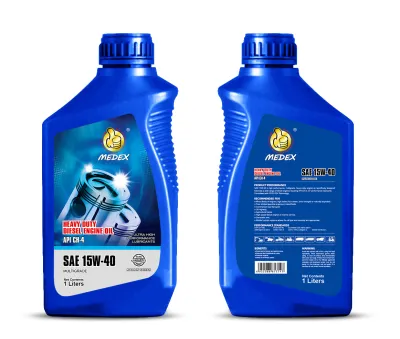
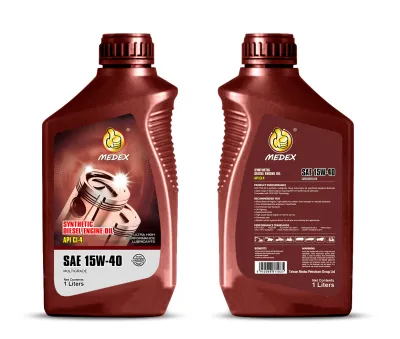
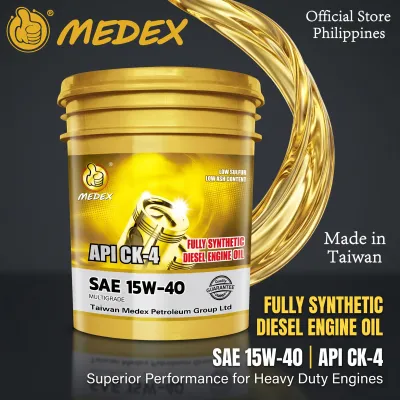
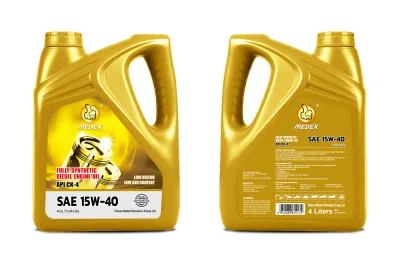
Prices are valid at publication and may change. Please refer to the product page for the latest price.
Understanding the Contenders: Brand Positioning and Core Strengths
To make an informed decision, you must first understand how each of these four brands approaches lubricant engineering and market positioning. Each manufacturer targets different driving scenarios, vehicle ages, and budget considerations.
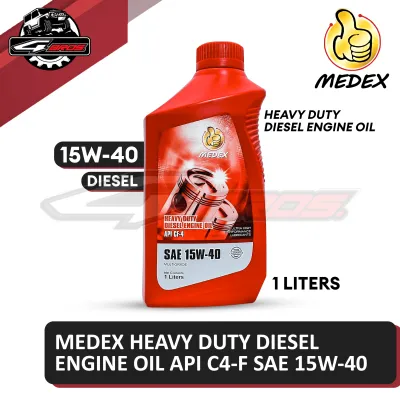
Medex Diesel Engine Oil
Medex focuses primarily on providing practical, value-driven lubricant solutions. This brand is commonly selected for standard passenger cars, older utility vehicles, and light commercial diesel fleets where routine, cost-effective maintenance is the priority.
While Medex products offer an accessible price point, you must exercise diligence when selecting a specific formulation. Because value-oriented brands may offer a mix of mineral and semi-synthetic options, you must carefully read the back label of the bottle. Ensure that the specific API or ACEA service classifications perfectly align with your engine’s requirements before proceeding with an oil change.
Shell, Castrol, and Motul
Shell is a dominant force in the global and local lubricant markets, known for its extensive research and development. A key pillar of Shell’s premium diesel line, such as the Rimula or Helix series, is the integration of Gas-to-Liquid (GTL) base oils. This technology converts natural gas into a highly pure base oil, resulting in excellent resistance to thermal breakdown and superior detergency. If your primary goal is keeping engine internals free from soot deposits during daily commutes and routine highway driving, Shell’s product line offers highly reliable, widely accessible options.
Castrol has built its reputation on engine longevity and wear reduction. Technologies such as its “intelligent molecules” in the Magnatec range or the high-strength polymers in the Edge series are engineered to provide a persistent protective barrier on metal surfaces. This focus makes Castrol a strong candidate for vehicles that operate under demanding stop-and-go conditions or those with higher mileage. The brand excels at preventing the accumulation of black sludge, which is a common byproduct of combustion in older diesel engines.
Motul is positioned firmly at the premium end of the spectrum, drawing heavily on its motorsport heritage. The brand is highly regarded for its advanced synthetic formulations, including ester-based technology in its specialized lines. Motul lubricants are designed to maintain a stable oil film even under extreme temperatures and high shear forces. This makes them a preferred choice for modified diesel engines, vehicles frequently used for heavy towing, or modern common-rail direct injection (CRDI) systems operating under intense pressure.
While these brand-level characteristics provide a useful guide, they do not replace the necessity of checking individual product data sheets. A brand’s general reputation cannot guarantee that a specific bottle of oil is suitable for your exact vehicle model and year.
Key Comparison Dimensions for Diesel Engine Oils
Comparing diesel engine oils requires looking past brand logos and analyzing the technical specifications printed on the bottle. Three primary dimensions determine how an oil will perform inside your engine: viscosity, industry certifications, and the type of base oil used.

Viscosity Grades and Temperature Performance
Viscosity is a measure of an oil’s resistance to flow, designated by the Society of Automotive Engineers (SAE) grading system (such as 5W-30, 10W-40, or 15W-40). The number preceding the “W” indicates cold-flow properties, while the second number represents the oil’s thickness at engine operating temperature (100°C). In tropical climates with high ambient temperatures, the cold-start rating is less about sub-zero freezing and more about how quickly the oil circulates to critical components upon turning the key.
Choosing the correct viscosity grade is critical for maintaining oil pressure and ensuring proper lubrication. A viscosity that is too low may fail to prevent metal-to-metal contact under heavy loads, while a viscosity that is too high increases internal drag, raising operating temperatures and reducing fuel efficiency. Always adhere to the viscosity chart provided in your vehicle’s owner’s manual, as modern engines are designed with incredibly tight clearances that require specific flow rates.
API and ACEA Service Classifications
Industry standards established by the American Petroleum Institute (API) and the European Automobile Manufacturers’ Association (ACEA) define an oil’s performance capabilities. For diesel engines, API classifications begin with the letter “C” (e.g., CI-4, CJ-4, CK-4). Each successive letter represents a more stringent standard designed to handle higher levels of soot, prevent oxidation, and protect modern emissions control devices.
If your vehicle is equipped with a Diesel Particulate Filter (DPF), Selective Catalytic Reduction (SCR), or an advanced Exhaust Gas Recirculation (EGR) system, you must use a low-SAPS (Sulfated Ash, Phosphorus, and Sulfur) oil. These are typically designated by API CK-4 or ACEA C-series (such as C3) or E-series (such as E6 or E9) classifications. Using an outdated or incorrect oil classification can rapidly poison catalytic converters or clog your DPF, resulting in extremely expensive repairs.
Base Oil Types: Mineral, Semi-Synthetic, and Fully Synthetic
Base oils serve as the foundation of any lubricant, categorized into mineral, semi-synthetic, and fully synthetic types. Mineral oils are refined directly from crude oil and are highly cost-effective, but they break down more rapidly under high heat and require shorter change intervals. Semi-synthetics offer a balanced compromise, blending mineral and synthetic stocks to provide improved thermal stability at a moderate price point.
Fully synthetic oils are chemically engineered to feature uniform molecular structures. This uniformity provides outstanding resistance to oxidation, superior flow at start-up, and prolonged protection over extended drain intervals. Modern, high-pressure common-rail diesel engines almost universally require fully synthetic formulations to withstand the extreme pressures and temperatures generated during operation.
| Feature / Dimension | Mineral Oil | Semi-Synthetic Oil | Fully Synthetic Oil |
|---|---|---|---|
| Relative Cost | Low (₱) | Moderate (₱₱) | Premium (₱₱₱) |
| Thermal Stability | Standard | Improved | Exceptional |
| Soot Dispersancy | Moderate | High | Very High |
| Typical Application | Older, mechanical diesels | Light commercial, mixed fleets | Modern CRDI, turbo-diesels with DPF |
Matching the Oil to Your Diesel Engine and Driving Conditions
To select the correct oil, you must synthesize your vehicle’s mechanical requirements with your daily driving habits and environmental conditions.
Consulting the Owner's Manual and Warranty Requirements
Your vehicle’s owner’s manual is the ultimate authority on lubricant selection. Manufacturers spend years engineering and testing engines to determine the exact chemical properties required to ensure longevity. Using an oil that does not meet these precise specifications can void your powertrain warranty and cause progressive, irreversible damage to internal components.
When reviewing your manual, look for specific manufacturer approvals alongside general API or ACEA ratings. For example, European diesel engines often require proprietary approvals such as MB-Approval 229.51 or VW 507.00. If the instructions in your owner’s manual conflict with the marketing claims on an oil bottle, always defer to the vehicle manufacturer’s instructions or consult a certified professional before pouring the oil into your engine.
Adjusting for Driving Habits and Environment
Your operating environment plays a massive role in how quickly an engine oil degrades. Driving in heavy, stop-and-go metropolitan traffic, idling for extended periods with the air conditioning running, towing heavy loads, or operating in highly dusty provincial environments all constitute “severe driving conditions.” Under these circumstances, engine oil accumulates soot, moisture, and unburnt fuel at an accelerated rate.
Severe operating conditions typically require you to shorten your oil drain intervals rather than simply switching to a thicker viscosity or a different brand. While a premium fully synthetic oil from Motul or Shell will offer superior chemical stability under high thermal stress, it still must be changed regularly to remove suspended contaminants. Always refer to the “severe service” maintenance schedule in your manual to determine the correct mileage or time-based interval for your specific driving habits.
Decision Framework: Which Brand Fits Your Needs?
To simplify your purchasing decision, consider the following conditional framework based on your vehicle’s requirements, budget, and driving conditions.
- Choose Medex if: You drive an older passenger vehicle, a light commercial utility vehicle, or manage a fleet requiring frequent, routine maintenance. This is a practical choice if you are on a strict budget, provided you have verified that the specific Medex product meets the exact API or ACEA specifications demanded by your engine.
- Choose Shell if: You want a widely available, highly dependable lubricant backed by advanced cleaning technology. It is an excellent choice for modern daily drivers and commuter vehicles where maintaining internal engine cleanliness and preventing soot buildup are your primary concerns.
- Choose Castrol if: You are maintaining a high-mileage vehicle or an older diesel engine that is prone to wear and sludge accumulation. Castrol's specialized barrier technologies are well-suited for engines that require extra physical protection during cold starts and heavy urban commuting.
- Choose Motul if: You operate a high-performance diesel vehicle, frequently tow heavy payloads, drive in challenging mountainous terrain, or have modified your engine. This option is ideal if you are willing to pay a premium for exceptional thermal stability and maximum shear resistance under extreme loads.
- Verify first if: Your vehicle is equipped with a Diesel Particulate Filter (DPF), is currently covered under an active manufacturer warranty, or if you are operating a highly sensitive modern common-rail direct injection (CRDI) system. In these scenarios, OEM-approved specifications must dictate your purchase, regardless of brand preference.
How to Verify Compatibility and Avoid Counterfeits
Because high-quality engine oil is vital to the survival of a diesel engine, counterfeit lubricants have become a significant hazard in the automotive aftermarket. Counterfeit oils are typically cheap, low-grade mineral oils packaged in highly convincing replica bottles. They lack the sophisticated additive packages required to handle soot, resist heat, and protect emissions systems, which can lead to catastrophic engine failure within a few thousand kilometers.
To protect your investment, buy engine oil exclusively from authorized distributors, official brand stores, or highly reputable physical automotive supply shops. Be exceptionally cautious of unusually low prices on online marketplaces or unverified retail outlets. If a price seems too good to be true, it is highly likely that the product is counterfeit or compromised.
Before opening the bottle, perform a physical inspection. Verify that the tamper-evident seal on the cap is completely intact and has not been glued or heat-sealed back together. Check for clearly printed batch numbers, production dates, and QR codes that link directly to the manufacturer’s official verification portal. Finally, cross-reference the text on the back label one last time with your vehicle’s owner’s manual to ensure that the viscosity, API rating, and OEM approvals are a perfect match.
Community discussion
Share your experience or ask a question. Comments are reviewed before publication.