
The ideal car lumbar support pillow depends entirely on your primary discomfort triggers, typical trip duration, and vehicle seat design. While memory foam offers deep contouring for long drives, mesh provides structured support with maximum airflow, and inflatable options deliver customizable firmness for shared vehicles. Before selecting a material, you must evaluate how the pillow interacts with your car’s built-in ergonomics and safety systems.
Choosing the wrong support can exacerbate back fatigue or even compromise your driving safety. In tropical climates where high humidity and intense heat are daily realities, material breathability becomes just as critical as physical support. By understanding how each design handles heat, pressure, and positioning, you can transform your daily commute or weekend road trip into a pain-free experience.
Identifying Your Driving Habits and Posture Needs
Before browsing online marketplaces or local auto accessory shops, you must analyze your typical driving patterns. A driver spending hours daily crawling through heavy city traffic faces different physical stressors than someone frequently embarking on long provincial road trips. Short, stop-and-go commutes require quick, easy-to-adjust support that accommodates frequent entry and exit from the vehicle. Conversely, multi-hour journeys demand consistent, deep pressure relief to prevent the lower back muscles from tightening over time.
Products mentioned in this guide
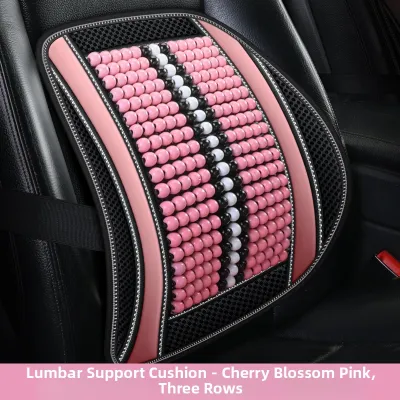
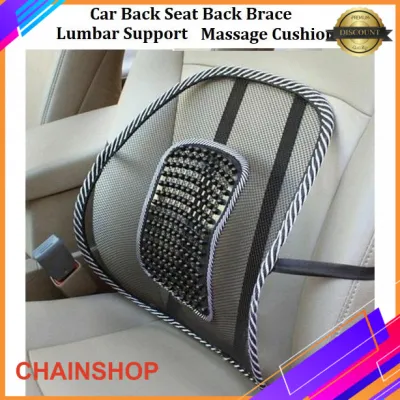
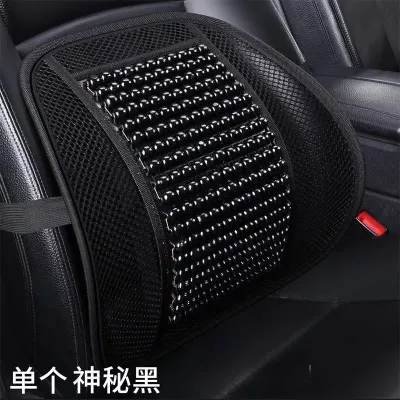
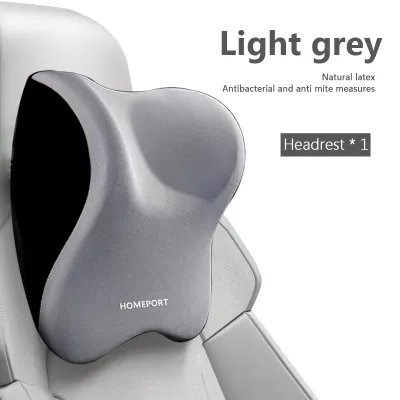
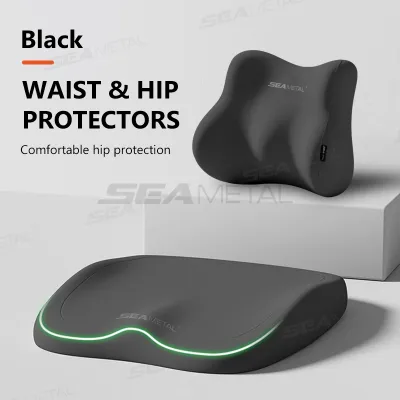

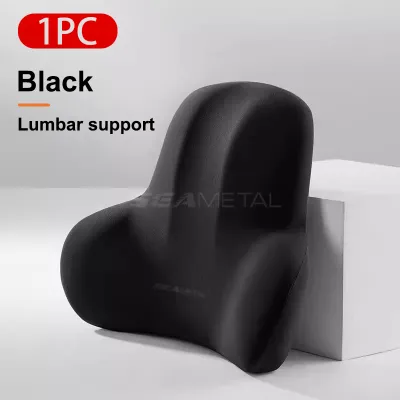
Prices are valid at publication and may change. Please refer to the product page for the latest price.
You should also pinpoint your primary discomfort triggers during a drive. If you find yourself constantly shifting in your seat to find a comfortable angle, your seat may lack adequate lateral or lumbar contouring. If you arrive at your destination with a damp shirt back, heat retention is your primary enemy, making ventilation a top priority. Identifying whether your main issue is physical pressure, muscle fatigue, or heat accumulation will immediately narrow down your material choices.
Finally, inspect your vehicle’s existing seat adjustments before adding any aftermarket accessories. Many modern cars feature built-in lumbar support dials or levers that alter the shape of the seatback. Adding a thick external pillow on top of an already extended built-in support can push your spine into an unnatural, exaggerated curve. Always flatten your seat’s built-in lumbar mechanism completely before testing an aftermarket pillow to establish a neutral baseline.
Memory Foam Lumbar Supports: Contouring and Density
Memory foam is highly regarded for its ability to soften under body heat and mold precisely to the unique shape of your spine. This material excels at distributing weight evenly across the lower back, reducing pressure points that can lead to muscle spasms during extended drives. When evaluating memory foam, pay close attention to the foam’s density and rebound time. High-density foam offers firmer, more reliable support that will not collapse completely under your weight, while low-density options may feel plush initially but flatten out within thirty minutes of driving.

The primary drawback of standard memory foam is its tendency to retain body heat. In warm, humid climates, a solid block of foam acting as an insulator against your back can quickly lead to excessive sweating and discomfort. To mitigate this, look for memory foam pillows that feature ventilated channels, gel infusions, or breathable outer covers made of 3D mesh or bamboo fabric. These features help dissipate heat, though they may not completely match the airflow of a dedicated mesh support.
You must also verify the physical thickness of the memory foam pillow. Because high-density foam does not compress fully, a thick pillow can push your entire torso several inches forward. This shift changes your relationship with the vehicle’s controls, potentially forcing you to slide your seat backward to maintain a safe pedal reach and steering wheel distance. Ensure the pillow’s depth matches your body size so you do not feel crowded against the steering wheel.
Mesh Lumbar Supports: Breathability and Structural Tension
Mesh lumbar supports are designed with a flexible frame wrapped in a tightly woven, breathable fabric. This construction allows air to circulate freely between your back and the seat, making it an excellent choice for drivers who struggle with heat and humidity. The constant airflow prevents sweat buildup, keeping you cool and dry even during long midday drives without relying heavily on maximum air conditioning.
When shopping for a mesh support, inspect the flexibility of the outer frame and the tension of the mesh fabric. The frame must be rigid enough to maintain its shape under your weight, yet flexible enough to give slightly when you lean back. If the mesh tension is too loose, your back will press straight through the fabric and contact the hard plastic or metal frame underneath, causing painful pressure points. Conversely, if the tension is too high, the support will feel like a rigid board, offering little to no contouring.
The mounting mechanism is another critical factor for mesh supports. Because these frames are lightweight, they can easily slip or shift out of alignment on slick leather or vinyl seats. Look for models equipped with wide, adjustable elastic straps and non-slip rubber backing to keep the frame securely anchored. Additionally, keep in mind that the rigid border of a mesh frame can sometimes feel intrusive for drivers with smaller frames or in vehicles with highly bolstered sports seats.
Inflatable Lumbar Supports: Adjustability and Portability
Inflatable lumbar supports offer a level of customization that static materials simply cannot match. By using a manual hand pump or an integrated valve, you can adjust the volume of air inside the bladder to achieve the exact level of firmness and thickness your back requires on any given day. This adjustability is particularly valuable for shared family vehicles, where different drivers of varying heights and preferences must use the same driver’s seat.
To ensure long-term reliability, you must carefully evaluate the quality of the valve mechanism and the air bladder material. Cheaper inflatable supports are prone to slow air leaks, requiring you to pump them up repeatedly during a single trip. Look for heavy-duty TPU or reinforced PVC bladders with secure, screw-tight or push-button valves that lock air in place. The surface texture of the outer cover also matters; a soft, brushed fabric or flocked surface will prevent the pillow from squeaking or sliding against your clothing and seat covers.
Another major advantage of inflatable supports is their portability. When deflated, these pillows fold down into a compact size that easily fits into a glove compartment, door pocket, or backpack. This makes them ideal for travelers who frequently use rental cars, taxis, or rideshare vehicles and want to bring their ergonomic support with them. When sharing a car, the quick deflation process allows the next driver to instantly remove or adjust the support without wrestling with complex strap systems.
Matching Pillow Types to Your Driving Scenarios
Selecting the right lumbar support requires matching these material characteristics to your specific driving environment and physical profile. If your routine consists of long, continuous highway driving where you remain in the same position for hours, memory foam is generally the most suitable option. Its deep contouring and pressure-relieving properties help prevent the gradual muscle fatigue and stiffness that accumulate during long provincial trips.
If your daily drive involves navigating congested urban roads in high-temperature conditions, a mesh lumbar support is often the most practical choice. The superior ventilation keeps you comfortable and prevents your clothing from clinging to your back, while the firm, springy support keeps you alert and upright. Mesh is also highly cost-effective, making it an accessible entry-point accessory for budget-conscious drivers looking for immediate relief.
For households where multiple family members share a single vehicle, or for professional drivers who switch cars frequently, the inflatable lumbar support is the clear winner. Its ability to transform from a flat sheet to a firm, thick cushion in seconds ensures that every driver can customize the seat ergonomics to their liking. It is also the best choice if you prefer a highly firm support on some days and a softer, minimal cushion on others.
Before finalizing your purchase, always verify if your vehicle’s seat has built-in lumbar adjustments that might conflict with an aftermarket pillow. If your seat already has a pronounced, non-adjustable lumbar curve, adding any external pillow—especially a thick memory foam model—may push your lower spine too far forward, causing more harm than good. In such cases, a very thin, adjustable inflatable support or a low-profile mesh frame is usually the safest option to fine-tune your comfort.
Installation, Adjustment, and Safety Checks
Proper placement is critical to achieving the ergonomic benefits of any lumbar support pillow. The support should be positioned directly in the natural inward curve of your lower spine, which sits just above your beltline. Placing the pillow too high will push your mid-back forward and cause you to slouch, while placing it too low will press against your sacrum and pelvis, tilting your hips into an uncomfortable position. Take the time to sit completely back in your seat and adjust the straps until the cushion cradles your lower back perfectly.
Safety must always take priority when modifying your driving position. Ensure that the lumbar support and its mounting straps do not interfere with the path of your seatbelt, the adjustment of your headrest, or the deployment zones of seat-mounted side airbags. Many modern vehicles have side airbags housed within the outer edge of the seatback; running thick straps around the entire seat can restrict these safety systems from deploying correctly in an emergency. Consult your vehicle’s owner manual to identify airbag locations before securing any straps.
Finally, remember that adding a lumbar support will alter your overall seating position, pushing you slightly forward and upward. After installing the pillow, you must re-evaluate and adjust your mirrors, steering wheel reach, and pedal distance. Your knees should remain slightly bent when pressing the pedals fully, and your wrists should rest comfortably on top of the steering wheel without your shoulders leaving the seatback. Never operate the vehicle until you have verified that you have full, unobstructed control over all driving inputs.
Frequently Asked Questions (FAQ)
Can I use a regular bed pillow for car lumbar support?
Using a standard bed pillow for car lumbar support is not recommended for both ergonomic and safety reasons. Bed pillows are filled with soft materials like down, polyester fiberfill, or shredded foam, which lack the structural density required to resist the constant downward pressure of your body while driving. Within a few minutes of sitting, a regular pillow will compress completely, leaving you with virtually no support.
Furthermore, standard bed pillows lack mounting straps, meaning they will constantly shift, slide, or fall out of place as you turn corners or accelerate. This shifting can distract you while driving or slide down behind your hips, forcing your body into an awkward, unsafe posture. In the event of a sudden stop or collision, an unsecured bed pillow can also slide under your lap belt, compromising the seatbelt’s ability to hold you securely in place.
How do I clean and maintain my car lumbar support pillow?
The cleaning process for your lumbar support depends entirely on the materials used in its construction. For memory foam pillows, you must never submerge the foam core in water or put it in a washing machine, as water will break down the cellular structure of the foam and ruin its rebound properties. Instead, look for models with a removable, zippered outer cover that can be machine-washed or hand-washed according to the manufacturer’s label. If the foam itself gets dirty, spot-clean it gently with a damp cloth and mild soap, then allow it to air dry completely away from direct sunlight.
Mesh supports are generally easier to maintain but still require regular care. Dust and lint can accumulate in the mesh weave over time, which you can easily remove using a vacuum cleaner brush attachment or a damp microfiber cloth. For inflatable supports, regularly inspect the outer fabric for dirt and wipe it down with a mild soapy solution. You should also periodically check the valve and seams for any signs of wear or slow leaks, and avoid exposing the inflated bladder to extreme cabin heat for prolonged periods to prevent the air inside from expanding and straining the seams.
Community discussion
Share your experience or ask a question. Comments are reviewed before publication.