
Riding a motorcycle in a tropical climate like the Philippines presents a unique set of challenges. When you are navigating the heavy traffic of Manila or cruising along the coastal roads of Batangas, the intense heat and high humidity can make wearing protective gear feel incredibly uncomfortable. However, riding without protection is a risk that no rider should take. Finding a high-quality jacket motorcycle rider men can trust in these demanding conditions requires understanding how different materials handle both ventilation and crash safety.
The ultimate goal is to find a garment that allows maximum wind to pass through to cool your body while still providing a robust shield against the pavement in the event of a slide. By understanding the science behind mesh, perforated leather, and advanced technical textiles, you can make an informed decision that keeps you both cool and safe on every journey.
The Core Trade-Off: Ventilation vs. Abrasion Resistance
The fundamental challenge in motorcycle gear design is that the properties that make a fabric breathable are often the exact opposite of what makes it safe during a crash. To allow air to flow freely to your skin, a material must have open spaces, pores, or a loose weave. Conversely, to resist the extreme friction and heat generated when sliding across asphalt, a material must be dense, tightly woven, and highly resistant to tearing and melting.
Products mentioned in this guide
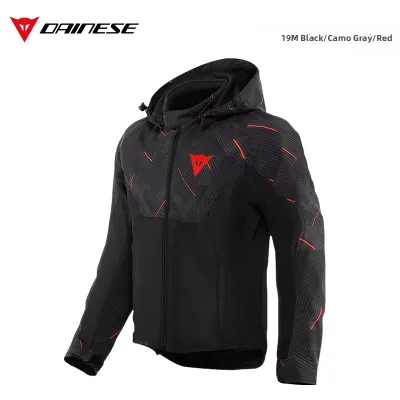
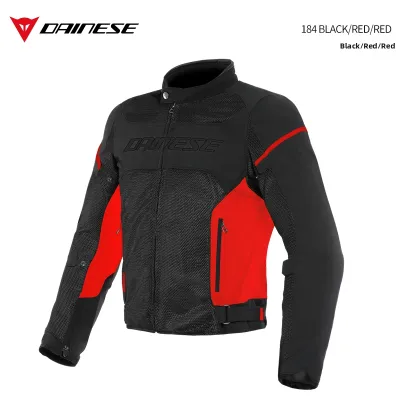
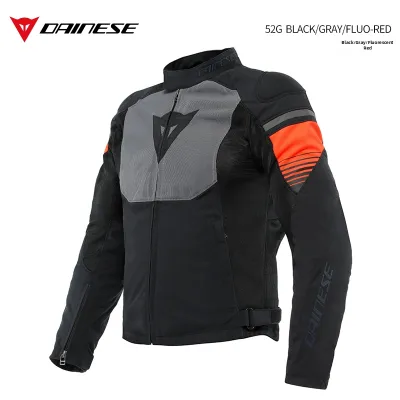
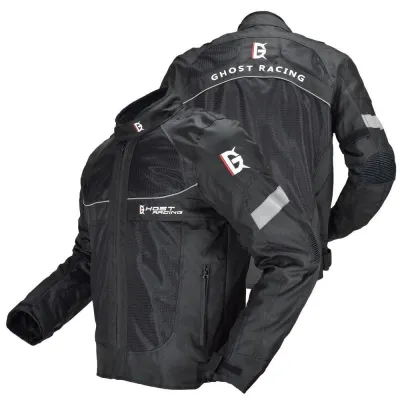
Prices are valid at publication and may change. Please refer to the product page for the latest price.
When you slide on the road, the friction acts like high-grit sandpaper, rapidly wearing away weak fabrics. If a jacket is made of lightweight, non-motorcycle-specific materials, it can shred in a fraction of a second, exposing your skin to severe road rash. Therefore, any effective hot-weather jacket must strike a careful balance: using highly breathable materials in areas that do not typically hit the ground, and dense, abrasion-resistant materials in high-impact zones.
To help riders navigate this trade-off, the European Union established the CE EN 17092 standard, which is now the global benchmark for motorcycle garment safety. This standard subjects riding gear to rigorous testing on a specialized machine that simulates slides on concrete at various speeds. It also tests seam strength, tear resistance, and dimensional stability to ensure the jacket will hold together under extreme stress.
Under the CE EN 17092 standard, garments are classified into five distinct safety ratings:
- Class AAA: The highest level of protection, designed to withstand high-speed slides. These are typically heavy leather suits or thick, specialized textile jackets.
- Class AA: The standard for touring and highway riding, offering an excellent balance of high-level protection and everyday comfort.
- Class A: Lightweight gear designed for lower-speed urban riding, offering the highest level of flexibility and breathability.
- Class B: Garments that offer abrasion protection equivalent to Class A but do not include impact armor.
- Class C: Lightweight mesh undergarments designed solely to hold impact armor in place beneath non-protective outer clothing.
For tropical riding, aiming for at least a Class A or Class AA rating ensures you have genuine protection without suffocating in the heat.
Mesh Jackets: Maximum Airflow with Strategic Reinforcement
For riders facing extreme heat, a mesh jacket is often the most practical choice. These jackets are specifically engineered to maximize ventilation by replacing solid fabric panels with an open-weave mesh. This design allows even the slightest breeze to pass through, promoting evaporative cooling as you ride. However, the safety of a mesh jacket depends entirely on how it is constructed and where its reinforcements are placed.

How Mesh Construction Works
The open-weave design of mesh means that the choice of fiber is critical to your safety. Budget-friendly mesh jackets often use basic, low-grade polyester fibers. While these jackets are lightweight and highly breathable, they pose a significant safety hazard. Under the intense friction of a slide, low-grade polyester has a low melting point. The heat generated by sliding on asphalt can cause the fabric to melt instantly, fusing the synthetic fibers directly to your skin and causing severe, difficult-to-treat burn injuries.
In contrast, premium mesh jackets utilize high-tenacity polyester or polyamide (nylon) fibers. These advanced materials are engineered to have much higher melting points and superior tensile strength. They can withstand the initial friction of a slide without melting or tearing apart immediately, providing a vital layer of defense between your body and the road.
Critical Reinforcement Zones
To ensure a mesh jacket actually protects you in a crash, it must not be made entirely of mesh. A safe mesh jacket is a hybrid garment that strategically places different materials based on risk zones. The open-mesh panels should be located in low-impact areas where airflow is most beneficial, such as the chest, the inner arms, and the lower back.
The high-impact zones—specifically the shoulders, elbows, and upper back—must be constructed from heavy-duty, abrasion-resistant materials. When evaluating a jacket, look for a clear reinforcement checklist:
- High-Denier Fabrics: The shoulders and elbows should be covered in a dense fabric rated at 500 Denier (500D) or 600D at a minimum, with premium options offering 1000D or higher.
- Leather or Aramid Panels: Some high-end mesh jackets feature leather overlays or Aramid/Kevlar blends at the primary slide points for maximum durability.
- Reinforced Seams: Ensure that the boundaries where the mesh meets the solid textile are double- or triple-stitched to prevent the panels from splitting apart under tension.
Avoid any jacket that features unreinforced mesh across the outer arms, shoulders, or back, as these are the areas most likely to make violent contact with the ground during a fall.
Perforated Leather: Heavy-Duty Protection with Engineered Breathability
For riders who refuse to compromise on safety, leather remains the gold standard. It offers natural abrasion resistance, puncture resistance, and structural integrity that synthetics struggle to match. However, wearing a solid leather jacket in tropical humidity is a recipe for heat exhaustion. To solve this, manufacturers offer perforated leather jackets, which feature thousands of tiny, laser-drilled holes to allow air to circulate.
Airflow vs. Weight and Weather Limitations
Perforated leather jackets offer unmatched slide protection because the natural fibers of cowhide or kangaroo leather are incredibly dense and tough. The laser-drilled perforations are carefully spaced to allow heat and sweat to escape without significantly degrading the structural strength of the hide. This allows you to enjoy the premium protection of leather while still experiencing a cooling breeze as you move.
However, perforated leather comes with clear trade-offs that you must consider:
- Weight: Leather is heavy. A perforated leather jacket can weigh two to three times more than a lightweight mesh jacket. This added weight can increase rider fatigue, especially during slow, stop-and-go commutes in congested city traffic.
- Weather Sensitivity: Leather performs poorly in wet weather. During sudden tropical downpours, the perforations allow water to flood the interior instantly. Once wet, leather absorbs water like a sponge, becoming extremely heavy, cold, and uncomfortable.
- Heat Retention: Even with perforations, leather retains more body heat than mesh. When you are stopped in traffic under the direct sun, a leather jacket will quickly become hot and stuffy.
Maintenance in Humid Climates
In high-humidity environments, maintaining a perforated leather jacket requires diligence to prevent mold, mildew, and dry rot. Sweat from hot rides and moisture from rain can quickly ruin the hide if it is not cared for properly.
To protect your leather jacket, follow these essential care steps:
- Check the Care Label: Always read and follow the manufacturer's specific care instructions before applying any cleaning or conditioning products.
- Air-Dry Naturally: After a wet or sweaty ride, hang the jacket on a wide, heavy, padded hanger in a well-ventilated, air-conditioned, or shaded indoor area. Never place the jacket in direct sunlight or near a heater, as rapid drying will strip the natural moisture from the leather, causing it to shrink, stiffen, and crack around the perforations.
- Clean Gently: Wipe away road grime and sweat residue using a damp, soft microfiber cloth. Avoid harsh detergents that can strip the leather's protective finishes.
- Condition Sparingly: Once the jacket is completely dry, apply a high-quality, manufacturer-approved leather conditioner. Apply it very sparingly using a soft cloth, ensuring you do not clog the laser-cut perforations, which would reduce the jacket's breathability and trap moisture inside the fibers.
Technical Textiles: The Modern Middle Ground for Tropical Riding
If you find leather too heavy and mesh too vulnerable, technical textiles offer an excellent modern solution. These jackets are constructed from advanced synthetic fabrics like Cordura, Dynax, and specialized Aramid blends. By engineering the fibers at a molecular level, manufacturers can create lightweight, highly flexible fabrics that offer impressive abrasion resistance, often matching the safety ratings of mid-weight leather.
Technical textile jackets are highly versatile because they do not rely on open-weave mesh to keep you cool. Instead, they utilize dense, windproof fabrics paired with highly engineered ventilation systems. These jackets feature intake vents on the chest, shoulders, or arms, secured by water-resistant zippers. When opened, these vents scoop in cool air, which is then channeled around your body and pulled out through exhaust vents on the back. This design creates a continuous flow of air while keeping the main chassis of the jacket solid and highly protective.
For the daily commuter, technical textiles offer several distinct advantages over leather:
- Lightweight Comfort: They are significantly lighter than leather, reducing physical strain during long rides.
- Packability: Textile jackets are highly flexible and can be easily folded and stored in a motorcycle top box or a backpack when not in use.
- Weather Resistance: Many technical textiles feature water-repellent coatings or quick-dry properties, allowing them to shed light rain and dry rapidly after a sudden afternoon shower.
- Affordability: High-quality textile jackets generally sit in an accessible price band, typically ranging from ₱6,000 to ₱15,000, making them an excellent investment for riders seeking premium protection on a reasonable budget.
Impact Protection: Why Armor and Construction Matter Just as Much
It is important to remember that the outer shell of your motorcycle jacket—whether it is mesh, leather, or textile—is primarily designed to protect you from abrasion and road rash. It prevents your skin from being scraped away as you slide across the asphalt. However, a slide is often preceded by a violent impact with the ground, another vehicle, or an obstacle. To survive these forces without fracturing bones or damaging internal organs, you need high-quality impact armor.
Abrasion Resistance vs. Impact Absorption
Abrasion resistance and impact absorption are two entirely different safety functions. The jacket’s shell handles the slide, while the armor inserts handle the impact. When you fall, the armor absorbs and disperses the kinetic energy of the crash, reducing the force transmitted to your joints. A safe jacket must feature dedicated armor pockets at the shoulders, elbows, and back, pre-fitted with certified protective pads.
Understanding CE Armor Ratings
When inspecting a jacket, always verify that the armor inserts carry official CE certification. Look for the following standards stamped directly on the armor pads:
- EN 1621-1: This standard covers protectors for the shoulders, elbows, hips, and knees.
- EN 1621-2: This standard specifically covers back protectors.
CE armor is divided into two performance levels:
- Level 1: Offers basic protection, transmitting a maximum of 18 kilonewtons (kN) of force to the body. This is suitable for casual urban commuting at lower speeds.
- Level 2: Offers superior protection, transmitting a maximum of 9 kilonewtons (kN) of force. Level 2 armor is thicker and denser, making it highly recommended for highway riding and high-speed touring.
Seams and Armor Placement
The best armor in the world is useless if it shifts away from your joints during a crash. High-quality jackets feature adjustable internal pockets that keep the armor snugly positioned over your elbows and shoulders. Additionally, inspect the seams of the jacket. The structural integrity of the garment relies on double- or triple-stitched seams. Look for safety stitching, where the primary structural threads are folded beneath the outer panels to protect them from being worn away immediately during a slide.
How to Verify Safety Labels and Fit for Hot-Weather Riding
When shopping for a motorcycle jacket, you should never rely solely on marketing claims. A jacket that is advertised as “highly protective” or “race-grade” may not actually meet recognized safety standards. To ensure you are buying a genuinely safe garment, you must know how to inspect the physical safety labels and verify the fit.
First, locate the physical CE label sewn into the inner lining of the jacket. A legitimate, certified motorcycle jacket will feature a prominent label containing a motorcycle rider pictogram, the specific European standard (EN 17092), and the official class rating (AAA, AA, A, or B). If this label is missing, or if the jacket only claims to have “CE-approved armor” without a rating for the overall garment, the fabric and seams have not been certified to withstand a slide.
Second, perform a thorough fit check. A hot-weather jacket must fit snugly to ensure that the armor inserts remain perfectly positioned over your joints during an accident. If the jacket is too loose, the elbow and shoulder pads can easily twist away during a fall, leaving you completely unprotected. When trying on a jacket:
- Sit on a Motorcycle: Assume your typical riding position. Ensure the sleeves do not ride up too high, exposing your wrists, and that the back protector remains centered over your spine.
- Reach for the Bars: Verify that you have a full, comfortable range of motion in your shoulders and arms.
- Adjust the Straps: Use the built-in waist, forearm, and bicep adjusters to pull the fabric snug against your limbs, preventing the armor from shifting.
Finally, check for a removable, moisture-wicking inner liner. While you will want to remove any thermal or windproof liners during hot daytime rides, a lightweight, breathable mesh liner helps keep the outer shell from sticking to your sweaty skin, significantly improving comfort during long rides in the tropical heat.
Frequently Asked Questions (FAQ)
Is a mesh motorcycle jacket safe enough for highway riding?
Yes, a mesh motorcycle jacket can be safe for highway riding, but only if it is specifically engineered for high-speed use. A highway-safe mesh jacket must carry a legitimate CE safety rating (preferably Class AA) and feature heavy-duty, high-denier textile (such as 600D Cordura) or leather reinforcements on the shoulders, elbows, and upper back. Avoid lightweight, unrated, or fashion-focused mesh jackets, as their basic synthetic fibers can melt or tear instantly under the high-speed friction of a highway slide.
Does the color of the jacket affect how hot it gets in the sun?
Yes, the color of your jacket affects heat absorption, particularly when you are stopped in traffic. Black and dark-colored fabrics absorb more radiant heat from the sun, which can make you feel significantly warmer during stationary moments on your commute. However, once you are moving, the active airflow through the ventilation panels or mesh weave becomes the primary factor in regulating your core body temperature. For maximum comfort in hot, sunny climates, opting for lighter colors like grey, silver, or high-visibility yellow can provide a noticeable cooling benefit during slow-moving urban rides.
Community discussion
Share your experience or ask a question. Comments are reviewed before publication.