
Choosing the right men’s motorcycle shoes depends on balancing the high-flexibility, high-breathability demands of daily city commuting with the rigid, weather-resistant protection required for long weekend rides. While a commuter needs a shoe that transitions seamlessly to the office, a touring rider requires structured ankle support, impact protection, and heavy-duty armor to withstand hours on open provincial highways. Selecting the wrong style can leave you with sweaty, uncomfortable feet during stop-and-go traffic, or worse, inadequate protection during a high-speed highway slide.
Quick Guide: Commuting vs. Touring Shoe Requirements
Daily commuting and long-distance touring place entirely different demands on your riding gear. In urban environments, riders prioritize low weight, walking comfort, and rapid ventilation to combat intense engine heat. Conversely, weekend touring demands maximum structural integrity, weatherproofing, and physical reinforcement to protect against high-speed impacts and prolonged exposure to the elements.
In the Philippines, these requirements are heavily influenced by the tropical climate and unpredictable road conditions. Urban commuters must deal with extreme humidity, sudden afternoon downpours, and oil-slicked asphalt at busy city intersections. Meanwhile, weekend riders traversing provincial routes face sudden elevation changes, loose gravel, and hours of continuous exposure to wind and rain.
Products mentioned in this guide
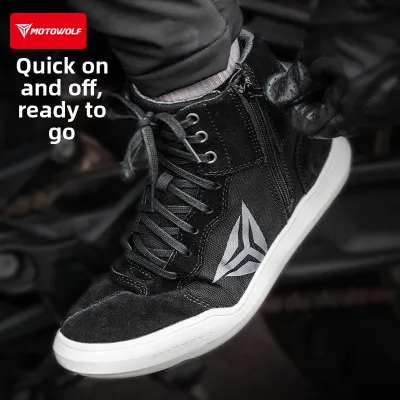
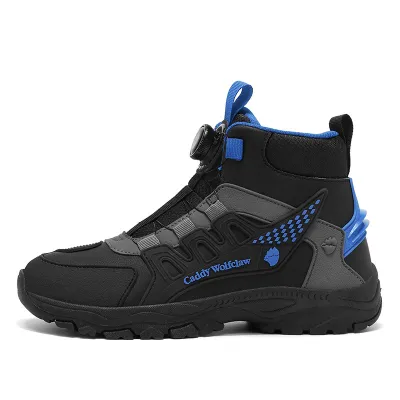
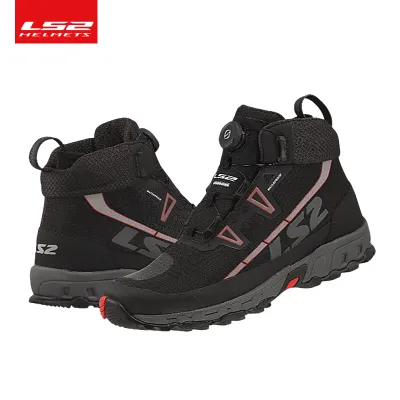
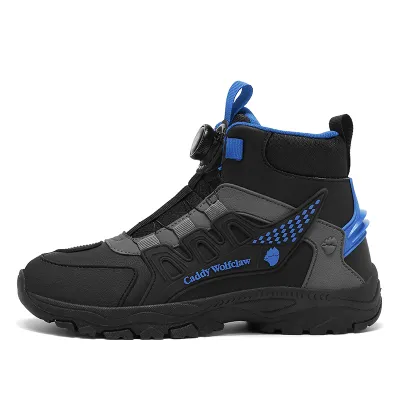
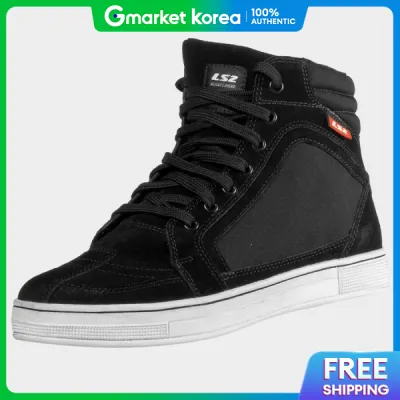
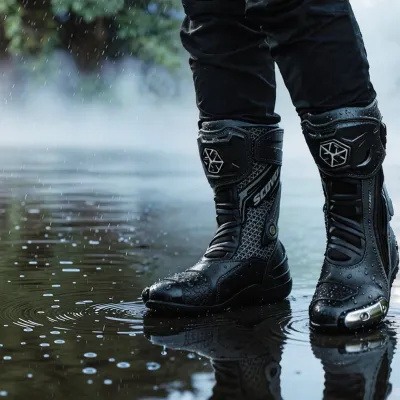
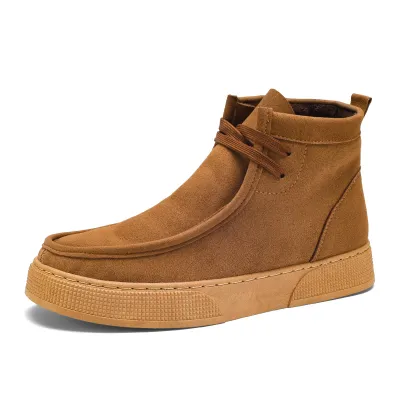
Prices are valid at publication and may change. Please refer to the product page for the latest price.
| Feature | Daily Commuting Priority | Long Weekend Ride Priority |
|---|---|---|
| Primary Focus | Breathability and walking flexibility | Maximum impact and slide protection |
| Sole Rigidity | Moderate (allows natural foot arch flex) | High (prevents foot fatigue on footpegs) |
| Weather Protection | High ventilation; optional water resistance | Waterproof membranes and windproofing |
| On/Off Convenience | Fast (zippers, quick-laces, or straps) | Secure (heavy buckles, tall lace-up systems) |
| Ankle Support | Low-to-mid profile; flexible inserts | High-cut profile; rigid torsional support |
| Typical Materials | Perforated microfiber, canvas, light leather | Full-grain leather, heavy-duty technical textiles |
Understanding these baseline differences helps you narrow down your choices. If your riding pattern is heavily weighted toward one scenario, your footwear choice should reflect those specific demands.
What to Look for in Daily Commuting Motorcycle Shoes
Daily commuting in dense city traffic requires footwear that keeps you cool, comfortable, and protected without looking out of place in a casual environment. The ideal commuting shoe blends safety features with the aesthetic and comfort of a standard sneaker.

Ventilation and Climate Comfort
When you are stuck in bumper-to-bumper traffic, engine heat radiates directly onto your feet. To prevent excessive sweating, look for commuting shoes that feature perforated leather panels, high-airflow mesh sections, or breathable 3D inner linings. These materials allow continuous airflow at low speeds, helping to evaporate sweat and keep your feet dry in high humidity.
Walking Comfort and Casual Styling
Commuters often need to walk around an office, run errands, or meet friends after parking their motorcycles. Look for shoes with flexible rubber outsoles and cushioned EVA midsoles that absorb shock while walking. Many modern urban riding shoes feature casual sneaker or high-top designs that blend seamlessly with jeans or casual trousers, eliminating the need to carry a second pair of shoes to work.
Convenience Features
Time-saving features make a significant difference when you ride every day. Side-entry zippers with protective storm flaps allow you to slip your shoes on and off in seconds without untying laces. Quick-lace systems, speed hooks, and secure hook-and-loop ankle straps also simplify the process, which is especially useful when passing through building security checkpoints or changing gear at your destination.
Urban Protection Baselines
Despite their casual appearance, commuting shoes must provide real protection. Ensure the shoes feature reinforced toe boxes and heel cups to protect against crushing forces. Look for integrated ankle discs (malleolus protectors) made of TPU or D3O foam. Finally, ensure the shoe has a dedicated lace keeper or strap to prevent loose laces from tangling in your motorcycle’s chain, sprocket, or foot controls.
Essential Features for Long Weekend Rides
Long weekend rides on provincial highways present higher speeds, longer hours in the saddle, and a greater risk of severe weather. Footwear for this riding style prioritizes structural stability and comprehensive protection over walking convenience.
Ankle Support and Torsional Rigidity
Extended highway cruising requires footwear that prevents your feet from twisting or bending unnaturally during an accident. Long-distance boots feature a higher cut that extends well above the ankle bone. They incorporate rigid TPU heel counters, shin guards, and lateral ankle braces that limit side-to-side movement (torsion) while allowing the necessary forward and backward flex to operate foot controls.
Weather and Element Protection
When riding far from home, you are highly likely to encounter unexpected weather changes. Look for boots equipped with breathable, waterproof membranes such as Gore-Tex or proprietary brand equivalents. These membranes keep external water out while allowing internal moisture vapor to escape. Windproof outer construction also prevents wind chill from numbing your toes during high-speed highway runs.
Sole Stiffness and Shift Reinforcement
Soft soles flex too much over long distances, causing a painful condition known as foot fatigue where the foot arch presses against the narrow footpeg. High-quality touring boots utilize a stiff internal shank made of steel, nylon, or TPU to distribute your weight evenly across the sole. Additionally, look for a durable, textured shift pad on the top of the toe box to prevent the gear lever from wearing through the boot material over thousands of shifts.
Abrasion Resistance
High-speed slides on coarse provincial roads require maximum abrasion resistance. Look for boots constructed from thick full-grain leather, high-grade synthetic microfiber, or high-tenacity technical textiles like Cordura. Double or triple stitching along high-stress seams ensures the boot holds together under extreme friction and tension.
Can One Pair of Shoes Handle Both Scenarios?
Many riders wonder if they can find a single pair of shoes that handles both daily city riding and long-distance weekend tours. While specialized footwear is always ideal, budget constraints or storage limitations often force a compromise.
The "Urban Touring" Compromise
The mid-boot or hybrid riding shoe category attempts to bridge this gap. These shoes typically feature a mid-cut profile that offers more ankle support than a riding sneaker but less bulk than a full touring boot. They often use moderately stiff soles and water-resistant treatments. While they provide decent protection for short highway trips and acceptable comfort for light walking, they are often too warm for slow-moving summer traffic and lack the shin protection required for high-speed touring.
Decision Matrix for Buyers
To determine if you should invest in one versatile pair or two dedicated pairs, evaluate your riding habits:
- Choose one versatile pair if: Your budget is limited to a single purchase (typically around ₱4,000 to ₱8,000), your weekend rides are moderate in distance (under 150 kilometers), and you do not mind slightly warmer feet during your daily city commute.
- Choose two dedicated pairs if: You commute daily in heavy, high-heat urban traffic, and you regularly embark on multi-day provincial tours that expose you to high-speed highways and unpredictable mountain weather.
Managing Trade-offs
If you decide to use a single pair of shoes for both scenarios, you must manage the inherent compromises. If you wear waterproof touring boots for your daily commute, consider carrying spare dry socks to change into at the office, as your feet will likely sweat in slow traffic. Alternatively, if you use highly ventilated commuting shoes for weekend trips, pack a pair of waterproof overshoes (rain booties) in your utility box to pull over your shoes when sudden downpours strike.
How to Verify Safety Standards and Fit
Before purchasing any motorcycle footwear, you must verify that the product meets international safety standards and fits your feet correctly. Marketing terms like “reinforced” or “protective” do not guarantee actual safety performance.
Reading Safety Labels
Look for official CE (Conformité Européenne) certification markings inside the shoe, typically printed on a white tag under the tongue or along the inner lining. The standard for motorcycle footwear is EN 13634. This label displays a pictogram of a motorcycle and a series of four numbers (for example, 2-2-2-1). These numbers represent rating levels (1 or 2) for specific safety tests:
- First Digit: Height of the boot upper.
- Second Digit: Impact abrasion resistance.
- Third Digit: Impact cut resistance.
- Fourth Digit: Transverse rigidity (resistance of the sole to crushing sideways).
Level 2 represents a higher level of protection than Level 1. Always check these printed specifications rather than relying solely on online product descriptions.
Proper Fitment Protocol
When trying on riding footwear, always wear the specific socks you plan to use while riding. Put on both shoes, lace or zip them completely, and stand up. Your toes should have enough room to wiggle; if your toes press against the front of the shoe, they will quickly go numb during a long ride. Walk around the store and pay attention to the heel. If your heel slips upward significantly when you walk, the shoe is too loose and may fly off during an accident.
Grip and Control Checks
Once you have verified the fit, test the grip of the sole on a smooth surface. A high-quality riding shoe should have a slip-resistant rubber sole that provides a firm grip on wet or oily pavement, preventing your foot from slipping when you stop the motorcycle. Finally, sit on your motorcycle (or mimic the riding position) to ensure the toe box is slim enough to slide easily under your gear shifter and that the sole does not interfere with deploying your kickstand.
Frequently Asked Questions (FAQ)
Are regular sneakers safe enough for daily city commuting?
No, standard athletic sneakers are not safe for motorcycle riding, even for short, low-speed daily commutes. Regular sneakers are made of thin canvas, mesh, or lightweight leather that shreds instantly when sliding on asphalt. They also lack internal armor, leaving your ankle bones and toes vulnerable to severe crush injuries if the motorcycle falls on your foot. Furthermore, exposed shoelaces on regular sneakers can easily catch on your gear shifter, rear brake pedal, or drive chain, which can prevent you from putting your foot down at a stop and cause an avoidable tip-over.
How should I care for my riding shoes after riding in heavy rain?
To preserve the lifespan and safety features of your riding shoes after a wet ride, start by wiping off road grime, mud, and salt with a damp microfiber cloth. Remove the insoles and stuff the shoes with clean newspaper or paper towels to absorb internal moisture. Always allow the shoes to air-dry naturally at room temperature in a well-ventilated indoor space. Never use direct heat sources like hair dryers, clothes dryers, or radiators, as extreme heat degrades sole adhesives, warps natural leather, and ruins breathable waterproof membranes. Once dry, inspect the seams, stitching, and sole bonding for any signs of separation, and consult the manufacturer’s care label for specific leather conditioners or textile treatments.

Community discussion
Share your experience or ask a question. Comments are reviewed before publication.