
Choosing the right bikers shoes for men requires a clear understanding of where you spend the majority of your time in the saddle. Daily city commuting demands lightweight, highly ventilated, and flexible footwear that allows you to walk comfortably in offices or commercial spaces. Conversely, long weekend rides require rigid, high-cut boots with robust ankle armor and weatherproofing to handle highway speeds and unpredictable provincial weather. Aligning your footwear selection with your primary riding environment ensures you do not compromise on safety or comfort.
Quick Guide: Commuting vs. Touring Shoe Priorities
City commuting in dense urban centers like Metro Manila involves constant stop-and-go traffic, frequent foot-planting, and off-bike walking. For this scenario, riders need bikers shoes for men that prioritize daily walkability, lightweight construction, and maximum airflow to prevent heat buildup.
On the other hand, weekend touring out of the city—whether cruising along the scenic Marilaque Highway or heading up to high-elevation destinations—presents higher speeds, prolonged engine vibration, and sudden environmental changes. Here, the priority shifts heavily toward rigid impact protection, ankle stabilization, and weatherproofing.
Products mentioned in this guide
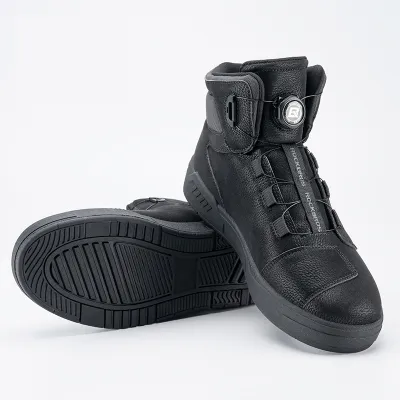
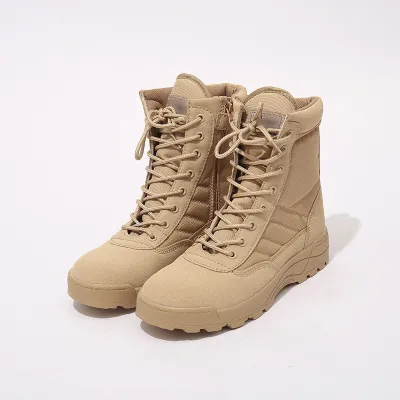
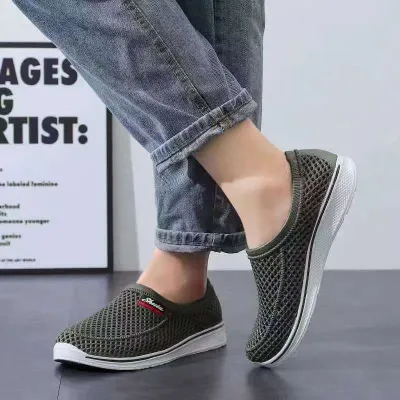
Prices are valid at publication and may change. Please refer to the product page for the latest price.
The foundational rule of selection is simple: align your footwear with your primary riding environment. Attempting to use a single, highly specialized shoe for both scenarios usually results in a frustrating compromise. Wearing heavy, stiff touring boots to a quick office meeting causes discomfort and fatigue, while navigating highways in flimsy, unreinforced casual shoes exposes your feet to severe road hazards.
Daily City Commuting: Navigating Stop-and-Go Traffic
Urban riding presents unique challenges that demand highly specialized gear. Navigating dense traffic lanes requires constant gear shifting, rear braking, and balancing at stoplights. Additionally, the transition between riding and walking must be seamless, as most commuters prefer not to carry a spare pair of casual shoes to work or social gatherings.

Key Features for Urban Convenience
To meet these urban demands, manufacturers design low-profile riding sneakers and casual riding shoes that closely mimic standard high-tops or skate shoes. These designs allow you to walk naturally without the stiff, clunky stride associated with traditional motorcycle gear.
A key structural element is the sole. While standard sneakers flex completely, urban bikers shoes for men feature a tempered shank inside the sole. This shank provides enough longitudinal rigidity to support your foot on the pegs and distribute pressure evenly when operating foot controls, yet retains enough lateral flexibility at the toe to make walking comfortable.
Frequent gear changes in heavy traffic put immense pressure on the top of your left foot. Urban riding shoes address this by integrating dedicated shift pads—often made of reinforced leather or textured TPU—over the toe box. This prevents the gear shifter from wearing through the shoe material and protects your toes from repetitive impact soreness.
Lace management is another critical safety feature for city riders. Loose laces can easily wrap around footpegs, gear levers, or drive chains, leading to dangerous tip-overs when coming to a stop. Look for shoes equipped with lace pockets, elastic keepers, velcro ankle straps, or zippered covers that securely tuck away laces during operation.
Managing Tropical Heat and Humidity
The tropical climate of the Philippines means stop-and-go city traffic is often accompanied by intense heat and high humidity. Without adequate ventilation, your feet will sweat excessively, leading to discomfort, skin irritation, and unpleasant odors.
To combat this, look for urban riding shoes constructed with heavy-duty mesh panels, perforated leather, or moisture-wicking canvas. These materials maximize airflow even at low city speeds, helping to keep your feet cool and dry during midday gridlocks.
Sudden tropical rain showers and localized street flooding are common occurrences. Quick-dry synthetic fabrics and specialized drainage eyelets allow water to escape and dry rapidly once the rain stops, preventing the waterlogged feeling of non-breathable footwear.
Avoid the temptation to wear heavy, insulated, or fully waterproof adventure boots for your daily city commute. These boots are designed to seal out the elements, which also means they trap heat and sweat inside. In a tropical urban environment, this lack of breathability quickly turns your shoes into a humid, uncomfortable environment.
Long Weekend Rides: Highway Cruising and Extended Protection
When you leave the city limits for a weekend ride, the riding dynamics change completely. Speeds increase, exposure to wind and weather intensifies, and the duration of continuous riding extends from minutes to hours. Under these conditions, your footwear must prioritize safety and structural endurance over casual walkability.
Ankle Support and Impact Protection
Highway speeds increase the kinetic energy involved in any potential slide or impact. Consequently, weekend touring boots require a mid-cut or high-cut design that covers the ankle bones (malleolus). These boots incorporate hard plastic or D3O ankle cups to absorb impact energy and prevent painful lateral twisting.
Extended hours on the highway expose your feet to continuous engine and road vibrations. Stiff, thick soles with integrated steel or composite shanks act as vibration dampeners, preventing foot fatigue and cramping. This structural rigidity also ensures that your foot remains securely positioned on the footpegs without bending or slipping.
When shopping for high-protection bikers shoes for men, do not rely solely on brand marketing claims. Always check the interior labels or product documentation for official safety certifications, such as the European CE standard (EN 13634). This certification verifies that the footwear has undergone standardized testing for abrasion resistance, impact cut resistance, and transverse rigidity.
Weather Resistance and Long-Hour Comfort
Provincial rides often take you through varying elevations and microclimates. A sunny departure from Manila can quickly turn into a chilly, rain-slicked climb up toward Sierra Madre or Baguio. Waterproof and breathable membranes, such as Gore-Tex or proprietary brand equivalents, are essential for keeping your feet dry during sudden downpours while allowing internal sweat vapor to escape.
Temperature drops at higher elevations can cause your toes to go numb, which slows down your reaction time on the rear brake lever. Touring boots with wind-blocking outer layers help retain body heat, ensuring your feet remain warm and responsive throughout early morning departures or high-altitude routes.
Long-distance comfort also depends heavily on internal ergonomics. Ensure the boots provide adequate toe room to prevent pinching during long, uninterrupted stretches of riding. Proper arch support and cushioned insoles are vital to prevent plantar discomfort when standing on the pegs to navigate rough provincial roads or unpaved detours.
Can One Shoe Do Both? Evaluating Crossover Options
If your budget or storage space limits you to a single pair of riding shoes, finding a balance between city commuting and weekend touring is essential. Fortunately, the riding gear market offers several crossover options designed to bridge this gap.
Mid-height riding sneakers and short touring boots are the primary categories in this middle ground. These styles typically feature a semi-rigid sole, moderate ankle reinforcement, and a relatively low-profile design that can still pass for casual wear under a pair of riding jeans. Budget-wise, quality entry-level crossover riding shoes in the local market typically range from ‛3,500 to ‛6,000, while premium, fully featured touring boots can exceed ‛12,000.
However, choosing a crossover shoe requires accepting specific trade-offs. They offer significantly more protection and weather resistance than lightweight city sneakers, but they are noticeably stiffer and heavier when walking around the office. Conversely, while they are much more comfortable for daily wear than full-length touring boots, they lack the comprehensive shin protection and heavy-duty weatherproofing required for extreme long-distance tours.
To make the right decision, analyze your typical riding split. If your mileage is 70% city commuting and 30% weekend touring, prioritize a well-ventilated, flexible riding sneaker with basic ankle armor. If you spend 70% of your time on highways and only use your bike for occasional short city errands, invest in a sturdier, waterproof short boot. Always prioritize the footwear that matches your most frequent riding environment while accepting its minor limitations in the secondary scenario.
Essential Fit and Sizing Checklist for Riders
Finding the right size and fit is crucial for both safety and comfort. A riding shoe that is too loose can slip off during an accident, while a shoe that is too tight will cause painful pressure points during long rides. Follow these practical steps to ensure a proper fit before making your purchase.
- Wear Riding Socks: Always try on riding shoes while wearing the specific socks you plan to use on your rides. If you wear thick, moisture-wicking athletic socks or waterproof socks for long trips, trying on shoes with thin dress socks will result in an inaccurate fit.
- Simulate Riding Posture: Sit on a chair, place your feet on an imaginary footpeg, and angle your toes upward toward your shins. Check for any painful pressure points along the top of your foot, and ensure your heel does not slip excessively out of the heel cup when you flex your ankle.
- Check Footwell Clearance: Verify that the physical profile of the shoe fits comfortably within your motorcycle's footwell. The toe box should be slim enough to slide easily under your gear shifter, and the inner side of the shoe must not catch on the frame, heel guards, or hot exhaust shields.
- Consult Sizing Charts: Never assume your riding shoe size matches your standard casual shoe size. Sizing standards vary significantly between European, American, and Asian brands. Always measure your foot length in centimeters and consult the manufacturer's specific sizing chart before purchasing, especially when ordering from online platforms.
Frequently Asked Questions (FAQ)
Are regular sneakers safe enough for short city commutes?
Standard casual sneakers, canvas shoes, and running trainers lack the structural integrity required for motorcycle riding. They offer virtually zero abrasion resistance, meaning they can tear apart instantly upon contact with asphalt. Furthermore, they do not have reinforced ankle cups or rigid soles, leaving your feet vulnerable to severe crushing injuries and fractures even in low-speed city tip-overs. Dedicated urban riding shoes are the minimum recommended standard, as they incorporate hidden protective armor while maintaining a casual aesthetic.
How do I clean and maintain my riding shoes after a wet ride?
After riding through a tropical downpour or muddy roads, wipe off surface grime and road salt with a damp microfiber cloth. Remove the insoles and open the shoes fully to allow air to circulate. Always let your riding shoes dry naturally in a well-ventilated indoor area away from direct heat sources like hair dryers, radiators, or direct sunlight, which can crack leather and degrade adhesives. For waterproof models, check the manufacturer’s care label for instructions on applying specialized fabric conditioners or water-repellent sprays to maintain the membrane’s effectiveness.

Community discussion
Share your experience or ask a question. Comments are reviewed before publication.