
In the tropical heat and humidity of the Philippines, choosing between a mesh riding jacket and a textile riding jacket is a balance between cooling airflow and robust slide protection. A mesh riding jacket excels in slow-moving city traffic where passive airflow is essential to prevent heat exhaustion. Conversely, a textile riding jacket offers greater abrasion resistance and weather adaptability, making it highly suitable for highway speeds and unpredictable tropical downpours. The ideal choice depends on your daily route, typical speeds, and personal tolerance for heat.
Understanding Fabric Construction and Baseline Safety
To make an informed decision, it is essential to understand how these garments are constructed. A mesh riding jacket features an open-weave fabric design, typically made from polyester or nylon mesh panels. This structure is engineered specifically to allow air to pass freely through the garment, cooling the rider’s body through evaporation. Because the weave is open, the fabric itself has lower structural density, which affects its natural resistance to friction.
In contrast, a standard textile riding jacket is constructed from tightly woven synthetic fabrics, such as high-denier polyester or nylon. These materials are selected for their high tensile strength and ability to withstand intense friction against asphalt. The tight weave acts as a solid barrier, preventing road surface debris and heat from directly contacting the skin during a slide.
Products mentioned in this guide
13 Lazada user ratings
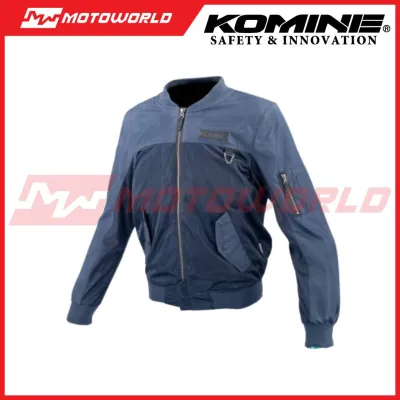
A half-mesh jacket that combines textile and mesh. Reflectors are effectively placed to improve visibility at night. Three-dimensional cutti…Read full reviewShow less
A half-mesh jacket that combines textile and mesh. Reflectors are effectively placed to improve visibility at night. Three-dimensional cutting is used to make it easier to assume a riding posture. It uses an inner protector that does not affect the silhouette while providing full protection. A garment that can be worn naturally, even after getting off the bike.
🔒Safety:feels secured wearing the jacket with padding on the elbow, shoulder, chest & back 🎧Comfort:went true to my size & its fits me well …Read full reviewShow less
🔒Safety:feels secured wearing the jacket with padding on the elbow, shoulder, chest & back 🎧Comfort:went true to my size & its fits me well paddings are where they should be 🛠️Durability:looks durable & could last a long time
🛠️Durability:I think it is durable because of the reputation of Komine that makes reliable riding gear 🎧Comfort:Upon wearing it is ver comfor…Read full reviewShow less
🛠️Durability:I think it is durable because of the reputation of Komine that makes reliable riding gear 🎧Comfort:Upon wearing it is ver comfortable 🔒Safety:with the enigma technology I am sure that is safe for category 1
🔒Safety:safety pads are basic and not as thick as others but it's better than none. 🎧Comfort:cool and comfortable mesh bomber jacket. perfec…Read full reviewShow less
🔒Safety:safety pads are basic and not as thick as others but it's better than none. 🎧Comfort:cool and comfortable mesh bomber jacket. perfect for hot and sunny rides at noon or in the afternoon.
Item arrived in good condition. Was surprised in came in a box
1 Lazada user ratings
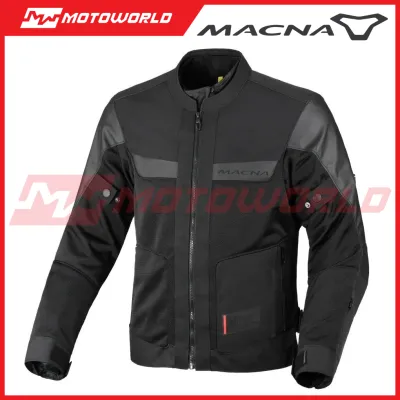
🛠️Durability: nice 🎧Comfort: nice 🔒Safety: safe
12 Lazada user ratings
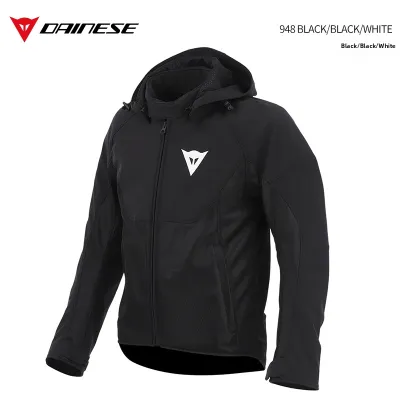
🎧Comfort: 10 🛡️Safety: 10 🛠️Durability: 10 🛡️Protection: 10 📏Fit: 10 🛠Adjustability: 10Breathable mesh design, Stylish design,
Perfect fit for men, Stylish design, Comfortable for summer, nice riding jacket. Thanks seller
They're really comfortable to wear and allow for easy movement.
10 Lazada user ratings
Overall, I’m satisfied with this purchase. Complete naman yung items and good quality for the price. However, may damage lang yung mesh part…Read full reviewShow less
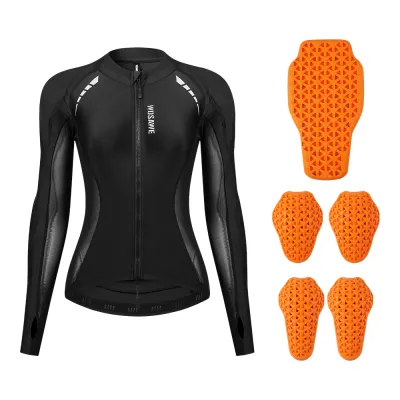
Overall, I’m satisfied with this purchase. Complete naman yung items and good quality for the price. However, may damage lang yung mesh part sa hand. Sana mas ma-check before shipping. Still okay and usable, but hoping for better quality control next time.
Slim fit design, High quality zipper. Really great armour for the price, very protective and fits perfectly
hello very small one me it's like xs can I change size XL
Prices are valid at publication and may change. Please refer to the product page for the latest price.
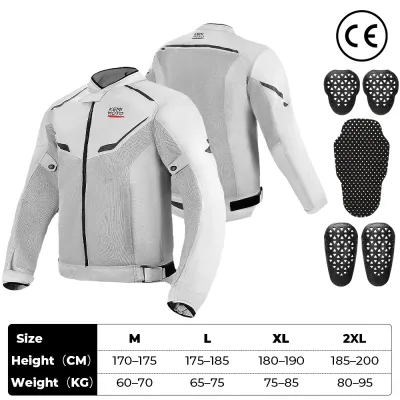
Regardless of the primary fabric, a jacket’s protective capability relies heavily on its integrated armor. When evaluating any jacket, check the manufacturer’s labels to verify the presence of impact protectors. Look for CE-rated armor (Level 1 or Level 2) at the shoulders, elbows, and back. These protectors absorb and distribute impact energy, which is critical because fabric alone cannot prevent impact injuries.
High-quality mesh jackets compensate for their open-weave design by incorporating heavy-duty textile panels in high-impact zones. These reinforced areas, typically located on the shoulders and outer elbows, ensure that the parts of the body most likely to contact the ground during a fall have robust abrasion protection. Always inspect the chassis of a mesh jacket to confirm that these reinforcements are present and securely stitched.
Managing Heat and Humidity in Tropical Conditions
Riding in a tropical climate presents unique challenges, particularly high humidity and intense solar radiation. Under these conditions, heat exhaustion is a real safety hazard that can slow a rider’s reaction times and impair decision-making. Managing body temperature is therefore not just a matter of comfort, but a critical aspect of active safety.

A mesh riding jacket is highly effective during low-speed commuting and when idling in heavy city traffic. In these scenarios, there is very little natural wind to force air through a garment. The open-weave construction of a mesh jacket allows body heat to escape passively, utilizing even the slightest ambient breeze to facilitate cooling. This continuous ventilation helps prevent sweat from building up and keeps the rider’s core temperature stable.
Textile jackets, on the other hand, rely on active ventilation systems. These systems consist of zippered intake vents, usually located on the chest, arms, or shoulders, and exhaust vents on the back. For these vents to work effectively, the motorcycle must be moving at a speed sufficient to force air into the jacket and pull heat out through the exhaust. When you are stopped at a traffic light or moving slowly through gridlock, this airflow stops, leading to rapid heat accumulation inside the jacket.
To enhance comfort under either type of jacket, wearing a high-quality, moisture-wicking synthetic base layer is highly recommended. Standard cotton shirts tend to absorb sweat and remain damp, which clings to the skin and blocks airflow. A technical base layer pulls moisture away from the body, promoting rapid evaporation and preventing the inner lining of the riding jacket from chafing against your skin.
Evaluating Abrasion Resistance and Weather Adaptability
When riding at higher speeds, such as on expressways or open provincial roads, the dynamics of safety shift. A fall at high speeds typically results in a longer slide across the pavement, making abrasion resistance the primary safety concern. In these situations, the structural integrity of the jacket’s outer shell is put to the test.
Textile jackets offer a clear advantage in high-speed slide protection. The dense, tightly woven fibers are highly resistant to tearing and melting under the extreme friction generated by asphalt. This durability ensures that the jacket remains intact throughout a slide, keeping the armor properly positioned and protecting the rider’s skin from severe road rash.
Standard mesh panels have physical limitations in severe abrasion scenarios. Under high-speed friction, lightweight mesh can tear or melt more quickly than heavy-duty textile. If your regular routes involve highway speeds, it is crucial to verify that any mesh jacket you consider features robust textile overlays on the shoulders and sleeves to handle the friction of a slide.
Weather adaptability is another key factor in tropical regions, where sudden downpours are common. A standard mesh jacket offers no resistance to rain; water passes directly through the open weave, soaking the rider instantly. Many textile jackets are designed with built-in waterproof membranes or include removable windproof and waterproof liners. These liners can be zipped inside the jacket to provide a barrier against rain and wind, making textile options highly versatile for changing weather conditions.
Additionally, riding in heavy rain or at night reduces visibility significantly. Regardless of the material you choose, ensure the jacket features integrated reflective elements or high-visibility accents. These reflective strips help other motorists spot you in low-light or low-visibility conditions, adding an important layer of passive safety to your rides.
Decision Framework: Matching the Jacket to Your Riding Style
Selecting the right jacket requires a realistic assessment of your daily riding habits, typical routes, and local weather patterns. There is no universal option, so your choice should align with the specific conditions you encounter most frequently.
You should choose a mesh riding jacket if your primary riding consists of daily city commuting, navigating dense urban traffic, and riding during the hottest parts of the day. The high passive airflow of a mesh jacket is indispensable for staying cool and alert in stop-and-go traffic, where active ventilation systems fail to provide sufficient cooling.
You should choose a textile riding jacket if your riding regularly involves highway speeds, long-distance touring, or frequent travel through mountainous areas where temperatures can drop and rain is common. The wind protection, water resistance, and high-speed abrasion resistance of a textile jacket make it much better suited for these demanding environments.
For riders who experience a mix of both environments, a hybrid riding jacket is an excellent alternative. These jackets feature large mesh panels on the chest and underarms to provide targeted cooling in traffic, while utilizing solid, high-denier textile on the shoulders, sleeves, and back to maintain high abrasion resistance. This design offers a balanced compromise for versatile riding needs.
Before making a final decision, perform a thorough fitment check. Put on the jacket with the layers you plan to wear underneath and sit on a motorcycle, or mimic your riding position. Ensure that the elbow and shoulder armor remains securely in place and does not shift away from your joints. The jacket should allow full range of motion in your arms and shoulders without feeling overly tight or excessively loose.
Pre-Purchase Checklist: Verifying Features and Fit
Before purchasing a riding jacket, use this structured checklist to evaluate specific models in-store or online:
- Armor Verification: Confirm that the jacket includes CE-certified protectors in the shoulders and elbows. Check the back pocket to see if a back protector is included or if you need to purchase a compatible CE-rated upgrade separately.
- Ventilation Layout: For textile jackets, inspect the placement of the intake and exhaust zippers. Ensure they are positioned to allow effective cross-flow cooling rather than just trapping air inside the garment.
- Weather Adaptability: Verify if the jacket includes a removable waterproof or windproof liner. Check the collar construction to ensure it features soft, comfortable material that will not cause chafing when wet or sweaty.
- Practical Details: Look for secure, zippered pockets to protect your phone, wallet, and documents from rain. Check for adjustable straps at the waist, cuffs, and biceps to customize the fit, and look for a connection zipper to secure the jacket to your riding pants.
Frequently Asked Questions (FAQ)
Can I wear a mesh jacket during the rainy season?
Yes, but you must prepare for wet weather. Because mesh fabric is entirely open to allow airflow, rain will pass directly through the jacket and soak your clothing. To stay dry, the most practical solution is to carry a lightweight, waterproof rain suit or rain jacket to wear over your mesh riding jacket when a downpour begins. Some mesh jackets come with a removable inner waterproof liner, but wearing the waterproof layer on the outside prevents the outer mesh shell from absorbing water and becoming heavy.
How do I clean and maintain a textile riding jacket?
To clean a textile riding jacket, first remove all CE-approved armor inserts from their internal pockets, as well as any removable liners. Close all zippers, pocket flaps, and hook-and-loop fasteners to prevent them from snagging. Hand wash the outer shell in cool water using a mild liquid detergent formulated for technical apparel, or machine wash on a gentle cycle if the manufacturer’s care label permits. Avoid using bleach, fabric softeners, or harsh chemical solvents, as these can degrade the fabric’s protective coatings and fibers. Always air-dry the jacket flat or hang it on a heavy hanger in a well-ventilated indoor area away from direct sunlight and high heat sources.
Community discussion
Share your experience or ask a question. Comments are reviewed before publication.