
When selecting engine oil, understanding the viscosity grade printed on the MG Red Shift oil package is essential for maintaining your vehicle’s health, especially under demanding driving conditions. Viscosity determines how easily the oil flows at low temperatures and how well it protects your engine components under extreme operating heat. By learning to read the technical specifications on the packaging, you can ensure your engine receives the precise lubrication it needs to prevent premature wear and optimize fuel efficiency.
Identifying the Viscosity Grade on the MG Red Shift Oil Package
To find the viscosity grade, look closely at the front label of the MG Red Shift oil package. The Society of Automotive Engineers (SAE) viscosity grade is typically displayed in a prominent multi-grade format, such as 5W-30, 5W-40, or 10W-40. This alphanumeric code is the most critical technical indicator of how the fluid behaves under different thermal conditions.
It is important to distinguish between the oil’s marketed product name and its actual technical specifications. While “Red Shift” represents the specific product line or branding, it does not dictate the oil’s physical properties. Always rely on the SAE numbers rather than the marketing terms when determining if the oil is suitable for your vehicle.
Products mentioned in this guide
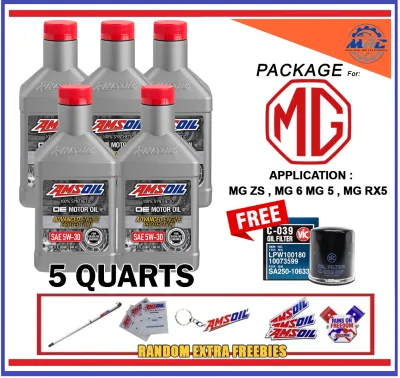
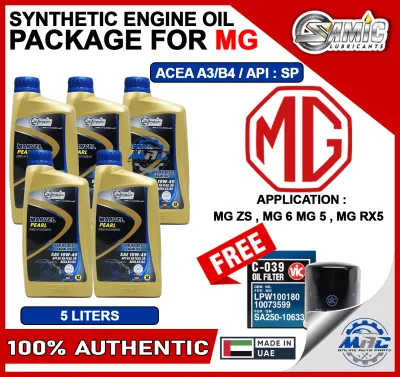
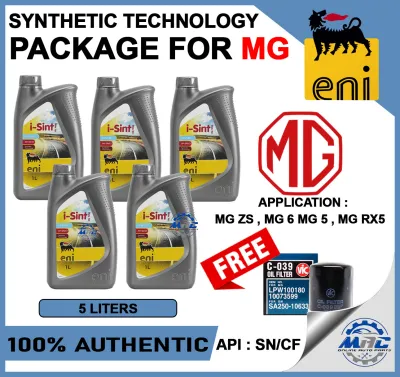
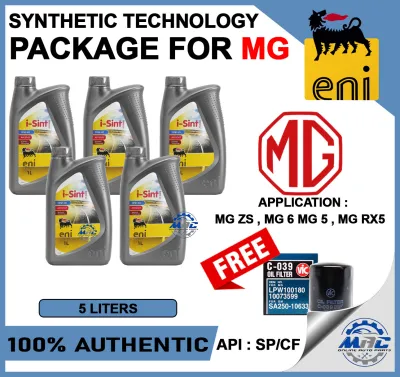
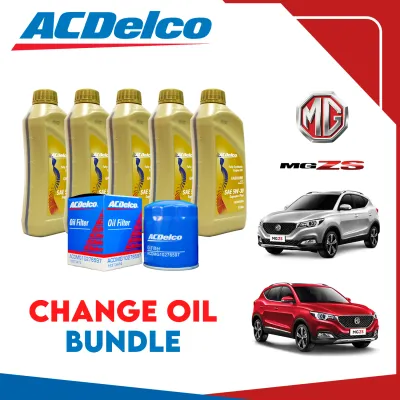
Prices are valid at publication and may change. Please refer to the product page for the latest price.
In addition to the viscosity grade, you should check the package for international certification marks. Look for the American Petroleum Institute (API) service symbol, often referred to as the API Donut, or the European Automobile Manufacturers’ Association (ACEA) ratings. These symbols confirm that the oil has undergone rigorous testing and meets global standards for engine protection, deposit control, and fuel economy.
How Viscosity Numbers Translate to Engine Protection
The numbers on the oil package represent a dual-temperature rating system designed to protect your engine across a wide operating range. The first number, followed by the letter “W,” stands for the “Winter” or cold-flow rating. This rating measures the oil’s resistance to flow when the engine is cold.

Even in a tropical climate like the Philippines, where freezing temperatures do not occur, the cold-start rating remains highly relevant. When your vehicle sits idle overnight, the oil drains back into the oil pan, leaving internal components temporarily dry. During startup, a lower “W” rating, such as 5W, ensures the oil flows rapidly to the cylinder head and overhead cams, minimizing initial metal-on-metal friction and wear.
The second number in the viscosity grade represents the oil’s thickness at 100°C, which is the standard operating temperature of a fully warmed engine. In hot tropical environments, high ambient temperatures combined with heavy stop-and-go traffic place immense thermal stress on the engine. A higher high-temperature number, such as 40, indicates a thicker oil film that maintains its structural integrity under extreme heat, preventing critical components from grinding together.
Modern multi-grade oils achieve this versatility through the use of viscosity index improvers. These specialized polymer additives expand as the engine heats up, preventing the oil from thinning out excessively. This allows the fluid to remain thin enough for quick circulation during startup while remaining thick enough to provide a robust protective barrier under heavy loads.
Verifying the Oil Against Your Vehicle's Requirements
Before purchasing or adding any oil to your engine, always consult your vehicle’s owner’s manual to verify the recommended SAE viscosity grade and the exact oil capacity. Using an oil that does not align with the manufacturer’s specifications can lead to severe mechanical issues and may void your vehicle’s warranty.
Using an oil that is too thick for your engine can restrict flow through the incredibly narrow oil passages found in modern engines. This restriction forces the oil pump to work harder, which decreases fuel economy and increases internal engine stress. It can also delay lubrication to critical components like variable valve timing (VVT) systems, leading to sluggish performance or check engine lights.
Conversely, using an oil that is too thin under high-load or high-temperature conditions can result in an inadequate oil film. Without a sufficient barrier, moving parts can experience accelerated wear, leading to costly repairs over time. Always check the back of the MG Red Shift oil package for specific original equipment manufacturer (OEM) approvals to ensure compatibility with your vehicle’s specific engine design. If you are uncertain about the correct specifications or the oil change process, consult a qualified professional mechanic before proceeding.
Recognizing When Your Engine Needs an Oil Change
Regularly checking your engine oil is a fundamental aspect of preventative vehicle maintenance. To perform a visual inspection, park your vehicle on a level surface, turn off the engine, and let it cool down. Pull out the dipstick, wipe it clean with a lint-free cloth, reinsert it fully, and pull it out once more to observe the oil level and condition.
The oil level should sit comfortably between the minimum and maximum indicator marks on the dipstick. Fresh engine oil typically has a clear, amber appearance. As the oil circulates, it naturally suspends soot, dirt, and combustion byproducts, causing it to turn dark brown or black.
While dark oil is a sign that the detergent additives are working, oil that feels gritty, looks extremely thick, or has a milky texture indicates severe contamination or coolant intrusion. Additionally, if you notice changes in engine sound, such as increased valve chatter, ticking noises, or a rougher idle, the oil may have degraded and lost its lubricating efficiency.
Do not rely solely on visual inspections to determine when to change your oil. Always follow the mileage or time-based service intervals recommended by your vehicle manufacturer. In tropical environments with high humidity and frequent short-distance driving, oil can degrade more rapidly due to moisture accumulation, making regular oil changes essential for long-term engine health.
Frequently Asked Questions (FAQ)
Can I mix different viscosity grades if I need to top up the oil?
In an emergency situation where your oil level is dangerously low, topping up with a different viscosity grade is acceptable to prevent dry running and catastrophic engine damage. However, mixing different grades can alter the overall viscosity and dilute the specific additive packages of both oils, reducing their effectiveness. It is highly recommended to perform a complete oil and filter change as soon as possible after an emergency top-up to restore the correct, uniform viscosity grade recommended for your engine.
Does a higher viscosity number always mean better engine protection?
No, a higher viscosity number does not automatically guarantee better engine protection. Modern engines are engineered with extremely tight clearances between moving parts, requiring thinner oils to flow efficiently and lubricate tight spaces. Using an excessively thick oil in an engine designed for low-viscosity fluids can restrict oil flow, increase operating temperatures, reduce fuel efficiency, and cause accelerated wear during cold starts. Always adhere to the viscosity grade specified by your vehicle’s manufacturer.
Community discussion
Share your experience or ask a question. Comments are reviewed before publication.