
Quick Answer: Which Engine Oil Brand Should You Choose?
Selecting the ideal engine oil in the Philippines depends heavily on your vehicle manufacturer’s specifications, typical driving conditions, and budget. There is no single “best” brand for every car, as each option serves a distinct purpose. If you own an MG vehicle and want to maintain your factory warranty with maximum convenience during dealership Preventive Maintenance Service (PMS), mg red shift engine oil is the logical, OEM-aligned choice. It is formulated to match the specific needs of MG engines.
Conversely, aftermarket brands like Shell, Castrol, and Motul offer broader compatibility and specialized formulations. Shell excels in active engine cleaning and fuel efficiency; Castrol provides robust wear protection for daily wear and tear; Motul delivers high-temperature thermal stability for performance cars and demanding driving cycles. Ultimately, matching the correct viscosity grade (like 5W-30 or 0W-20) and industry certifications (such as API SP or ACEA C3) outlined in your owner’s manual is far more critical than the brand logo on the bottle.
Brand Profiles: MG Red Shift vs. Shell, Castrol, and Motul
Understanding the market positioning and reputation of each brand helps narrow down your choices before looking at specific technical datasheets.
Products mentioned in this guide
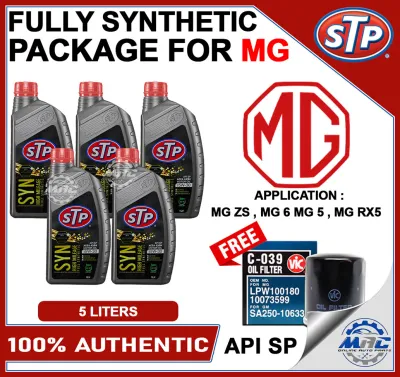
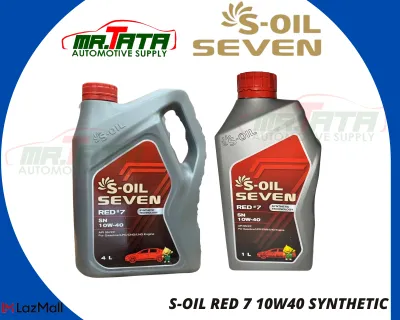
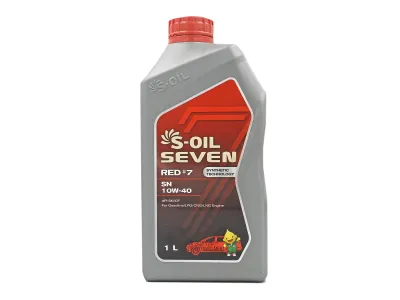
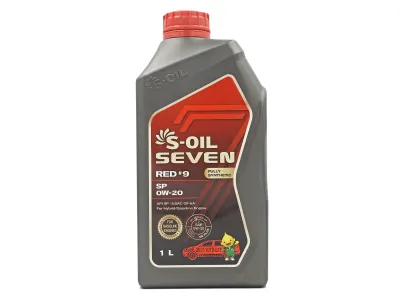
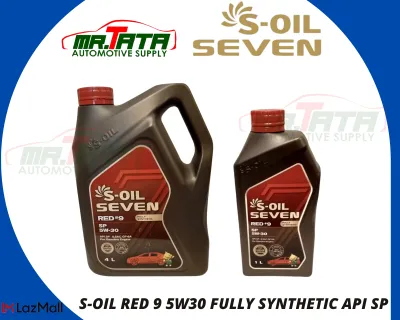
Prices are valid at publication and may change. Please refer to the product page for the latest price.

MG Red Shift: The OEM and Branded Contender
MG Red Shift is the proprietary or co-branded engine oil distributed through authorized MG dealerships and service centers in the Philippines. It is tailored to meet the exact engineering standards of SAIC Motor, the parent company of MG. Because it is formulated specifically for the powertrains found in popular local models like the MG ZS, MG 5, and MG GT, it eliminates the guesswork of matching obscure European or Asian manufacturer specifications.
Before buying or requesting this oil outside the dealership, always inspect the product label. Viscosity grades and specific API/ACEA certifications can vary depending on the local distributor’s formulation partner. Its primary value lies in absolute warranty compliance and seamless integration with your dealership’s service schedule.
Shell, Castrol, and Motul: The Aftermarket Specialists
Shell is a global giant known for its innovative base oil technology. Its flagship Helix range utilizes patented PurePlus Technology, which converts natural gas into a crystal-clear base oil with virtually none of the impurities found in crude oil. This results in superior viscosity stability, lower volatility, and excellent active cleansing properties, making it highly effective at preventing sludge buildup in hot, humid climates.
Castrol, under the BP umbrella, is synonymous with advanced wear protection. Its Magnatec line features intelligent molecules that cling to critical engine parts even when the engine is turned off, providing a protective layer during the crucial warm-up phase. For higher-end performance, Castrol EDGE utilizes Fluid Titanium technology to physically transform its structure under extreme pressure, reducing friction and maximizing engine response.
Motul, a pioneer in synthetic lubricants, is highly revered by automotive enthusiasts and motorsport teams. Motul is famous for its Ester Technology, particularly in its flagship 300V racing line, which uses synthetic esters to create an exceptionally strong oil film that resists high temperatures and shear stress. For daily drivers, their 8100 and H-Tech series provide robust, fully synthetic protection that exceeds standard OEM requirements.
Critical Comparison Dimensions for MG Red Shift Engine Oil and Competitors
To make an objective decision, you must look past marketing claims and compare the technical specifications of these oils.
Viscosity Grades The Society of Automotive Engineers (SAE) rating (e.g., 0W-20, 5W-30, 5W-40) indicates how an oil flows at low and high temperatures. The number preceding the “W” (Winter) denotes cold-flow properties, while the trailing number represents viscosity at operating temperature (100°C). In the tropical, high-humidity climate of the Philippines, cold-start performance is less about freezing temperatures and more about rapid oil circulation upon startup. However, the operating viscosity is crucial. Modern engines are built with tight tolerances and often require thin oils like 0W-20 or 5W-30 to maximize fuel efficiency and ensure proper lubrication. Always consult your vehicle’s manual; using an excessively thick oil in a modern turbocharged engine can cause oil starvation and catastrophic wear.
Industry Standards (API, ACEA, ILSAC) Engine oils must meet rigorous performance standards set by international bodies. The American Petroleum Institute (API) standard is currently at API SP, which introduces specific protections against Low-Speed Pre-Ignition (LSPI)—a common and destructive phenomenon in small-displacement, turbocharged direct-injection (TGDI) gasoline engines. European cars typically demand ACEA (Association des Constructeurs Européens d’Automobiles) standards, such as ACEA C3 or C5, which are formulated to protect exhaust after-treatment systems like catalytic converters and diesel particulate filters (DPFs). When comparing MG Red Shift to aftermarket options, verify that the oil bottle displays the exact certification (e.g., API SP, ILSAC GF-6A) required by your car’s manufacturer.
Base Oil Composition Engine oils are categorized into three main types: mineral, semi-synthetic (synthetic blend), and fully synthetic. Mineral oil is refined directly from crude oil and offers basic protection but breaks down quickly under high heat. Semi-synthetics offer a balance of performance and affordability. Fully synthetic oils are chemically engineered to provide the highest level of thermal stability, oxidation resistance, and wear protection. When comparing MG Red Shift engine oil with Shell Helix Ultra, Castrol EDGE, or Motul 8100, ensure you are comparing fully synthetic to fully synthetic. A premium fully synthetic oil will consistently outperform a semi-synthetic blend in resisting thermal breakdown under the extreme heat of Philippine traffic.
Price and Value In the Philippine market, engine oil prices vary widely. Standard mineral oils can cost as low as ₱250 to ₱350 per liter, while high-quality semi-synthetics range from ₱400 to ₱600 per liter. Fully synthetic options from mainstream brands like Shell and Castrol typically retail between ₱600 and ₱1,100 per liter. Premium, enthusiast-grade synthetics like Motul can range from ₱900 to over ₱1,500 per liter. While MG Red Shift engine oil is typically sold as part of a bundled PMS package at authorized dealerships—which includes labor, oil filters, and multi-point inspections—its standalone value must be weighed against aftermarket alternatives. If you service your vehicle outside the dealership network, aftermarket brands often provide more cost-effective options or superior additive packages for the same price point.
Matching the Oil to Your Vehicle and Driving Conditions
Selecting the right brand and product line depends heavily on your daily driving environment and vehicle usage.
Daily Commuting and Stop-and-Go Traffic
Driving in highly congested Philippine urban areas like Metro Manila, Cebu, or Davao exposes your engine to severe operating conditions. Constant idling, frequent acceleration, and low-speed driving prevent the engine from reaching its optimal operating temperature efficiently, leading to fuel dilution and accelerated sludge formation.
For these punishing conditions, you need an engine oil with exceptional thermal stability and active cleaning agents. Shell Helix Ultra with PurePlus Technology is highly optimized for urban commuting, as its gas-to-liquid base oil resists evaporation and actively prevents carbon deposits from settling on vital engine components. Similarly, Castrol Magnatec is highly effective for stop-and-go driving, as its clinging molecules provide continuous protection during frequent stop-start cycles.
If you drive a modern MG vehicle, MG Red Shift engine oil is perfectly suited for these daily commuting scenarios. It is engineered to meet the thermal demands of MG’s turbocharged and naturally aspirated engines, ensuring that your daily drive to work does not compromise engine longevity, provided you adhere to the recommended service intervals.
High-Performance and Heavy-Load Driving
If you frequently drive on open expressways (like NLEX, SLEX, or TPLEX), carry heavy passenger or cargo loads, or drive an enthusiast vehicle spiritfully, your engine demands a highly robust lubricant. Under high loads and elevated RPMs, the oil film between moving parts is subjected to extreme shear forces and intense heat.
In this high-performance arena, Motul is a standout choice. Its ester-based synthetic formulations, such as those found in the Motul 300V or high-end 8100 series, offer an incredibly high High-Temperature High-Shear (HTHS) viscosity. This means the oil maintains its protective film thickness even under extreme mechanical stress, preventing metal-on-metal contact. Castrol EDGE and Shell Helix Ultra also offer dedicated performance formulations that cater to high-load demands.
However, a word of caution: using an ultra-high-viscosity racing oil (like a 15W-50 or 10W-60) in a standard commuter car that calls for 0W-20 is highly counterproductive. It will increase internal engine drag, reduce fuel economy, and potentially cause oil starvation during cold starts because the oil is too thick to flow quickly through narrow oil passages. Always align the performance tier with the viscosity range recommended by your manufacturer.
How to Verify Compatibility and Avoid Counterfeits
Protecting your engine requires diligent verification of product specifications and careful purchasing habits.
Checking the Manual Before purchasing any engine oil, your first step must always be to consult your vehicle’s owner’s manual. The manual is the ultimate authority on your engine’s requirements. It will specify the required SAE viscosity grade and the necessary performance standards (such as API, ACEA, or proprietary OEM approvals like VW 502.00/505.00 or MB-Approval 229.5). If your vehicle is under warranty, using an oil that does not meet these exact specifications can give the manufacturer grounds to deny warranty claims in the event of engine failure. If the owner’s manual and the oil bottle’s label present conflicting information, or if you are unsure of your vehicle’s specific requirements, stop and consult an authorized professional or the vehicle manufacturer before pouring the oil into your engine.
Warranty Considerations A common misconception among car owners in the Philippines is that using any aftermarket engine oil automatically voids the vehicle’s factory warranty. Under local consumer protection guidelines, using an aftermarket brand like Shell, Castrol, or Motul does not void your warranty, provided the oil meets or exceeds the exact technical specifications and certifications required by the manufacturer. However, using MG Red Shift engine oil at an authorized MG dealership simplifies the entire ownership experience. It guarantees that the oil used is fully approved, and the dealership maintains a centralized digital record of your maintenance history, making any potential warranty claims straightforward and hassle-free.
Avoiding Fakes The Philippine automotive market has seen a rise in counterfeit engine oils, which are often packaged in recycled bottles and filled with cheap, low-grade mineral oils. Using counterfeit oil can lead to rapid engine wear, severe sludge buildup, and catastrophic engine failure. To protect your engine, never buy engine oil based solely on an unusually low price. Purchase your oil only from authorized physical dealerships, official brand flagship stores on reputable online marketplaces, or well-established, highly rated automotive supply shops. When purchasing, inspect the bottle closely: look for intact tamper-evident security seals, clear holographic labels, and distinct batch codes printed on the bottle. Many brands, like Shell, feature QR codes on the cap that allow you to verify the product’s authenticity online.
Final Decision Framework: When to Choose Which Brand
To help you make the right choice, use this conditional framework based on your vehicle type, driving habits, and maintenance preferences:
- Choose MG Red Shift if: You own an MG vehicle, prefer the convenience of having your vehicle serviced at an authorized dealership, and want absolute peace of mind regarding factory warranty compliance without having to cross-reference complex aftermarket specifications.
- Choose Shell or Castrol if: You need a widely available, reliable fully synthetic or semi-synthetic oil for daily commuting in typical Philippine traffic, and prefer servicing your vehicle at independent shops or doing it yourself.
- Choose Motul if: You drive a high-performance, turbocharged, or modified vehicle, frequently participate in track days or high-load driving, or specifically seek ester-based synthetic formulations for extreme thermal stability and shear protection.
- Verify first if: Your vehicle requires a highly specific manufacturer approval code (common in European brands like BMW, Mercedes-Benz, or Volkswagen) or if you drive a modern diesel vehicle equipped with a Diesel Particulate Filter (DPF), which strictly requires a low-SAPS (Sulfated Ash, Phosphorus, and Sulfur) formulation to prevent filter clogging.
Frequently Asked Questions (FAQ)
Can I mix MG Red Shift with Shell or Castrol oil?
While mixing engine oils of the same viscosity grade and API/ACEA standard is generally safe in emergency situations to top up a low oil level, it is not recommended for long-term use. Different brands use proprietary additive packages that may not be fully compatible, potentially reducing the overall effectiveness of the lubricant. For optimal performance and protection, always perform a complete oil and filter change when switching from one brand to another.
Does using an aftermarket brand like Motul void my car’s warranty?
No, using an aftermarket oil brand like Motul, Shell, or Castrol does not void your vehicle’s warranty, provided the oil meets or exceeds the exact viscosity and performance specifications (such as the API or ACEA rating) specified in your owner’s manual. To ensure your warranty remains intact, always keep the official purchase receipts and detailed service records as proof that the correct oil was used during maintenance.
Community discussion
Share your experience or ask a question. Comments are reviewed before publication.