
Selecting the correct mg zs transmission fluid is not as straightforward as picking a generic bottle off an auto parts store shelf. Because the MG ZS has been released with multiple transmission designs over the years, the correct fluid depends entirely on the specific variant you drive. Using the wrong fluid can lead to catastrophic internal damage, making it essential to identify whether your vehicle requires Automatic Transmission Fluid (ATF) or Continuously Variable Transmission Fluid (CVTF).
In the tropical climate of the Philippines, where stop-and-go city traffic in Metro Manila and high ambient temperatures place immense thermal stress on your drivetrain, transmission fluid health is paramount. Operating a vehicle with degraded or incorrect fluid accelerates wear on internal components, leading to sluggish performance and expensive repairs. To keep your crossover running smoothly, you must understand your vehicle’s specific mechanical requirements and follow the manufacturer’s exact lubrication standards.
Identify Your MG ZS Transmission Type First
Before you purchase any fluid, you must determine the exact transmission type installed in your MG ZS. The MG ZS nameplate covers several distinct mechanical configurations across different model years, engine options, and trim levels. For example, older 1.5-liter naturally aspirated variants typically feature a traditional 4-speed automatic transmission (AT). Newer iterations of the 1.5-liter model, such as those equipped with updated styling or specific trim packages, utilize a Continuously Variable Transmission (CVT). Meanwhile, the turbocharged MG ZST (featuring the 1.3-liter turbo engine) is paired with a modern 6-speed automatic transmission.
Products mentioned in this guide
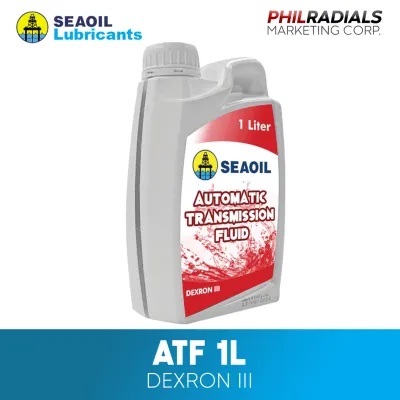
Prices are valid at publication and may change. Please refer to the product page for the latest price.
To identify your specific transmission type, you can use several practical methods:
- Examine the Gear Shifter and Cluster: Look closely at your gear selector and instrument cluster. A traditional automatic often has marked gear positions or a manual shift gate that lets you select specific gears (like 1, 2, or 3), while a CVT shifter typically features a standard PRND layout with a sport (S) or manual (M) mode that simulates virtual gear ratios rather than physical gear shifts.
- Observe Transmission Behavior: Pay attention to how the vehicle accelerates. A 4-speed or 6-speed automatic will have distinct, noticeable RPM drops as the transmission shifts through physical gears. A CVT will provide a smooth, continuous rise in speed with the RPMs holding steady at an optimal range during acceleration.
- Check Vehicle Documentation: Review your vehicle's original sales invoice, official registration documents (such as the Certificate of Registration or CR), or the original owner's manual packet, which lists the exact engine and transmission specifications for your trim.
Assuming your transmission type based solely on the “MG ZS” badge is a critical error. Because different model years and regional trims feature completely different gearboxes, buying fluid without verifying your specific variant can result in purchasing an incompatible product that is physically and chemically unsuited for your vehicle.
Understand the Difference Between ATF and CVTF
To understand why using the correct fluid is so critical, you must look at the mechanical differences between stepped automatic transmissions and CVTs. A traditional automatic transmission (such as the 4-speed or 6-speed units found in some MG ZS variants) relies on a complex system of planetary gear sets, hydraulic valves, and wet clutch packs. The transmission shifts gears by engaging and disengaging these clutch packs. Automatic Transmission Fluid (ATF) is formulated to provide precise friction modulation, allowing the clutches to slip slightly during engagement for smooth shifts while protecting the metallic gears from wear under heavy loads.

In contrast, a Continuously Variable Transmission (CVT) does not have physical gears. Instead, it uses a high-tension steel belt or chain wrapped around two variable-diameter pulleys. To transfer power without slipping, the fluid in a CVT must perform a highly specialized task: it must provide extremely high friction between the steel belt and the smooth metal pulleys under immense clamping force. Continuously Variable Transmission Fluid (CVTF) is engineered specifically for this high-friction metal-on-metal contact, alongside specialized shear stability to prevent the fluid from breaking down under the intense pressure generated within the CVT pump.
Because of these opposing engineering requirements, ATF and CVTF are chemically incompatible:
- ATF in a CVT: If you put traditional ATF into a CVT, the fluid will not provide the necessary friction coefficient between the belt and the pulleys. The steel belt will slip, causing rapid wear, severe overheating, and eventual destruction of the pulley faces.
- CVTF in an Automatic: If you put CVTF into a stepped automatic transmission, the high-friction additives can disrupt the controlled slippage of the clutch packs, leading to harsh shifting, clutch glaze, and hydraulic system malfunctions.
Never use ATF in a CVT or CVTF in a traditional automatic transmission under any circumstances. Furthermore, simply buying a bottle because it says “ATF” or “CVTF” is not enough. You must match the exact viscosity grades and OEM specifications required by the manufacturer, as modern transmissions are highly sensitive to fluid thickness and additive chemistry.
How to Find the Exact MG ZS Transmission Fluid Specification
Locating the precise transmission fluid specification, certification standard, and fluid capacity for your MG ZS requires a methodical approach. Your primary and most authoritative source of information is always the vehicle’s Owner’s Manual. The technical specifications section at the back of the manual outlines the exact OEM part numbers, approved fluid standards (such as specific AW-1 or CVTF specifications), and the correct drain-and-fill capacities.
In addition to the manual, you can check the vehicle itself for physical indicators. Some vehicles feature a transmission dipstick under the hood, or a filler plug located on the transmission casing, which may have the required fluid type or specification code stamped directly onto the metal or plastic cap.
If you are still uncertain, the safest course of action is to contact an authorized MG dealership or service center in the Philippines. By providing them with your vehicle’s unique 17-digit Vehicle Identification Number (VIN)—which can be found on your dashboard, door jamb, or registration papers—the service advisors can pull up the exact factory build sheet for your car and confirm the precise fluid required.
Avoid relying solely on generic auto parts store lookup tools, third-party mobile apps, or online enthusiast forums. While these resources can be helpful for general research, they often aggregate global data that may not account for regional market differences, local trim packages, or mid-year production changes specific to vehicles sold in the Philippine market.
Before performing any fluid maintenance, always verify that the product label on the fluid bottle explicitly matches the specification listed in your owner’s manual. If you encounter conflicting information between the product label and your vehicle manufacturer’s instructions, do not proceed. Stop immediately and consult an authorized MG technician or a qualified automotive professional.
What Happens If You Use the Wrong Transmission Fluid
Operating your MG ZS with the wrong transmission fluid introduces severe mechanical and financial risks. Mechanically, incompatible fluid leads to immediate performance degradation. In a stepped automatic, you may experience erratic shifting, severe hesitation, clutch slippage, or violent shuddering during gear changes. In a CVT, the belt will begin to slip against the pulleys, causing the engine to rev high without transferring power to the wheels, leading to extreme internal heat and catastrophic component failure.
Beyond physical damage, using an unapproved or incorrect fluid will void your vehicle’s powertrain warranty. If a transmission failure occurs and the dealership’s laboratory analysis reveals that the fluid does not meet OEM specifications, you will be held entirely responsible for the replacement costs, which can easily run into tens of thousands of pesos.
If you discover that the wrong transmission fluid has been added to your vehicle, do not start the engine or attempt to drive. Starting the car will circulate the incorrect fluid through the torque converter, valve body, and cooler lines, making it much harder to clean out. Instead, have the vehicle towed directly to a professional service center where a qualified technician can perform a complete transmission flush and refill the system with the correct, manufacturer-approved fluid.
Frequently Asked Questions (FAQ)
Can I mix different brands of transmission fluid if they meet the same specification?
While fluids that strictly meet the exact same OEM specification are generally compatible, it is best practice to avoid mixing different brands during minor top-ups. Different manufacturers use unique additive packages that, while compatible on paper, can interact unpredictably when mixed. For optimal performance and longevity, especially under the demanding driving conditions of the Philippines, stick to a single brand or perform a complete drain and fill to ensure fluid uniformity.
Does the MG ZS EV require transmission fluid?
No, the fully electric MG ZS EV does not use a traditional multi-speed automatic or CVT transmission, and therefore does not require standard ATF or CVTF. Instead, it utilizes a single-speed reduction gear assembly to transfer power from the electric motor to the drive wheels. This reduction gear unit requires a highly specific type of gear oil. Always consult your EV-specific owner’s manual or visit an authorized MG electric vehicle service center to confirm the correct lubricant specification and service intervals for the electric drivetrain.
Community discussion
Share your experience or ask a question. Comments are reviewed before publication.