
Upgrading your Yamaha Mio Sporty with a 59mm cylinder block is a popular way to boost acceleration and climbing power. However, moving from the stock 50mm bore to a 59mm setup is not a simple plug-and-play job. It requires a clear understanding of physical engine clearances, critical supporting modifications to your fuel and transmission systems, and a willingness to accept more frequent maintenance. Without these supporting adjustments, a larger bore can lead to severe engine overheating, fuel starvation, or premature component failure.
Understanding the 59mm Bore Upgrade
Upgrading to a 59mm cylinder block increases the inner diameter of the cylinder while retaining the stock 57.9mm stroke of the Mio Sporty engine. This modification increases the engine’s displacement from the stock 113cc to approximately 158cc. This significant jump alters the engine’s compression ratio, allowing it to draw in more air and fuel for a more powerful combustion cycle.
Before purchasing a big bore kit, you must verify its physical compatibility with your Mio Sporty’s crankcase. Some 59mm cylinder sleeves feature a thin outer wall that fits directly into the stock crankcase opening without machining. Other kits feature thicker sleeves that require the crankcase mouth to be bored out. Always measure the outer diameter of the new cylinder sleeve and compare it to your crankcase’s inner clearance before purchasing.
Products mentioned in this guide
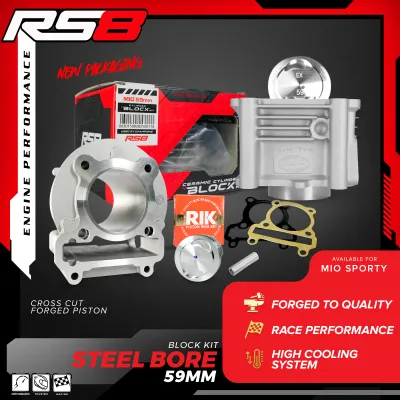
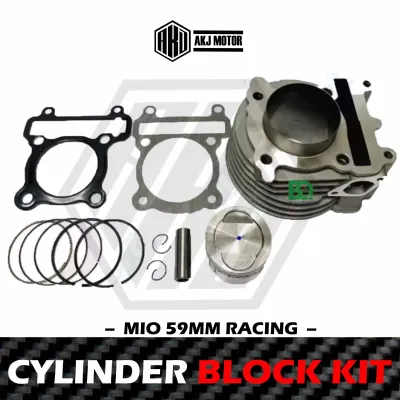
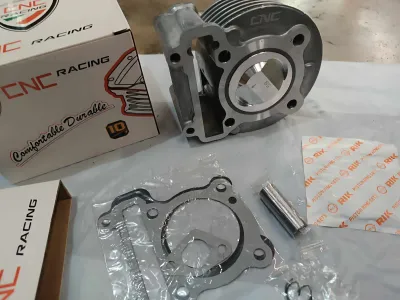
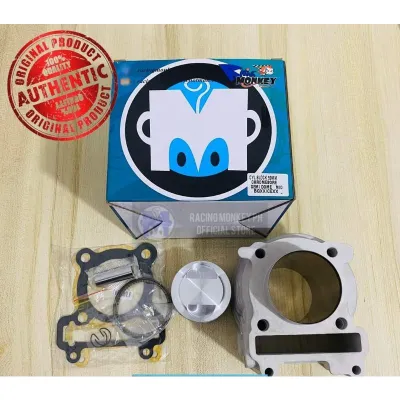
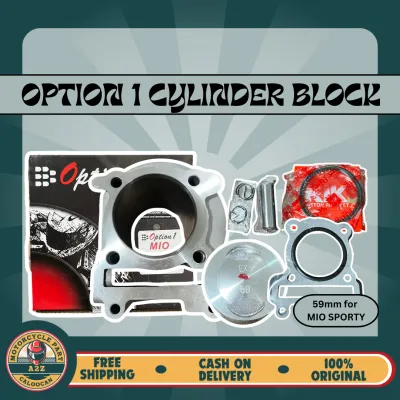
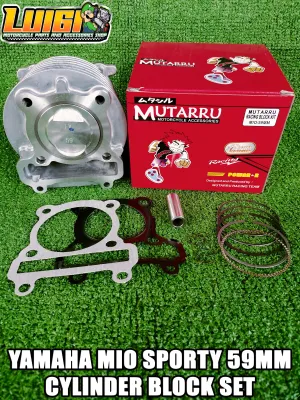
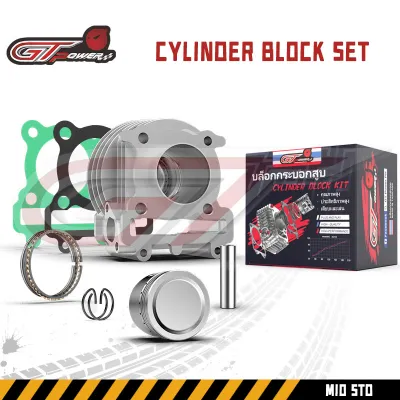
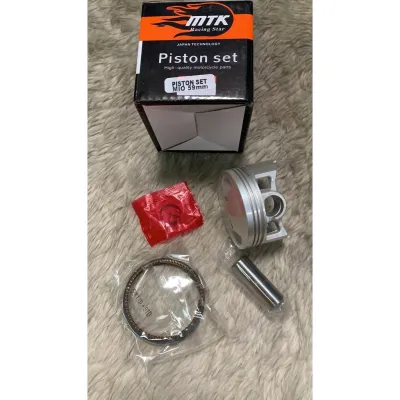
Prices are valid at publication and may change. Please refer to the product page for the latest price.
A standard 59mm big bore kit typically includes the cylinder block, piston, rings, wrist pin, clips, and gaskets. However, a complete upgrade requires additional parts rarely included in basic kits. You must source high-tension valve springs, upgraded cylinder head gaskets, and a colder spark plug separately to handle the increased heat.
Essential Supporting Modifications
The stock carburetor on the Mio Sporty is calibrated for 113cc and cannot supply enough fuel for a 158cc setup. Running a 59mm block on stock jetting causes a lean air-fuel mixture, leading to extreme engine heat. To prevent this, you must re-jet your stock carburetor or upgrade to a larger aftermarket carburetor, such as a 24mm or 28mm flat-slide model.

A larger engine requires more airflow. The stock intake manifold and airbox elbow restrict air volume, making a high-flow intake pipe highly recommended. On the exhaust side, the narrow stock header pipe chokes the engine by restricting gas scavenging. Installing an aftermarket exhaust pipe with a larger manifold diameter is essential to let spent gases exit freely.
The increased torque of a 59mm block shifts the engine’s power band, meaning your Continuously Variable Transmission (CVT) must be retuned. Stock roller weights (flyballs) and clutch springs are not optimized for this new curve. You must experiment with lighter roller weights to maintain acceleration and install a stiffer center spring to prevent belt slippage.
Because the Mio Sporty is carbureted, precise manual tuning of the carburetor’s fuel screw, needle, and jets is mandatory. If you are modifying a fuel-injected variant of the Mio platform, you will instead need an aftermarket Engine Control Unit (ECU) or fuel controller to reprogram the fuel injection duration.
Performance Gains vs. Reliability Trade-Offs
A properly tuned 59mm block upgrade delivers a massive increase in low-end torque and mid-range acceleration. This extra power makes overtaking, carrying a pillion passenger, and climbing steep inclines much easier. While top-end speed also improves, the actual increase depends heavily on your CVT tuning and final drive gear ratios rather than the block alone.
However, this performance boost compromises engine longevity and thermal management. The tropical climate and heavy stop-and-go traffic in the Philippines place a severe thermal load on an air-cooled engine. A 59mm block generates significantly more heat, increasing internal friction and overheating risks. To safeguard your engine, use high-quality synthetic engine oil and ensure the cooling fan and shrouds are fully functional.
You must also prepare for higher running costs and demanding maintenance. The larger displacement increases fuel consumption, reducing overall mileage. Furthermore, routine maintenance intervals must be shortened; you will need more frequent oil changes to flush out contaminants and regular valve clearance checks to prevent valve recession.
Installation Safety and Professional Requirements
Assembling an engine block requires strict adherence to precision tolerances. You must use a calibrated torque wrench to tighten cylinder head bolts in a cross pattern to the manufacturer’s specified limits, as uneven tightening can warp the cylinder. Additionally, verify the piston ring end gap and piston-to-wall clearance using feeler gauges before assembly to prevent the rings from binding under heat.
A meticulous break-in procedure is critical for long-term reliability. For the first few hundred kilometers, avoid riding at a constant high speed or carrying heavy loads. Vary your engine speed during rides to help the new piston rings seat properly against the cylinder wall, and perform an early oil change after the first 100 to 200 kilometers to remove metallic wear particles.
If you do not possess a torque wrench, feeler gauges, or the technical knowledge to set the engine to Top Dead Center (TDC) for proper valve timing, do not attempt a DIY installation. Incorrect timing can lead to catastrophic engine failure, such as valves colliding with the piston. Have the installation and tuning performed by a qualified motorcycle mechanic or professional engine builder.
Frequently Asked Questions (FAQ)
Will a 59mm block fit my specific Mio Sporty model year?
Most 59mm big bore kits fit the standard Yamaha Mio Sporty equipped with the 115cc carbureted engine, as the crankcase design remained consistent across production years. However, always cross-reference your specific engine code with the block manufacturer’s official fitment guide before purchasing. If you own a later fuel-injected variant under the Mio line, the cylinder block mounting points and sensor mounts will differ, requiring a different kit.
Do I need to upgrade the clutch for a 59mm setup?
While you do not need to replace the entire clutch assembly immediately, the stock clutch may slip under the increased torque of a 59mm block. Signs of slippage include high engine RPMs during hard acceleration without a corresponding increase in road speed. Inspect your stock clutch linings and bell for wear, and consult a professional tuner about installing stiffer clutch springs or a high-friction aftermarket clutch assembly.
Community discussion
Share your experience or ask a question. Comments are reviewed before publication.