
Choosing the correct hydraulic fluid for your vehicle’s braking system is one of the most critical maintenance decisions you can make. The choice between standard DOT3 and a higher-specification option like Mitsubishi DOT4 brake fluid directly affects your vehicle’s stopping power, thermal safety, and component longevity. The correct choice depends strictly on your vehicle manufacturer’s specification, which is located in your owner’s manual or stamped directly onto the brake fluid reservoir cap.
While upgrading a system designed for DOT3 to DOT4 is generally safe and often highly beneficial, downgrading a system that requires DOT4 to DOT3 is a severe safety hazard. Doing so can cause the fluid to boil under normal operating loads, leading to sudden brake fade or complete system failure. For any Mitsubishi vehicle, verifying the exact factory requirement is the mandatory first step before purchasing any fluid or scheduling a system flush. The ideal fluid is not a matter of personal preference, but rather a reflection of your vehicle’s specific hydraulic engineering and thermal requirements.
Core Differences: Boiling Points, Moisture, and Performance
To understand why choosing the right fluid is so critical, it helps to examine the technical standards governing automotive brake fluids. Under the Federal Motor Vehicle Safety Standard (FMVSS) No. 116, brake fluids are classified primarily by their dry and wet boiling points. These temperature thresholds dictate how much heat the fluid can withstand before turning from a liquid into a gas.
Products mentioned in this guide
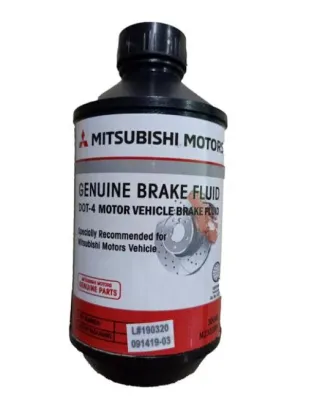
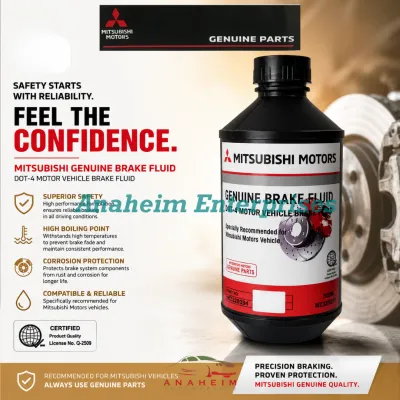
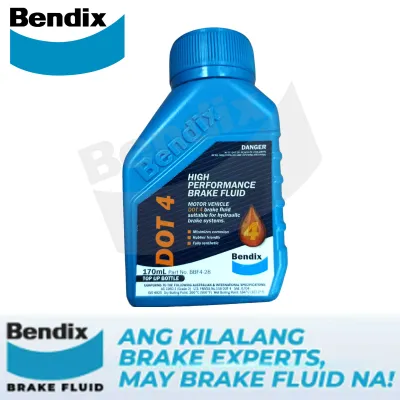
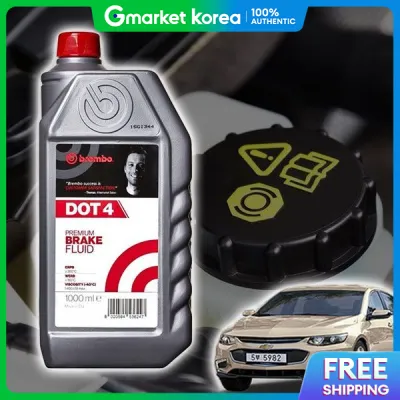
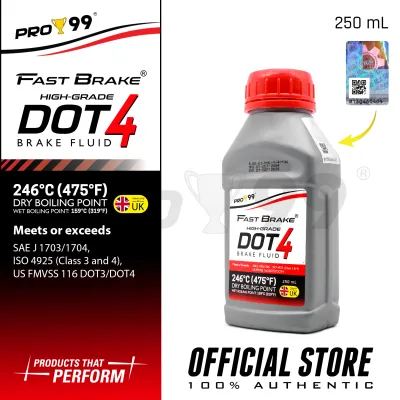
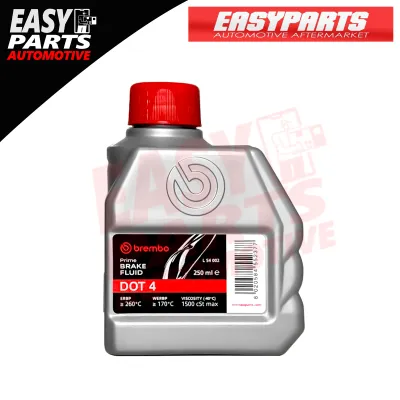
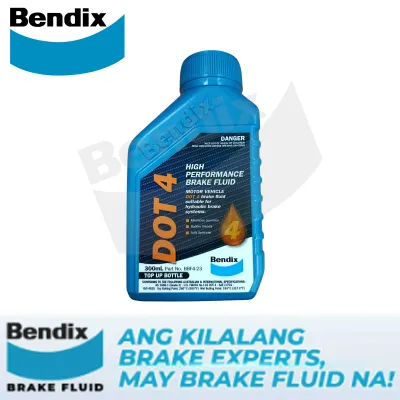
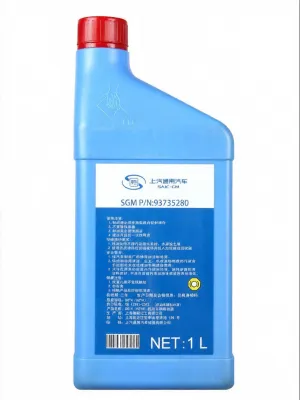
Prices are valid at publication and may change. Please refer to the product page for the latest price.
The dry boiling point refers to the temperature at which fresh, uncontaminated fluid from a sealed container begins to boil. For DOT3, the minimum standard dry boiling point is 205°C (401°F), while DOT4 requires a minimum of 230°C (446°F). This 25-degree difference represents a substantial safety margin when your brakes are subjected to heavy loads or prolonged application.
The wet boiling point is an even more critical safety metric. It measures the boiling point of the fluid once it has absorbed 3.7% water by volume, which typically occurs after one to two years of real-world service. The minimum wet boiling point for DOT3 is 140°C (284°F), whereas DOT4 must maintain at least 155°C (311°F). This degradation occurs because both DOT3 and DOT4 fluids are glycol-ether based, making them highly hygroscopic. This means they actively draw moisture out of the surrounding atmosphere through microscopic pores in rubber hoses, seals, and the reservoir cap vent.
As moisture enters the system, it mixes with the brake fluid and lowers its boiling point. If the fluid temperature reaches this lower boiling threshold during heavy braking, the water within the fluid vaporizes, creating pockets of highly compressible gas. Because gas compresses under pressure while liquid does not, pressing the brake pedal will simply compress the gas bubbles rather than transmitting force to the brake calipers. This dangerous condition, known as vapor lock, manifests as a soft, spongy brake pedal and a terrifying loss of stopping power.
While DOT4 fluids typically absorb moisture at a similar or slightly faster rate than DOT3 due to their chemical additives, their higher baseline boiling points mean they retain a safer temperature margin for a longer period. The primary advantage of choosing a high-quality product like mitsubishi dot4 brake fluid is this superior thermal resilience, which helps prevent vapor lock under demanding driving conditions.
How Tropical Climate and Traffic Affect Brake Fluid Choice
Operating a vehicle in the Philippines presents unique environmental and operational challenges that accelerate brake fluid degradation. The combination of high ambient temperatures, extreme relative humidity, and dense urban traffic creates a worst-case scenario for hydraulic braking systems.

In major metropolitan areas like Metro Manila, Metro Cebu, or Davao, daily commuting involves prolonged periods of stop-and-go driving. Crawling along congested thoroughfares like EDSA or C5 requires constant, repetitive brake applications. Because the vehicle is moving slowly, there is minimal airflow to cool the brake rotors, calipers, and pads. The kinetic energy of the vehicle is converted entirely into thermal energy, which accumulates in the brake calipers and conducts directly into the brake fluid. Under these conditions, caliper temperatures can easily surpass the wet boiling point of degraded fluid.
Furthermore, the high relative humidity characteristic of the Philippine tropical climate accelerates the rate of moisture contamination. Every time the brakes are applied and released, the fluid level in the reservoir fluctuates slightly, drawing humid air into the reservoir through the cap vent. Over time, this moisture permeates the flexible rubber brake lines. In an environment where humidity levels regularly exceed 80%, brake fluid degrades much faster than it would in a dry, temperate climate.
Steep, winding provincial roads present another severe test of thermal capacity. Descending from high-altitude areas like Baguio City, Tagaytay, or traversing the scenic mountain passes of the Marilaque Highway requires sustained, heavy braking. Heavy SUVs and utility vehicles, such as the Mitsubishi Montero Sport or Triton, generate immense kinetic energy that must be dissipated. If your vehicle is loaded with passengers or cargo, the thermal load on the braking system multiplies. In these high-heat, high-humidity environments, utilizing a fluid with a higher wet boiling point, such as DOT4, provides an indispensable safety buffer against sudden brake fade.
Safety Rules for Switching, Upgrading, and Mixing Fluids
If you are considering changing your vehicle’s brake fluid type, you must adhere to strict safety guidelines to protect your hydraulic system and ensure reliable stopping performance.
Upgrading from DOT3 to DOT4
Upgrading a vehicle that originally specified DOT3 to a high-quality DOT4 fluid is generally safe and highly recommended for drivers seeking better thermal performance. Because both fluids share a glycol-ether base, they are chemically compatible. However, before executing this upgrade, it is important to verify that your vehicle’s rubber seals and ABS components are compatible with the specific additives used in DOT4 fluids. While modern vehicles rarely encounter issues, older or vintage models may have seal formulations that wear faster when exposed to certain DOT4 additives.
Downgrading from DOT4 to DOT3
Under no circumstances should you downgrade a vehicle that specifies DOT4 to DOT3. If a manufacturer designs a braking system around a DOT4 specification, it means the vehicle’s weight, engine power, or braking dynamics generate thermal loads that exceed the safe operating limits of DOT3. Using DOT3 in a DOT4-mandated system risks boiling the fluid during routine heavy braking, directly compromising your safety.
Mixing Different Fluid Types
While DOT3 and DOT4 fluids are miscible—meaning they will mix together without chemically reacting, gelling, or separating—mixing them is highly discouraged. Adding DOT3 fluid to a system currently filled with DOT4 will immediately dilute the mixture, dragging the overall boiling point down toward the lower DOT3 standard. This action effectively negates the safety benefits of the DOT4 fluid. If you must top off a low reservoir in an emergency, always use the fluid type currently in the system.
Flushing vs. Topping Off
To successfully transition from DOT3 to DOT4, a simple reservoir siphon and top-off is insufficient. Much of the old, moisture-contaminated fluid remains trapped in the brake lines and calipers, which is precisely where the highest temperatures are generated. A complete system flush is mandatory. This process involves pushing fresh fluid through the entire system until all old fluid and air bubbles are completely purged from all four wheel cylinders or calipers.
Always consult your vehicle’s service manual and the brake fluid product label before performing any maintenance. Because brake bleeding is a safety-critical procedure that can introduce air into the system if done incorrectly, and because modern ABS modules often require specialized diagnostic scan tools to bleed internal valves, it is highly recommended to have this service performed by a qualified professional automotive technician.
How to Verify Your Mitsubishi’s Exact Fluid Requirement
Before purchasing any maintenance consumables, you must determine the exact requirements of your specific vehicle model. Never assume compatibility based on vehicle category alone.
- Step 1: Inspect the Reservoir Cap: Open your vehicle's hood and locate the brake fluid reservoir, which is typically mounted on the firewall directly in front of the driver's seating position. The plastic cap is usually stamped with clear, raised lettering indicating the required fluid specification, such as "Use Only DOT3" or "Use Only DOT4."
- Step 2: Consult the Owner's Manual: Locate the "Specifications" or "Maintenance" section of your Mitsubishi owner's manual. This section provides the authoritative fluid requirements, system capacities, and recommended service intervals designated by Mitsubishi Motors engineering.
- Step 3: Evaluate the Fluid Condition: Unscrew the reservoir cap and inspect the fluid's appearance. Fresh, healthy brake fluid is clear with a very light amber or yellow tint. If the fluid appears dark brown, cloudy, or black, it has suffered severe oxidation and thermal breakdown. It is also highly likely to contain a high percentage of water, indicating that an immediate, professional system flush is required. Note that a visual inspection cannot identify whether the fluid is DOT3 or DOT4, as both share similar color profiles.
It is vital to recognize that different vehicles within the Mitsubishi lineup have vastly different hydraulic and thermal demands. A lightweight, front-wheel-drive city hatchback like the Mitsubishi Mirage operates under relatively low kinetic loads and may perform perfectly on standard DOT3. Conversely, a heavy, body-on-frame SUV like the Mitsubishi Montero Sport, or a loaded Triton pickup truck, is engineered to carry heavy payloads and tow significant weight. These larger platforms generate far more heat during braking, making the higher thermal limits of DOT4 a necessity.
Decision Framework: Choosing the Right Fluid for Your Car
To simplify your purchasing decision, use the following structured framework to select the correct brake fluid for your driving needs.
- Choose DOT3 if: Your Mitsubishi owner's manual explicitly specifies DOT3, your daily driving consists of light commuter duties, you rarely carry heavy loads or traverse steep mountain passes, and you prefer to maintain the exact factory baseline without undergoing a complete system upgrade.
- Choose DOT4 if: Your owner's manual explicitly mandates DOT4, or if your vehicle currently specifies DOT3 but you frequently encounter severe driving conditions. These conditions include navigating dense Metro Manila traffic, driving on steep mountain roads in provincial areas, or towing heavy loads. Upgrading to DOT4 is highly beneficial in these scenarios, provided you perform a complete system flush to clear out the old fluid.
- Verify first if: You are unsure of the fluid type currently in your system, if your vehicle is under an active manufacturer warranty that could be affected by using non-OEM fluid specifications, or if you are simply looking to top off a low reservoir. For emergency top-offs, always match the existing fluid type exactly to avoid lowering your system's overall boiling point.
Frequently Asked Questions (FAQ)
How often should I change the brake fluid in my Mitsubishi?
Brake fluid degrades continuously over time as it absorbs moisture from the air, which steadily lowers its boiling point and increases the risk of internal system corrosion. You should always follow the specific maintenance schedule outlined in your Mitsubishi owner’s manual. As a general industry baseline, most manufacturers recommend a complete brake fluid flush every 2 years or 40,000 kilometers, whichever comes first. However, if you frequently drive in highly humid tropical environments or engage in heavy-duty towing, more frequent inspections and flushes may be necessary to maintain safety.
Can I use DOT 5.1 instead of DOT 4 in my car?
DOT 5.1 is a glycol-ether based fluid, making it chemically compatible with DOT3 and DOT4 systems. It offers even higher dry and wet boiling points, making it suitable for high-performance driving. However, you must never confuse DOT 5.1 with DOT 5. DOT 5 is a silicone-based fluid that is strictly incompatible with glycol-ether fluids. Mixing DOT 5 into a DOT3 or DOT4 system will cause the fluids to separate, destroy the rubber seals, and lead to catastrophic brake failure, particularly in vehicles equipped with Anti-lock Braking Systems (ABS). Always consult a professional technician before upgrading to DOT 5.1 to ensure complete system and seal compatibility.
Community discussion
Share your experience or ask a question. Comments are reviewed before publication.