
Finding the correct air filter and cabin filter size for your Mitsubishi Mirage G4 is essential to maintain engine longevity and keep your air conditioning system running efficiently in the humid Philippine climate. While many replacement parts are marketed as universal, minor differences in dimensions can lead to engine wear or poor cabin cooling. Typically, a standard Mirage G4 engine air filter measures approximately 250 mm in length, 120 mm in width, and 35 mm in thickness, while the cabin filter measures roughly 180 mm by 180 mm with a 20 mm thickness. Because manufacturing tolerances and model years can introduce slight variations, you must verify these specifications against your specific vehicle documentation before purchasing.
How to Verify the Exact Filter Sizes for Your Mirage G4
To ensure a perfect fit, consult your Mirage G4 owner’s manual or the periodic maintenance service (PMS) schedule. These documents list the recommended original equipment manufacturer (OEM) part numbers, which are the most reliable reference when shopping for replacements. For the Mirage G4, the standard OEM engine air filter part number is often listed as 1500A602, while the cabin air filter is frequently designated as 7803A012. Always cross-reference these numbers with your specific model year, as minor updates can alter part designations.
If the manual is unavailable, retrieve the correct specifications by inspecting the existing filters. To access the engine air filter, open the hood, locate the black plastic airbox on the passenger side, and unclip the metal tension clamps to slide the filter out. For the cabin filter, open the glove box, squeeze the outer sides inward to release the stop tabs, let the glove box drop down, and remove the plastic cover on the blower motor housing.
Products mentioned in this guide
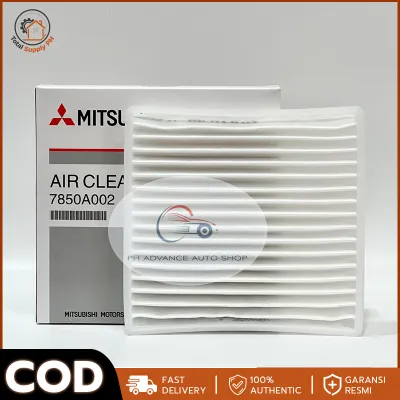
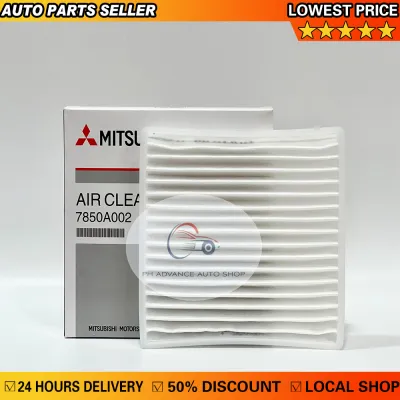
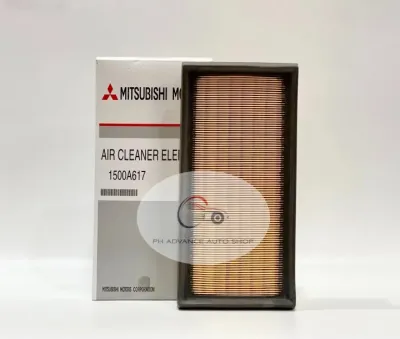
Prices are valid at publication and may change. Please refer to the product page for the latest price.
Look closely at the plastic or rubber frames of the removed filters. Manufacturers usually stamp the part number, brand name, and airflow direction arrows directly onto the edge. Write these codes down, as aftermarket brands provide direct cross-reference tables that map their products to these exact OEM codes.
If the stamps have faded, measure the filters manually using a standard tape measure. Measure the length, width, and height of the filter frame in millimeters. Do not squeeze the flexible rubber or foam sealing lips, as this can lead to inaccurate dimensions. Minor manufacturing tolerances of one to two millimeters are common among different brands, but the overall shape must remain identical.
Matching the exact shape and the design of the sealing lip is just as critical as matching the raw dimensions. The Mirage G4 relies on a tight rubber gasket seal around the engine airbox to prevent dirty air from bypassing the filter media. If the replacement filter lacks this precise sealing lip, unfiltered air will slip through the gaps, allowing abrasive dust particles to enter your engine cylinders.
Decoding Engine Air Filter Specs: Airflow vs. Filtration
When choosing an engine air filter for your Mirage G4, you must balance filtration efficiency with airflow restriction. The filtration efficiency determines how small a dust particle the filter can trap. A higher filtration efficiency means the media has tighter pores, which protects internal engine components from microscopic debris but can also restrict the volume of air entering the engine if the filter media is poorly designed.

Standard pleated paper filters offer an excellent balance of high filtration efficiency and affordable pricing. However, they are highly sensitive to moisture and can clog quickly in the dusty, high-humidity environments typical of Philippine roads. Synthetic or cotton-gauze filters allow for higher airflow and can often be serviced, but they require careful maintenance and may let larger particles pass if not oiled correctly. For daily commuting in urban areas like Metro Manila, a high-quality pleated paper or synthetic dry-media filter is generally the safest choice.
A common misconception is that a “high-flow” or physically larger aftermarket filter will automatically boost performance. In reality, the engine’s computer is calibrated for the specific airflow characteristics of the stock airbox. Installing a filter that alters these parameters or fails to seal correctly can disrupt mass airflow sensor readings, leading to rough idling or decreased fuel economy.
Furthermore, specifications designed for extreme off-road environments, such as massive dust-holding capacities, are largely irrelevant for a standard commuter sedan. The Mirage G4 is engineered for city driving and highway cruising. Prioritizing a filter that matches the exact OEM airflow specifications ensures your 1.2-liter three-cylinder engine breathes easily without compromising on filtration quality.
Cabin Filter Specifications: Balancing Air Quality and AC Performance
Your cabin air filter purifies the air you breathe inside the car and maintains the efficiency of your vehicle’s air conditioning (AC) system. Standard particulate cabin filters are designed primarily to trap dust, pollen, and road debris. They are highly breathable and affordable, making them the default choice for standard maintenance.
In contrast, activated carbon filters feature an extra layer of treated carbon that chemically absorbs harmful exhaust gases, odors, and volatile organic compounds. If your daily commute involves sitting in heavy traffic behind diesel-powered utility vehicles or buses, upgrading to an activated carbon filter can significantly improve the air quality inside your cabin. However, these filters are naturally denser and may slightly reduce the initial velocity of the air coming out of your dashboard vents.
The thickness, media density, and pleat count of the cabin filter directly affect the strain placed on your Mirage G4’s blower motor. A filter with too few pleats has less surface area and will clog rapidly, while a filter with excessively dense media restricts airflow. This restriction forces the blower motor to work harder to push air through, which can lead to premature motor wear and a noticeable drop in cooling performance.
Avoid purchasing generic, overly dense aftermarket filters that are not explicitly certified for the Mirage G4. If the air velocity drops too low, the cold air cannot distribute properly, which can cause the air conditioning evaporator core to freeze. When the evaporator freezes, it blocks all airflow entirely, leaving you with a warm cabin and a potentially costly repair bill. Stick to filters that match the OEM density specifications to preserve your AC system’s health.
OEM vs. Aftermarket Filters: What to Look For
Deciding between genuine Mitsubishi OEM filters and aftermarket alternatives often comes down to budget, availability, and quality standards. Genuine OEM filters generally cost between ₱800 and ₱1,500 depending on the dealership, offering guaranteed fitment and reliable performance. Reputable aftermarket brands offer a wider price range, typically from ₱300 to ₱800, making them a highly cost-effective alternative if you select a trusted manufacturer.
When shopping for aftermarket options on online marketplaces or at local auto supply shops, inspect the physical quality of the filter before buying. Look for a rigid, high-quality polyurethane or rubber sealing gasket that does not feel brittle or excessively soft. The frame should be sturdy enough to resist twisting, and the paper or synthetic pleats must be evenly spaced without any visible glue runs, tears, or gaps in the media.
Choosing unbranded, ultra-cheap filters carries significant risks. Poorly constructed filters often use thin, inconsistent media that allows fine dust to pass directly into your engine or cabin. Over time, engine dust ingestion causes premature piston wear, while a failing cabin filter allows dirt to accumulate on your AC evaporator, leading to mold growth and unpleasant odors.
Before making a purchase, always verify the seller’s return policy. Even when a listing claims compatibility with the Mitsubishi Mirage G4, minor production changes can occur. Hold the new filter side-by-side with the old one to verify that the outer dimensions, corner shapes, and sealing gaskets match perfectly before attempting to install it.
Basic Replacement Steps and Maintenance Intervals
Replacing the filters on your Mirage G4 is a straightforward, reversible DIY task that requires no specialized tools. The engine air filter is housed in the black airbox located on the passenger side of the engine bay, secured by two simple metal clips. The cabin filter is positioned inside the cabin, directly behind the glovebox compartment. Accessing it requires lowering the glovebox door by releasing the side plastic tabs and sliding off the filter cover.
When installing the new filters, you must pay close attention to the airflow direction indicators. Most filters have arrows printed on their sides labeled “Air Flow.” For the cabin filter, the air flows downward from the cowl intake toward the blower motor, so the arrows must point down. For the engine air filter, ensure the filter is seated flat in the housing with the pleated side facing the incoming air duct before clamping the cover shut.
Regular visual inspections are key to determining when a replacement is necessary. Take the filters out every 5,000 kilometers and inspect them under a bright light. If you notice dark gray discoloration, heavy dust buildup, trapped leaves, or oil saturation, the filter should be replaced immediately. If you hold the filter up to a light source and no light passes through the pleats, the media is completely choked.
While the standard manufacturer recommendation for replacing both filters is typically every 10,000 to 15,000 kilometers, you should adjust this schedule based on your driving environment. The high humidity, frequent stop-and-go traffic, and airborne dust in the Philippines constitute severe driving conditions. Under these circumstances, replacing your filters every 7,500 to 10,000 kilometers will help maintain optimal engine performance and keep your cabin air clean and fresh.
Frequently Asked Questions (FAQ)
Can I wash and reuse the standard paper engine air filter?
No, standard pleated paper engine air filters are strictly disposable and must never be washed. The paper media is designed to trap microscopic particles within its fibers, and exposing it to water or liquid cleaners will destroy its structural integrity, swell the fibers, and permanently block airflow. Attempting to wash a paper filter will ruin it, and using a wet filter can introduce moisture into your engine, causing severe damage. Only specialty aftermarket filters explicitly labeled as washable or reusable (such as oiled cotton-gauze filters) can be cleaned, and they must only be serviced using the manufacturer’s dedicated cleaning kits.
Will an ill-fitting cabin filter affect the Mirage G4's air conditioning?
Yes, an incorrectly sized cabin filter will directly degrade your air conditioning system’s performance. If the filter is too small, gaps will form around the edges, allowing dusty air and road debris to bypass the filter entirely and accumulate on the wet AC evaporator core, eventually clogging the cooling fins and creating mold. Conversely, if the filter is too thick or dense, it restricts the volume of air entering the system. This restriction forces the blower motor to work harder, reduces the airflow coming out of your dashboard vents, and can cause the evaporator core to freeze, completely blocking the cooling system.
Community discussion
Share your experience or ask a question. Comments are reviewed before publication.