
When evaluating Mokoto gloves against other popular riding glove brands in the Philippines, the right choice depends on verifying specific safety certifications, material construction, and fit for your individual riding style. Because independent test data and market pricing fluctuate, this guide provides a systematic framework to help you compare protection, comfort, and budget across available options, ensuring you make an informed decision based on verifiable product features rather than marketing claims.
While premium international brands offer specialized racing protection and proprietary armor, Mokoto and similar entry-level brands focus on affordable daily commuter gear. The ideal glove for your daily ride must balance physical build quality, genuine safety labels, and ventilation tailored to the local climate.
Defining Your Riding Needs and Comparison Criteria
Before comparing brands, you must define your typical riding environment. A daily commuter navigating the heavy traffic of Metro Manila has vastly different gear requirements than a weekend tourer climbing scenic mountain highways or an off-road enthusiast. City commuting demands high flexibility, rapid airflow, and easy touchscreen compatibility for navigation. Long-distance touring requires sustained comfort, vibration dampening, and weather resistance, while aggressive street riding prioritizes maximum impact protection and abrasion-resistant materials.
Products mentioned in this guide
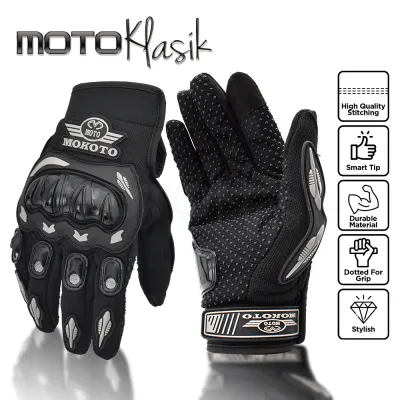
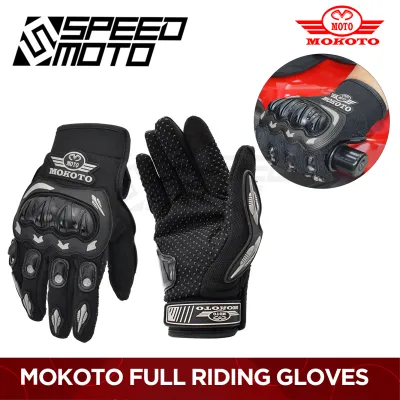
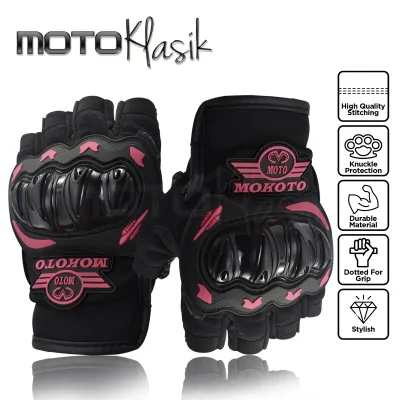
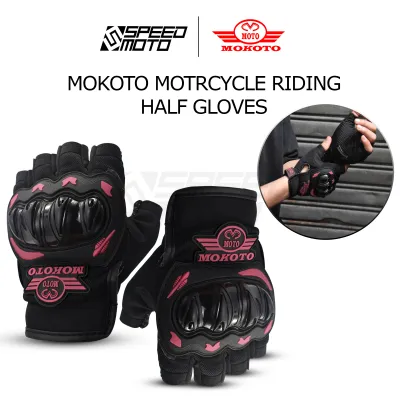
Prices are valid at publication and may change. Please refer to the product page for the latest price.
The tropical climate of the Philippines introduces a major variable: heat and humidity. Heavy, unventilated leather gloves might offer excellent slide protection, but they can quickly become unbearable in midday heat, leading to sweaty palms that compromise your grip on the handlebars. Therefore, your baseline criteria must balance protection with breathability, focusing on mesh panels, perforated leather, or lightweight textile blends that allow continuous airflow.
Finally, establishing a clear budget range in Philippine Pesos (₱) helps narrow down your options. Entry-level utility gloves typically range from ₱500 to ₱1,500, mid-range options with certified armor fall between ₱1,500 and ₱4,000, while premium professional-grade gloves can easily exceed ₱5,000. Knowing your financial limit prevents you from overspending on features you do not need or settling for substandard protection that fails when you need it most.
Evaluating Protection and Safety Certifications
The primary purpose of any riding glove is protection during a fall or collision. When comparing Mokoto gloves to other brands, you should look past marketing buzzwords and inspect the physical safety certifications. The gold standard for motorcycle gear is the European CE certification, specifically the EN 13594:2015 standard for protective gloves for professional motorcycle riders. Look for a genuine CE label stitched inside the glove or detailed in the official product packaging. This label indicates the glove has undergone standardized testing for tear strength, seam strength, abrasion resistance, and impact attenuation.

Beyond the label, perform a hands-on inspection of the physical armor placement. Effective riding gloves feature hard or high-density knuckle protectors made of carbon fiber, TPU (thermoplastic polyurethane), or reinforced plastics. Pay close attention to the palm area, which is the most common point of impact during a fall. A quality glove should feature a dedicated palm slider—a hard plastic or reinforced leather patch designed to let your hand slide smoothly across the asphalt rather than catching and causing wrist fractures.
Examine the primary shell materials and construction details. Leather offers superior natural abrasion resistance, but high-quality textiles like Cordura or reinforced ballistic nylon are excellent lightweight alternatives. Check the stitching in high-impact zones, such as the outer edge of the hand and the base of the fingers. Double or triple stitching with heavy-duty nylon thread is essential to prevent the seams from bursting open under the friction of a slide. Compare how different brands reinforce these critical zones; premium brands often use proprietary aramid fibers, while budget-friendly options like Mokoto typically rely on double-layered synthetic leather or basic textile overlays.
Assessing Comfort, Fit, and Material Quality
A glove that offers maximum protection is useless if it is so uncomfortable that you choose not to wear it. In the Philippines, where humidity levels are consistently high, ventilation is a critical comfort factor. When evaluating gloves, inspect the perforation patterns on leather panels and the density of mesh fabrics. Look for moisture-wicking inner liners that pull sweat away from your skin, keeping your hands dry and preventing the interior of the glove from developing unpleasant odors over time.
The fit of the glove directly impacts your control over the motorcycle. A proper riding glove should feature a pre-curved finger design, which mimics the natural resting position of your hand on the grips. This reduces hand fatigue during long rides. When trying on Mokoto gloves or competing brands, make a fist and simulate operating the clutch and front brake levers. There should be no tight pinching across the knuckles, and the palm material should not bunch up excessively, as bunching can cause painful blisters and reduce your tactile feedback from the handlebars.
Inspect the closure mechanisms and overall build quality. A secure wrist strap is vital; if you can pull the glove off your hand while the strap is fastened, the glove will likely fly off during an accident. Look for robust hook-and-loop fasteners and check that the wrist tab is securely stitched to the main body. Examine the internal seams as well; rough, unfinished internal stitching can rub against your fingers and cause severe irritation within minutes of riding. High-quality brands pay close attention to seam placement, often using external stitching on the fingers to maximize comfort.
Analyzing Price-to-Value Ratio and Availability
When analyzing the price-to-value ratio, you must weigh the retail price in ₱ against the tangible safety features and material quality provided. Mokoto gloves are generally positioned in the budget-friendly segment of the Philippine market, making them highly accessible to daily commuters and casual riders. If a pair of Mokoto gloves costs around ₱1,000 to ₱2,000 and offers basic knuckle protection, reinforced palms, and decent ventilation, it represents high value for low-speed city riding. However, if you are planning high-speed highway touring, investing more in a mid-range or premium brand that offers certified impact protection and advanced materials is a more logical value proposition.
Availability is another practical factor to consider. Popular brands like Mokoto enjoy widespread distribution across the Philippines, meaning you can easily find them in physical motorcycle accessory shops, authorized local dealers, and reputable online marketplaces. This widespread availability makes it simple to try on different sizes before purchasing and find quick replacements if a glove is lost or damaged. In contrast, some niche international brands may only be available through select boutique shops or require international shipping, making sizing exchanges difficult and time-consuming.
Do not overlook warranty terms and local customer support. Established brands with official local distributors often provide a clear warranty against manufacturing defects, such as premature seam failure or broken armor. When purchasing, ask the retailer about their return and exchange policies. A brand that stands behind its product with accessible local customer service adds significant long-term value, giving you peace of mind that your investment is protected against early wear and tear.
Decision Framework: Choosing the Right Glove for Your Ride
To make your final decision, apply a structured framework based on your verified findings and physical trials. Choose Mokoto gloves if you are primarily a daily commuter or casual rider looking for an affordable, highly ventilated option that fits within a budget of under ₱2,000. Ensure the specific model you select features adequate knuckle protection, fits snugly without restricting your circulation, and has visible reinforcement on the palms to handle low-speed urban slides.
Opt for established alternative brands if your riding style involves high-speed highway travel, track days, or off-road adventure riding. These scenarios demand specialized protection, such as certified Level 2 armor, advanced palm sliders, and highly abrasion-resistant materials like kangaroo leather or Kevlar stitching. Premium brands also tend to offer a wider range of specialized sizes, including intermediate oval fits, which may be necessary if you have unique hand proportions that budget brands do not accommodate.
Regardless of the brand, always be prepared to walk away if the gloves do not meet basic safety and comfort standards. If a glove lacks clear safety labeling, exhibits loose or frayed stitching upon close inspection, or severely restricts your hand movement during a test fit, do not purchase it. Your hands are critical for operating your motorcycle safely; compromising on their protection to save a few pesos is a risk that is never worth taking.
Frequently Asked Questions (FAQ)
How should I clean and maintain my riding gloves to extend their lifespan?
Proper maintenance is essential to preserve the structural integrity and protective qualities of your riding gloves. Always start by checking the manufacturer’s care label inside the glove for specific washing instructions. For textile and mesh gloves, gentle hand washing in lukewarm water with a mild, non-detergent soap is generally recommended. Avoid using harsh chemicals, bleach, or fabric softeners, as these can degrade synthetic fibers and weaken the stitching. For leather gloves, wipe the exterior with a damp cloth and apply a dedicated leather conditioner periodically to keep the material supple. Always air dry your gloves naturally in a well-ventilated area away from direct sunlight, radiators, or artificial heat sources, as excessive heat can cause leather to shrink and crack.
Do I need different gloves for the rainy season in the Philippines?
Riding during the Philippine wet season presents unique challenges that may warrant a dedicated pair of gloves. While waterproof gloves keep your hands dry, they often utilize internal membranes that restrict airflow, making them uncomfortably hot and sweaty during warm, humid downpours. For short daily commutes, a highly breathable, quick-drying textile glove may be sufficient, as it dries rapidly once you reach your destination. However, for long-distance rides or heavy daily commutes in prolonged rain, investing in a dedicated waterproof riding glove or a pair of lightweight waterproof over-gloves is highly recommended. This prevents your hands from becoming cold and pruned, which can severely compromise your grip and control over the motorcycle’s levers.
Community discussion
Share your experience or ask a question. Comments are reviewed before publication.