
Finding the right monorack side bracket for your motorcycle in the Philippines requires matching the bracket’s physical dimensions and mounting points directly to your specific bike model, year, and variant. Because popular underbone motorcycles and scooters have distinct frame designs, a bracket made for one model will not safely fit another without modification. Verifying compatibility before purchase prevents structural damage to your motorcycle frame and ensures your cargo remains secure during daily commutes on uneven roads.
Key Specifications to Check on Monorack Side Brackets
Before purchasing a monorack side bracket, you must carefully examine the manufacturer’s product label and technical specifications. The most critical measurements are the mounting hole distances, bolt diameters, and thread pitch requirements. These dimensions must align perfectly with your motorcycle’s existing chassis mounting points, which are typically located near the rear grab rail or shock mounts.
Product labels also specify the material composition and maximum load capacity limits. In tropical climates with high humidity, choosing brackets with corrosion-resistant coatings, such as powder-coated steel, is essential to prevent rust. Always check the manufacturer’s rated load limit, which is often expressed in kilograms, and ensure it accommodates your intended top box or side panniers without exceeding the motorcycle’s rear axle weight limit.
Products mentioned in this guide
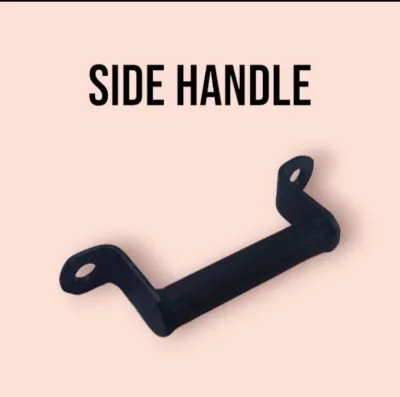
Prices are valid at publication and may change. Please refer to the product page for the latest price.
You will encounter both model-specific brackets and those marketed as universal adapters. Model-specific brackets are engineered for a precise fit on a particular motorcycle model and year, requiring no modifications. Universal brackets, on the other hand, rely on adjustable plates or sliding slots, which often compromise structural rigidity and may require additional spacers or custom fabrication to fit securely.
Additionally, verify what is included in the hardware kit. A complete kit should contain high-tensile bolts, washers, and specific spacers or sleeves designed to prevent the bracket from crushing your scooter’s plastic body panels. If these components are missing or do not match your bike’s mounting depth, you will need to source compatible hardware separately before attempting installation.
How to Verify Fitment for Your Specific Motorcycle
To confirm fitment, start by locating the original equipment manufacturer (OEM) mounting points on your motorcycle’s frame. These are usually found under the seat, along the rear subframe, or integrated into the grab rail mounts. Use a vernier caliper or a precise measuring tape to measure the center-to-center distance between these mounting holes, and compare these figures with the bracket’s technical drawing.

Next, perform a physical clearance check to identify potential interference with other motorcycle components. The bracket must clear the exhaust pipe, rear shock absorbers, turn signals, and plastic fairings. In tropical environments where heavy rains and bumpy roads cause significant suspension travel, ensure there is ample clearance between the bracket and the rear tire or swingarm under full load.
The contour of the side bracket must also match your motorcycle’s rear profile. A poorly shaped bracket can press against the plastic bodywork, leading to cracks over time due to engine vibration. Furthermore, check that the bracket does not interfere with the passenger grab rails or restrict the seating space, ensuring your pillion rider remains comfortable and secure.
Finally, verify that the installed bracket and any attached luggage do not obstruct critical safety components. Your taillight, turn signals, license plate, and rear reflectors must remain fully visible from behind. Obstructing these components not only compromises your safety on the road but also violates local land transportation regulations.
Installation Boundaries and When to Stop
When installing a monorack side bracket, always use a torque wrench to tighten all fasteners to the exact specifications found in your motorcycle’s service manual or the bracket’s installation guide. Applying a medium-strength threadlocking compound to the bolt threads is highly recommended to prevent them from backing out due to constant road vibrations.
Be alert to clear stop signals during the installation process. If the mounting holes do not align naturally, or if the bracket requires you to drill into the motorcycle’s main frame, stop immediately. Bending the bracket to force a fit or modifying the chassis compromises the structural integrity of both the accessory and the motorcycle.
Forcing an improper fit or using incorrect bolt lengths carries severe risks. Bolts that are too long can penetrate deep enough to damage the rear tire, wiring harnesses, or suspension components. Conversely, bolts that are too short will not engage enough thread, leading to sudden structural failure and the loss of your luggage while riding.
If you encounter any misalignment, structural conflicts, or unclear instructions, halt the installation immediately. Do not attempt to weld, cut, or modify the bracket without explicit manufacturer approval. Instead, consult a qualified motorcycle mechanic or contact the bracket manufacturer to verify if you have the correct part number for your specific motorcycle model and year.
Frequently Asked Questions (FAQ)
Can I use a universal monorack side bracket on any scooter?
No, universal monorack side brackets cannot be safely installed on every scooter. While they feature adjustable mounting slots, they often fail to clear the unique plastic bodywork, high-mounted exhaust pipes, or specific grab rail configurations of different scooter models. Always verify the physical clearances and mounting point dimensions on your specific scooter before attempting to use a universal bracket.
What should I do if the bracket holes do not align with my motorcycle frame?
If the bracket holes do not align, stop the installation immediately and do not force the bolts. Verify that the product packaging or part number matches your motorcycle’s exact model year and variant. Avoid drilling new holes in the bracket or your motorcycle frame, as this weakens the metal and voids warranties; instead, return the product or consult a professional mechanic for a compatible model-specific bracket.
Community discussion
Share your experience or ask a question. Comments are reviewed before publication.