
Quick Answer: Choosing the Most Durable Option
No single brand guarantees absolute durability for a TVS King three-wheeler. Instead, the actual lifespan of a wiper blade for tvs king depends almost entirely on the blade’s material composition, its structural design, and how precisely it fits your specific windshield.
If you frequently park your tricycle outdoors under intense, direct sunlight, silicone beam blades offer the highest resistance to ultraviolet (UV) degradation and cracking. For fleet owners or drivers seeking a budget-friendly, exact-fit replacement who primarily park in shaded garages or terminals, reputable conventional metal-frame rubber blades provide excellent initial performance at a lower price point.
Before purchasing any brand, verifying the correct size and connector type is just as critical as the brand name itself. An incorrect fitment can cause poor contact, lead to rapid wear, or even result in severe windshield scratching during heavy downpours.
Products mentioned in this guide
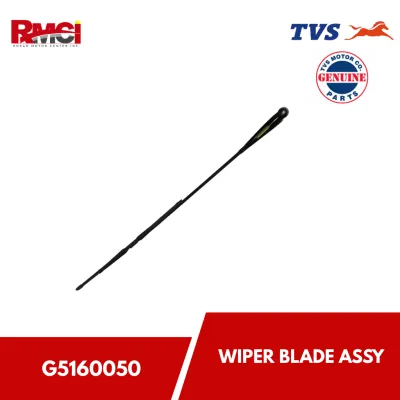
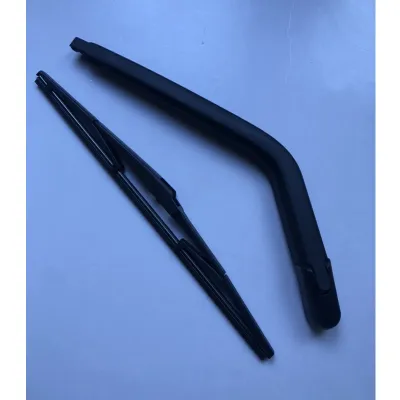
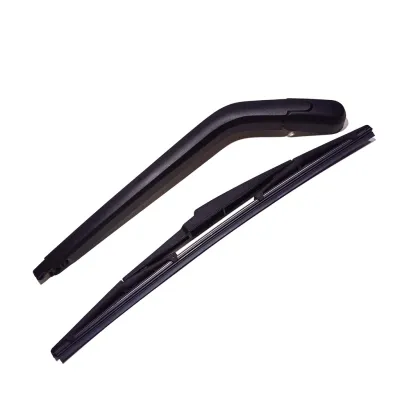
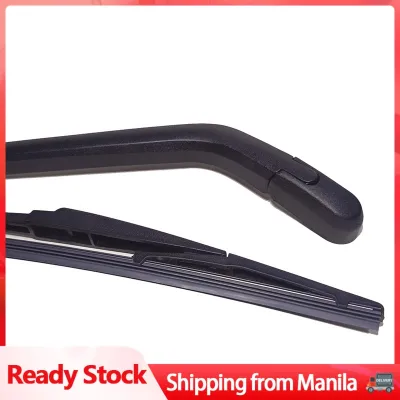
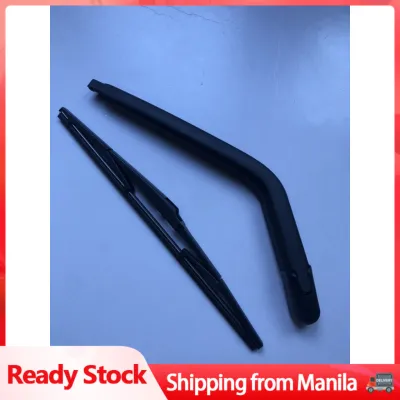
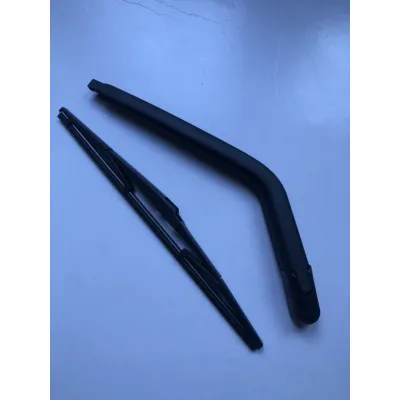
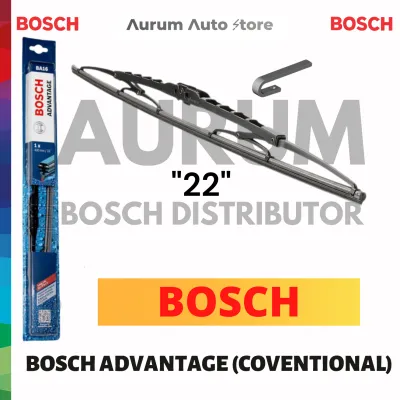
Prices are valid at publication and may change. Please refer to the product page for the latest price.
Why the Tropical Climate Dictates Wiper Durability
Operating a TVS King in the Philippines exposes automotive components to some of the harshest environmental conditions in Southeast Asia. The combination of extreme ambient heat, high humidity, and sudden, torrential monsoon rains creates a highly corrosive environment for standard wiper materials.

Ultraviolet radiation from the tropical sun is the primary enemy of wiper blades. When parked at local terminals or driving along open highways, the rubber element absorbs intense UV rays, which break down the elastomer’s chemical bonds. This process, known as UV oxidation, causes the rubber to lose its elasticity, become brittle, and eventually develop micro-cracks along the wiping edge.
Additionally, the TVS King features a relatively upright, flat windshield. This vertical design means the wiper blade meets road dust, diesel soot, soot from exhaust pipes, and kicked-up mud at a more direct angle than a slanted passenger car windshield.
As the wiper sweeps across dry or dusty glass during sudden light showers, these abrasive particles act like fine sandpaper, rapidly wearing down the delicate wiping edge. A durable blade must therefore possess exceptional abrasion resistance and maintain its structural flexibility under constant heat exposure.
Many generic wiper blades are marketed as “all-weather” options, but these are often designed for colder Western climates where snow and ice resistance are prioritized. For a three-wheeler operating in tropical conditions, you need a blade specifically engineered to resist ozone, high surface temperatures, and constant humidity without warping.
Material and Design Comparison: Rubber vs. Silicone and Frame vs. Beam
To make an informed decision, you must understand the physical properties of the materials and structural designs available on the market. These factors dictate how long the blade will last before it begins to streak, squeak, or fail.
Natural Rubber vs. Silicone Elements
Natural rubber remains the most common material used in standard wiper blades. While high-quality natural rubber offers a quiet, clean wipe when brand new, it degrades relatively quickly when exposed to the daily heat cycles of tropical climates. To prolong its life, manufacturers often coat natural rubber with graphite or polytetrafluoroethylene (PTFE), which reduces friction and chatter. However, once this thin coating wears off due to dust abrasion and frequent washing, the underlying rubber degrades rapidly.
Silicone elements represent a significant technological upgrade. Silicone is inherently resistant to UV radiation, ozone, and extreme temperatures, meaning it will not harden or crack even after months of parking under the midday sun. Furthermore, as a silicone blade sweeps across the glass, it naturally deposits a microscopic, water-repellent silicone film on the windshield. This hydrophobic barrier causes rainwater to bead up and blow away, reducing the need for constant wiper operation during light rain and extending the overall life of the wiper motor and blade.
Conventional (Frame) vs. Beam (Frameless) Designs
Conventional wiper blades utilize a metal skeleton with articulated joints or “claws” to press the rubber element against the glass. While this design is highly affordable and widely available, the metal frame is susceptible to several issues in tropical environments. High humidity and salt air in coastal regions can cause the metal joints to rust, which restricts their movement and leads to uneven pressure distribution. Additionally, road dust, mud, and debris can easily clog these joints, causing the blade to lift off the glass at certain spots.
Beam blades, also known as flat or frameless blades, feature a single, continuous curved steel spline encased inside a synthetic rubber housing. This design distributes pressure completely evenly across the entire length of the blade, which is particularly beneficial for the flat windshield of the TVS King. Because there are no external metal brackets, hinges, or exposed joints, there is nowhere for dust, mud, or road grime to accumulate. This makes beam blades highly durable and reliable for tricycles operating on unpaved provincial roads or dusty urban side streets.
| Material & Design Type | UV & Heat Resistance | Debris & Rust Resistance | Relative Cost | Estimated Lifespan (Tropical) |
|---|---|---|---|---|
| Conventional Natural Rubber | Low | Low (Metal frame can rust/clog) | Budget-friendly | 3 to 6 months |
| Conventional Silicone | High | Low (Metal frame can rust/clog) | Mid-range | 8 to 12 months |
| Beam Natural Rubber | Low | High (No exposed joints) | Mid-range | 6 to 9 months |
| Beam Silicone | Exceptional | High (No exposed joints) | Premium | 12 to 18+ months |
How to Evaluate Brands and Verify Packaging Claims
When shopping at local auto supply shops or browsing online marketplaces, you will encounter dozens of brands claiming to offer the “most durable” performance. To cut through the marketing hype, you must look closely at the technical specifications listed on the product packaging.
First, prioritize clear material callouts. Look for labels that explicitly state “100% Silicone” or “Pure Silicone” rather than vague terms like “silicone-infused” or “silicone-coated.” Silicone-coated rubber blades are simply standard rubber blades with a temporary silicone treatment that wears off quickly. Genuine silicone blades are solid silicone polymer throughout, ensuring long-term durability.
If you prefer natural rubber for its lower upfront cost, look for packaging that specifies “Graphite-Coated” or “PTFE-Treated” rubber. These treatments are essential for reducing friction on dry or dusty glass, which prevents the blade from skipping and tearing prematurely.
Avoid generic, unbranded, or suspiciously cheap multi-packs sold on online platforms. These white-label products often use low-grade recycled plastics and cheap rubber compounds that degrade within weeks of exposure to tropical sun. Instead, look for reputable aftermarket brands that offer clear product warranties or satisfaction guarantees, which serve as a practical indicator of the manufacturer’s confidence in their product’s lifespan.
Finally, check if the packaging or product documentation explicitly lists compatibility with smaller windshields or utility three-wheelers. Some premium brands design their blades specifically for passenger cars with highly curved windshields, which may not perform optimally on the flatter glass of a TVS King. Choosing a brand that explicitly supports small-vehicle or commercial-use applications ensures the tension of the blade is matched to your vehicle’s wiper arm.
Fitment Check: Sizing and Connector Types for TVS King
No matter how durable or expensive a wiper blade is, it will fail prematurely—and potentially damage your vehicle—if it is not the correct size or does not mount securely to the wiper arm.
To determine the correct size, do not rely solely on generic online compatibility charts. Use a physical tape measure to measure the exact length of your current wiper blade from tip to tip in inches. While many TVS King models typically utilize a single 16-inch or 18-inch wiper blade, specifications can vary slightly depending on the exact model year, cabin configuration, or aftermarket modifications.
Next, inspect the connection point where the wiper arm meets the blade. The TVS King commonly uses a standard J-hook (also known as a U-hook) wiper arm, but some older or specialized models may feature a pin-type or screw-on connector.
Installing a blade with an incompatible adapter or forcing a loose fitment poses a major safety hazard. If the blade detaches while driving in a heavy downpour, the bare metal wiper arm can instantly claw across the windshield, causing deep, permanent scratches that impair your vision and require an expensive windshield replacement.
Always consult your TVS King owner’s manual to verify the original manufacturer specifications. If you are replacing the blade yourself, ensure the adapter clicks or locks firmly into place on the wiper arm. If you notice any play, wiggle, or instability after installation, stop operating the vehicle and consult a qualified mechanic or auto electrician to verify the fitment before driving.
Maintenance Habits to Extend Your Wiper Blade Lifespan
Even the highest-quality silicone beam blade will degrade prematurely if neglected. Implementing a few simple, low-risk maintenance habits into your daily routine can easily double the lifespan of your wiper blade.
Keep a clean microfiber cloth handy in your tricycle. At the end of each day, wet the cloth with clean water and gently wipe down the rubber or silicone edge of the blade. You will notice a black film of road grime, soot, and oil transfer onto the cloth. Removing this abrasive buildup prevents it from cutting into the wiping edge during the next rainstorm.
When parking your TVS King in open terminals, street-side parking, or under direct sunlight for extended periods, lift the wiper arm away from the glass. Windshields can reach extremely high temperatures under the tropical sun, acting like a hot griddle. Leaving the blade resting on hot glass causes the rubber to bake, harden, and take on a permanent curved warp, which leads to immediate streaking.
Lastly, ensure your windshield washer reservoir is filled with clean water mixed with a dedicated automotive windshield washer fluid. Avoid using household dishwashing liquids or laundry detergents, as these contain harsh chemicals that can strip the protective graphite or PTFE coatings off your wiper blade, dry out the rubber, and damage the paint around your windshield frame.
Frequently Asked Questions (FAQ)
How often should I replace the wiper blades on my TVS King?
In the tropical climate of the Philippines, you should generally expect to replace your wiper blades every 6 to 12 months. However, you should replace them immediately if you notice visual or functional signs of failure. These signs include persistent streaking that leaves blurry patches on the glass, a loud squeaking or chattering sound during operation, the blade skipping across the windshield, or visible cracking, splitting, and tearing of the rubber element. Operating a damaged wiper blade during heavy rain severely compromises your visibility and road safety.
Can I use standard car wiper blades on a TVS King tricycle?
Yes, you can use standard automotive wiper blades, provided that the length and connector type match your TVS King exactly. The wiping materials and manufacturing processes are identical. However, you must never install a blade that is longer than the original manufacturer specification. Standard passenger car blades are often much longer (e.g., 20 to 24 inches). Installing an oversized blade will cause it to strike the windshield rubber seals, overload the TVS King’s small wiper motor, or fly off the glass entirely, posing a severe hazard to you and other motorists.
Community discussion
Share your experience or ask a question. Comments are reviewed before publication.