
When navigating the dense, unpredictable traffic of Philippine roads, your motorcycle’s braking system is your primary line of defense. Selecting a reliable replacement break pad is one of the most critical maintenance decisions you will make, directly affecting your stopping distance, control, and safety. Because riding conditions in the country vary from flooded city streets during the monsoon season to dry, dusty provincial highways, there is no single “perfect” brand for every rider. Instead, the most reliable option depends on your specific motorcycle model, typical daily routes, budget, and performance expectations.
To simplify your decision, brake pads generally fall into three distinct categories: Original Equipment Manufacturer (OEM) parts, premium aftermarket upgrades, and budget-friendly regional brands. OEM pads serve as the safest, most predictable default for riders who want guaranteed fitment and balanced performance without any modifications. Premium aftermarket brands offer superior heat management and consistent lever feel under heavy loads or high-speed conditions. Meanwhile, reputable regional value brands offer a practical, cost-effective alternative for lightweight automatic scooters and underbones, provided you verify their build quality and safety certifications. This guide compares these categories, details the unique demands of local riding environments, and provides a clear framework to help you choose the right brand for your daily commute.
What Makes a Break Pad Reliable for Daily Philippine Commutes?
Daily commuting in major Philippine metropolitan areas like Metro Manila, Metro Cebu, or Davao presents a unique set of challenges that rapidly degrade braking components. Understanding these environmental and operational factors is essential for evaluating whether a brand’s friction material can withstand the rigors of your daily ride.
Products mentioned in this guide
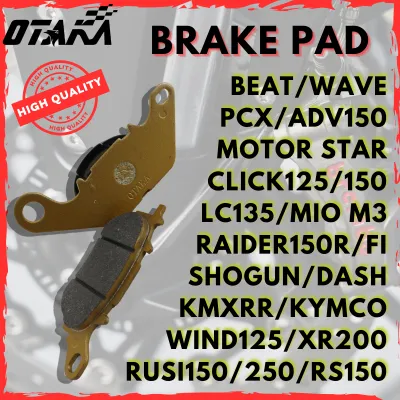
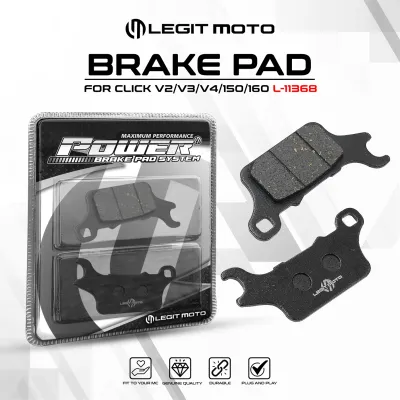
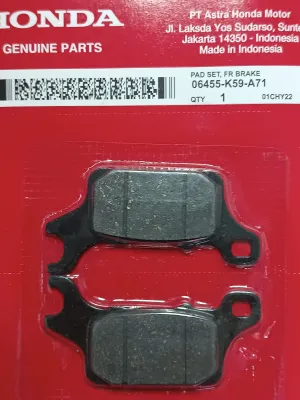
Prices are valid at publication and may change. Please refer to the product page for the latest price.
The relentless stop-and-go nature of local urban traffic forces riders to apply their brakes constantly. This continuous friction converts kinetic energy into intense thermal energy, rapidly heating the brake caliper, rotor, and pad. Under extreme heat, lower-quality pads suffer from “brake fade”—a dangerous phenomenon where the binding resins in the friction material vaporize, creating a thin layer of gas between the pad and the rotor that severely reduces stopping power. A reliable pad must utilize a compound that maintains a stable friction coefficient even when temperatures spike during prolonged gridlock.
The Philippine climate is characterized by heavy tropical downpours and localized flooding, particularly during the wet season from June to November. When water coats the brake rotor, it acts as a lubricant, drastically reducing the initial bite of the pads. Reliable brake pads are designed with specialized water-clearance grooves cut into the friction material to channel water away from the contact patch. Furthermore, the compound must resist water absorption and maintain its structural integrity when repeatedly submerged in road water, preventing the friction material from delaminating or crumbling over time.
Local roads are frequently subjected to construction debris, fine sand, and abrasive volcanic dust. This road grit kicks up into the brake assembly, acting as an abrasive grinding paste between the pad and the rotor. If a brake pad compound is too soft, it will wear down prematurely in these conditions; if it is too hard or contains poorly distributed metallic inclusions, it can score and warp the brake rotor, leading to expensive repairs. A reliable brand strikes a balance, offering durable wear resistance while preserving the life of your brake disc.
To objectively evaluate a brand’s reliability before purchasing, look past marketing slogans and inspect the technical markings on the product packaging or backing plate. The Society of Automotive Engineers (SAE) J661 standard defines a two-letter friction code (such as EE, FF, GG, or HH) that represents the pad’s coefficient of friction under normal and hot operating temperatures. An “HH” rating, for example, indicates an exceptionally high level of friction across both temperature ranges, making it highly desirable for heavy-duty or high-performance daily commuting. Additionally, verify that the packaging lists clear compound descriptions (organic, semi-metallic, or sintered) and displays international quality certifications like ECE R90, which guarantees the pad performs within 15% of the original equipment standards.
Comparing Brake Pad Brand Categories for Everyday Use
Navigating the motorcycle parts market in the Philippines reveals a vast array of brands. To help you make sense of your choices, these brands can be grouped into three distinct tiers based on their manufacturing standards, performance characteristics, and price points.

OEM and Dealer-Supplied Brands
Original Equipment Manufacturer (OEM) brake pads are the factory-installed components supplied by your motorcycle’s manufacturer, such as Honda, Yamaha, Suzuki, or Kawasaki. These pads are typically manufactured in partnership with specialized braking companies like Nissin or Tokico, adhering to strict quality control standards.
The primary benefit of choosing genuine OEM pads is their predictable, balanced performance. Because they are engineered specifically for your motorcycle’s exact weight, speed capabilities, and rotor metallurgy, they offer a perfect physical fit and a highly consistent brake feel. OEM compounds are designed to minimize rotor wear and brake noise while providing adequate stopping power across a wide range of daily riding scenarios. This makes them the ultimate low-risk, high-reliability choice for standard daily commuting, particularly if your motorcycle is still under its factory warranty.
However, sourcing genuine OEM parts requires caution. The local market is flooded with counterfeit OEM packaging containing low-grade, dangerous imitations. To ensure you are buying authentic parts, purchase them directly from authorized 3S (Sales, Service, and Spare Parts) dealerships or certified brand distributors. Genuine OEM pads will feature highly precise metal stamping on the backing plate, clean paint finishes without overspray on the friction material, and distinct security holograms on the packaging. Expect to pay a moderate premium, with typical OEM front pad sets for popular 110cc to 150cc scooters ranging from ₱600 to ₱1,200.
Premium Aftermarket Brands
Premium aftermarket brands cater to riders who demand performance levels beyond standard factory specifications. Globally recognized manufacturers such as Brembo, EBC Brakes, SBS (Scandinavian Brake Systems), and Vesrah dominate this segment, offering highly specialized friction compounds for various riding disciplines.
These premium brands utilize advanced material science to produce sintered double-H (HH) copper alloys, ceramic composites, and carbon-organic compounds. Sintered pads, for instance, are created by fusing metallic particles under high pressure and temperature, resulting in a material that is highly resistant to thermal fade, incredibly durable, and highly effective in wet weather. If you frequently ride a larger displacement motorcycle (400cc and above), navigate steep mountain passes like the Marilaque Highway, or use your motorcycle for commercial delivery services carrying heavy loads, premium aftermarket pads provide a substantial safety upgrade.
The trade-off for this superior performance is cost and compatibility. Premium aftermarket pad sets generally range from ₱1,500 to over ₱4,000 per caliper, depending on the compound and motorcycle model. Before purchasing, you must verify the exact year, model variant, and caliper interface of your motorcycle, as these brands manufacture highly specific shapes that will not fit modified or non-standard assemblies. Additionally, highly aggressive sintered pads can accelerate the wear of softer, budget-friendly stock rotors, so you must monitor your rotor thickness closely.
Value and Regional Market Brands
The entry-level segment of the Philippine motorcycle market is highly competitive, filled with budget-friendly regional brands like Bendix, Elig, and various local aftermarket labels. These brands are widely distributed across neighborhood motorcycle shops and online marketplaces, offering replacement options primarily for popular small-displacement underbones and automatic scooters.
When evaluated carefully, reputable value brands can offer excellent cost-to-performance ratios for daily city riding. Brands like Bendix, for example, leverage global automotive manufacturing expertise to produce reliable ceramic or organic motorcycle pads that offer quiet operation and low rotor wear at a fraction of the cost of OEM parts, typically ranging from ₱150 to ₱500. These are highly suitable for relaxed daily commutes where speeds rarely exceed 60 km/h.
However, navigating this tier requires strict quality verification. The market also contains unbranded, loose-packed, or suspiciously cheap pads that pose severe safety risks. When shopping in this category, physically inspect the pad before installation. Ensure the friction material is securely bonded to the steel backing plate with no visible gaps or cracking. The backing plate itself should be thick and rigid; thin, flimsy backing plates can flex under hard braking, leading to a spongy lever feel and uneven pad wear. Avoid any product that lacks clear brand markings, batch codes, or manufacturer contact information on the packaging.
Decision Framework: Matching the Brand to Your Riding Needs
To select the most reliable brake pad brand for your motorcycle, you must analyze your specific vehicle type, typical riding load, and budget. Use the following structured guidelines to identify the ideal brand category for your needs:
- Choose OEM if: You ride a stock, relatively new motorcycle or scooter (such as a Honda Click 125i, Yamaha Aerox, or Suzuki Burgman Street) that is still covered by a manufacturer warranty. You prefer a quiet, predictable, and low-maintenance braking system for standard city commuting, and you want to ensure your brake rotors last as long as possible without premature wear.
- Choose Premium Aftermarket if: You ride a medium-to-large displacement motorcycle, frequently carry a pillion passenger or heavy delivery cargo, or regularly commute through highly congested, hilly, or mountainous terrains where brake heating is severe. This tier is also ideal if you have upgraded your braking system with aftermarket calipers and demand maximum stopping power, precise lever feedback, and exceptional wet-weather performance.
- Choose Reputable Value Brands if: You operate an older, small-displacement scooter or underbone for short-distance neighborhood errands, are working within a strict budget, and are purchasing from a trusted local dealer who can guarantee the authenticity of the brand. This option is highly practical provided you physically verify the pad's structural integrity, backing plate thickness, and exact dimensional fit before installation.
- Verify first if: Your motorcycle features any aftermarket modifications, such as upgraded multi-piston calipers or oversized rotors. Always consult your vehicle's original documentation or a professional mechanic to confirm compatibility, as even minor variations in model years can result in different caliper designs and pad shapes.
Safety, Installation, and Bedding-In Procedures
Because your motorcycle’s brakes are its most critical safety system, any maintenance or replacement must be handled with extreme care. Incorrect installation, contaminated friction surfaces, or improper bedding-in can lead to sudden brake failure, resulting in severe accidents.
Before purchasing or installing new brake pads, always refer to your motorcycle’s owner’s manual for specific brake system requirements. Ensure you have the correct pad dimensions, mounting interface, and recommended brake fluid type (such as DOT 3, DOT 4, or DOT 5.1). If you do not possess a calibrated torque wrench, specialized cleaning tools, and mechanical experience, do not attempt to replace the pads yourself. Instead, have the installation performed by a qualified mechanic at a reputable professional motorcycle service center.
During a brake pad change, the caliper pistons must be pushed back into their bores to accommodate the thickness of the new pads. Before doing this, it is vital to clean the exposed portion of the pistons. Over miles of riding, the pistons accumulate a layer of highly abrasive road grit and brake dust. Pushing dirty pistons back into the caliper can damage the delicate rubber dust seals, leading to fluid leaks or causing the caliper to bind and lock up. Use a dedicated, label-authorized brake cleaner spray and a soft brush to thoroughly clean the pistons and caliper body. Never use gasoline, kerosene, or petroleum-based solvents like WD-40, as these chemicals will cause the rubber seals to swell, degrade, and fail.
As brake pads wear down, the caliper pistons extend further out, causing the fluid level in the master cylinder reservoir to drop. If you or a mechanic topped up the brake fluid reservoir while the old pads were worn, pushing the pistons back in during a pad change will force that excess fluid back up, potentially overflowing the reservoir. Excess brake fluid is highly corrosive and can instantly damage your motorcycle’s paint, plastics, and bodywork. Check the reservoir level before compressing the pistons, and use a clean syringe to remove excess fluid if necessary.
New brake pads do not immediately deliver their full stopping power. They must undergo a structured bedding-in process to align the surface of the friction material with the microscopic imperfections of the brake rotor. This process cures the binding resins within the pad and establishes a uniform “transfer film” of friction material on the rotor surface, ensuring maximum contact area and preventing localized hot spots that can warp the disc.
To safely bed-in your new pads, find a flat, traffic-free stretch of road. Accelerate the motorcycle to approximately 40 to 50 km/h, then apply the brakes with moderate, progressive pressure to slow the vehicle down to about 10 km/h. Do not bring the motorcycle to a complete stop, as this can cause uneven material transfer and lead to brake pulsation. Release the brakes and ride for a short distance to allow the components to cool down slightly. Repeat this acceleration and deceleration cycle 10 to 15 times. Avoid hard, emergency-style braking or dragging the brakes continuously during the first 50 to 100 kilometers of riding to prevent glazing the friction material.
Frequently Asked Questions (FAQ)
How often should I replace my motorcycle brake pads for daily city riding?
There is no fixed mileage or time interval for replacing brake pads, as wear rates are highly dependent on your riding style, vehicle weight, and traffic conditions. Instead of relying on a set schedule, visually inspect your brake pads every 1,000 to 2,000 kilometers, or during every routine oil change. Most reliable brake pads feature built-in wear indicator grooves cut into the friction material. When these grooves are no longer visible, or if the thickness of the friction material drops below 2 millimeters, the pads must be replaced immediately to prevent metal-on-metal contact, which can ruin your brake rotors and cause sudden brake failure.
Are sintered brake pads better than organic pads for daily commuting?
Sintered brake pads are not universally superior; rather, they serve different riding requirements. Sintered pads, made of metallic particles fused under high heat, offer exceptional durability, excellent wet-weather performance, and high heat resistance, making them ideal for larger motorcycles, heavy cargo transport, and aggressive riding. However, they can be noisier and accelerate the wear of stock rotors. Organic pads, composed of fibers and rubber bound with resin, provide a softer, quieter initial bite and are gentler on brake discs, making them highly suitable and cost-effective for lightweight automatic scooters operating in standard urban traffic.
Can I mix different brake pad brands on the front and rear?
While it is technically possible to use different brands or compounds on the front and rear calipers, you must never mix different brands or compounds within the same brake caliper. For the highest level of safety and predictable handling, it is strongly recommended to use matching compounds from the same reputable manufacturer on both the front and rear systems. This maintains the designed braking bias of your motorcycle, ensures consistent lever and pedal feedback, and prevents unpredictable weight transfer during emergency stops, especially on wet or slippery road surfaces.
Community discussion
Share your experience or ask a question. Comments are reviewed before publication.