
Scooters and motorcycles rely on specialized belts to transfer power and synchronize critical engine components. While most standard motorcycles use chains or drive shafts to spin the rear wheel, modern automatic scooters depend almost entirely on a continuously variable transmission (CVT) belt. Understanding the specific type of belt installed in your two-wheeler—and how it functions under daily riding conditions—is the first step in performing timely maintenance and avoiding unexpected breakdowns on the road.
The CVT Drive Belt (V-Belt) in Scooters
In automatic scooters, the CVT drive belt, often called a V-belt, serves as the primary link between the engine and the rear wheel. Instead of shifting gears manually, the scooter uses a system of variable pulleys that constantly adjust their diameter based on engine speed. The V-shaped profile of the belt rides up and down these pulleys, changing the gear ratio smoothly to deliver continuous power from a complete stop up to top speed.
To withstand this constant movement, these belts are engineered with specialized rubber compounds and reinforced with high-tensile internal cords, such as aramid fibers. This construction allows the belt to flex rapidly around high-RPM pulleys while resisting the intense heat generated by friction inside the transmission casing.
Products mentioned in this guide
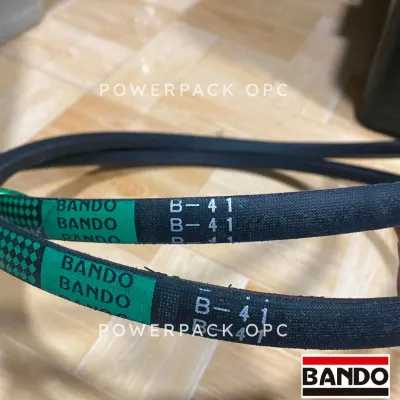
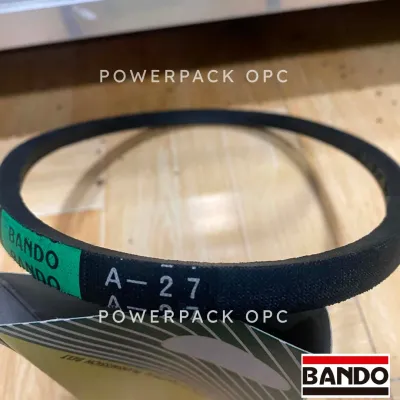
Prices are valid at publication and may change. Please refer to the product page for the latest price.
Over time, heat, dust, and humidity can degrade the rubber, leading to noticeable performance issues. You might experience belt slippage, where the engine revs high but the scooter hesitates to accelerate, or notice a distinct squealing sound during takeoff. A worn belt can also limit your top speed or, in worst-case scenarios, snap entirely, leaving you stranded.
Timing Belts and Accessory Belts in Motorcycles
While drive belts are standard in scooters, certain motorcycles utilize belts for internal engine synchronization or secondary systems. A timing belt coordinates the rotation of the crankshaft and the camshaft, ensuring the engine valves open and close at the precise millisecond required for combustion. Although many motorcycles use metal timing chains, specific touring and multi-cylinder models rely on rubber timing belts for quieter operation and reduced weight.

Some larger performance or touring motorcycles also feature accessory belts. These smaller belts drive secondary components like high-output alternators, water pumps, or superchargers. Because these systems operate under different mechanical loads than a scooter’s drive system, these belts are designed with distinct tooth profiles and tension requirements.
When sourcing a replacement, it is crucial to identify the exact belt type, dimensions, and part number specified by your vehicle manufacturer. Attempting to install a generic automotive belt or a belt designed for a different motorcycle model can lead to severe component mismatch, rapid wear, or catastrophic engine damage.
How to Inspect Your Belts and Decide on Replacement
Regular physical and visual inspections are vital to catch belt wear before a failure occurs. Start by checking the belt for visible signs of deterioration, such as cracks along the inner cogs, fraying edges, or a shiny, “glazed” appearance on the sides caused by excessive heat and slipping. Any missing teeth or deep splits indicate that the belt is structurally compromised and requires immediate replacement.
Because wear is not always visible to the naked eye, you should also measure the belt’s width using a vernier caliper. Compare this measurement, along with the belt’s tension, directly against the wear limits specified in your vehicle’s official service manual. Avoid relying on generic online estimates, as acceptable tolerances vary significantly between different engine displacements and manufacturers.
Working on transmission and engine covers carries inherent safety risks. If inspecting your belt requires removing complex CVT casings, handling specialized clutch compression tools, or exposing sensitive timing covers, stop and consult a qualified professional mechanic. Improperly tensioning a timing belt or incorrectly reassembling a CVT pulley can permanently damage your engine and compromise your safety on the road.
Frequently Asked Questions (FAQ)
Can I use a standard automotive V-belt as a temporary replacement for my scooter?
No, you should never use a standard automotive V-belt as a substitute for a scooter CVT belt. Scooter belts are engineered to handle rapid RPM fluctuations, extreme lateral pressure from shifting pulleys, and high operating temperatures within a sealed transmission case. A standard car belt lacks the specific angle, reinforcement, and heat resistance required for a CVT, which can lead to rapid degradation, slipping, or sudden snapping during acceleration.
How do I know the exact replacement interval for my specific motorcycle or scooter?
The most reliable way to determine your belt’s replacement interval is to consult the maintenance schedule in your vehicle’s owner’s or service manual. This schedule outlines the recommended inspection and replacement mileage under normal operating conditions. However, if you frequently ride in severe conditions—such as heavy stop-and-go traffic, dusty environments, or under heavy loads in tropical heat—you should inspect the belt more frequently than the standard interval suggests.
Community discussion
Share your experience or ask a question. Comments are reviewed before publication.