
Installing a motorcycle brake cover is a popular way to customize a bike’s appearance and shield sensitive braking components from road debris. However, because your brakes are the most critical safety system on your motorcycle, adding any aftermarket accessory to this area requires careful consideration. A brake cover can directly affect both braking performance and overall safety by altering how heat, water, and debris interact with your brake calipers and rotors.
Before purchasing or installing a motorcycle brake cover, you must understand the trade-offs involved. While some designs offer genuine protection against mud and stones, others are purely cosmetic and may restrict the vital airflow needed to cool your brakes. Modifying your braking system carries inherent risks, so always prioritize original-vehicle instructions and consult a qualified mechanic if you are unsure about compatibility or installation.
How Brake Covers Interact with Heat Dissipation
Braking systems work by converting kinetic energy into thermal energy through friction. When you squeeze the brake lever, the brake pads press against the spinning rotor, generating intense heat. Under normal operating conditions, constant airflow across the exposed rotor and caliper dissipates this heat into the surrounding air, keeping the system within its safe operating temperature range.
Products mentioned in this guide
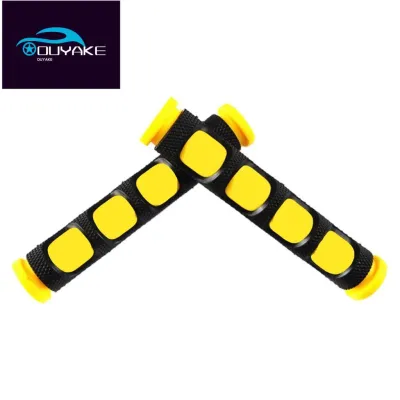
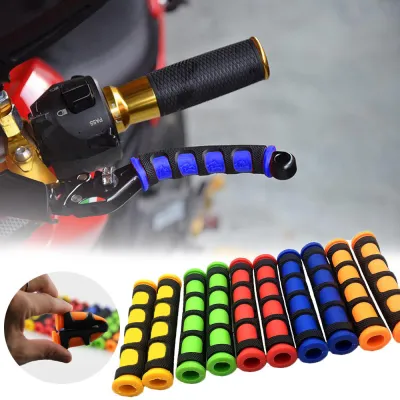
Prices are valid at publication and may change. Please refer to the product page for the latest price.
Adding a motorcycle brake cover introduces a physical barrier between this airflow and the braking components. Fully enclosed cosmetic shields, often made of solid plastic or metal, can severely restrict the air passing over the rotor. This lack of ventilation traps heat within the assembly. In contrast, vented or perforated functional covers are designed with slots or scoops to direct air toward the caliper, attempting to balance protection with cooling.
When heat cannot escape, you may experience a dangerous phenomenon known as brake fade. This occurs when the brake fluid boils or the brake pad material overheats, leading to a spongy lever feel and a drastic reduction in stopping power. You can identify overheating through observable signs such as a soft or fading brake lever, a distinct burning smell, or a dark, rainbow-like discoloration on the surface of the steel rotor.
These heat-related risks escalate dramatically under specific riding conditions. If you frequently navigate steep, continuous downhill mountain roads or find yourself crawling through heavy, stop-and-go urban traffic in high tropical temperatures, your brakes are already working under extreme thermal stress. In these environments, a restrictive brake cover can quickly push your braking system past its safe thermal limits.
Protection Against Dust, Debris, and Water
On the other hand, a well-designed brake cover can offer practical benefits depending on where and how you ride. On unpaved roads or off-road trails, your front wheel constantly kicks up loose gravel, mud, and debris. A durable cover acts as a physical shield, preventing large stones from chipping the rotor or wedging themselves between the brake pad and the caliper, which could cause sudden mechanical failure.

However, this protective barrier is a double-edged sword. While it keeps large debris out, a poorly vented cover can easily trap fine brake dust, road grime, and moisture inside. As brake pads wear down, they shed a fine metallic dust. If this dust cannot escape, it accumulates around the caliper pistons and seals, potentially causing them to stick or wear prematurely.
Wet-weather riding introduces further complications, especially during heavy monsoon downpours. Ideally, a brake rotor sheds water rapidly through centrifugal force as it spins. A poorly designed cover can trap water and road grime against the rotor surface, delaying the time it takes for the brake pads to sweep away the water film and establish solid friction. This delay can momentarily compromise your initial stopping response when you squeeze the lever in the wet.
To evaluate whether a cover is beneficial, you must look closely at your primary riding terrain. If your daily commute consists entirely of paved city streets, the risk of debris damage is low, making a restrictive cosmetic cover a potential safety liability. Conversely, if you frequently ride on muddy provincial roads or gravel trails, a highly ventilated, model-specific guard may provide valuable protection that outweighs the minor airflow restriction.
Physical Compatibility and Installation Risks
Because motorcycles feature tight tolerances around the front fork, wheel spokes, and braking assembly, physical compatibility is a paramount safety concern. Before tightening any mounting bolts, you must manually spin the wheel to check for critical clearances. There must be adequate space between the brake cover, the spinning rotor, the caliper body, and the wheel spokes under all steering angles and suspension loads.
The most severe danger associated with aftermarket brake covers is loose or improper mounting hardware. If a mounting bolt backs out due to road vibration, the cover can shift instantly. A loose cover contacting a spinning wheel or brake disc can lock up the front wheel, leading to an immediate and catastrophic loss of control.
To mitigate this risk, follow the manufacturer’s torque specifications for all mounting hardware. A calibrated torque wrench ensures bolts are neither undertightened nor overtightened, preventing stripped threads or cracked mounting tabs. Applying a medium-strength thread-locking compound also helps resist road vibrations.
Universal-fit brake covers carry a significantly higher risk of interference compared to model-specific designs. Universal covers rely on adjustable brackets and clamps to fit a wide variety of fork legs and calipers, which often results in a less secure fit and a higher likelihood of shifting over time. Model-specific covers, engineered to mount directly to existing factory caliper bolts or fork bosses, offer a much more stable and predictable installation.
When to Avoid or Remove a Brake Cover
Certain scenarios make a brake cover highly impractical. High-performance riding, track days, or spirited riding on twisty roads demand unrestricted cooling. Because your brakes generate extreme heat under these conditions, using any form of brake cover is discouraged.
You should also remove the cover immediately if you observe any abnormal signs of wear or mechanical interference. If you hear unusual squeaking, scraping, or grinding noises after installation, or if you notice scoring marks on the cover or the rotor surface, the cover is making contact with moving parts. Similarly, if your brake lever feels consistently softer or if you notice rotor discoloration after installing the cover, it must be removed to restore proper cooling.
Riding in deep mud, clay, or heavy sand is another scenario where covers can become hazardous. Instead of protecting the brakes, a cover can act as a scoop, trapping abrasive mud and sand inside the caliper assembly. This trapped grit acts like sandpaper, rapidly wearing down your brake pads and scoring your rotors, which severely compromises your stopping power.
Finally, if you have modified your motorcycle with aftermarket calipers, oversized rotors, or custom wheel setups, standard brake covers will likely not fit safely. The altered dimensions of these high-performance components leave virtually no room for aftermarket shields, and attempting to force a fitment can lead to dangerous mechanical interference.
Inspection and Maintenance Checklist
If you choose to run a motorcycle brake cover, establishing a strict routine for inspection and maintenance is essential to ensure your safety on the road. During your pre-ride walkaround, perform a quick visual check of the brake assembly. Look for any signs of rubbing, scoring, or heat discoloration on both the cover itself and the exposed portions of the brake rotor.
Regular cleaning prevents debris accumulation. During your weekly bike wash, use a low-pressure hose and a dedicated brake cleaner to flush out trapped dust and road grime. Avoid using high-pressure washers directly on the caliper, as this can force water and dirt past the rubber seals.
Whenever you perform regular maintenance, such as tire changes or brake pad replacements, take the opportunity to verify the integrity of the cover’s mounting hardware. Check that all bolts remain torqued to the manufacturer’s specifications and inspect the cover for any hairline cracks around the mounting holes, which can develop over time due to road vibrations.
If you ever detect a loose mount, a cracked cover, or persistent brake fade that does not resolve after cleaning, remove the cover immediately. Do not ride with a compromised brake cover. If you are unsure about the condition of your brakes or the safety of the installation, always consult a qualified professional mechanic before heading back out on the road.
Frequently Asked Questions (FAQ)
Do brake covers void the motorcycle warranty?
Generally, installing an aftermarket brake cover will not void your entire motorcycle warranty, but it can void the warranty on related braking components. If a dealership or manufacturer determines that an aftermarket cover caused brake overheating, rotor warping, or caliper damage due to restricted airflow or improper installation, they may deny warranty claims for those specific parts. Always consult your motorcycle manufacturer’s warranty terms and speak with an authorized service center before making modifications.
Are motorcycle brake covers legal for street use?
In the Philippines, vehicle modifications are subject to guidelines set by the Land Transportation Office (LTO). While simple cosmetic covers that do not alter the structural integrity of the braking system are generally tolerated, any modification that compromises vehicle safety or obscures required safety reflectors is illegal. Ensure that your brake cover does not block any factory-installed reflectors, interfere with the operation of your Anti-lock Braking System (ABS) sensors, or alter the vehicle’s legal safety profile.
Can I install a brake cover on both the front and rear wheels?
You can install covers on both wheels, but you must evaluate them differently because front and rear brakes experience different forces. The front brake provides the majority of your motorcycle’s stopping power and consequently generates far more heat, making front airflow restriction highly critical. Rear brakes generate less heat but are positioned closer to the ground, making them more susceptible to road grime, chain fling, and debris, which requires careful clearance checks around the swingarm and drive chain.
Community discussion
Share your experience or ask a question. Comments are reviewed before publication.