
When your motorcycle or scooter starts slipping under load or the lever feels unusually heavy, the clutch is often the culprit. In tropical climates where stop-and-go traffic and high humidity put extra stress on the drivetrain, clutch wear can accelerate quickly. However, searching for a replacement can be confusing due to the varying definitions of a “clutch assembly set.” Some kits offer a complete drop-in replacement, while others only provide the wearable friction components. Understanding exactly what is inside the box and which technical specifications dictate performance and fitment is essential before making a purchase. This guide breaks down the physical components, decodes the critical specs, and outlines how to verify compatibility for your specific ride.
What Is Actually Inside a Clutch Assembly Set?
When shopping for a clutch assembly set, it is vital to distinguish between a full clutch assembly and a standard rebuild kit. A complete clutch assembly typically includes the outer basket, the inner hub, the pressure plate, and all internal hardware. In contrast, a standard rebuild kit usually only contains the wearable friction plates, steel separator plates, and a set of clutch springs.
Each component plays a specific role. The outer clutch basket connects directly to the engine’s primary drive gear and rotates with the engine. The inner clutch hub is splined directly to the transmission input shaft. The friction plates (which feature a high-friction lining) and the steel separator plates are stacked alternately inside the basket and hub. When the clutch lever is released, heavy-duty pressure springs clamp these plates together, locking the basket and hub to transfer power from the engine to the rear wheel.
Products mentioned in this guide
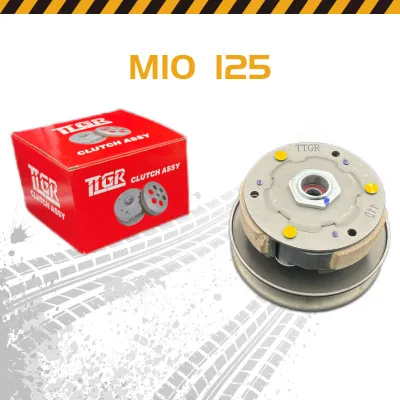
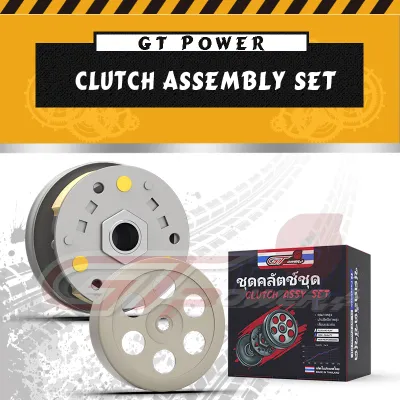
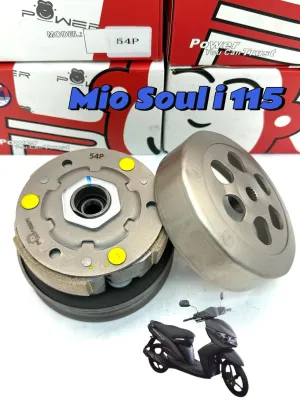
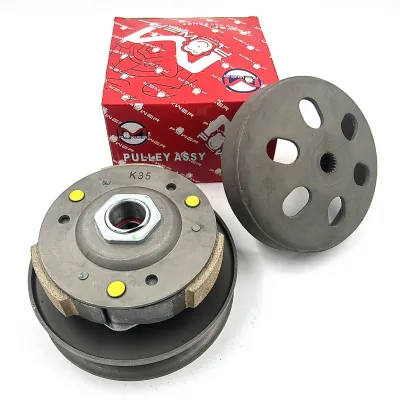
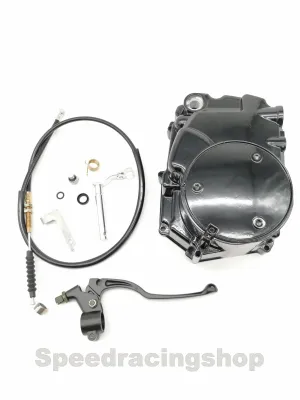
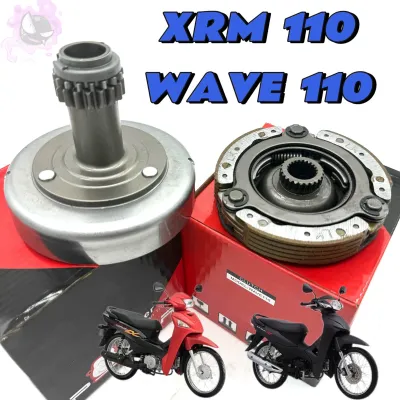
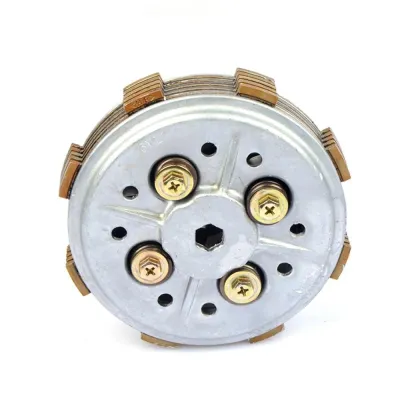
Prices are valid at publication and may change. Please refer to the product page for the latest price.
Before purchasing, verify the included hardware against your vehicle’s official service manual. Some complete assemblies include thrust washers, lock tabs, center hub nuts, and bearings, while others require you to reuse your original hardware. Additionally, you will almost always need a new clutch cover gasket, which is rarely included in basic plate kits but may be bundled in comprehensive assembly sets.
Decoding the Specs: Which Numbers Actually Matter?
Friction plate material is one of the first specifications you will encounter. Common options include organic, Kevlar, and ceramic compounds. Organic or paper-based materials are the standard for daily commuting, offering smooth, predictable engagement and excellent heat dissipation under normal operating conditions. While advanced compounds may offer higher heat tolerance, their exact performance characteristics and longevity must be verified through the manufacturer’s official documentation.

Spring tension and spring rate are equally critical. Stiffer clutch springs increase the clamping force on the plate stack, which helps prevent clutch slippage under heavy loads. However, stiffer springs also increase the effort required to pull the clutch lever. For daily commuting in heavy city traffic, matching the original equipment manufacturer (OEM) spring specification is the safest baseline to prevent hand fatigue while maintaining reliable power transfer.
Physical fitment specifications leave absolutely no room for error. You must verify the inner hub spline count, the outer diameter of the friction plates, the thickness of the individual plates, and the overall stack height. The spline count must match your transmission input shaft exactly to slide into position. Even a minor deviation in plate thickness or overall stack height can prevent the clutch from fully disengaging or cause it to slip constantly, leading to rapid failure.
For standard street use, prioritizing OEM-equivalent dimensions and spring rates is highly recommended. Heavy-duty specifications are generally only necessary if you regularly carry heavy cargo, ride in extremely hilly terrain, or have modified your engine for increased power output.
How to Match the Right Set to Your Motorcycle or Scooter
To ensure a perfect fit, never rely on generic product listings that claim to fit “most 125cc scooters” or “universal underbone motorcycles.” Instead, use a systematic approach to verify compatibility. Start with your vehicle’s exact make, model, production year, and engine displacement. Manufacturers often update transmission designs mid-generation, meaning a clutch set for a 2022 model might not fit a 2024 version of the same motorcycle.
Always cross-reference the OEM part numbers. Locate your motorcycle’s official parts catalog, find the part numbers for the clutch hub, basket, and plate set, and compare them directly against the seller’s compatibility list. If you are purchasing from an online marketplace, look closely at the seller’s fitment chart and read customer feedback to see if other owners of your exact model successfully installed the kit.
When evaluating overall value, look beyond the upfront price tag in ₱. A cheaper, incomplete kit might seem like a bargain, but if you have to purchase a clutch cover gasket, specialized lock washers, and fresh transmission oil separately, the total cost can quickly exceed that of a premium, all-inclusive assembly set. Additionally, check for clear warranty terms and accessible manufacturer contact information, which serve as indicators of product support. Avoid listings with vague compatibility claims, missing technical specifications, or absent manufacturer details.
Installation Boundaries and Safety Checks
Replacing a clutch assembly is a precise mechanical task that requires specific tools and strict adherence to safety protocols. Before starting, ensure you have a dedicated clutch holding tool to secure the basket or hub without causing damage, a calibrated torque wrench to tighten the pressure plate bolts and hub nut, and feeler gauges to measure tolerances. If your installation instructions require pre-soaking the friction plates, use only the manufacturer-recommended engine oil type and follow the label instructions precisely.
All torque specifications, clutch pack stack height measurements, and cable free play adjustments must strictly follow the official service manual for your specific motorcycle or scooter. Under-tightening the main hub nut can cause the assembly to back off during operation, while over-tightening the small pressure plate bolts can easily shear them off inside the hub.
You must establish clear stop conditions during the process. If you remove the old clutch and discover deep grooves worn into the fingers of the original clutch basket, damaged engine case threads, or if the new parts do not physically match the dimensions of the components you removed, halt the installation immediately. Operating a motorcycle with a notched basket or mismatched parts can cause the clutch to hang up, preventing disengagement and creating a severe safety hazard. In these scenarios, or if you lack the specialized tools, consult a qualified professional mechanic to complete the installation.
Frequently Asked Questions (FAQ)
Do I need to replace the clutch cable when installing a new assembly?
While a new clutch cable is not strictly mandatory if your existing cable operates smoothly, installing a new clutch assembly is the most practical time to inspect it. High humidity and road grime can cause internal corrosion, fraying, or stretching over time. Inspect the cable thoroughly near the lever and the clutch arm connection. If you notice any binding or wear, replacing the cable alongside the clutch assembly ensures optimal lever feel and allows you to properly adjust the cable’s free play to accommodate the new clutch pack’s stack height.
Can I mix friction plates from different brands within the same set?
You should strongly avoid mixing friction plates, steel plates, or springs from different manufacturers or different material compounds within the same clutch pack. Clutch components are engineered to work as a cohesive system with matched thicknesses, friction coefficients, and heat expansion rates. Mixing mismatched parts can lead to uneven wear, unpredictable engagement, hot spots on the steel plates, and potential transmission damage due to uneven pressure distribution across the clutch pack.
Community discussion
Share your experience or ask a question. Comments are reviewed before publication.