
In a motorcycle’s transmission, the clutch spring plays a critical mechanical role by providing the clamping force required to squeeze the friction and steel plates together. When the clutch lever is released, these springs expand, pressing the pressure plate against the clutch pack. This friction-based connection transfers engine torque directly to the transmission and rear wheel. If the springs do not exert enough force, the plates will slip, leading to power loss, extreme heat, and accelerated wear. Upgrading or replacing worn springs is a highly cost-effective maintenance step, often costing only a few hundred pesos (₱), whereas ignoring the issue can lead to a completely burnt-out clutch pack requiring expensive repairs. Conversely, altering spring specifications directly changes the physical resistance at the handlebar, altering rider ergonomics and overall control.
Decoding the Three Critical Clutch Spring Measurements
When shopping for a replacement clutch spring set, understanding technical specifications is essential to choosing components that match your motorcycle’s engine output and your riding style. Rather than relying on vague marketing labels on online marketplaces, focusing on three physical dimensions—spring rate, free length, and wire diameter—allows you to make an informed decision for your machine.
Spring Rate (Stiffness) and Lever Feel
Spring rate, measured in Newtons per millimeter (N/mm) or pounds per inch (lbs/in), represents the resistance to compression. This specification directly dictates how much clamping pressure is applied to the clutch pack and the physical effort required to pull the clutch lever.
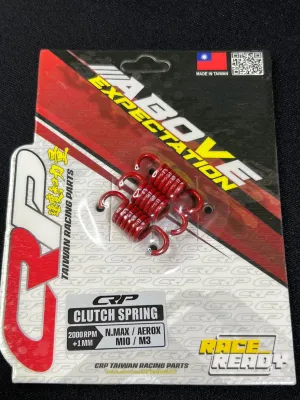
Products mentioned in this guide
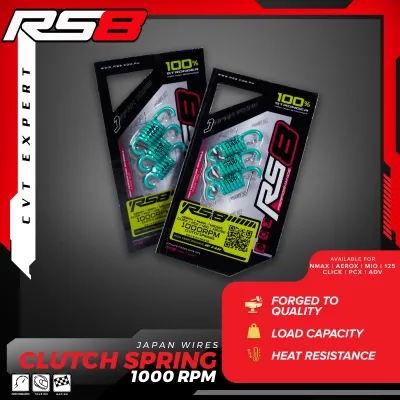
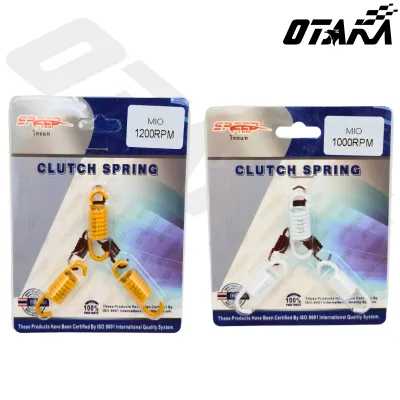

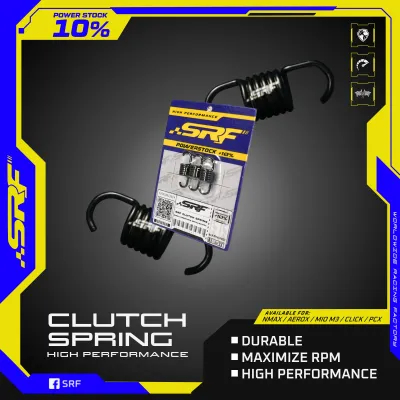
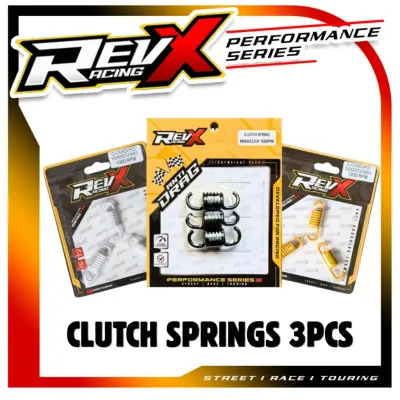
Prices are valid at publication and may change. Please refer to the product page for the latest price.
A higher spring rate increases clamping force, which prevents clutch slippage under high torque. However, this mechanical advantage comes with a clear trade-off: a heavier, more fatiguing clutch lever pull. For riders navigating dense traffic, a stiff spring can cause hand fatigue. It is a common misconception that a stiffer spring is universally better; an excessively stiff spring can ruin the riding experience and strain your clutch cable or hydraulic seals.
Free Length and Engagement Point
Free length is the total, uncompressed physical length of the clutch spring when completely at rest. This measurement determines the baseline preload applied to the clutch pack once the springs are installed and bolted down inside the clutch basket.
Over time, clutch springs are subjected to thousands of heat cycles and mechanical stress inside the engine casing, causing them to sag. As the free length decreases, the springs lose their ability to supply the designed clamping pressure. This reduction in length directly alters the lever’s engagement point, shifting it closer to the grip and causing premature slipping, even if the friction plates still have usable life left.
Wire Diameter and Structural Durability
Wire diameter is the thickness of the individual metal wire used to wind the spring. This physical factor dictates the spring’s overall rate and long-term fatigue resistance.
While riders rarely select springs by wire diameter alone, measuring this dimension helps verify aftermarket product claims. For example, if you are looking at a “heavy-duty” kit, measuring the wire diameter with a digital caliper can confirm whether the manufacturer achieved the higher stiffness through robust material design or simply by shortening the free length. A genuine heavy-duty spring typically features a slightly thicker wire diameter for superior structural durability.
Choosing the Right Spring Rate for Your Riding Style
Selecting the ideal clutch spring rate requires matching the spring’s mechanical properties to your specific riding environment, motorcycle setup, and physical comfort.

Daily Commuting and Stop-and-Go Traffic For riders navigating congested urban streets, such as the daily commute in Metro Manila, sticking to Original Equipment Manufacturer (OEM) specifications is highly recommended. OEM springs balance adequate clamping force with a light lever pull, reducing hand fatigue in heavy traffic.
High-Performance and Track Riding If you have modified your engine to produce more horsepower, participate in track days, or practice aggressive launches, upgrading to a higher spring rate is often necessary to prevent clutch slip under extreme torque.
Touring and Heavy Loads For motorcycles carrying heavy luggage, passengers, or operating under heavy loads—such as utility sidecars or tricycle conversions tackling steep provincial inclines—slightly stiffer springs provide the necessary safety margin to maintain grip on long climbs.
Before upgrading your springs to cure a heavy or sticky lever, always inspect the condition of your clutch cable or hydraulic system, as a frayed cable or degraded fluid can mimic the feel of stiff springs.
How to Diagnose Fatigued or Out-of-Spec Clutch Springs
Diagnosing worn clutch springs before they cause severe damage to your friction plates or clutch basket requires paying attention to both riding symptoms and physical measurements.
Observable Symptoms The most common sign of fatigued springs is clutch slippage under hard acceleration, particularly in higher gears. You might notice the engine RPM rising rapidly while your road speed remains constant, along with a soft, “mushy” lever feel or an inconsistent engagement point.
Measurable Verification To confirm spring fatigue, remove the springs and use a digital caliper to measure the free length of each spring from end to end while it is resting on a flat surface.
The Service Limit Rule Visual inspections are highly unreliable. The only definitive way to judge a spring’s health is by comparing your measured free length against the minimum service limit listed in your motorcycle’s official service manual. If any spring falls below this limit, replace the entire set.
Safety Boundaries and Verification for Clutch Spring Replacement
Replacing clutch springs is a straightforward mechanical task, but it requires strict adherence to safety boundaries to prevent severe engine damage. Because clutch replacement involves the disassembly of critical transmission components, always consult your original-vehicle service manual before beginning. If you lack the necessary tools or mechanical experience, seek qualified professional installation to ensure road safety and prevent engine damage.
Preparation and Fluids Accessing the clutch assembly usually requires draining the engine oil and removing the crankcase side cover. Ensure you work in a clean environment, use a new cover gasket, and dispose of the drained oil responsibly. Only use engine oils and fluids that are authorized by your vehicle manufacturer’s label.
Torque Specifications The bolts holding the clutch spring retainer plate are highly sensitive. Always use a calibrated torque wrench to tighten these bolts to the exact Newton-meter (Nm) specification found in your workshop manual to prevent stripped threads or bolt failure.
Orientation and Matching Never mix old and new springs. Always verify your specific motorcycle model, year, and clutch basket dimensions in the product documentation before purchasing, as compatibility cannot be inferred from a generic category term. Verify that all springs are installed in the correct orientation (as some progressive springs have a specific top and bottom) and match the exact dimensions required for your specific clutch basket model.
Frequently Asked Questions (FAQ)
Can I mix old and new clutch springs during a partial replacement?
Strongly advise against mixing springs. Even slight differences in spring rate or free length will cause uneven pressure across the clutch pack, leading to localized overheating, warped friction plates, and premature failure of the entire clutch assembly. Always replace clutch springs as a complete, matching set.
Will stiffer clutch springs make my motorcycle accelerate faster?
No, clutch springs do not add horsepower or directly increase acceleration. Their sole job is to transfer existing engine power to the transmission without slipping. Stiffer springs only improve acceleration if your current springs are actively slipping under load; otherwise, they simply make the clutch lever harder to pull without providing any performance gains.
Community discussion
Share your experience or ask a question. Comments are reviewed before publication.