
Deciding whether to perform a minor top-end repair or commit to a complete overhaul is a critical turning point for any motorcycle owner. A full engine rebuild becomes necessary when core internal components—such as the crankshaft, main bearings, piston assembly, and cylinder walls—suffer severe wear or physical damage that compromises the entire engine’s structural integrity. While minor issues like a leaking valve cover gasket can be resolved with quick, external fixes, deep-seated mechanical failures require a complete teardown. In the tropical climate of the Philippines, where high ambient temperatures and heavy stop-and-go traffic put immense thermal stress on air-cooled and liquid-cooled underbones, scooters, and backbone motorcycles alike, understanding when to invest in complete engine kits is crucial for restoring reliable performance and preventing catastrophic on-road failures.
Recognizing Critical Engine Symptoms
Identifying the early warning signs of severe internal engine damage can save you from a sudden breakdown on busy highways or remote provincial roads. When an engine begins to fail internally, it communicates through distinct auditory, visual, and performance cues that indicate components are operating outside their design tolerances.
The color of the exhaust smoke is an immediate visual indicator of internal engine health. Blue smoke billowing from the exhaust pipe is a classic sign of oil burning, which typically occurs when worn piston rings or degraded valve stem seals allow engine oil to slip into the combustion chamber. White smoke in a liquid-cooled motorcycle suggests that coolant is entering the combustion chamber, pointing to a blown head gasket or a cracked cylinder head. Black smoke usually indicates an overly rich fuel mixture; while this is primarily a fuel system issue, prolonged rich running can wash protective oil from the cylinder walls, leading to rapid piston and cylinder wear.
Products mentioned in this guide
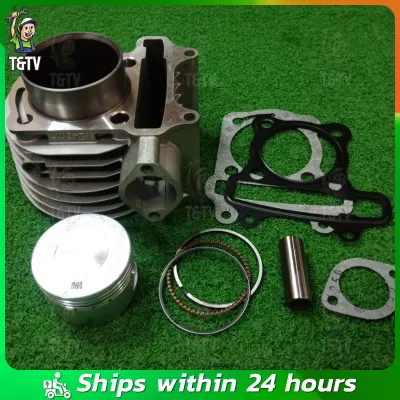
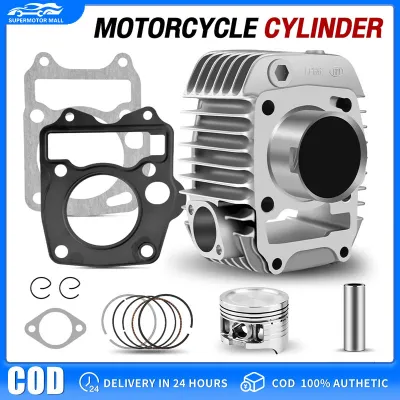
Prices are valid at publication and may change. Please refer to the product page for the latest price.
Abnormal engine noises are another clear indicator of mechanical distress. A deep, rhythmic metallic knocking or thudding sound coming from the bottom end of the engine—especially under acceleration—strongly suggests worn crankshaft main bearings or connecting rod bearings. A lighter, rapid ticking or tapping sound from the top end often points to excessive valve clearance, worn rocker arms, or a loose timing chain. Grinding noises, particularly during starting or gear engagement, can signal dry running, severe bearing failure, or damaged transmission gears within the crankcase.
Performance degradation is the final piece of the diagnostic puzzle. A sudden or gradual loss of engine power, difficulty starting the motorcycle when the engine is hot, and excessive oil consumption are key performance indicators of low compression. When a motorcycle struggles to climb steep inclines, fails to maintain normal cruising speeds, or requires frequent oil top-ups without any visible external leaks, the piston rings and cylinder bore are likely worn beyond their service limits, necessitating a comprehensive rebuild.
Troubleshooting Table: Symptoms, Causes, and Repair Paths
To help you determine the most practical course of action, the table below maps common observable symptoms to their likely internal causes and outlines whether a simple localized repair or a complete engine rebuild kit is required.

| Symptom | Potential Internal Cause | Recommended Action |
|---|---|---|
| Deep metallic knocking from bottom end | Worn crankshaft main bearings or connecting rod bearings | Full engine kit (requires splitting crankcase and replacing bearings) |
| Heavy blue exhaust smoke and rapid oil loss | Severely worn piston rings or scored cylinder wall | Full engine kit (requires cylinder replacement or boring, and new piston assembly) |
| Sweet-smelling white exhaust smoke (liquid-cooled) | Blown head gasket or warped/cracked cylinder head | Top-end repair (replace head gasket, inspect and resurface cylinder head) |
| Rapid ticking or tapping from top end | Loose valve clearance, worn rocker arms, or loose timing chain | Simple repair (adjust valve clearances or replace timing chain and tensioner) |
| Loss of compression with oil in airbox | Excessive blow-by due to worn piston rings or piston slap | Full engine kit (requires complete top-end and piston overhaul) |
| Engine seized (kickstarter or starter won't turn) | Seized piston or seized crankshaft bearings due to oil starvation | Full engine kit (requires complete teardown, inspection, and replacement of damaged parts) |
Please note that this troubleshooting table serves as an initial diagnostic guide based on observable symptoms. A physical teardown and visual inspection of the internal components are always required to confirm the exact extent of the damage before purchasing replacement parts.
Safe Pre-Teardown Checks Before Committing to a Rebuild
Before committing the time and expense of purchasing engine kits and dismantling your motorcycle, it is wise to perform non-invasive, reversible diagnostic checks to confirm that the issue is indeed internal. These steps help rule out external component failures that can easily mimic severe engine damage.
A compression test is one of the most reliable ways to assess the health of your cylinder, piston rings, and valves. To perform this test, thread a compression gauge into the spark plug hole, hold the throttle wide open, and crank the engine several times using the kickstarter or electric starter until the gauge needle stops rising. Compare the reading to the manufacturer’s specification found in your service manual. If the reading is low, pour a teaspoon of clean engine oil into the spark plug hole and repeat the test; if the compression rises significantly, the piston rings are likely worn, whereas if it remains low, the valves or head gasket are the probable culprits. A leak-down test can further pinpoint the leak by pumping compressed air into the cylinder at top dead center and listening for escaping air at the exhaust, intake, or oil filler cap.
Always rule out external factors before assuming the engine needs a full rebuild. A clogged air filter can severely restrict airflow, causing the engine to run rich, lose power, and produce black smoke. A fouled, worn, or incorrectly gapped spark plug can cause persistent misfires, rough idling, and poor throttle response. Additionally, incorrect carburetor tuning or clogged fuel injectors can lead to performance issues that feel like a loss of compression but are easily resolved with cleaning and adjustment.
Finally, verify the level and quality of your engine oil. Drain the oil into a clean pan and inspect it under bright light. The presence of metallic glitter, bronze flakes, or large metal debris indicates severe bearing or gear wear, confirming the need for a complete teardown. If the oil appears milky or frothy, coolant has mixed with the oil, pointing to a failed seal or gasket. If the oil is simply low but clean, topping it up to the correct level may resolve minor noise issues, though prolonged operation with low oil usually causes permanent wear.
When to Stop and Consult a Professional Mechanic
While many motorcycle enthusiasts enjoy the challenge of DIY maintenance, certain engine problems require specialized tools, precise measurements, and technical expertise that go beyond a basic home garage setup. Knowing when to stop and seek professional help is essential to prevent further damage to your machine.
If you encounter a completely seized engine, a cracked crankcase, or severe electrical and sensor failures on modern fuel-injected motorcycles, it is best to consult a certified technician. Splitting the crankcase to access the crankshaft and transmission requires specialized pullers, separators, and press tools. Attempting to force frozen bolts, using excessive heat on aluminum engine cases, or using improper tools to pry cases apart can easily warp or crack the castings, turning a rebuildable engine into scrap metal.
Precision is critical when rebuilding an engine. Measuring cylinder taper, piston-to-wall clearance, crankshaft runout, and bearing oil clearance requires high-quality micrometers, dial indicators, and plastigage. If you do not own these precision measuring instruments or are unfamiliar with how to read them, guessing the clearances can lead to immediate engine failure upon first start. Furthermore, if the cylinder bore is deeply scored and requires boring or honing to fit an oversized piston from an engine kit, this work must be entrusted to a professional automotive machine shop. Always consult the manufacturer’s official service manual for exact torque specifications and clearance limits, and do not hesitate to bring the engine to a professional if any step feels beyond your skill level.
Preventing Premature Engine Failure
An engine rebuild is a major undertaking, and the best way to handle it is to prevent the need for one in the first place. Consistent, proactive maintenance habits can dramatically extend the lifespan of your motorcycle’s internal components and keep it running smoothly for years.
Strict adherence to the manufacturer’s recommended oil change intervals is the single most important maintenance task. Engine oil not only lubricates moving parts but also helps cool the engine and carry away microscopic wear particles. In the hot, dusty, and humid conditions common in the Philippines, oil degrades more rapidly. Always use the correct oil viscosity specified in your owner’s manual and ensure it meets the appropriate standards, such as JASO MA/MA2 for wet-clutch motorcycles or JASO MB for automatic scooters.
Allowing your engine to warm up before riding is another simple yet highly effective habit. When a motorcycle sits overnight, the oil drains back into the oil pan, leaving the top-end components dry. Starting the engine and immediately revving it or riding off under heavy load causes severe friction wear on the camshaft, rocker arms, and piston rings. Letting the engine idle for a minute or two allows the oil pump to distribute fresh lubricant to all critical areas before they are subjected to high RPMs.
Lastly, maintain your cooling and air filtration systems. For liquid-cooled models, regularly check the coolant level and inspect the radiator fins for dirt, mud, or physical damage that could restrict airflow. For air-cooled models, keep the engine cylinder fins clean of road grime to ensure efficient heat dissipation. Keep the air intake system clean and replace the air filter at the recommended intervals; a dirty or torn air filter allows abrasive dust and grit to enter the combustion chamber, acting like sandpaper on your cylinder walls and piston rings.
Frequently Asked Questions (FAQ)
Is it cheaper to rebuild a motorcycle engine or replace it?
Rebuilding a motorcycle engine using a high-quality engine kit is generally much more cost-effective than purchasing a brand-new replacement engine, which can be prohibitively expensive. While buying a used engine might seem like a quick fix, it carries the risk of inheriting unknown mechanical issues. A rebuild allows you to replace only the worn components while retaining the original, known engine casing. However, you must factor in the cost of specialized tools or professional machine shop labor if cylinder boring is required. For older or discontinued motorcycle models, finding a healthy replacement engine can be extremely difficult, making a rebuild kit the only practical way to keep the motorcycle on the road.
Can I reuse old gaskets and seals from an engine kit?
No, you should never reuse old gaskets, O-rings, or oil seals during an engine rebuild. These components are designed to compress and deform to create a tight, leak-proof seal when the engine fasteners are torqued to specification. Once they have been compressed and subjected to engine heat and pressure, they lose their elasticity and cannot seal effectively a second time. Reusing old sealing components almost guarantees oil leaks, coolant leaks, or vacuum leaks, which can lead to loss of compression, engine overheating, or catastrophic oil starvation. Always use the fresh gaskets and seals included in your new engine kit to ensure a reliable, long-lasting rebuild.
Community discussion
Share your experience or ask a question. Comments are reviewed before publication.