
Selecting the right fiber for exhaust pipe applications is a critical decision for any motorcycle owner looking to optimize performance, manage extreme temperatures, and control noise levels. Motorcycle exhaust systems rely on specialized fiber materials—primarily fiberglass, ceramic fiber, basalt fiber, and high-silica fiber—to serve as thermal barriers and acoustic dampeners. Each material possesses distinct heat resistance limits and physical characteristics, making them suitable for specific zones of the exhaust tract.
Using the incorrect material or exceeding its thermal threshold can lead to rapid degradation, loss of sound suppression, and even severe fire hazards. To make an informed decision for your motorcycle, you must understand how these materials behave under intense thermal loads and how to match them to your specific modification or repair requirements.
The Role of Fiber Materials in Motorcycle Exhaust Systems
Fiber materials in a motorcycle exhaust system perform two primary functions: thermal management and acoustic control. Because internal combustion engines generate substantial heat, the exhaust gas exiting the cylinder head can reach temperatures that threaten nearby components. Fiber wraps and shields keep this heat contained within the exhaust piping, protecting sensitive motorcycle parts such as plastic fairings, electrical wiring harnesses, fuel lines, and even the rider’s legs from radiant heat damage. This is particularly crucial in tropical environments like the Philippines, where high ambient temperatures and slow-moving traffic can quickly cause engines and exhaust systems to overheat.
Products mentioned in this guide
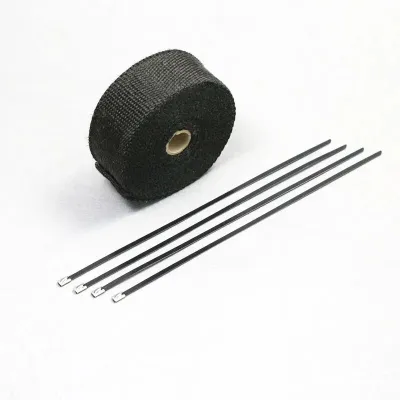
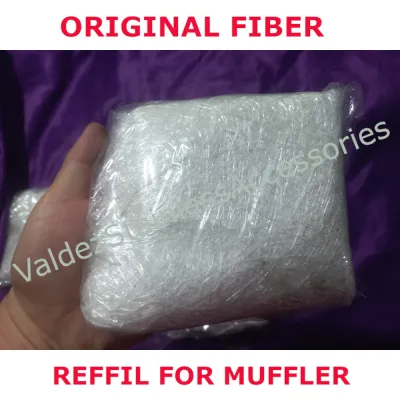


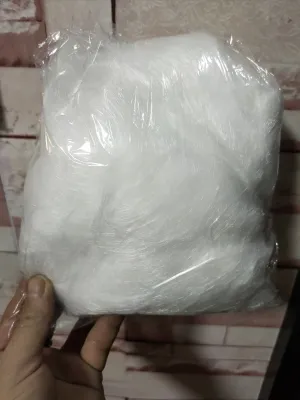
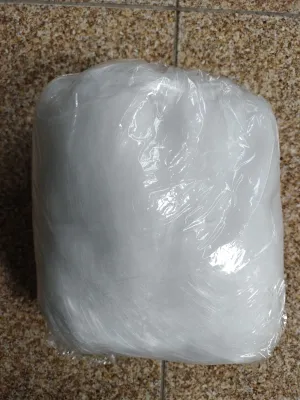
Prices are valid at publication and may change. Please refer to the product page for the latest price.
Beyond thermal protection, these fibers are essential for sound dampening. Inside a motorcycle’s muffler or silencer, acoustic waves travel through a perforated inner core. Surrounding this core is a packed layer of sound-absorbing fiber. As the high-pressure exhaust pulses pass through, the fiber material absorbs and dissipates the acoustic energy, transforming harsh, high-decibel noise into a deeper, more controlled tone.
Operating in an exhaust environment is incredibly demanding. The fiber must withstand constant high-frequency vibrations, exposure to corrosive combustion byproducts, moisture from condensation, and rapid thermal cycling. Choosing a sub-par or non-automotive grade material will result in the fiber breaking down quickly, blowing out of the tailpipe, and leaving you with an excessively loud and dangerously hot exhaust system.
Common Exhaust Fiber Materials and Heat Resistance Profiles
Different sections of a motorcycle exhaust system experience vastly different temperature ranges. The headers and collector pipes closest to the engine cylinder head run significantly hotter than the mid-pipe and the muffler section. Consequently, manufacturers and aftermarket builders utilize different fiber classes depending on the localized thermal load.

Fiberglass (Glass Wool)
Fiberglass, often referred to as glass wool, is the most common and cost-effective material used for general-purpose motorcycle muffler packing. It consists of extremely fine glass fibers woven or bundled together to form a lightweight, highly porous barrier. This structure makes it exceptionally good at absorbing mid-to-high frequency sound waves, which is why it is the standard packing material for many stock and aftermarket slip-on silencers.
However, fiberglass has a relatively moderate heat tolerance compared to advanced mineral or ceramic fibers. While it performs reliably inside the cooler environment of a muffler, it cannot withstand the direct, concentrated heat of exhaust headers or primary pipes. If subjected to temperatures beyond its continuous operating limit, the glass fibers will vitrify, melt, and eventually blow out of the exhaust system. Always check the manufacturer’s technical data sheet (TDS) to verify the maximum continuous operating temperature of a fiberglass product before installing it in your silencer.
Ceramic Fiber
Ceramic fiber is a heavy-duty material engineered specifically for high-heat environments. Made from alumina-silica materials, ceramic fibers can endure extreme thermal loads without losing their structural integrity or insulating properties. This makes ceramic fiber wraps and blankets the industry standard for wrapping exhaust headers and packing high-performance or racing mufflers that run much hotter than standard street setups.
In addition to its superior heat resistance, ceramic fiber offers excellent resistance to chemical attack and mechanical vibration. However, because manufacturing methods and chemical compositions vary, you must verify the specific product ratings on the packaging. When handling raw ceramic fiber, it is vital to take safety precautions. The loose fibers can easily become airborne, causing severe skin, eye, and respiratory tract irritation if handled without protective gear.
Basalt Fiber
Basalt fiber is a high-performance material manufactured by melting natural volcanic basalt rock at extremely high temperatures and extruding it into continuous filaments. This volcanic origin gives basalt fiber exceptional natural heat retention properties, making it a highly durable option for exhaust wraps and thermal barriers. It acts as a premium alternative to standard fiberglass, offering a higher thermal threshold and greater structural resilience.
One of basalt’s primary advantages is its inherent resistance to moisture, acids, and alkalis. In humid, tropical climates, where condensation can accumulate inside the exhaust system during cool-down cycles, basalt fiber resists water absorption and chemical degradation far better than fiberglass. This prevents the wrap from holding moisture against the metal pipes, reducing the risk of rust and corrosion. Always consult the product packaging to verify the specific thermal limits and recommended installation techniques for basalt wraps.
Carbon Fiber and Silica-Based Fibers
There is often confusion surrounding the use of carbon fiber in exhaust systems. While carbon fiber is highly prized for its strength-to-weight ratio and distinct aesthetic appeal, its use is primarily structural. It is commonly used for outer muffler sleeves or decorative heat shields. However, standard carbon fiber is not suitable for direct, flexible pipe wrapping. The epoxy resins and binders used to hold carbon fiber sheets together have relatively low thermal limits; direct contact with a hot exhaust pipe will cause these resins to burn, discolor, and fail.
In contrast, high-silica fibers are designed specifically for extreme thermal insulation. Composed of nearly pure silicon dioxide, silica fibers can withstand continuous exposure to extreme temperatures. These fibers are typically woven into heavy-duty fire sleeves, mats, or high-temperature wraps to protect critical fuel lines and electrical cables that run in close proximity to the hottest sections of the exhaust system. Never substitute standard carbon fiber for a high-silica thermal barrier.
Choosing the Right Fiber for Your Modification or Repair
Selecting the correct fiber material depends entirely on the specific task you are performing. Attempting to use a single material for every exhaust application can lead to poor performance, component damage, or safety hazards. Use the following framework to match the material to your project:
- Muffler Repacking: If your goal is to restore a quiet exhaust note or rebuild a degraded silencer, focus on acoustic absorption and moderate thermal limits. Standard fiberglass wool or specialized ceramic packing mats are the ideal choices here. Always consult your muffler manufacturer's guidelines to determine the correct volume and density of packing material required, as over-packing can make the exhaust too loud, while under-packing leads to rapid material blowout.
- Exhaust Pipe Wrapping (Heat Shields): For wrapping external pipes to lower engine bay temperatures or protect surrounding bodywork, prioritize flexibility and high thermal resistance. Ceramic or basalt fiber wraps are the standard choices. These wraps help retain thermal energy within the exhaust gas, which can improve scavenging efficiency while keeping external radiant temperatures low.
- Component Protection: If you need to protect delicate plastic fairings, wiring harnesses, or the underside of a fuel tank from radiant heat, use adhesive-backed silica or ceramic fiber barrier mats. These can be applied directly to the inside of the fairings to reflect heat away from vulnerable surfaces.
Before purchasing any fiber material, cross-reference its rated thermal limits with the estimated surface temperatures of your motorcycle’s exhaust system. Always avoid using generic, non-automotive rated fibers, as they lack the binders and structural integrity required to survive the harsh environment of an active exhaust system.
Installation Safety and Noise Compliance in the Philippines
Working with exhaust fiber materials requires careful attention to personal safety. Raw fibers—particularly fiberglass and ceramic wool—release microscopic, needle-like particles into the air when cut, wrapped, or packed. These particles can cause intense skin itching, eye irritation, and respiratory discomfort. Always wear appropriate personal protective equipment (PPE), including heavy-duty work gloves, a well-fitting dust mask (N95 or higher), safety goggles, and long-sleeved clothing. Wetting the material slightly with water can also help minimize airborne fibers during the installation process.
Proper installation is equally critical to ensure the material performs safely over time. When applying exhaust wraps, ensure the material is wrapped tightly with a slight overlap (typically around 1/4 inch) to prevent gaps. Secure the wrap firmly at both ends using high-quality stainless steel locking ties or safety wire. Loose wraps can unravel while riding, potentially catching on moving components like the drive chain or rear wheel, or contacting hot engine parts, which poses a severe safety hazard.
Finally, motorcycle owners in the Philippines must remain highly conscious of local noise and modification regulations. The Land Transportation Office (LTO) and various local government units (LGUs) enforce strict decibel limits on motorcycle exhausts to curb noise pollution. While repacking your muffler with high-quality fiberglass or ceramic fiber is an excellent way to keep your exhaust quiet and compliant, any modification must not exceed legal decibel thresholds. Ensure that your aftermarket silencer is properly maintained with fresh packing material to avoid costly fines, vehicle impoundment, or failing mandatory emission and safety inspections.
Frequently Asked Questions (FAQ)
Can I use regular household insulation fiber for my motorcycle exhaust?
No, you should never use household insulation fiber for a motorcycle exhaust. Household insulation is not designed to withstand the extreme temperatures, constant high-frequency vibrations, and chemical exposure of an automotive exhaust system. The binders used in household insulation will quickly burn off, creating toxic fumes, severe fire hazards, and rapid material blowout.
How do I know when my muffler packing fiber needs to be replaced?
Your muffler packing likely needs replacement if you notice a significant increase in exhaust volume, a tinny or hollow sound, or if the muffler body becomes excessively hot to the touch. In severe cases, you may see dark discoloration on the outer metal sleeve of the muffler or observe loose fiber strands blowing out of the exhaust tip.
Does wrapping my exhaust pipe with fiber void my motorcycle's warranty?
Wrapping your exhaust pipe can alter the thermal dynamics of the system, retaining more heat within the metal. This increased heat can sometimes accelerate metal fatigue or cause cracking in low-grade steel pipes. Because this modifies the stock operating conditions, it can affect your warranty coverage. Always consult your motorcycle dealer or manufacturer before applying heat wraps to a vehicle under warranty.
Community discussion
Share your experience or ask a question. Comments are reviewed before publication.