
A flexible exhaust pipe is a specialized, vibration-absorbing joint designed to relieve physical stress on a motorcycle’s exhaust system. By isolating the intense vibrations generated by the engine, this component prevents welds, headers, and mounting brackets from cracking over time. Whether you are installing a custom slip-on muffler, routing a bespoke exhaust line, or repairing a recurring crack on a daily commuter, understanding how a flex pipe functions helps you make informed choices for your motorcycle’s exhaust setup.
In the Philippines, where road conditions can vary from smooth highways to uneven, pothole-ridden streets, motorcycles are subjected to constant physical jarring. This external movement, combined with the natural torque and vibration of the engine, places immense structural strain on rigid metal pipes. A flexible exhaust pipe acts as a mechanical buffer, ensuring that these forces do not translate into costly exhaust failures.
What Is a Flexible Exhaust Pipe on a Motorcycle?
A flexible exhaust pipe is a multi-layered metal coupling designed to permit minor movement within an otherwise rigid exhaust system. Structurally, the core consists of a corrugated metal bellows. This inner bellows is engineered to expand, contract, and flex slightly in response to mechanical forces. To protect this delicate inner structure from external road debris and over-extension, manufacturers encase the bellows in a tightly woven, braided stainless steel wire shield.
Products mentioned in this guide
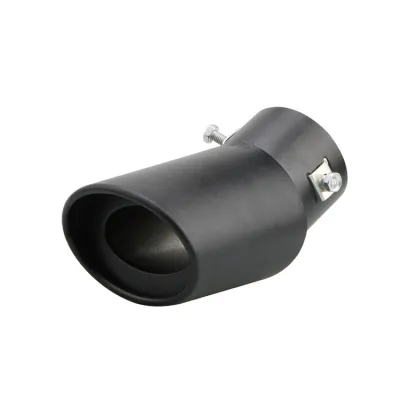
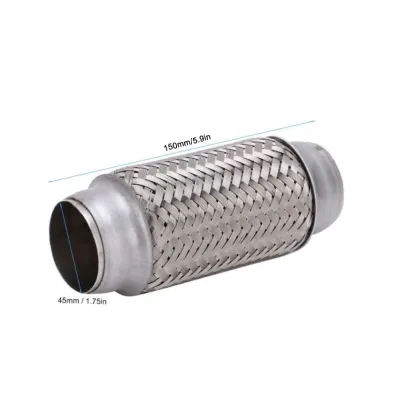
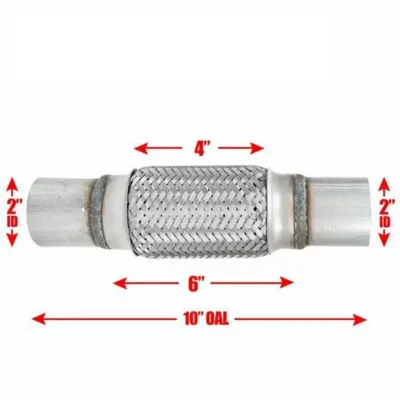
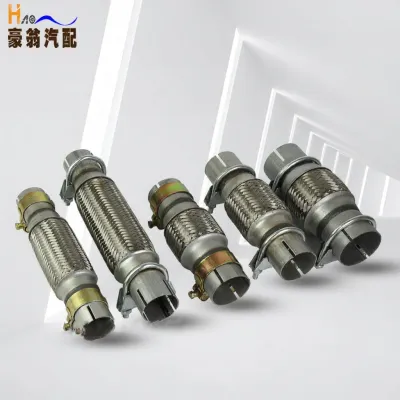
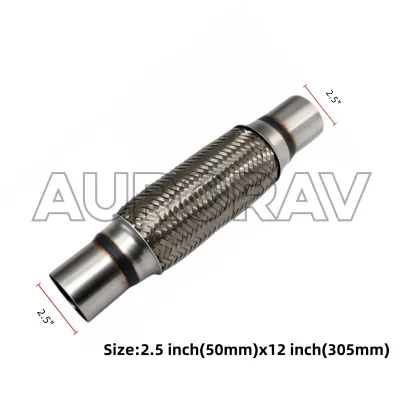
Prices are valid at publication and may change. Please refer to the product page for the latest price.
Mechanically, the flex pipe acts as a dedicated stress reliever between the engine and the motorcycle frame. Because the engine is mounted to the chassis—often using rubber bushings that allow for slight movement under load—it shifts dynamically during acceleration, deceleration, and gear shifts. Meanwhile, the rear portion of the exhaust system is securely bolted to the rigid motorcycle frame or passenger footpeg hangers. Without a flexible joint, this relative movement forces the exhaust tubing to bend, leading to metal fatigue and eventual structural failure.
It is crucial to understand that a flexible exhaust pipe is not a substitute for a rubber hose. It cannot be bent into permanent, sharp angles to bypass major frame obstacles. Instead, its purpose is to accommodate micro-movements, chassis flex, and the natural thermal expansion that occurs as exhaust gas temperatures rise and fall. Forcing a flex pipe into an extreme angle during installation restricts its ability to absorb movement, defeating its purpose and causing premature failure of the braided mesh.
Key Specifications Decoded for Your Exhaust Setup
Selecting the correct flexible exhaust pipe requires careful attention to technical dimensions and material properties. Installing an incompatible part can restrict engine performance, cause physical clearance issues, or result in rapid material degradation. When browsing options on local online marketplaces or consulting a custom fabrication shop, keep several critical specifications in mind.

Inner Diameter (ID) and Exhaust Flow
The inner diameter of the flexible exhaust pipe must match or slightly exceed the outer diameter of your existing exhaust headers. If you select a flex pipe with an inner diameter that is too small, you create a physical bottleneck in the system. This restriction increases backpressure, which prevents the engine from breathing efficiently, reduces horsepower, and can cause the engine to run hotter than intended.
Furthermore, the internal corrugated texture of a flex pipe naturally creates more turbulence than a smooth, mandrel-bent solid pipe. Because this texture disrupts the smooth, laminar flow of escaping exhaust gases, maintaining the correct inner diameter is even more critical. Ensuring a precise match at the joint transitions helps minimize turbulence and prevents performance losses on both small-displacement underbones and larger sportbikes.
Length and Movement Range
The overall length of the flexible joint directly dictates its flexibility and capacity to absorb movement. A flex pipe that is too short will lack the range of motion needed to isolate engine vibrations effectively, transferring the physical stress back to the welds and header flanges. Over time, this concentrated stress will cause the rigid sections of your exhaust system to crack.
Conversely, choosing a pipe that is too long presents its own set of challenges. An excessively long flexible section may sag under its own weight, significantly reducing your motorcycle’s ground clearance. This poses a major hazard when navigating speed bumps or flooded streets. Additionally, an oversized flex pipe can interfere with moving parts, such as the rear swingarm or suspension linkages. Always measure the physical gap in your exhaust line and account for expected engine movement before finalizing your purchase.
Material Construction and Heat Limits
Because the exhaust system operates under extreme thermal conditions, material selection is paramount. High-quality flexible exhaust pipes are typically constructed from stainless steel, with grades like 304 or 321 being the industry standards for the inner bellows and outer braid. Stainless steel offers excellent resistance to rust and oxidation, which is vital in the humid, tropical climate of the Philippines where moisture and salt air can rapidly corrode mild steel components.
However, do not assume that all stainless steel pipes perform identically under high temperatures. The exact heat tolerance of a flex pipe depends on the manufacturer’s specific design, wall thickness, and alloy composition. Exhaust gases exiting the cylinder head can reach extreme temperatures, especially under heavy loads. Always check the manufacturer’s product label or technical specification sheet to verify the maximum temperature rating before installing a flex pipe close to the engine header.
When Do You Actually Need a Flex Pipe?
A flexible exhaust pipe is not a cosmetic upgrade; it is a functional necessity designed to solve specific mechanical issues. Determining whether your motorcycle requires one depends on your current modification goals or the recurring maintenance issues you face.
- Aftermarket Exhaust Alignment: When installing aftermarket slip-on mufflers or full exhaust systems, you may find that the new mid-pipe does not align perfectly with the factory engine header. Forcing these rigid components together using mounting bolts creates severe static tension. Introducing a flexible joint resolves this misalignment, allowing the components to mate cleanly without putting constant stress on the engine studs.
- Custom Exhaust Routing: If you are fabricating a custom exhaust layout to clear aftermarket rearsets, custom frame modifications, or wider rear tires, a flex pipe provides the slight physical deviation needed to route around structural components safely. It allows the pipe to pass closely to the chassis without transferring engine vibrations directly into the frame.
- Preventing Cracked Welds on Commuters: Single-cylinder motorcycles, common in daily commuting and delivery services, produce high-frequency vibrations that can easily crack rigid factory welds. If you find yourself repeatedly welding cracked brackets near the muffler or header junction, installing a flexible exhaust pipe in the mid-section will isolate these vibrations, providing a permanent fix to a recurring structural headache.
Installation Boundaries, Safety, and Compliance
Modifying a motorcycle’s exhaust system involves working with components that operate at extreme temperatures and directly affect vehicle safety. Before undertaking any cutting, welding, or physical modifications, always consult your motorcycle’s official service manual to understand the routing and mounting specifications of the original system. If you do not have experience with metal fabrication, it is highly recommended to have the flexible pipe welded and installed by a qualified professional mechanic or exhaust specialist.
Safety boundaries must be maintained during installation. A flexible exhaust pipe is designed solely to absorb vibration and minor movement; it cannot support the static weight of your exhaust system. You must never use a flex pipe as a substitute for proper exhaust hangers, rubber-insulated brackets, or frame mounts. The muffler and mid-pipe must still be securely supported by rigid mounts to prevent the flexible joint from sagging, twisting, or dragging on the road.
Finally, ensure that any exhaust modification complies with local Land Transportation Office (LTO) regulations in the Philippines. Local laws strictly regulate motorcycle noise levels, exhaust emissions, and structural modifications. Before finalizing your custom exhaust build, verify that your modified system meets the required decibel limits and emissions standards. Regularly inspect the flexible joint for signs of exhaust leaks, frayed outer braiding, or soot accumulation, as leaks can negatively affect engine performance and lead to regulatory compliance issues during vehicle registration.
Frequently Asked Questions (FAQ)
Can I use an automotive flex pipe on a motorcycle?
While the basic engineering principle is identical, using an automotive flex pipe on a motorcycle is generally not recommended. Automotive components are designed for much larger engine displacements, meaning their inner diameters are typically too wide for motorcycle headers, resulting in a loss of exhaust velocity and low-end torque. Additionally, automotive flex pipes are significantly heavier and bulkier, which can create severe fitment issues, compromise ground clearance, and add unnecessary weight to a lightweight motorcycle chassis. Always source components specifically sized and rated for motorcycle applications.
Does a flex pipe reduce exhaust performance?
For standard street riding and daily commuting, a correctly sized flexible exhaust pipe has a negligible impact on overall engine performance. While it is true that the corrugated inner wall of the bellows creates slight gas turbulence compared to a perfectly smooth, mandrel-bent solid pipe, this minor disruption does not noticeably affect power delivery on public roads. For high-performance racing or track-only builds where every fraction of exhaust flow efficiency is critical, builders generally prefer rigid, perfectly aligned custom piping; however, for street-legal motorcycles, the structural protection against vibration damage far outweighs any minor flow restriction.
Community discussion
Share your experience or ask a question. Comments are reviewed before publication.