
A motorcycle fuel pump typically fails due to electrical faults, physical flow restrictions, or internal mechanical wear. Before dismantling your bike, always prioritize safety by switching off the ignition, working in a well-ventilated space, and ensuring there are no active sources of sparks near the fuel tank. To perform an immediate diagnostic check, turn your ignition key to the “ON” position without cranking the engine. You should hear a brief, distinct humming or whirring sound from the tank area for a few seconds as the system primes. If there is absolute silence, you are likely dealing with an electrical interruption or a completely seized motor.
Recognizing the Symptoms of a Failing Fuel Transfer Pump
Recognizing how your motorcycle behaves when the fuel delivery system begins to degrade can save you hours of unnecessary troubleshooting.
No Fuel Delivery: The most obvious sign of a total failure is an engine that cranks vigorously but refuses to catch or start. The spark plugs are firing and the starter motor is turning, but no fuel reaches the combustion chamber.
Products mentioned in this guide
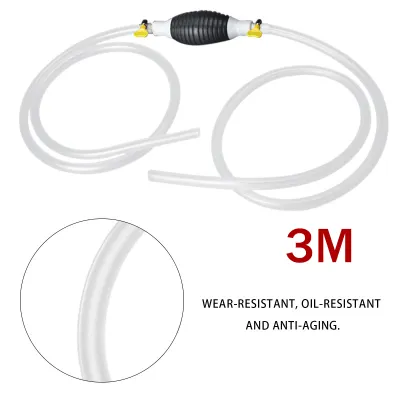
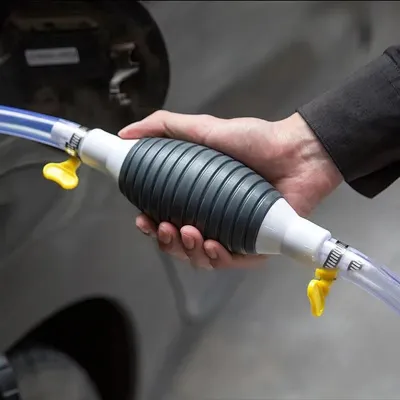
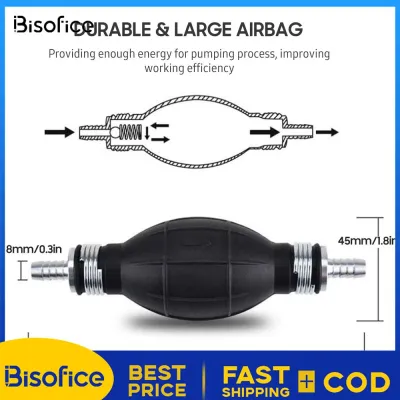
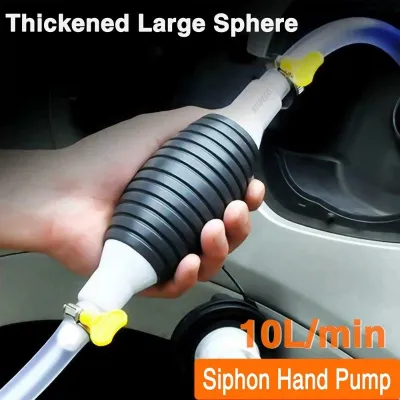
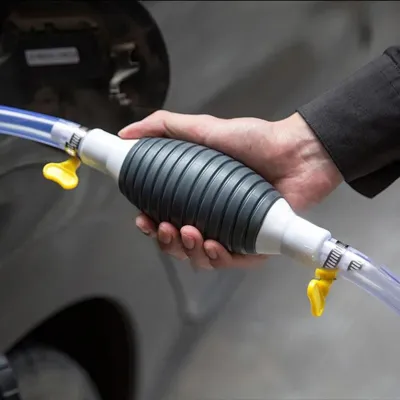
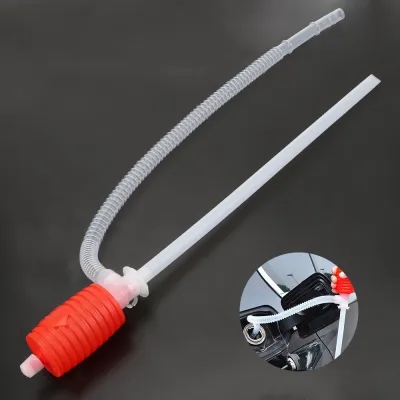
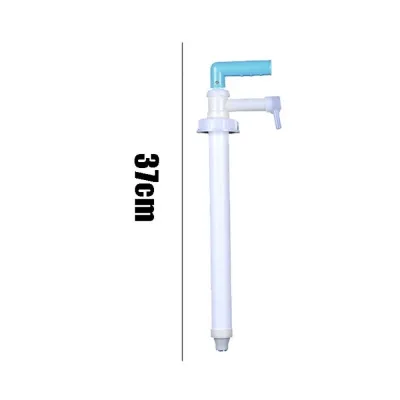
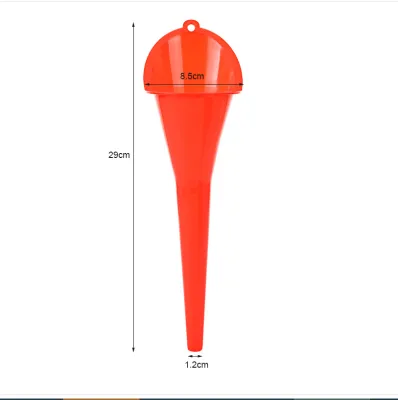
Prices are valid at publication and may change. Please refer to the product page for the latest price.
Weak Flow and Hesitation: If the pump is struggling but not entirely dead, you will notice a severe drop in performance. The motorcycle may idle smoothly but sputter, hesitate, or lose power when you twist the throttle for heavy acceleration. This happens because the weakened pump cannot maintain the required pressure under high-demand conditions.
Audible Warning Signs: A healthy pump makes a consistent, low-pitched hum during startup. If you hear an unusually loud, high-pitched whining, erratic clicking, or buzzing coming from inside the fuel tank, the internal bearings or impellers are likely failing. Conversely, a complete lack of sound indicates the pump is not receiving power or the motor has burned out.
Step-by-Step Troubleshooting for Common Fuel Pump Issues
Isolating a fuel delivery issue requires a systematic approach. Instead of immediately pulling the pump out of the tank, start with the easiest external components to rule out simple electrical or physical blockages.

Checking Electrical Connections and Fuses
Electrical issues are incredibly common, especially in tropical climates where high humidity and heavy rain can accelerate terminal corrosion.
Inspect the Fuses and Relays: Locate your motorcycle’s main fuse box, typically found under the seat or behind a side cover. Check the fuse dedicated to the fuel pump or ignition system. A broken metal filament inside the plastic housing indicates a blown fuse. Next, locate the fuel pump relay. Relays can fail internally; if you suspect a faulty relay, you can temporarily swap it with an identical, non-critical relay from the fuse box (such as the horn relay) to see if the pump primes.
Examine the Wiring Harness: Trace the wiring harness leading from the main loom to the fuel tank connector. Look for signs of physical damage, such as frayed insulation, pinched wires, or loose pins inside the plastic connectors. Unplug the connector and inspect the metal terminals for green or white corrosion, which restricts current flow.
Test with a Multimeter: Set your digital multimeter to measure direct current (DC) voltage. Insert the test probes into the harness-side connector pins that supply power and ground to the pump. Turn the ignition key to the “ON” position. The meter should display battery voltage (typically around 12 volts) for a few seconds during the priming cycle. If voltage is present but the pump does not run, the issue lies within the pump assembly itself. If there is no voltage, you must trace the circuit back to find the break or bad ground.
Inspecting Fuel Lines, Filters, and Tank Vents
Physical blockages can easily mimic the symptoms of a dead pump by starving the engine of fuel.
Check the Fuel Lines: Inspect all external fuel hoses running from the tank to the throttle body or carburetor. Look for sharp kinks, pinches from poorly routed lines under the seat, or soft spots where the hose might be collapsing internally. Replace any hoses that show signs of dry rotting, cracking, or swelling.
Inspect the Fuel Filter: Over time, fine debris and fuel varnish can clog the inline fuel filter. A heavily restricted filter forces the pump to work much harder, leading to premature failure. If your motorcycle uses an external inline filter, disconnect it and check for blockages. If the fuel flowing out of it contains dark sediment or if you cannot easily blow air through it, replace it immediately.
Verify Tank Ventilation: As fuel is drawn out of the tank, air must enter to replace it. If the gas cap vent or tank breather hose becomes clogged with dirt or road debris, a vacuum forms inside the tank. This vacuum eventually overpowers the pump, stopping the flow of fuel. To test this, try starting the motorcycle with the gas cap open. If the engine runs normally with the cap open but dies shortly after closing it, your tank vent is blocked.
When to Repair vs. Replace the Fuel Transfer Pump
Deciding whether to rebuild your existing setup or purchase a completely new unit depends on the nature of the failure and the condition of the internal components.
When to Clean or Repair: If your diagnostics reveal that the pump motor still runs but suffers from low pressure, the culprit might be a heavily clogged pickup screen (often called the fuel pump “tea bag”) inside the tank. Cleaning this screen with fresh fuel or replacing just the screen and the external filter can restore proper flow. Rebuild kits, which include new seals, O-rings, and a small electric motor, are an excellent, cost-effective option if the plastic housing and fuel sending unit are still in perfect condition. This can save you thousands of ₱ compared to buying a complete OEM assembly.
When to Replace: A complete replacement is unavoidable if the pump motor is seized, emits a burnt electrical odor, or has suffered internal mechanical damage. If the impeller is cracked or the internal pressure regulator is faulty, attempting a partial repair is risky. Additionally, if your motorcycle has high mileage and the fuel tank shows signs of rust, installing a complete new assembly ensures long-term reliability and prevents debris from immediately ruining a new individual motor.
Safety Boundaries and When to Seek Professional Help
Working on a motorcycle’s gas pump transfer system involves handling highly flammable fuel and pressurized lines. You must observe strict safety protocols to prevent accidents.
Depressurize the System: Fuel-injected motorcycles operate under high pressure. Before disconnecting any fuel lines, you must relieve this pressure to prevent fuel from spraying onto hot engine components or into your eyes. To do this safely, locate the fuel pump fuse, remove it, and crank the engine for a few seconds until it stalls. This safely bleeds off the residual pressure in the lines.
Prepare the Workspace: Always work in an open, well-ventilated area—ideally outdoors or in a garage with open doors to prevent toxic and flammable fuel vapors from accumulating. Keep a rated fire extinguisher nearby. Absolutely prohibit smoking, open flames, or the use of power tools that could generate sparks near your workspace.
Know When to Call a Professional: While basic electrical checks and filter replacements are manageable DIY tasks, some situations require professional intervention. If you discover severe rust scaling inside your metal fuel tank, the tank must be professionally cleaned or sealed. Furthermore, if your motorcycle features a complex electronic control unit (ECU) that requires digital calibration after a pump replacement, or if you lack the specialized fuel pressure gauges and sealing tools needed to guarantee a leak-free installation, take your bike to a certified mechanic.
Preventive Maintenance to Extend Fuel Pump Life
Proactive care is the most effective way to maximize the lifespan of your motorcycle’s fuel delivery system.
Keep the Tank Filled: The electric motor inside a submersible fuel pump relies on the surrounding fuel to keep it cool and lubricated. Regularly running your motorcycle with the fuel level below a quarter tank exposes the pump to air, causing it to run hot and accelerate wear. Try to maintain a healthy fuel level, especially during long rides in hot weather.
Use Fuel Stabilizers: If you plan to store your motorcycle or leave it unused for more than a few weeks, add a high-quality fuel stabilizer to the tank and run the engine for a few minutes to distribute it. Untreated fuel quickly degrades, forming sticky varnish and gum that can clog the pump’s internal components and fine filter mesh.
Follow Service Intervals: Do not wait for your motorcycle to sputter before servicing the fuel system. Adhere strictly to the manufacturer’s recommended intervals for replacing the fuel filters. Periodically inspect the inside of the tank with a flashlight to catch early signs of rust or debris accumulation before it can migrate into the pump.
Frequently Asked Questions (FAQ)
Can I bypass the fuel pump relay to test the pump?
Bypassing a fuel pump relay by jumping the terminals with a wire is a common diagnostic trick, but it carries significant risks. If done incorrectly, you can easily cause a short circuit, melt your wiring harness, or permanently damage your motorcycle’s expensive electronic control unit (ECU). A much safer alternative is to use a digital multimeter to verify that power is reaching the relay socket, or to temporarily swap the suspect relay with an identical, known-working relay from another circuit on the bike.
How do I know if the issue is the fuel filter or the pump?
Distinguishing between a clogged filter and a failing pump requires observing how the symptoms develop. A clogged fuel filter typically causes a gradual decline in performance over several weeks, characterized by sputtering at high speeds or a lack of power under heavy load, while the engine still starts easily. A failing fuel pump motor often presents as a sudden, catastrophic failure, such as a complete refusal to start or a sudden engine stall with no warning. Because fuel filters are significantly cheaper and easier to access, it is always best practice to replace a suspect filter first before investing in a new pump.
Community discussion
Share your experience or ask a question. Comments are reviewed before publication.