
Riding a motorcycle in the Philippines during the monsoon season presents a unique set of challenges, where sudden downpours can instantly compromise your control over the machine. When water coats your handlebars, the friction between your hands and the grips drops significantly, making precise throttle adjustments and braking maneuvers difficult. While many riders search for a single, definitive motorcycle glove brand that guarantees the absolute best wet-weather grip, the reality is that no independent, standardized wet-grip testing exists specifically for the Philippine market. Consequently, declaring one brand as the universal winner is impossible; instead, finding the right glove requires evaluating specific engineering features, material compositions, and design philosophies.
To make an informed decision, you must look past brand logos and focus on how different manufacturers utilize palm materials, silicone overlays, and waterproof membranes. Popular riding gear brands available locally approach wet-weather performance from various angles, some prioritizing maximum tactile feedback and others focusing on complete water isolation. By understanding these design choices, you can select a glove that matches your daily commute or long-distance touring needs, ensuring your hands remain securely connected to your controls even in the heaviest tropical rain.
Core Features That Dictate Wet-Weather Grip
The ability of a motorcycle glove to maintain traction on wet rubber grips depends entirely on its physical construction and material science. The palm is the primary contact point, and its material dictates how it behaves when saturated with water. Synthetic leathers, such as Clarino or Amara, are highly popular because they mimic the texture of natural leather but do not absorb water as readily, allowing them to retain their structural integrity and grip when wet. In contrast, untreated natural cowhide or goatskin tends to act like a sponge, absorbing moisture, becoming heavy, and sliding easily across wet surfaces unless treated with specialized hydrophobic coatings.
Products mentioned in this guide
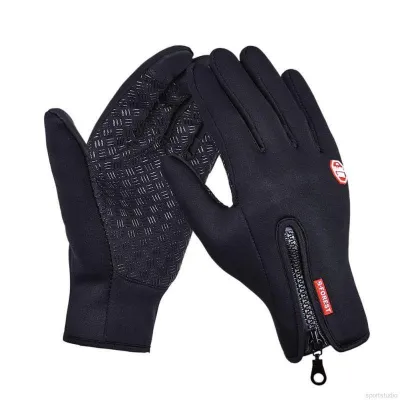
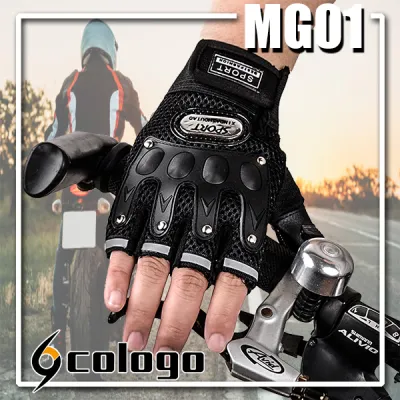
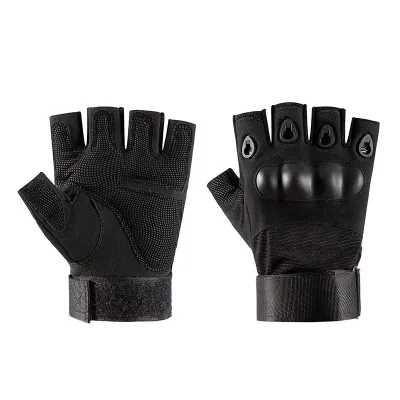
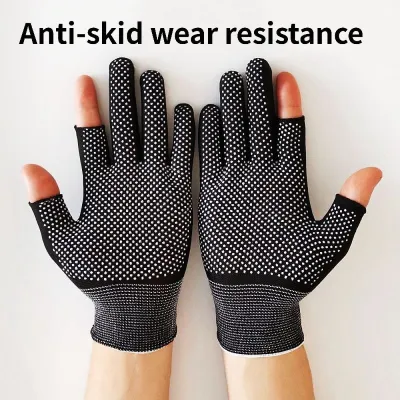
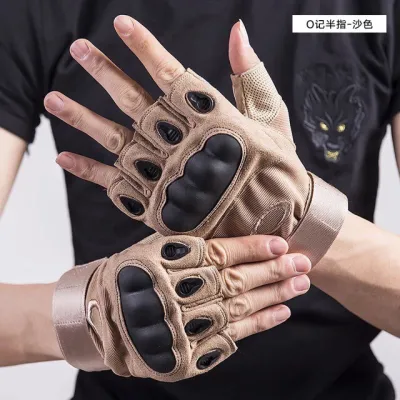
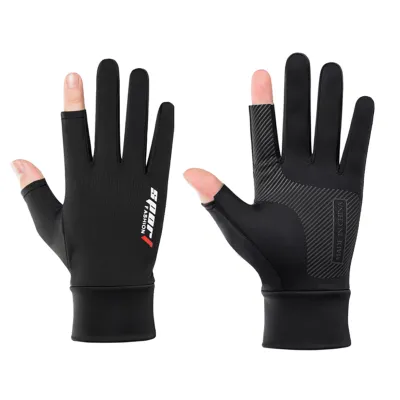
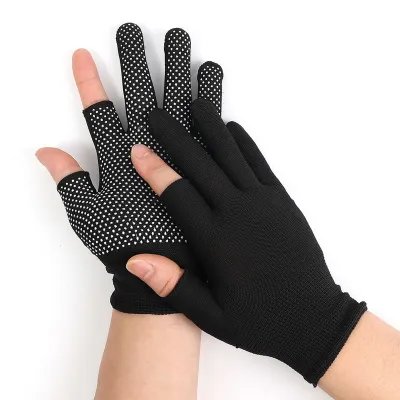
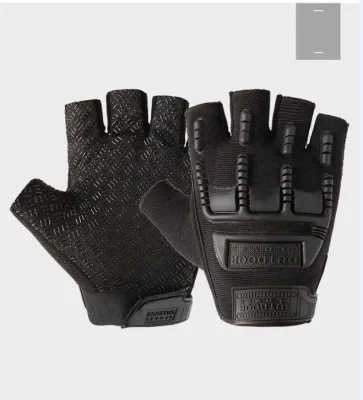
Prices are valid at publication and may change. Please refer to the product page for the latest price.
To counteract the lubricating effect of rainwater, manufacturers often apply grip enhancements directly to the palm and fingers. Silicone prints—applied in hexagonal, linear, or textured patterns—are highly effective because silicone maintains a high coefficient of friction even when submerged in water. Some heavy-duty gloves feature rubberized patches or textured synthetic tread patterns sewn into high-wear areas, such as the valley between the thumb and index finger, providing mechanical interlocking with the handlebar grips.
Another critical factor is the presence of an internal waterproof membrane, such as Hipora or other proprietary barrier technologies. While these membranes keep your hands dry, they add layers between your skin and the motorcycle controls, which can reduce tactile feedback. A glove with poor membrane integration can suffer from “shear,” where the outer shell slips against the inner liner, making your grip feel vague and insecure. High-quality wet-weather gloves use laminated construction techniques to bond these layers together, preserving your feel for the throttle and levers.
Finally, the overall fit and dexterity of the glove play a vital role in maintaining control. A glove that is too loose will bunch up in the palm when you close your hand around the grip, creating folds of wet material that can easily slide against each other. A snug, pre-curved fit ensures the material remains taut across your palm, maximizing the surface area in contact with the handlebar and preventing internal hand slippage.
Evaluating Popular Glove Brands by Palm Material and Design
When browsing the shelves of local motorcycle accessory shops or scrolling through online catalogs, you will find that popular brands generally fall into distinct design categories based on their approach to wet-weather performance. The first category consists of brands that focus heavily on synthetic palms enhanced with extensive silicone printing. These gloves are often lightweight, highly flexible, and offer immediate, high-friction grip the moment you wrap your hands around the bars. However, because silicone prints are applied to the surface of the material, they are subject to abrasive wear over time, meaning their exceptional wet grip may degrade after a season of heavy daily commuting.

The second category includes brands that rely on treated natural leather, often goatskin, which is favored for its superior abrasion resistance and natural suppleness. To make these gloves suitable for wet weather, manufacturers apply durable water-repellent (DWR) treatments to the leather fibers during the tanning process. This treatment prevents the leather from wetting out immediately, allowing it to maintain its grip and shape. While highly durable and protective, these gloves require regular maintenance with specialized leather conditioners to preserve their water-resistant properties and prevent the leather from stiffening after drying.
The third category comprises brands that specialize in multi-layer touring gloves, integrating advanced waterproof membranes with textured inner linings. These brands focus on long-term comfort and complete dryness, using internal bonding systems to lock the membrane to the outer shell. This construction prevents the inner lining from pulling out when you remove your wet hands and minimizes internal slippage. The trade-off is often a thicker glove profile, which requires a brief adjustment period to get used to the slightly reduced tactile sensation.
Rather than relying on generic marketing terms like “rain-proof” or “all-weather,” you should carefully examine the manufacturer’s technical specifications. Look for detailed descriptions of the palm material, the specific type of waterproof membrane used, and whether the layers are laminated. This technical scrutiny will help you identify which brand’s design philosophy aligns with your riding environment and durability expectations.
Decision Framework: Choosing the Right Wet-Weather Glove
Selecting the ideal wet-weather glove requires balancing your riding habits, the local climate, and your maintenance preferences. For riders who face short, intense downpours during daily city commutes, synthetic gloves with heavy silicone palm prints are highly suitable. These gloves provide immediate, reliable grip on wet controls without the bulk of heavy insulation, allowing you to navigate dense traffic with maximum dexterity. Their quick-drying nature also means they are often ready for the ride home after a wet morning commute.
If your riding consists of long-distance touring or highway travel where you are exposed to prolonged rain and wind, treated leather gloves with integrated waterproof membranes are the better choice. These gloves offer superior windproofing, which prevents evaporative cooling from chilling your hands, and provide the high-level abrasion protection needed at highway speeds. You must, however, be prepared to clean and condition the leather regularly to maintain its suppleness and grip performance over time.
For the hot and humid conditions typical of the Philippines outside of active typhoons, mesh gloves featuring water-resistant palm coatings offer a practical compromise. These gloves allow maximum airflow to keep your hands cool during dry spells, while the treated palm ensures you do not lose control if you run into a sudden, brief rain shower. While they will not keep your hands dry, they prioritize ventilation and immediate grip over total water isolation.
Regardless of the material category you choose, always verify that the glove features a secure, adjustable wrist closure system. A strong hook-and-loop strap or a drawcord cuff is essential to prevent water from running down your jacket sleeves and pooling inside your palms. If water enters the glove from the cuff, even the most advanced waterproof membrane and grip pattern will be compromised by internal wetness.
How to Verify Grip and Waterproof Claims When Shopping
To ensure you are purchasing a genuine, high-performing product, you must know how to validate manufacturer claims whether you are shopping in a physical store or browsing an online marketplace. When reading product labels, look for specific, industry-standard terminology. Terms like “hydrophobic treatment,” “bonded membrane,” and “silicone grip overlays” indicate a design engineered for wet conditions, whereas generic terms like “water-resistant” often mean the glove will saturate quickly in a proper tropical downpour.
If you are shopping at a physical retail store, perform a hands-on check before making your purchase. Put the gloves on and simulate gripping a handlebar; pay close attention to how much the inner lining shifts against the outer shell. Flex your fingers to ensure there is no restrictive binding, and rub the palm against a smooth surface to feel the resistance offered by the silicone or textured patches. The glove should feel like a natural extension of your hand, with no excess material bunching at the fingertips or palm.
When purchasing from online marketplaces or ecommerce platforms, protect yourself by checking the seller’s return and exchange policies, as proper fit is critical for safety. Carefully study the brand’s specific sizing chart, measuring your hand circumference as directed rather than guessing your size. Read through verified buyer reviews, specifically filtering for keywords like “rain,” “wet,” “grip,” or “bagyo” to see how the gloves perform in real-world Philippine riding conditions.
As a final safety boundary, remember that no riding glove, regardless of its brand or technology, can completely overcome the physical limits of traction on wet roads. Water reduces the friction of your motorcycle’s tires and controls alike. Always reduce your speed, increase your following distance, and initiate braking maneuvers much earlier when riding in wet weather, using your high-grip gloves as a supportive safety measure rather than an excuse for aggressive riding.
Frequently Asked Questions (FAQ)
Can I use regular leather motorcycle gloves in the rain?
Using untreated, regular leather motorcycle gloves in the rain is not recommended because natural leather is highly porous. When exposed to water, it quickly saturates, becoming heavy, stretched, and slippery against your controls. As the leather dries, it loses its natural oils, leading to stiffening, cracking, and a permanent reduction in both grip and protective strength.
Do waterproof gloves make your hands sweat and lose grip inside?
Basic waterproof gloves with non-breathable plastic liners can trap sweat, causing your hands to slide around inside the glove and reducing control. To prevent this internal slippage, look for gloves featuring breathable membranes like Hipora, which allow sweat vapor to escape while blocking external water droplets, and ensure a snug fit to minimize internal movement.
How should I dry my wet motorcycle gloves to preserve their grip?
To preserve the grip and integrity of your gloves, always air-dry them at room temperature in a well-ventilated area away from direct sunlight. Never use direct heat sources like hair dryers, radiators, or open flames, as excessive heat can melt silicone grip prints, shrink synthetic fabrics, and cause natural leather to crack and ruin its texture.
Community discussion
Share your experience or ask a question. Comments are reviewed before publication.