
Every daily commute on Philippine roads presents unique challenges, from navigating the dense, humid traffic of Metro Manila to riding along open provincial highways. In these demanding environments, wearing a high-quality helmet is the single most critical decision a rider can make for personal safety. If you are shopping for riding gear, you have likely noticed distinct stickers on the back of certified headwear. When evaluating motorcycle helmets icc and PS certifications indicate that the gear has met the rigorous national standards required to protect your life in an accident.
Understanding what these certifications mean is essential for every Filipino rider. They are not merely bureaucratic stickers; they represent a series of strict laboratory evaluations designed to ensure a helmet can withstand real-world impacts. This guide breaks down the science, the legal rules, and the practical steps to ensure your helmet is fully certified and road-legal.
What Is the ICC/PSB Certification for Motorcycle Helmets?
The Import Commodity Clearance (ICC) and the Philippine Standard (PS) marks are the official safety and quality certifications issued by the Bureau of Philippine Standards (BPS), an agency operating under the Department of Trade and Industry (DTI). Together, they serve as the mandatory baseline safety and quality benchmark for all protective headgear distributed, sold, or used across the country. Whether a helmet is manufactured locally or shipped from overseas, it must pass through this regulatory gatekeeping process before it can legally protect a rider on public roads.
Products mentioned in this guide
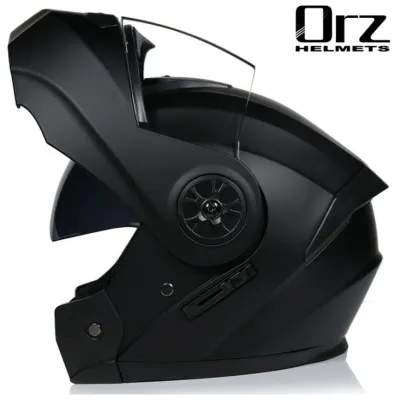
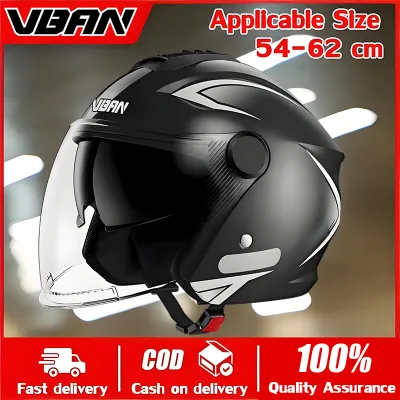
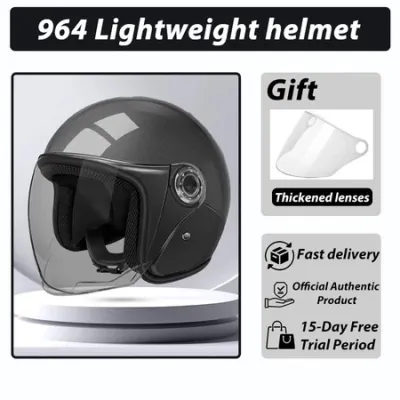
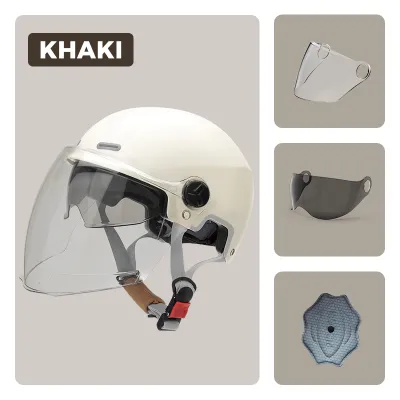
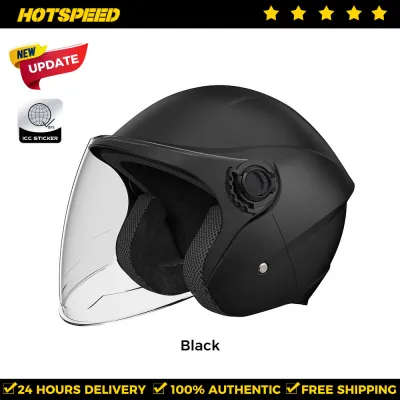
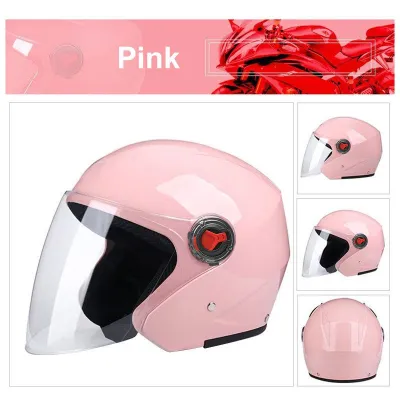
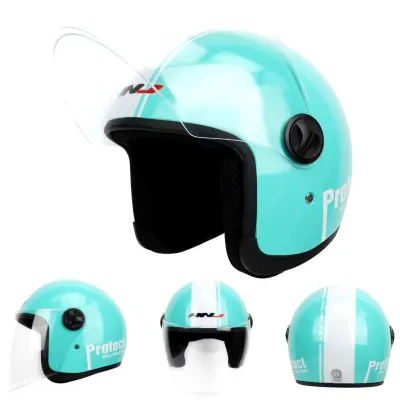
Prices are valid at publication and may change. Please refer to the product page for the latest price.
While both marks signify that a helmet meets the exact same national safety requirements, they apply to different product origins. The PS mark is granted to locally manufactured helmets after the BPS conducts audits of the local factory’s quality management system and tests physical product samples. On the other hand, the ICC sticker is issued for imported helmets. Because the vast majority of premium and mid-range helmets in the local market are manufactured abroad, the ICC sticker is the most common safety label riders encounter when purchasing new gear.
These certifications are crucial because the Philippine riding environment involves distinct risks, including high ambient temperatures, heavy tropical rainfall, and unpredictable road surfaces. By ensuring that every helmet sold complies with these standards, the DTI helps guarantee that riders are not buying substandard, counterfeit, or purely cosmetic plastic shells that offer zero protection in a crash.
Key Safety Tests Behind the Motorcycle Helmets ICC Mark
To earn the right to display a certification sticker, a helmet must undergo a series of destructive and non-destructive laboratory evaluations. These tests are designed to simulate the violent forces of a motorcycle accident, ensuring that the materials do not fail when you need them most. The BPS-approved testing process focuses on several critical areas of mechanical performance.

Shell and Liner Protection (Impact and Penetration)
The primary job of any helmet is to manage the energy of a sudden impact and prevent sharp objects from breaching the skull. During safety testing, helmets are subjected to rigorous drop tests from specific heights onto various steel anvils, including flat and hemispherical surfaces. Sensors inside a headform measure the shock transmission to ensure that the inner Expanded Polystyrene (EPS) liner successfully deforms and dissipates the impact energy, reducing the g-forces transferred to the rider’s brain.
In addition to shock absorption, the outer shell must pass a penetration resistance test. This evaluation involves dropping a sharp steel striker directly onto the helmet shell. To pass, the outer structure must prevent the striker from making any contact with the internal headform. This test is particularly relevant for local riders, as road crashes often involve contact with sharp vehicle parts, gravel, or metal debris.
Strap and Visor Requirements (Retention and Vision)
A helmet cannot protect you if it flies off your head during a crash. This is why the retention system, consisting of the chin strap, rivets, and buckle, is subjected to dynamic load tests. Technicians apply sudden, heavy pulling forces to the strap to verify that the buckle does not slip, the strap does not stretch excessively, and the anchor points remain firmly embedded in the helmet shell.
Equally important is the rider’s ability to see clearly under varying weather conditions. Visors undergo strict optical clarity and peripheral vision checks to ensure they do not cause dangerous optical distortion, which can lead to misjudging distances on busy roads. The visor material is also tested for mechanical strength to ensure it will not shatter into dangerous shards if hit by flying stones or road debris.
Real-World Application Passing these laboratory tests ensures that your helmet provides a verified baseline of protection during typical urban commutes and high-speed highway riding. When you navigate through sudden downpours or heavy traffic, you can ride with the peace of mind that your gear has been engineered and proven to withstand severe mechanical stress.
Why ICC/PSB Certification Is a Legal Requirement in the Philippines
Riding without a certified helmet in the Philippines is not just highly dangerous; it is a direct violation of national law. Under the Motorcycle Helmet Act of 2009 (Republic Act No. 10054), all motorcycle riders, including drivers and pillion passengers, are strictly mandated to wear standard protective motorcycle helmets at all times while operating on any road or highway.
The law explicitly dictates that for a helmet to be considered standard and compliant, it must bear the official ICC or PS mark. This legal framework was established to eliminate the use of substandard “nutshell” helmets or bicycle helmets, which offer virtually no protection during a high-impact collision. Local law enforcement agencies, including the Land Transportation Office (LTO) and local government traffic units, actively enforce this mandate.
Operating a motorcycle with a non-compliant helmet carries severe practical consequences. Beyond the immediate and catastrophic threat to your personal safety, riding with an uncertified helmet can lead to swift traffic apprehensions, costly citations, and the potential impoundment of your motorcycle. In the event of an insurance claim following an accident, using a non-compliant helmet can also complicate or invalidate your medical and accident coverage.
How ICC/PSB Compares to International Standards
When shopping for riding gear, you will often see helmets adorned with various international safety acronyms alongside the local sticker. Understanding how these standards relate to each other helps you make a more informed investment in your personal safety.
The local ICC/PSB standard is heavily aligned with robust global benchmarks. For comparison, the United States Department of Transportation (DOT) standard is a self-certified system, meaning manufacturers test their own helmets to meet basic federal safety standards. In contrast, the European ECE 22.05 and newer ECE 22.06 standards require independent batch testing before helmets can be sold, making them highly respected worldwide. The Snell Memorial Foundation testing is an even stricter, voluntary independent standard favored by racers and track-day enthusiasts.
While the ICC/PSB certification represents the legal minimum for road use in the Philippines, riders seeking maximum protection often look for helmets that carry both local and premium international certifications (such as ECE 22.06). However, it is vital to remember that a high international rating does not automatically exempt a helmet from local labeling rules. Even if you purchase a top-tier helmet certified by ECE or Snell abroad, it must still bear the official ICC sticker to be fully compliant with Philippine traffic laws.
How to Verify Your Helmet’s ICC/PSB Compliance
With counterfeit riding gear circulating in the market, verifying the authenticity of your helmet’s safety marks is a critical step before you hit the road.
First, locate the physical sticker. The official ICC or PS mark is typically a metallic, tamper-evident decal applied to the rear exterior of the helmet shell or placed securely on the inner lining. Authentic stickers feature clean, high-resolution printing, a unique serial number, and a hologram effect that shifts when viewed from different angles.
Avoid helmets with cheap, paper-based stickers that peel off easily or lack a distinct serial number, as these are common signs of counterfeit labels. If you are uncertain about a helmet’s authenticity, you can verify the manufacturer’s or importer’s certification status. The DTI and BPS maintain updated registries of approved motorcycle helmet brands and importers on their official portals, allowing you to cross-reference your helmet’s brand and model before making a purchase.
Frequently Asked Questions (FAQ)
Can I legally use a DOT or ECE helmet without an ICC sticker in the Philippines?
No, you cannot legally ride on public roads without the local certification mark. Under Philippine traffic regulations, the physical ICC or PS sticker is the primary proof of compliance that law enforcement officers look for during roadside inspections. Even if your helmet is certified under highly rigorous international standards like ECE or DOT, it must still go through the official BPS importation and verification process to receive its local sticker. To avoid traffic apprehensions and fines, always ensure your helmet displays the official local sticker alongside any international safety marks.
Community discussion
Share your experience or ask a question. Comments are reviewed before publication.