
When you prepare to change oil for your motorcycle, the rows of bottles on the shop shelf can present a confusing wall of numbers. Labels like 10W-40 and 20W-50 are not arbitrary codes; they are viscosity grades that dictate how the oil flows under different thermal conditions. In a tropical climate like the Philippines, where daily commutes involve intense heat, high humidity, and stop-and-go traffic, selecting the correct viscosity is one of the most critical decisions you can make for your engine’s longevity.
Viscosity is simply a measure of a fluid’s resistance to flow. An oil that is too thick may not circulate quickly enough to protect vital components during a cold start, while an oil that is too thin can break down under extreme heat, leaving metal parts to grind against each other. Understanding these numbers allows you to make an informed decision that aligns perfectly with your manufacturer’s engineering standards.
Decoding Viscosity Labels: What the "W" and the Second Number Mean
Multi-grade motorcycle oils are designed to perform across a wide range of temperatures, which is why they feature two numbers separated by a letter. The “W” stands for Winter, and the number preceding it indicates the oil’s low-temperature flow characteristics. A lower number before the “W” means the oil remains more fluid at colder temperatures, allowing the oil pump to distribute it quickly when you first start the engine after it has been sitting overnight.
Products mentioned in this guide
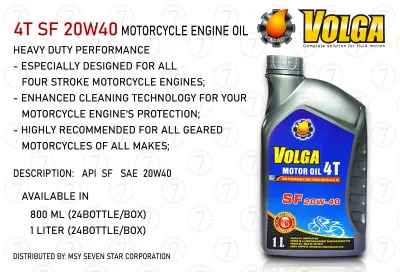
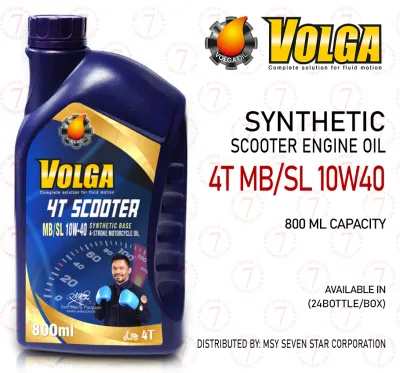

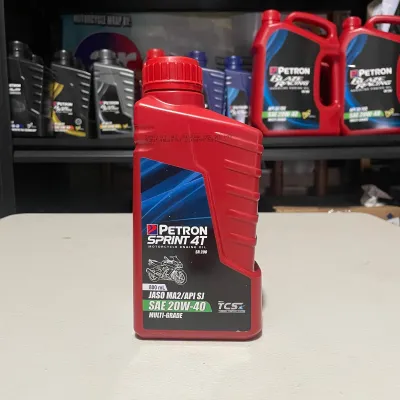
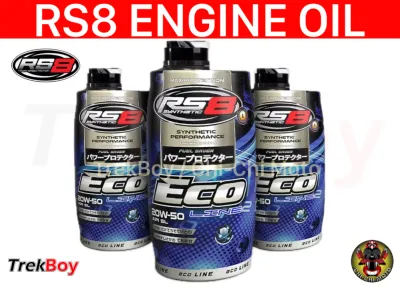
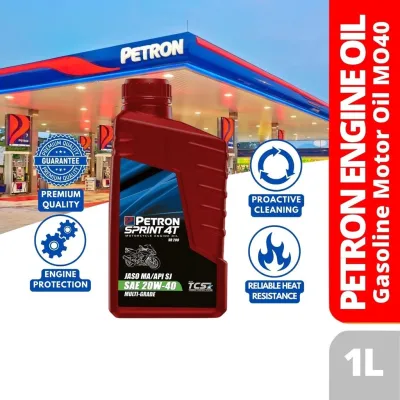
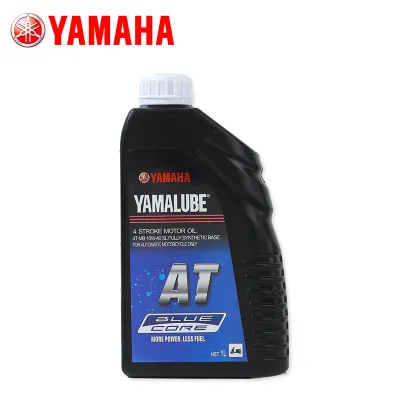

Prices are valid at publication and may change. Please refer to the product page for the latest price.
The second number, such as the 40 in 10W-40 or the 50 in 20W-50, represents the oil’s viscosity at the engine’s normal operating temperature, standardized at 100°C. A higher second number indicates that the oil remains thicker and maintains a more robust protective film under high-heat conditions. This rating is crucial for protecting internal components when the engine is running hot during long rides or heavy traffic.
It is important to clarify that these numbers represent standardized flow rates under specific laboratory test conditions, not absolute quality or performance scores. A 20W-50 oil is not inherently better than a 10W-40 oil; it is simply thicker at both cold and hot temperatures. Both grades can offer excellent engine protection, provided they are used in the specific environments and engines for which they were engineered.
How Oil Thickness Impacts Engine Protection and Clutch Performance
Choosing the right oil viscosity involves balancing several functional trade-offs within the engine. Thinner oils, like a 10W-30 or 10W-40, flow more rapidly through the engine passages, reducing internal mechanical drag and allowing for slightly better fuel efficiency and quicker throttle response. However, under extreme heat, a thin oil film can shear or tear, leading to accelerated wear on the piston rings, cylinder walls, and bearings.

Conversely, thicker oils like 20W-50 provide a heavy, cushioning film that is highly resistant to shearing under extreme heat and heavy loads. This makes them popular for air-cooled engines that run hotter than liquid-cooled systems. The trade-off is that thicker oil creates more mechanical resistance, which can slightly increase fuel consumption and cause the engine to run marginally warmer due to the effort required to pump the heavy fluid.
Using a viscosity grade outside your manufacturer’s recommended range carries distinct mechanical risks. If the oil is too thin, it cannot maintain the necessary pressure or film strength, leading to premature component wear. If the oil is too thick, it may not flow quickly enough through the tight clearances of a modern engine, starving critical areas like the valvetrain of lubrication during the crucial first few seconds after startup.
Furthermore, motorcycles require specialized oils because most models utilize a shared sump system. Unlike passenger cars, where the engine and transmission are lubricated separately, a motorcycle’s oil must simultaneously lubricate the engine pistons, the gearbox, and the wet clutch. Motorcycle-specific oils are formulated with precise friction characteristics (such as JASO MA or MA2 standards) to prevent the clutch plates from slipping while still protecting the high-pressure gears in the transmission.
How to Choose the Correct Viscosity for Your Next Oil Change
The primary, non-negotiable baseline for selecting your oil viscosity is always the owner’s manual provided by your motorcycle manufacturer. Engineers design the engine with specific internal clearances, oil pump capacities, and operating pressures in mind. The manual typically includes a temperature chart showing which viscosity grades are approved for use based on the ambient temperatures of your riding environment.
In a tropical climate, you can use these manufacturer charts to tailor your selection safely. For instance, if your manual lists both 10W-40 and 20W-50 as acceptable options for high ambient temperatures, you might choose 10W-40 for daily city commuting to ensure quick flow and better fuel economy. If you frequently carry heavy loads, ride a passenger, or take long highway trips where the engine runs hot for extended periods, switching to the approved 20W-50 option can provide extra film strength.
Avoid the temptation to switch to significantly thicker or thinner oils based on internet myths, casual advice, or the assumption that a noisy engine simply needs thicker oil. While a thicker oil might temporarily muffle mechanical noise, it could be masking an underlying mechanical issue while silently starving the upper valvetrain of proper lubrication. Always consult a qualified mechanic or refer strictly to the manufacturer’s documentation before deviating from your standard oil specification.
Frequently Asked Questions (FAQ)
Can I mix 10W-40 and 20W-50 motorcycle oils?
Mixing different viscosity grades is generally discouraged because it alters the final viscosity of the oil in an unpredictable manner. Additionally, different oil brands and grades utilize distinct additive packages; mixing them can compromise the chemical balance, reducing the oil’s ability to resist foaming, oxidation, and wear. For optimal engine protection and clutch performance, it is always best to perform a complete drain and refill with a single, consistent viscosity grade rather than topping off with a different specification.
Does a higher second number mean better engine protection?
No, a higher second number does not automatically translate to better engine protection. While a thicker oil film offers excellent shear resistance under extreme heat, an excessively thick oil can cause poor cold-start lubrication, increased internal drag, and reduced cooling efficiency. Modern motorcycle engines are built with precise, tight clearances that require rapid oil circulation to carry heat away from critical components. Optimal protection is achieved by matching the oil viscosity to your engine’s specific design and operating conditions, not by simply choosing the thickest oil available.
Community discussion
Share your experience or ask a question. Comments are reviewed before publication.