
Finding the right motorcycle plate holder in the Philippines requires balancing structural compatibility, material durability, and strict legal compliance. With the diverse range of motorcycles on local roads—from agile commuter scooters navigating congested city streets to high-performance big bikes cruising the expressways—there is no single bracket that fits every application. Selecting the correct holder ensures your license plate remains secure through heavy monsoon rains, rough road conditions, and daily engine vibrations.
To make an informed decision, you must evaluate how a plate holder interacts with your specific motorcycle’s design. This guide breaks down the essential selection criteria, material considerations, and installation safety boundaries to help you find a secure and compliant mounting solution.
Quick Selection Criteria for Your Motorcycle
Selecting a plate holder is not just about aesthetics; it requires verifying the exact physical interface of your motorcycle. A bracket designed for an older model year may not align with a newer revision due to subtle changes in rear plastics or subframe mounting points. Always verify your vehicle’s model, production year, and specific variant against the manufacturer’s documentation before making a purchase.
Products mentioned in this guide
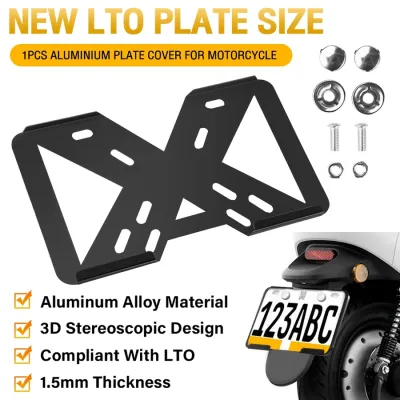
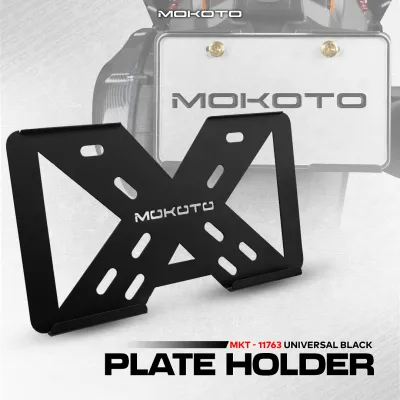
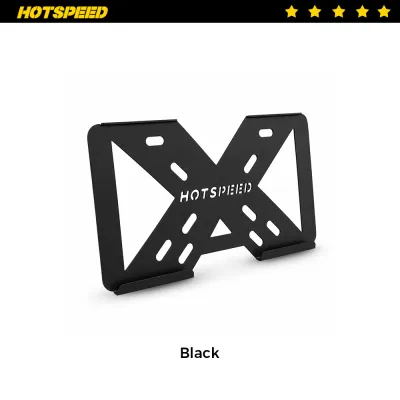
![[COD] PkYeG Tool Motorcycle License Plate Frames Universal Aluminum License Plate Holder License Plate Holders Frame](https://img.lazcdn.com/g/p/5c8bf50089df27672d555eeb44f08d83.jpg_400x400q80.jpg_.webp)
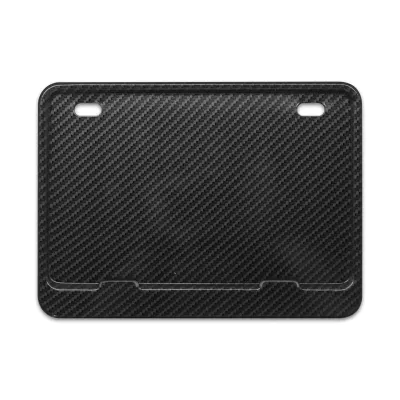
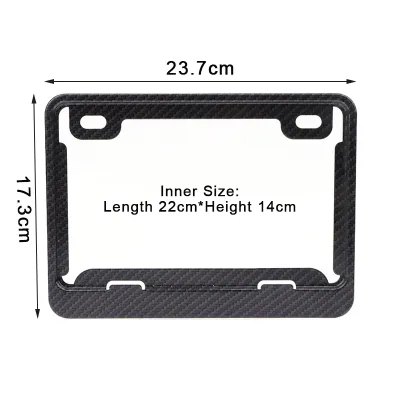
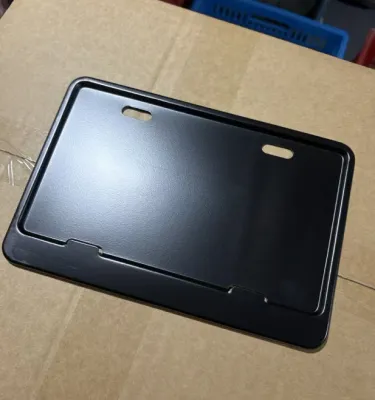
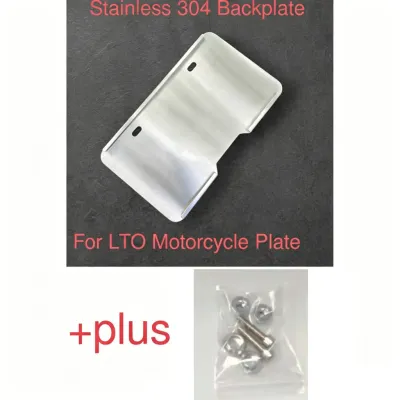
Prices are valid at publication and may change. Please refer to the product page for the latest price.
Compliance with the Land Transportation Office (LTO) regulations is paramount. The plate must remain completely visible, positioned at the correct height and angle, and illuminated properly to avoid costly apprehensions on the road. Any modification that obscures the plate or alters its standard viewing angle can lead to immediate penalties.
Before browsing online marketplaces, identify your bike’s mounting configuration. Determine whether your motorcycle utilizes a standard rear fender mount, requires a tail-tidy assembly, or relies on a dedicated subframe bracket to support the weight of the plate and its frame.
Plate Holder Fitment and Options by Bike Type
Different motorcycle architectures present distinct structural challenges when mounting a license plate. Understanding these category-specific nuances helps prevent buying a part that vibrates loose, contacts moving parts, or interferes with your bike’s operation.

Scooters (Maxi and Commuter Models)
Scooters, ranging from compact commuter models to larger maxi-scooters, feature extensive plastic bodywork that wraps around the rear frame. This design requires careful evaluation of whether a plate holder mounts directly to the inner metal subframe or relies on the exterior plastic fender panels. Mounting a heavy metal bracket solely to thin plastic panels can lead to cracking over time due to road vibrations.
If your scooter is equipped with aftermarket accessories like a top box, rear grab rails, or extended passenger footpegs, you must check for physical clearance. A plate holder that extends too far upward or outward can contact these accessories, leading to cracked plastics or restricted passenger movement. Ensure there is adequate clearance throughout the full range of suspension travel.
Visibility is another critical factor for scooter owners. Ensure the chosen bracket positions the plate in a way that does not obstruct the tail light, brake light, or rear turn signals. Keeping these lights completely visible is essential for your safety, especially during night rides or heavy tropical downpours.
Underbones (Standard Commuter Bikes)
Underbone motorcycles typically feature exposed rear fenders and a lighter, more minimalist rear subframe. This open design makes them highly susceptible to engine and road vibrations, which can cause thin metal brackets to crack over time.
When selecting a plate holder for an underbone, look for reinforced designs or brackets that incorporate vibration-dampening features, such as rubber bushings. These components absorb the constant oscillations from the engine and uneven road surfaces, extending the lifespan of both the holder and the license plate.
If you have installed an aftermarket exhaust system that alters the rear profile or exit angle of the exhaust gases, you may need an extended bracket. This prevents hot exhaust fumes from directly blasting the license plate, which can warp or discolor the plate over time.
Additionally, verify that the mounting hardware and the plate itself do not interfere with the travel of the rear shock absorber or contact the chain guard during deep suspension compressions. A plate holder that contacts moving parts can cause sudden mechanical failure or tire damage.
Big Bikes and Sport Tourers
Heavier motorcycles and sport tourers operate at higher speeds, exposing the rear assembly to significant aerodynamic drag and wind resistance. Standard, lightweight brackets can suffer from high-speed plate flutter, which can eventually fatigue the metal and cause the assembly to snap off.
For these motorcycles, prioritize heavy-duty materials such as CNC-machined aluminum or thick-gauge steel with reinforced mounting points. These robust structures resist bending and remain stable even when subjected to high wind pressure on expressways.
Many big bike owners prefer to streamline the rear profile using aftermarket tail tidies or license plate relocation kits. If you choose this route, confirm that the plate holder integrates seamlessly with these kits without requiring permanent modifications to the motorcycle’s original frame.
Electrical compatibility is another vital consideration, as many modern big bikes feature integrated LED tail lights and sequential turn signals. Ensure the plate holder accommodates these lighting systems and allows for clean wire routing that does not interfere with the bike’s electronic control units or safety sensors.
Evaluating Material, Build Quality, and Hardware
The tropical climate of the Philippines, characterized by intense heat, high humidity, and sudden torrential rains, demands careful scrutiny of the materials used in your motorcycle accessories. Choosing the wrong material can lead to rapid corrosion, structural failure, or damage to your bike’s paintwork.
Stamped Steel: This material offers high structural strength and is generally cost-effective. However, it is highly susceptible to rust if the protective paint or powder coating is chipped or scratched. If you opt for stamped steel, regularly inspect the surface for signs of corrosion and touch up any exposed metal promptly.
CNC-Machined Aluminum: Known for its excellent strength-to-weight ratio, CNC-machined aluminum is highly resistant to rust and offers a precise fit. It is an ideal choice for riders looking for a durable, lightweight option that can withstand wet weather without degrading, though it typically comes at a higher price point.
ABS Plastic: Some lightweight plate holders are made of high-grade ABS plastic. While immune to rust, ABS plastic can become brittle over time when exposed to prolonged ultraviolet (UV) rays from the sun. Ensure any plastic holder you consider is UV-stabilized and rated for automotive use.
Stainless Steel Hardware: Regardless of the bracket material, the mounting bolts, nuts, and washers should ideally be made of stainless steel. Standard steel hardware will quickly rust in humid conditions, making future removal difficult and leaving unsightly orange streaks on your license plate.
Vibration Isolation: Look for plate holders that include rubber grommets, washers, or spacers. These small components play a crucial role in isolating the license plate from engine vibrations, preventing annoying rattling noises, and protecting your motorcycle’s paint or plastics from being scratched by direct metal-to-metal contact.
Installation, Legal Compliance, and Safety Boundaries
Installing a motorcycle plate holder involves more than just turning bolts; it requires strict adherence to local road safety laws and electrical safety standards. Failing to comply with these guidelines can result in heavy fines, vehicle impoundment, or electrical malfunctions.
Under Land Transportation Office (LTO) regulations, your motorcycle’s license plate must be clearly visible at all times from a specified distance behind the vehicle. The plate must be mounted at a near-vertical angle, must not be obscured by any frame elements, mudguards, or accessories, and must be positioned at the designated height. Avoid brackets that tilt the plate excessively upward or tuck it deep inside the wheel well, as these configurations are illegal and highly likely to attract law enforcement attention.
If your plate holder includes an integrated LED light for license plate illumination, you must route the electrical wires safely. Path the wires away from moving parts, such as the rear tire or suspension linkage, and keep them clear of hot components like the exhaust pipe. Use protective conduit or electrical wrap to prevent the insulation from rubbing against sharp metal edges, which can cause a short circuit.
Safety Boundary and Professional Installation: Working on your motorcycle’s electrical system or structural components carries inherent risks. If the installation instructions require you to drill into the structural subframe, cut into the original wiring harness, or modify the main electrical system without clear, model-specific manufacturer guidelines, stop immediately. In such cases, consult a qualified motorcycle mechanic or professional installer to complete the job safely and preserve your vehicle’s warranty.
Sourcing, Verification, and Pre-Purchase Checks
To ensure a smooth purchasing experience and avoid the hassle of returning incompatible parts, establish a systematic verification process before checking out your online shopping cart.
Start by cross-referencing the manufacturer’s part numbers with your motorcycle’s exact model year and variant. Do not rely solely on generic product titles like “universal motorcycle plate holder.” Instead, visit official brand stores or reputable online marketplaces to verify that the bracket is explicitly certified to fit your specific bike.
When comparing prices, which typically range from ₱150 for basic brackets to upwards of ₱1,500 for premium CNC-machined assemblies, remember to factor in shipping costs. Heavy steel brackets or complete tail-tidy kits can incur higher shipping fees due to their weight, especially if they are being delivered to provincial areas outside Metro Manila.
Take the time to read customer reviews, specifically filtering or searching for comments that mention your exact motorcycle model. Other riders often share valuable real-world feedback regarding hidden fitment challenges, the quality of the included hardware, or whether additional spacers were required for a secure fit.
Finally, always verify the seller’s return and refund policy. Even with careful research, minor manufacturing variances can occur, and you want to ensure you can easily exchange or return the plate holder if the mounting holes do not align perfectly with your motorcycle’s subframe.
Frequently Asked Questions (FAQ)
Do I need a tail tidy kit or just a plate holder?
A standard plate holder is a direct replacement bracket designed to hold your license plate in its original position, usually mounting directly to the stock rear fender. It is the ideal choice if your original bracket is damaged but you want to keep the factory fender intact for maximum mud and water protection.
In contrast, a tail tidy kit is a comprehensive assembly that replaces the bulky stock rear fender entirely, tucking the license plate closer to the tail section of the motorcycle. This kit often integrates mounting points for aftermarket turn signals and license plate lights, offering a much cleaner, sportier aesthetic at the expense of some splash protection during rainy rides.
Can I use a universal plate holder on any motorcycle?
While universal plate holders are widely available and highly affordable, they rarely offer a perfect, bolt-on fit. Installing a universal bracket often requires custom drilling into your bike’s plastics, bending the metal to clear obstacles, or relying on temporary fasteners like zip-ties, which can compromise the structural integrity and safety of the mount.
To ensure a secure and reliable installation, it is highly recommended to purchase a model-specific plate holder. These brackets are engineered to align perfectly with your motorcycle’s existing mounting points, allowing for a straightforward, bolt-on installation that requires no permanent modifications to your vehicle.
How do I prevent my license plate from rattling?
Preventing your license plate from rattling requires regular maintenance and a few simple, low-risk adjustments. Over time, the vibrations from riding on rough or unpaved roads can loosen the mounting hardware, so make it a habit to check and tighten the bolts periodically, especially after long journeys.
To isolate vibrations further, you can place aftermarket rubber washers or a strip of weather-resistant foam tape between the license plate and the metal holder. When applying these dampening materials, ensure they are positioned entirely behind the plate so that no letters, numbers, or official registration stickers are obscured from view.
Community discussion
Share your experience or ask a question. Comments are reviewed before publication.