
Riding a motorcycle in the Philippines during the rainy season requires preparation that goes far beyond simply throwing on a basic plastic poncho. When sudden tropical downpours strike, maintaining safety on wet, slippery roads depends heavily on your gear. A specialized motorcycle rein coat (commonly referred to as a high-performance motorcycle rain coat) is a non-negotiable piece of safety equipment that protects you from the elements while preserving your ability to control the vehicle.
A safe motorcycle rain coat must feature high-visibility reflective elements, fully heat-sealed or taped seams, an aerodynamic fit that prevents wind flapping, and strategic ventilation to handle intense tropical humidity. Standard pedestrian rain gear lacks these features, making it highly dangerous when riding at speed. Investing in purpose-built motorcycle rain gear ensures you stay dry, visible, and focused on the road, turning a potentially hazardous wet commute into a manageable and secure journey.
Why General Rain Gear is Unsafe for Motorcycle Riding
Using a standard, off-the-shelf pedestrian raincoat or a cheap plastic poncho on a motorcycle poses severe safety risks. The primary issue is wind resistance. At typical riding speeds of 40 km/h to 80 km/h, loose fabric acts like a parachute, catching the wind and inflating rapidly. This “parachuting” effect creates immense aerodynamic drag, which can pull at your shoulders, destabilize your balance, and make steering inputs unpredictable. The violent flapping of loose material also causes rapid rider fatigue and distracts you from critical road hazards.
Products mentioned in this guide
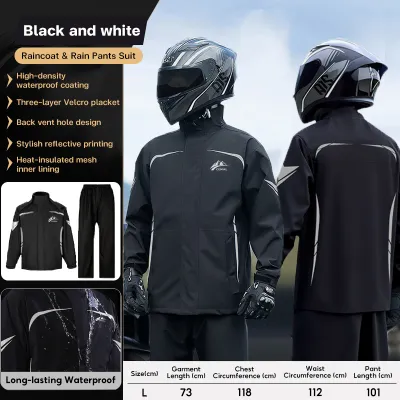
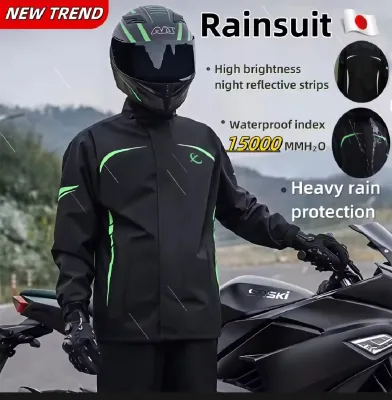
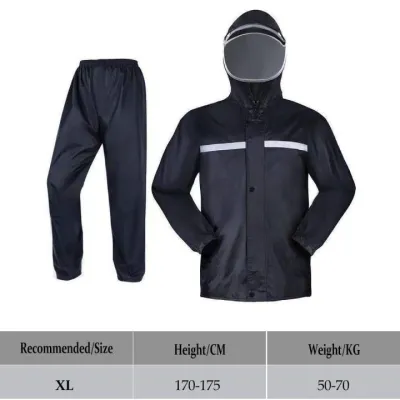
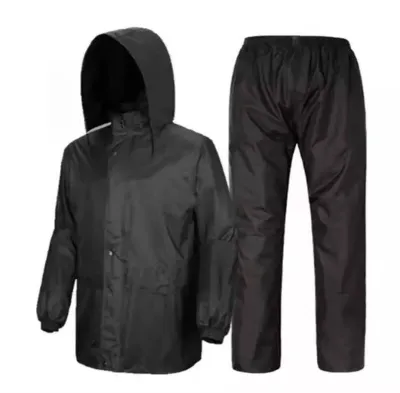
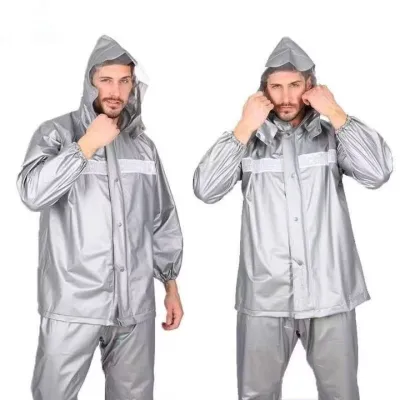
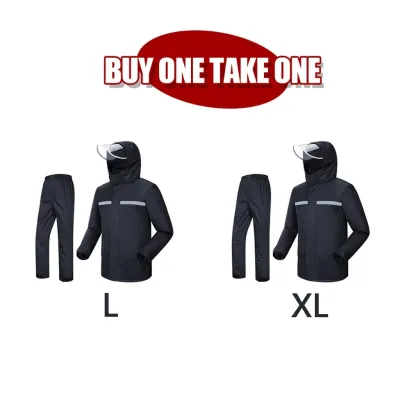
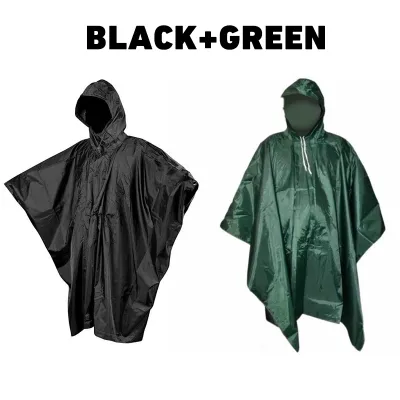
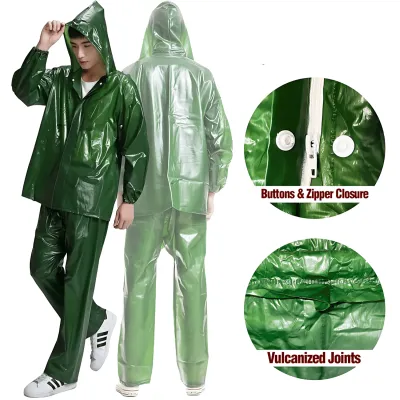
Prices are valid at publication and may change. Please refer to the product page for the latest price.
Furthermore, pedestrian rain coats are not designed to withstand the high-velocity impact of wind-driven rain. Water does not simply fall on a moving rider; it is forced against the fabric at high speed. Under this pressure, water quickly pools in the loose folds of standard gear and forces its way through cheap zippers, open pockets, and standard stitched seams. Within minutes, you can find yourself completely drenched, which leads to rapid shivering, loss of concentration, and stiffened muscles.
Safety is also compromised by the lack of structural integrity and visibility in general-purpose rain gear. Standard thin plastics and cheap vinyl tear easily under the stress of highway winds, leaving you exposed mid-ride. More importantly, they offer zero abrasion resistance if you happen to slide on wet asphalt. Pedestrian gear also rarely features the specialized retro-reflective materials needed to cut through the heavy mist and low-light conditions common during afternoon downpours, leaving you virtually invisible to other motorists.
Essential Features to Look for in a Motorcycle Rein Coat
Selecting the right motorcycle rein coat requires looking closely at technical specifications rather than just aesthetic appeal. The demands of motorcycle riding mean that every detail—from the placement of a seam to the color of the fabric—directly influences your safety on the road.

High-Visibility and Reflective Elements
Heavy rain dramatically reduces a driver’s field of vision, turning windshields and helmet visors into sheets of distorted water droplets. In these low-contrast conditions, a dark rain coat makes you nearly invisible to surrounding traffic. To combat this, a safe motorcycle rain coat must feature high-visibility base colors such as fluorescent yellow, neon green, or bright orange. These colors stand out vividly against the gray backdrop of a storm, giving other drivers precious extra seconds to react to your presence.
In addition to bright base colors, strategically placed retro-reflective strips are critical for night riding and low-light downpours. Retro-reflective materials work by bouncing light from vehicle headlights directly back to the source, making your silhouette glow brightly in the dark. These strips should be positioned across your upper back, shoulders, and along the outer arms. This placement ensures that whether you are viewed from the front, side, or rear, your presence as a rider is unmistakable to truck, bus, and car drivers on poorly lit provincial roads or dark city streets.
Waterproofing, Seams, and Breathability
There is a significant difference between water-resistant gear and fully waterproof gear. Water-resistant fabrics can handle light drizzles for short periods, but they will fail under the sustained pressure of a tropical storm. Look for rain gear constructed from heavy-duty polyester or nylon coated with polyurethane (PU) or featuring a specialized waterproof membrane. These materials are rated to withstand high hydrostatic pressure, ensuring that water cannot penetrate the fabric even when riding at highway speeds.
However, the best waterproof fabric is useless if the construction is weak. Every time a manufacturer stitches panels of fabric together, the needle punctures thousands of tiny holes in the material. Under wind pressure, rain will easily seep through these stitching points. A safe riding coat must feature fully heat-sealed or taped seams on the interior. This process involves melting a waterproof tape over the seams, creating an impenetrable barrier against water entry.
While keeping water out is vital, allowing sweat vapor to escape is equally important. Wearing a completely sealed, non-breathable plastic suit in high humidity creates a “sauna effect,” trapping your body heat and sweat. This internal condensation can leave you just as wet on the inside as you would be without a rain coat. Opt for materials that offer a balance of waterproofing and breathability, allowing moisture vapor to escape while keeping heavy rain locked out.
Aerodynamic Fit and Secure Closures
An aerodynamic fit is essential for maintaining stability on your motorcycle. The rain coat should fit snugly against your body without restricting your range of motion. To achieve this, quality motorcycle rain gear features multiple adjustment points. Look for adjustable Velcro straps or snap buttons on the biceps, forearms, waist, and ankles. These adjusters allow you to taper the garment to your specific body shape, eliminating excess fabric and preventing dangerous wind flapping.
Closures are another common point of failure where water can enter. The main zipper of the jacket must be protected by a dual storm flap system—overlapping layers of waterproof fabric secured by Velcro or snaps that cover the zipper. This prevents wind-driven water from forcing its way through the zipper teeth. Additionally, look for adjustable wrist cuffs that can be sealed tightly over or under your riding gloves, and adjustable ankle closures that prevent water from riding up your legs.
A high, snug collar is also critical. Water running down your helmet can easily seep into the neck opening of your jacket if it is too loose. Choose a coat with a tall collar featuring a soft inner lining for comfort and an adjustable drawcord or Velcro tab to create a tight seal right up to the base of your helmet.
Ventilation for Tropical Climates
In the tropical climate of the Philippines, where temperatures remain warm even during heavy rains, heat exhaustion is a real concern for riders. Wearing heavy, waterproof gear while stuck in slow-moving urban traffic can cause your body temperature to rise rapidly, leading to dizziness, fatigue, and slower reaction times. Therefore, mechanical ventilation is a crucial safety feature.
Effective motorcycle rain coats incorporate specialized ventilation systems that allow air to circulate without letting water in. Look for zippered underarm vents (often called pit zips) and large horizontal exhaust vents across the upper back. These vents are typically protected by overlapping fabric flaps that point downward. As you ride forward, air is drawn through the vents to cool your body, while the downward-facing flaps prevent rain from entering, even at speed. This continuous airflow keeps you cool, dry, and focused on navigating wet roads safely.
Material and Construction Checklist for Buyers
Before purchasing a motorcycle rain coat online or in a local gear shop, conduct a thorough physical inspection of the garment’s construction. This checklist will help you identify high-quality gear that will perform reliably over multiple rainy seasons:
- Inspect the Inner Lining: Look for a full mesh or taffeta inner lining. A mesh lining prevents the sticky, waterproof outer shell from clinging to your skin or your primary riding jacket. This makes the rain coat significantly easier to slide on and off quickly when a sudden storm begins.
- Examine Zipper Quality: Zippers should be heavy-duty, smooth-operating, and made from rust-resistant materials like high-grade nylon or resin. Look for large zipper pull tabs or attached pull cords that you can easily grip and operate while wearing thick, wet riding gloves.
- Verify Outer Shell Durability: Feel the material. It should feel substantial and durable, such as ripstop nylon or high-denier polyester. Avoid thin, rubbery PVC sheets that feel stiff; these materials degrade quickly, crack at fold points, and melt if they accidentally touch hot engine parts or exhaust pipes.
- Check for Waterproof Pockets: Ensure the coat has at least one or two fully waterproof internal pockets, protected by water-resistant zippers and storm flaps, to keep your phone, registration documents, and wallet completely dry.
- Review Sizing Specifications: Always consult the manufacturer's sizing chart. Keep in mind that motorcycle-specific rain gear is designed to be worn over your existing protective riding jacket and pants. While some brands factor this extra bulk into their standard sizing, others require you to size up. Measure yourself while wearing your full riding gear to ensure a proper fit.
- Read Care Labels: Check the manufacturer's care instructions before buying. High-quality waterproof membranes often require specific washing and maintenance routines to preserve their performance and warranty.
Jacket, Poncho, or Full Suit: Which Style Fits Your Ride?
Motorcycle rain gear is generally available in three distinct styles. Understanding the safety boundaries, pros, and cons of each style will help you make an informed decision based on your daily riding habits, typical speeds, and commute distance.
| Feature / Style | Two-Piece (Jacket & Pants) | One-Piece (Full Suit) | Poncho (Pedestrian Style) |
|---|---|---|---|
| Water Protection | Excellent (Overlapping waist) | Maximum (No waist gap) | Poor (Water blows underneath) |
| Aerodynamics | High (Adjustable fit) | Excellent (Streamlined) | Extremely Dangerous (Flaps wildly) |
| Ease of Use | Very Easy (Can wear jacket only) | Moderate to Difficult (Hard to slip on) | Extremely Easy (Throw-on) |
| Safety Level | High (Safe for highway speeds) | High (Safe for highway speeds) | Unsafe (Strictly avoid for riding) |
Two-Piece Rain Jackets and Pants
Two-piece systems are the most popular choice for daily commuters and urban riders. This style consists of a separate waterproof jacket and matching waterproof pants. The primary advantage of a two-piece set is its versatility. If it is only drizzling or if the road is wet but the rain has stopped, you can choose to wear just the jacket to protect yourself from road spray.
Two-piece sets are also much easier to put on and take off on the side of the road compared to one-piece suits. They offer excellent aerodynamic properties, as both pieces can be adjusted individually to fit snugly over your riding gear. This style is highly recommended for mixed urban and highway riding, providing a great balance of safety, convenience, and weather protection.
One-Piece Full Suits
One-piece rain suits, often called “rain onesies,” offer the absolute maximum level of waterproofing available. Because there is no gap at the waist, there is zero chance of water seeping in between your jacket and pants, even during prolonged rides in torrential downpours. This makes them the ideal choice for long-distance touring riders and those who must ride continuously through heavy monsoons.
However, one-piece suits come with a trade-off in convenience. They can be difficult and clumsy to put on quickly, especially when you are caught in a sudden storm on the shoulder of a busy highway. They also tend to run hotter than two-piece suits because they trap air more efficiently, making high-quality mechanical ventilation absolutely essential for riding in warm climates.
Ponchos
While traditional ponchos are highly convenient for pedestrians and low-speed bicycle commuters, they are extremely dangerous for motorcycle riding and should be strictly avoided. The loose, open design of a poncho allows wind to catch the fabric easily, turning it into a sail that can severely compromise your balance and control at speeds above 20 km/h.
More critically, the loose, flapping edges of a poncho pose a severe entanglement hazard. The fabric can easily become caught in the motorcycle’s moving parts, such as the rear wheel spokes, drive chain, sprockets, or belt drive. If this happens, it can instantly lock the rear wheel, leading to a catastrophic loss of control and a high-speed crash. Ponchos also fail to protect your legs and lower body from water spraying up from the road and front tire. For your safety, always choose a dedicated two-piece or one-piece motorcycle rain suit instead.
Frequently Asked Questions (FAQ)
How do I clean and maintain my motorcycle rain coat?
To preserve the waterproof coating and prolong the life of your motorcycle rain coat, always follow safe, reversible maintenance steps. After riding in the rain, wipe down the exterior of the coat with a soft, damp cloth and mild, diluted soap to remove road grime, oil, and dirt. Never machine wash, spin dry, or use harsh chemical detergents, bleach, or fabric softeners, as these will strip away the durable water repellent (DWR) coating and damage the heat-sealed seams.
Always air dry your rain coat in a shaded, well-ventilated indoor area. Keep it completely away from direct sunlight, open flames, or high heat sources like exhaust pipes and home dryers, which can melt or warp the synthetic waterproof materials. Ensure the coat is 100% dry before folding and storing it in your under-seat compartment or motorcycle top box to prevent mold, mildew, and unpleasant odors.
Can I wear a regular rain coat over my riding jacket?
No, wearing a standard, non-motorcycle rain coat over your protective riding armor is not recommended. Standard rain coats are tailored for a normal body silhouette and do not feature the extra volume, shoulder room, or sleeve length required to comfortably cover thick impact armor, shoulder sliders, and back protectors.
Forcing a regular rain coat over your riding jacket will severely restrict your range of motion, making it difficult to turn your head, reach the handlebars, or react quickly to road hazards. The tight fit will also place immense stress on the seams of the rain coat, causing them to burst open under wind pressure. Always choose motorcycle-specific rain gear, which is specifically patterned and sized to accommodate the bulk of protective riding jackets and armor underneath while maintaining a safe, aerodynamic fit.
Community discussion
Share your experience or ask a question. Comments are reviewed before publication.