
Riding a motorcycle in the Philippines during the monsoon season requires preparation that goes far beyond carrying a basic plastic poncho. Sudden tropical downpours, heavy winds, and localized street flooding can turn a standard daily commute into a challenging and potentially hazardous journey. To stay dry, comfortable, and safe on the road, riders must build a reliable, multi-layered waterproof gear setup designed specifically to withstand high-speed wind and relentless rain.
The foundation of a solid wet-weather riding setup is a dedicated motorcycle raincoat, but complete protection requires addressing every potential entry point for water. This means securing the gaps at your wrists, ankles, neck, and feet with specialized accessories. By understanding how different types of rain gear perform under tropical conditions, you can make informed decisions that keep you dry and focused on the road ahead.
Choosing Your Main Raincoat: Two-Piece Suits vs. Riding Ponchos
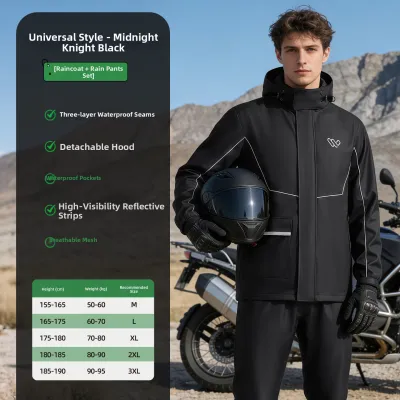
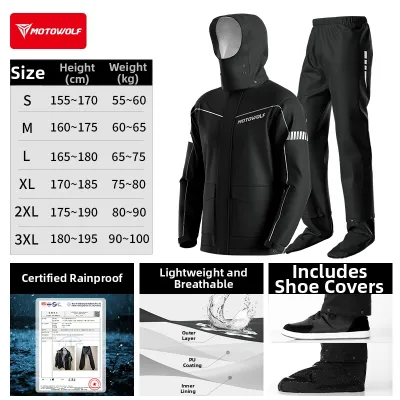
When selecting your primary wet-weather protection, the choice generally comes down to a two-piece rain suit or a traditional riding poncho. A two-piece suit, consisting of a separate waterproof jacket and trousers, offers the highest level of wind resistance and full-body coverage. Because it fits snugly against your body, it minimizes aerodynamic drag and prevents water from pooling in loose folds of fabric. This design is highly effective at keeping water out during long, high-speed commutes along major thoroughfares, where wind and spray from larger vehicles are constant challenges.
Products mentioned in this guide
Prices are valid at publication and may change. Please refer to the product page for the latest price.
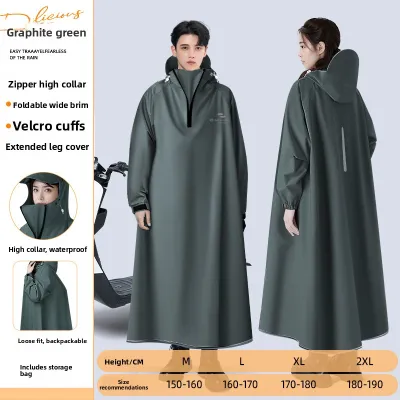
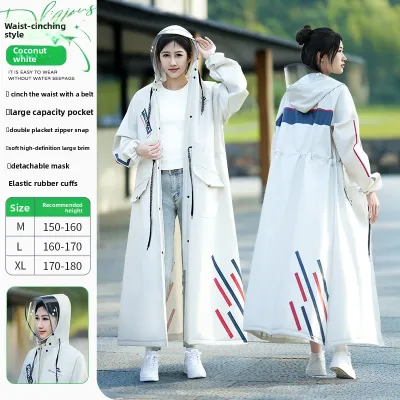
In contrast, riding ponchos are favored by some riders for their quick-don convenience. They can be thrown over your regular clothes and backpack in seconds when a sudden downpour begins. However, ponchos present significant safety risks at higher speeds. The loose, billowing material of a poncho can flap violently in the wind, which not only causes fatigue but can also catch on your motorcycle’s handlebars, mirrors, or foot controls. In worst-case scenarios, loose fabric can get caught in the rear wheel or chain, leading to a sudden loss of control.
For these reasons, a heavy-duty two-piece rain suit is highly recommended for highway commuting and long-distance travel. The structured fit ensures that your movements remain unrestricted and your safety is not compromised by flapping fabric. On the other hand, a lightweight, compact poncho might suffice only for short, low-speed trips within quiet residential areas or inner city streets where speeds rarely exceed 30 kilometers per hour. Even then, riders must ensure the poncho is securely fastened to prevent it from blocking the headlight, taillight, or turn signals.
Essential Waterproof Accessories to Complete Your Setup
Even the highest-quality raincoat can fail to keep you dry if water finds its way through the openings at your wrists, neck, and ankles. To prevent this, you need to complement your main suit with essential waterproof accessories. One of the most critical areas to protect is your hands. Standard riding gloves quickly become waterlogged, leading to cold hands and a compromised grip on the throttle and brake levers. Waterproof riding gloves, particularly those with a gauntlet-style cuff, are essential. The long cuffs should be worn over the sleeves of your rain jacket, allowing the jacket’s adjustable cuffs to seal over them to block water from driving up your arms.

Footwear protection is another vital consideration for riding during the wet season. Getting stuck in a sudden downpour with soaked shoes can ruin your day and damage your footwear. Dedicated waterproof riding boots offer the best combination of impact protection and weatherproofing, but they can be a significant investment. A highly practical and cost-effective alternative is a pair of removable waterproof shoe covers. These covers slip directly over your standard office or casual shoes, securing with zippers and elastic bands to keep your feet dry during your commute.
Finally, pay close attention to the neck and collar area. Rainwater running down your helmet will naturally seek the path of least resistance, often dripping straight down your neck and into your jacket. To combat this, you can use a waterproof neck gaiter or choose a rain jacket with a high, adjustable collar that seals tightly against the base of your helmet. Ensuring a snug fit at the neck prevents that uncomfortable trickle of cold water from ruining an otherwise dry ride.
Key Features to Check Before Buying Monsoon Gear
Not all rain gear is created equal, and choosing a suit that can withstand a true monsoon requires looking closely at the construction details. Before making a purchase, inspect the inside of the garment to verify that the seams are sealed or taped. Standard stitching creates thousands of tiny needle holes in the fabric; without heat-sealed waterproof tape covering these seams on the interior, water will eventually seep through under the pressure of wind and riding speeds.
Another critical feature to check is the closure system. Look for raincoats that feature robust storm flaps over the main zippers. A storm flap is a strip of waterproof fabric that folds over the zipper, usually securing with velcro or snaps, to prevent wind-driven rain from penetrating the zipper teeth. Additionally, adjustable closures at the wrists, ankles, and waist are essential for customizing the fit and sealing out drafts and water spray.
Visibility drops dramatically during heavy downpours, making it difficult for other motorists to see you. Therefore, your rain gear must feature high-visibility colors, such as neon yellow, orange, or green, along with generous reflective strips on the back, chest, and sleeves. These reflective elements catch the headlights of surrounding vehicles, ensuring you remain visible even in low-light, torrential rain conditions.
Drying and Maintaining Your Rain Gear
Proper post-ride care is essential to extend the lifespan of your waterproof gear and prevent the buildup of mold, mildew, and unpleasant odors, which thrive in humid tropical climates. After riding through a storm, never fold your wet rain gear and stuff it into a top box or under-seat compartment. Instead, hang it up to air-dry in a well-ventilated, shaded area. Avoid exposing your gear to direct sunlight or high heat sources, such as clothes dryers or engine heat, as extreme heat can melt the internal waterproof membranes and degrade the seam tape.
Over time, road mud, oil, and exhaust grime will accumulate on your raincoat, which can degrade the outer water-repellent coating. To clean your gear, gently wipe off dirt using a damp microfiber cloth and clean water. Avoid using harsh laundry detergents, fabric softeners, or bleach, as these chemicals can strip away the specialized waterproofing layers. If a deeper wash is necessary, use a mild soap specifically formulated for technical waterproof fabrics.
Regularly inspect your gear for signs of wear and tear before the next rainy commute. Check the inner linings and seam tapes for peeling, cracking, or delamination. If you notice the tape lifting at the edges, it may be time to apply a flexible seam sealer or replace the garment entirely to ensure you remain fully protected during the next heavy downpour.
Frequently Asked Questions (FAQ)
Can I use a standard plastic raincoat for motorcycle riding?
Using a standard, thin plastic raincoat designed for walking is not recommended for motorcycle riding. These generic raincoats are made from fragile materials that easily tear under the force of high-speed wind. They lack the aerodynamic fit required for riding, causing them to balloon and flap violently, which can distract you and compromise your balance. Furthermore, standard plastic raincoats offer absolutely no abrasion or impact protection in the event of a slide, making them a safety hazard on the road.
How do I keep my helmet visor clear during heavy downpours?
Maintaining clear vision is crucial when riding in heavy rain. To keep your helmet visor from fogging up due to the temperature difference between the humid air outside and your breath inside, check if your helmet is compatible with a dual-pane anti-fog insert, such as a Pinlock lens. During dark, stormy weather, always use a clear visor rather than a tinted or mirrored one to maximize visibility. Finally, clean your visor regularly using only water and a mild soap approved by the helmet manufacturer, avoiding harsh chemicals that can damage the visor’s protective coatings.

Community discussion
Share your experience or ask a question. Comments are reviewed before publication.