
When navigating the intense downpours of the Philippine monsoon season (Habagat), a standard windbreaker or a cheap plastic poncho will quickly leave you soaked to the skin. To stay dry and safe on a motorcycle, your raincoat should have a minimum waterproof rating of 10,000mm. For riders who frequently travel at highway speeds or face prolonged exposure to heavy tropical storms, upgrading to a rating of 15,000mm to 20,000mm is highly recommended. This level of protection ensures that the fabric can withstand both the volume of water and the intense wind pressure generated while riding.
Decoding Waterproof Ratings: What the Numbers Actually Mean
To choose the right motorcycle raincoat waterproof gear, you must first understand how manufacturers measure water resistance. The standard metric used across the outdoor and motorcycle apparel industries is the hydrostatic head test, which is expressed in millimeters (mm). This test determines how much water pressure a fabric can withstand before moisture begins to penetrate the fibers.
During a hydrostatic head test, a laboratory technician places a vertical tube over a piece of taut fabric. The tube is filled with water, and the height of the water column is increased until the liquid starts to seep through the material. If a fabric is rated at 10,000mm, it means a 10,000-millimeter (10-meter) column of water can be stacked on top of it before any water leaks through. This rating directly correlates with real-world weather conditions, helping riders gauge how much rainfall their gear can handle.
Products mentioned in this guide
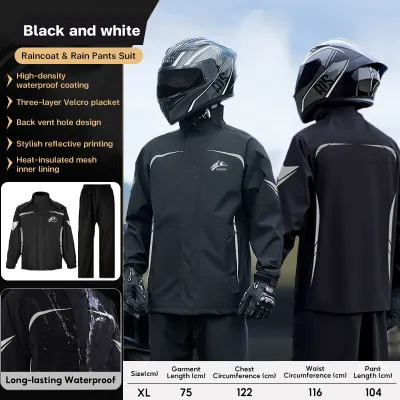
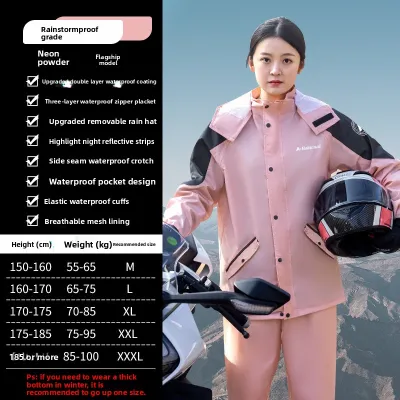
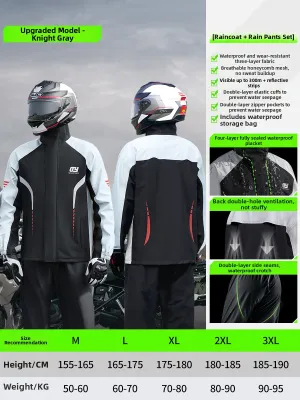
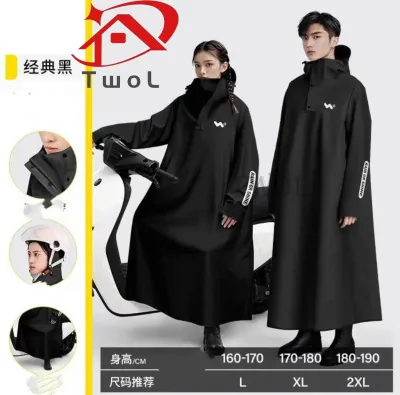
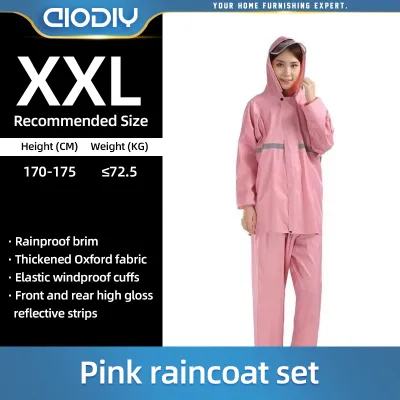
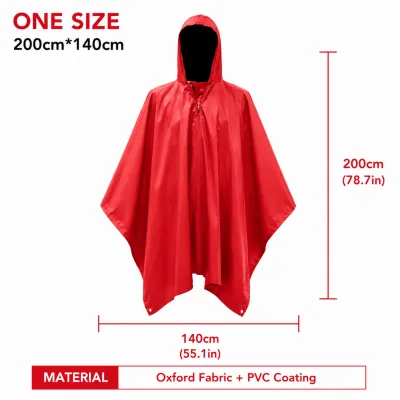
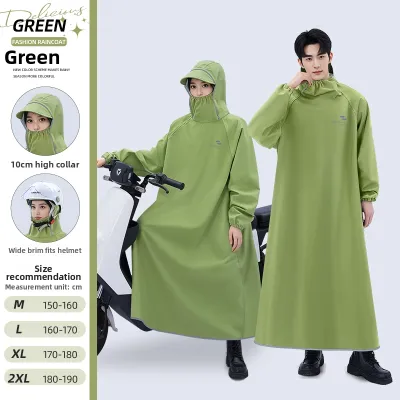

Prices are valid at publication and may change. Please refer to the product page for the latest price.
Waterproof ratings generally fall into several distinct tiers:
- Water-Resistant (Under 5,000mm): These garments typically rely solely on a Durable Water Repellent (DWR) chemical coating. While they can handle light, brief drizzles, they will quickly saturate and fail when subjected to the wind and pressure of a moving motorcycle.
- Lightly Waterproof (5,000mm to 10,000mm): Suitable for light rain or short commutes at low speeds, but prone to leaking during sustained downpours or at moderate speeds.
- Highly Waterproof (10,000mm to 15,000mm): The baseline standard for serious motorcycle commuting. Gear in this range can withstand heavy rain and moderate wind pressure without letting water through.
- Ultra-Waterproof (15,000mm to 20,000mm and above): Designed for extreme weather, heavy monsoons, and high-speed highway riding. This gear offers the ultimate protection against prolonged, torrential downpours.
However, a high fabric rating does not guarantee a dry ride on its own. The rating applies strictly to the fabric itself under controlled laboratory conditions, not to the completed garment. Even if a jacket is made from a 20,000mm fabric, water can easily penetrate the needle holes left by stitching, seep through standard zippers, or blow up through the cuffs and collar. Therefore, evaluating how a raincoat is constructed is just as vital as checking the numerical rating on the label.
The Minimum Waterproof Specs for Philippine Monsoon Riding
The monsoon season in the Philippines brings a unique combination of torrential rainfall, strong winds, and high temperatures. When you are riding a motorcycle, the rain does not simply fall on you; the velocity of your bike forces the water against your gear. This dynamic pressure mimics a much higher hydrostatic head than you would experience while standing still. For example, riding at 60 km/h in a heavy downpour pushes water against the fabric with force equivalent to several thousand millimeters of water pressure. This is why a minimum rating of 10,000mm is the absolute baseline for daily commuting, while highway riders should look for 15,000mm or higher.

To ensure the raincoat actually delivers on its waterproof rating, you must inspect the seams. Standard stitched seams contain thousands of microscopic needle holes that act as pathways for water under pressure. High-quality motorcycle raincoats feature fully taped or welded seams. Taped seams are sealed on the inside with a specialized polyurethane tape that is heat-pressed over the stitching, preventing any moisture from bypassing the fabric. Welded seams, often found in heavy-duty polyurethane or PVC rainwear, use heat or radio frequency waves to fuse the fabric panels together, creating a completely seamless, molecular bond that is 100% waterproof.
Another primary point of failure in any motorcycle raincoat is the front closure. Standard zippers are highly vulnerable to wind-driven rain, which easily forces water through the zipper teeth. To combat this, look for raincoats equipped with specialized waterproof zippers (often coated with polyurethane) or heavy-duty zippers protected by robust storm flaps. A dual or triple storm flap system—where a layer of waterproof fabric folds over the zipper and secures with Velcro or snap buttons—creates a physical barrier that channels water away from the opening, keeping your chest and torso completely dry.
When shopping for gear, always prioritize products specifically designed and labeled for motorcycle or active-use applications rather than generic outdoor or hiking raincoats. Motorcycling rainwear is engineered to withstand the unique aerodynamic forces, wind shear, and riding postures associated with riding. Generic raincoats often balloon at high speeds, tear under wind pressure, or lack the specialized seal points required to keep water out while leaning forward on a bike.
Critical Design Features That Complement Waterproof Ratings
While the fabric’s waterproof rating determines its resistance to water penetration, the physical design of the garment dictates how well it keeps water out in real-world riding scenarios. To survive a true Philippine downpour, your rain gear must feature robust seal points at all openings. Adjustable storm cuffs—utilizing high-quality Velcro straps, elastic bands, or snap closures—are essential for creating a tight seal around your wrists, preventing wind-driven rain from blowing up your sleeves. Similarly, a high collar with an adjustable chin guard is crucial; without it, water running off your helmet will seep down your neck and soak your inner clothing. Drawcord or elasticized hems at the waist of the jacket and the cuffs of the pants help secure the gear tightly against your body, preventing water from creeping upward while you are in a riding posture.
In the tropical climate of the Philippines, high humidity is a constant challenge during the rainy season. Wearing a completely non-breathable waterproof suit, such as one made of basic heavy PVC, often results in a “sauna effect.” The heat and sweat generated by your body cannot escape, leaving you just as wet from perspiration as you would have been from the rain. To prevent this, look for rainwear that incorporates breathable membranes (measured in grams of water vapor per square meter over 24 hours, or g/m²/24hrs) or active ventilation systems. Features like zippered underarm vents, mesh-lined back flaps, and breathable chest panels allow hot air and moisture to escape while maintaining a barrier against external water.
Visibility drops dramatically during heavy monsoon rains, making road safety a paramount concern. When choosing a motorcycle raincoat, high-visibility colors and reflective elements are non-negotiable. Bright neon yellow, fluorescent green, and vibrant orange fabrics significantly increase your presence on the road, making it easier for other motorists to spot you through rain-streaked windshields. Additionally, ensure the garment features wide, retroreflective strips across the back, shoulders, and chest. These strips reflect headlight beams from other vehicles, providing critical visibility during low-light daytime storms and nighttime commutes.
Finally, the fit of your rain gear is critical to its performance and your overall safety. A raincoat that is too tight will restrict your movement and may tear at the seams when you mount your bike, while a suit that is too loose will flap violently at speed, causing fatigue and premature wear. Look for a cut that accommodates a forward-leaning riding posture and allows you to wear the raincoat comfortably over your standard protective riding jacket and pants. Ensure the jacket’s tail is long enough to cover your lower back when leaning forward, and verify that the pants have a high waist and sufficient leg length so they do not ride up above your boots when your knees are bent on the footpegs.
How to Maintain Your Rain Gear in a Humid Climate
Investing in a high-quality motorcycle raincoat is only half the battle; proper maintenance is essential to preserve its waterproof performance and prolong its lifespan in a hot, humid environment. Over time, road grime, mud, engine oil, and body sweat accumulate on the fabric. These contaminants can clog the pores of breathable membranes and chemically degrade both the waterproof backing and the outer Durable Water Repellent (DWR) coating. To prevent this, regularly clean your gear according to the manufacturer’s care label. Generally, this involves hand-washing or using a gentle machine cycle with cold water and a mild, additive-free liquid detergent. Avoid harsh powder detergents, bleach, and fabric softeners, as these chemicals can strip away the DWR coating and cause waterproof membranes to delaminate.
The DWR coating is a chemical treatment applied to the outer surface of the fabric that causes water to bead up and roll off rather than soaking into the fibers. When the DWR fails, the outer fabric becomes saturated—a condition known as “wetting out.” While the inner membrane may still keep water from reaching your skin, a wetted-out jacket becomes heavy, cold, and completely loses its breathability. You can easily identify a failing DWR coating by spraying water onto the dry garment; if the water flatly absorbs into the fabric and darkens it rather than forming round beads, the treatment needs rejuvenation. To restore this barrier, safely reapply a wash-in or spray-on DWR treatment formulated specifically for technical outdoor or motorcycle gear, strictly following the product’s application instructions.
Before applying any cleaner or reproofing spray to your rain gear, always check the raincoat manufacturer’s care label and the specific product’s instructions. If the instructions conflict, or if your garment’s material is unidentified, contact the manufacturer directly to prevent damaging the waterproof membrane or voiding any warranty.
In the Philippines, the combination of high humidity and heat creates an ideal breeding ground for mold, mildew, and bacteria. Storing your rain gear while it is still damp will rapidly ruin the fabric, destroy the seam tape adhesive, and create unpleasant odors. After every ride in the rain, hang your gear to dry completely in a well-ventilated, shaded indoor area. Never leave damp rain gear crumpled up inside your motorcycle’s under-seat compartment (U-box) or in a sealed gear bag. Additionally, avoid exposing your rainwear to direct, prolonged sunlight to dry; intense UV rays can degrade synthetic fabrics, weaken seam adhesives, and cause reflective tapes to crack and peel.
Frequently Asked Questions (FAQ)
Is a 5,000mm waterproof rating enough for light city commuting?
While a 5,000mm rating can handle light walking in mild rain, it is generally insufficient for motorcycle commuting. The wind pressure generated even at low city speeds (30 to 40 km/h) can force water through a 5,000mm fabric within minutes. For reliable protection on a motorcycle, always aim for a minimum of 10,000mm.
How do I test if my current motorcycle raincoat is still waterproof?
You can perform a simple, non-destructive water-beading test by spraying water onto the dry outer fabric. If the water beads up and rolls off, the DWR coating is intact. Next, turn the garment inside out and inspect the seams and zippers. Look for peeling seam tape, cracked laminate, or damp spots after a wet ride, which indicate that the waterproof barrier has failed.
Should I buy a one-piece rainsuit or a two-piece jacket and pants set?
A one-piece rainsuit offers superior waterproofing because it eliminates the gap between the jacket and pants, making it ideal for long highway rides. However, a two-piece set is much more practical for daily city commuting. Two-piece sets are easier to put on and take off in a hurry, offer better ventilation, and allow you to wear just the jacket during light drizzles.

Community discussion
Share your experience or ask a question. Comments are reviewed before publication.