
To survive the intense monsoon rains of the Philippines, a motorcycle raincoat needs a waterproof rating of at least 10,000mm, though 15,000mm to 20,000mm is highly recommended for highway speeds where wind pressure forces water through fabric. Riding through a tropical downpour exposes gear to high-velocity water impact, meaning standard water-resistant jackets will quickly saturate. Choosing the right gear requires balancing this rating with construction quality and breathability to handle the local heat.
Decoding Millimeter (mm) Waterproof Ratings
Riding in the Philippines during the wet season means facing sudden, torrential downpours that can flood streets in minutes. Standard rainwear often fails because it is designed for walking, not for the wind pressure experienced on a moving motorcycle. When you travel at 60 km/h or faster, raindrops hit your gear with significant force, mimicking high-pressure water jets.
To measure how much water pressure a fabric can withstand before leaking, manufacturers use the hydrostatic head test. This test places a sealed column of water over the material and measures how high the water column can rise in millimeters before moisture penetrates the fabric. A 10,000mm rating means the fabric can support a 10,000-millimeter column of water before leaking.
Products mentioned in this guide
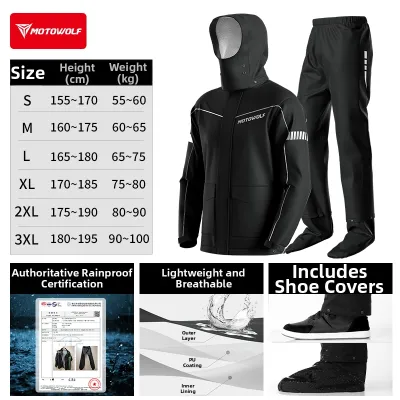
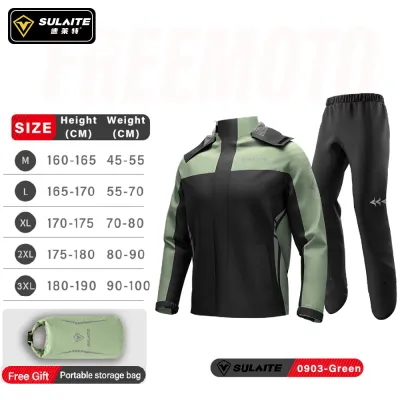
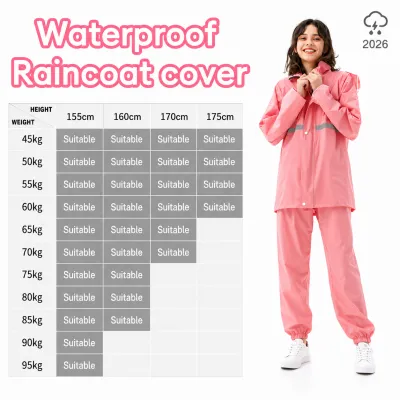
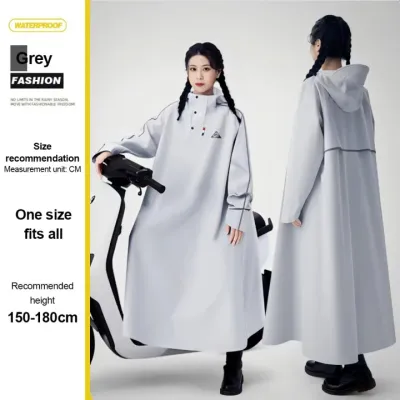
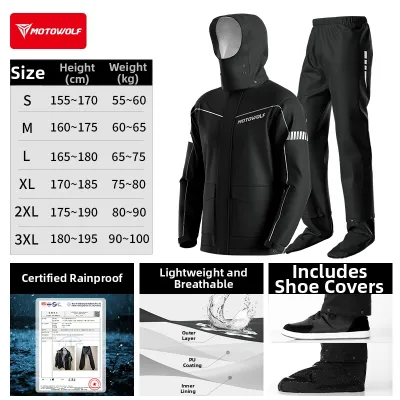
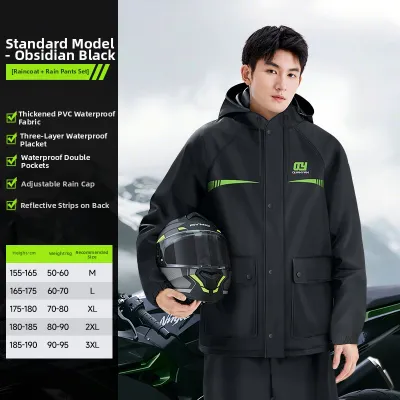
Prices are valid at publication and may change. Please refer to the product page for the latest price.
For daily commuting in heavy tropical storms, look for raincoats rated between 10,000mm and 20,000mm. Ratings below 5,000mm are only suitable for light drizzle or short exposures. While a 20,000mm rating offers excellent protection against wind-driven rain, keep in mind that extremely high ratings can sometimes result in stiffer, heavier fabrics that restrict movement.
A higher waterproof rating is not always the best choice if it compromises your comfort and control. Stiff, heavy materials can make it difficult to turn your head or reach the handlebars comfortably. Additionally, highly impermeable fabrics without proper ventilation can trap body heat, turning the inside of your suit into a humid sauna.
Critical Construction Features: Seams, Zippers, and Closures
Even the highest-rated fabric will let water in if the construction is weak. The seams where fabric panels meet are the most vulnerable points of any motorcycle raincoat. High-quality gear features taped or welded seams, where a waterproof strip is heat-sealed over the stitching on the interior of the garment. You can verify this by turning the raincoat inside out to check for a smooth, continuous plastic-like tape covering every stitched line.

Zippers are another common entry point for water, especially on the chest and torso where wind-driven rain hits directly. Look for raincoats equipped with wide storm flaps that fold over the zipper and secure with hook-and-loop fasteners or heavy-duty snaps. This double-barrier design prevents wind from forcing water through the zipper teeth.
Riding posture also affects how water enters your gear. When reaching forward for the handlebars, your sleeves can pull back, and your collar can gap open. Choose a raincoat with adjustable hook-and-loop cuffs, a high collar that seals comfortably under your helmet, and adjustable ankle closures to prevent water from riding up your legs.
Material Types and Breathability Trade-offs
Motorcycle raincoats are typically made from PVC, polyester, or nylon. Polyvinyl chloride (PVC) is completely waterproof and highly durable, but it is heavy, stiff, and entirely non-breathable, making it very hot to wear in tropical climates. Polyester and nylon are lighter and more flexible, often treated with a polyurethane coating on the inside to provide water resistance while remaining comfortable to wear.
To stay comfortable in the high humidity of the Philippines, look for garments featuring breathable membranes. These specialized layers contain microscopic pores that are too small for liquid water droplets to pass through, but large enough to allow sweat vapor to escape. Standard coated linings lack these pores, which often leads to heavy condensation inside the jacket during warm, rainy rides.
When shopping, check the manufacturer’s specifications for both the waterproof rating and the breathability rating, which is usually measured in grams per square meter over 24 hours. Balancing these two specifications ensures you stay dry from both the external rain and your own perspiration.
Practical Inspection and Maintenance Checklist
Regularly inspect your rain gear to ensure it remains reliable before the monsoon season begins. Look for signs of delamination, where the inner waterproof coating begins to peel away from the outer fabric. Check the interior seams for lifting or cracked tape, and test the exterior fabric by sprinkling water on it; if the water sinks in rather than heading into round droplets, the Durable Water Repellent coating has worn off.
To clean your raincoat without damaging its protective layers, always follow the specific instructions on the garment care label. Avoid harsh household detergents, fabric softeners, and bleach, as these chemicals can strip away the protective coating and dissolve seam tape adhesives. Instead, use a mild, technical liquid soap designed for synthetic outerwear, and hand wash or use a gentle machine cycle.
If you notice persistent leaks despite proper care, or if the interior seam tape has completely detached, it is time to retire the raincoat. While minor seam lifting can sometimes be repaired with specialized outdoor gear adhesive, a compromised main zipper or widespread fabric wear means the suit can no longer protect you safely during a heavy downpour.
Frequently Asked Questions (FAQ)
Can I use a standard hiking rain jacket for motorcycle riding?
Standard hiking rain jackets are generally unsuitable for motorcycle riding because they lack the necessary durability and structural design. Hiking gear is made from lightweight fabrics that can easily tear during a slide, and they rarely accommodate bulky motorcycle armor underneath. Furthermore, at highway speeds, the loose fabric of a hiking jacket will flap violently in the wind, causing fatigue and potentially distracting you from the road.
Does the color of the raincoat affect safety during heavy rain?
Yes, the color of your raincoat plays a vital role in your safety on wet roads. Heavy monsoon rains drastically reduce visibility for all motorists, and dark colors like black or navy blue blend directly into the gray, wet environment. Opting for high-visibility colors such as neon yellow, orange, or bright green, combined with retroreflective strips on the back and shoulders, helps other drivers spot you much sooner in low-light conditions.
Community discussion
Share your experience or ask a question. Comments are reviewed before publication.