
City Commutes vs. Long Tours: Why Your Riding Context Matters
Navigating the daily grind on two wheels requires gear that can adapt to rapid environmental shifts. In the Philippines, where a morning commute might involve crawling through dense metropolitan traffic under a blazing sun, and a weekend ride might take you up winding provincial highways into sudden afternoon downpours, your choice of footwear plays a critical role in both safety and comfort. While many riders look for “motorcycle rubber shoes,” it is vital to distinguish between casual everyday sneakers and purpose-built, motorcycle-specific riding shoes that feature specialized rubber outsoles. This guide explores how your riding environment dictates your footwear needs, establishing a clear framework to help you choose between urban-optimized and touring-ready designs.
Urban commuting and long-distance touring place entirely different physical demands on your feet. City riding is characterized by constant stop-and-go motion, requiring you to plant your feet frequently on unpredictable, oil-slicked asphalt while managing high engine heat radiating from stationary traffic. Conversely, long-distance touring involves hours of sustained highway speeds, continuous exposure to wind and rain, and prolonged foot placement on vibrating metal footpegs. Choosing the right gear is not about finding a single perfect shoe, but rather about balancing walkability, breathability, structural support, and impact protection to match your primary riding habits.
Priorities for Daily City Commuting: Comfort, Grip, and Convenience
Urban riding in tropical climates demands a highly specific set of features designed to keep you comfortable during short, intense trips. When you are navigating congested city streets, your footwear must transition seamlessly from the bike to the office, classroom, or cafe. The ideal commuter shoe prioritizes temperature regulation, off-bike flexibility, and quick-acting grip on unpredictable road surfaces, ensuring that your daily ride remains a practical and painless experience.
Products mentioned in this guide
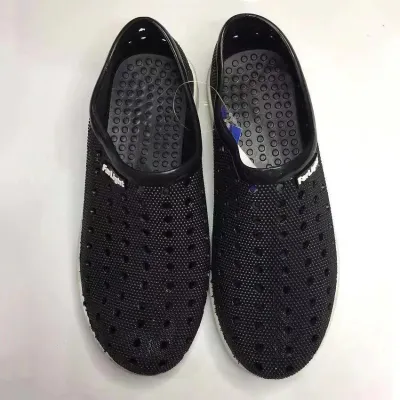
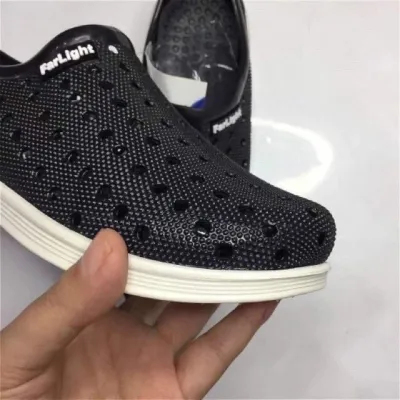
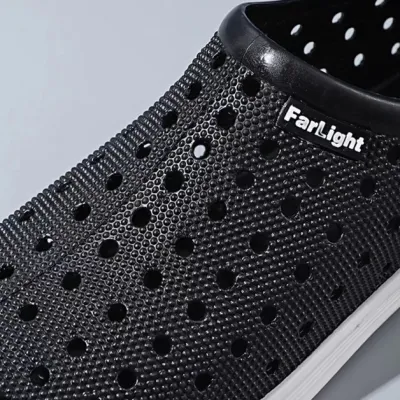
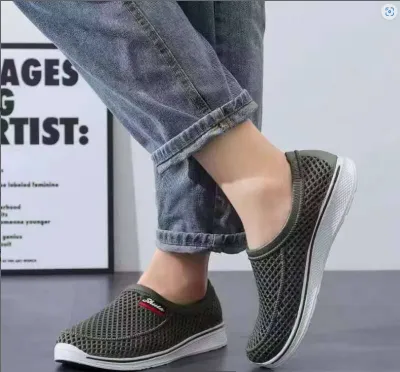
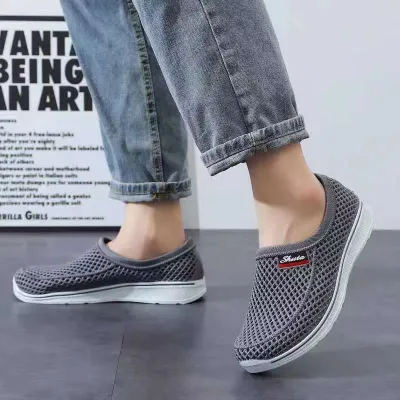
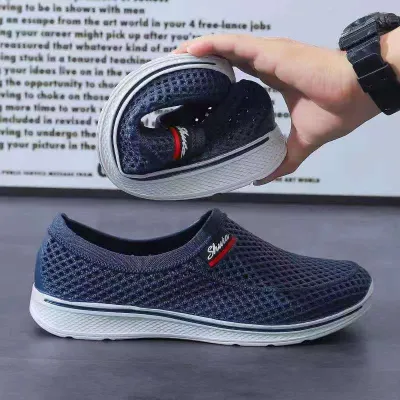
Prices are valid at publication and may change. Please refer to the product page for the latest price.

Breathability and Walkability
High ambient temperatures and stagnant air in heavy traffic make heat management a primary concern for urban riders. To prevent excessive sweating and subsequent discomfort, look for riding shoes constructed with heavy-duty mesh panels, perforated leather, or advanced moisture-wicking inner linings. These materials facilitate continuous airflow around the foot, allowing heat to escape even when you are idling at a major intersection.
Equally important is the shoe’s flexibility when you step off the motorcycle. Unlike stiff racing boots, urban riding shoes should feature a flexible forefoot design and a cushioned midsole, often made of lightweight EVA foam, which mimics the natural stride of a standard sneaker. This ensures you can comfortably walk across a campus, stroll through a shopping mall, or stand during a meeting without experiencing the foot fatigue or stiffness associated with rigid touring gear.
Urban Wet-Weather Grip
City streets present a unique set of traction challenges, particularly when wet. Rainwater mixes with leaked engine oil, road grime, and fuel residue to create a slick film on the asphalt, while painted lane markings, steel construction plates, and metal manhole covers become exceptionally hazardous. To counter this, commuter riding shoes rely on specialized rubber compounds formulated to remain soft and tacky even on smooth, wet surfaces.
The tread design of an urban riding shoe is engineered differently than that of an off-road or touring boot. Instead of deep, aggressive lugs, commuter shoes typically feature shallow, multi-directional tread patterns or siped outsoles that actively channel water away from the contact patch. This design maximizes the surface area of the rubber touching the ground, providing immediate, slip-free traction the moment you plant your foot at a stoplight.
Low-Profile Protection and Convenience
While safety remains paramount, urban gear must avoid unnecessary bulk to remain practical for daily wear. A key feature to look for is a reinforced toe box, which usually incorporates a low-profile TPU shift pad. This reinforcement protects the top of your foot from the repetitive pressure of gear shifting and prevents the shifter peg from wearing through the shoe material, all while maintaining a streamlined, casual aesthetic.
Convenience is another major factor in daily usability, making the shoe’s closure system a critical consideration. Traditional laces can easily untie and become entangled in your bike’s chain, sprocket, or footpegs, presenting a serious safety hazard. Opt for riding shoes that feature secure, low-profile closure systems, such as speed-lacing systems paired with velcro ankle straps, hidden lace pockets, or heavy-duty side zippers that allow you to slip the shoes on and off in seconds.
Priorities for Long-Distance Touring: Protection, Weather, and Support
When you leave the city limits for a multi-day provincial tour, your riding priorities undergo a fundamental shift. On the open highway, comfort is no longer defined by how easily you can walk to a cafe, but by how well your footwear shields you from high-speed wind, prolonged vibration, and sudden weather changes. Touring demands robust structural integrity and comprehensive impact protection to safeguard your feet over hundreds of kilometers of continuous travel.
Weather and Element Resistance
Long-distance touring in tropical regions frequently exposes riders to sudden, heavy downpours that can saturate standard footwear within minutes. Riding with wet feet not only causes physical discomfort and skin chafing but also distracts you from the road, compromising your safety. To prevent this, touring-focused riding shoes incorporate integrated waterproof and breathable membranes, which act as a barrier against external moisture while allowing internal sweat vapor to escape.
However, choosing a fully waterproof shoe involves a clear trade-off that you must carefully evaluate. These specialized membranes naturally restrict airflow compared to open-mesh commuter shoes, meaning they will retain more heat during dry, slow-speed city riding. For long-distance journeys where highway speeds provide natural cooling, this heat retention is negligible, making waterproof construction an indispensable feature for any serious tourer.
Structural Support and Anti-Fatigue
Continuous hours on a motorcycle place a surprising amount of physical strain on the arches of your feet and your calf muscles. If a shoe’s sole is too flexible, your foot will constantly bend and wrap around the narrow metal footpeg under the weight of your body, leading to painful cramping and fatigue. Touring shoes address this by embedding a rigid shank—made of tempered steel, nylon, or fiberglass—into the midsole directly beneath the arch.
This internal shank provides a stable, unyielding platform that evenly distributes your weight across the footpeg, minimizing localized pressure points. Combined with anatomical arch supports and a stiffer overall chassis, this structural reinforcement reduces muscle strain, allowing you to ride for hours without discomfort. While this makes the shoe noticeably stiffer and less comfortable for walking long distances, the anti-fatigue benefits on the bike are unmatched.
High-Speed Impact Protection
At highway speeds, the risk of high-energy impacts from kicked-up road debris, gravel, or a potential slide increases significantly. Touring footwear must therefore offer robust armor to protect vulnerable bony areas. Look for shoes that feature integrated, dual-density ankle pucks (malleolus protectors) embedded on both the lateral and medial sides of the ankle, which absorb and disperse impact energy during a fall.
Additionally, touring shoes should feature a higher-cut design that extends well above the ankle bone. This taller construction not only provides essential lateral support to prevent ankle twisting but also forms a secure seal with your riding pants. This physical barrier prevents high-speed wind, road grit, and hot engine exhaust from entering the shoe, keeping your feet fully protected throughout your journey.
The Compromise: Can One Pair of Rubber Riding Shoes Do Both?
For many riders, owning multiple pairs of highly specialized riding shoes may not be financially practical or necessary. This raises an important question: is there a versatile hybrid option that can handle both the daily grind and the occasional weekend tour? The market addresses this demand with mid-tier casual riding shoes, which attempt to bridge the gap by blending elements of both styles into a single, adaptable package.
These hybrid shoes typically feature a semi-rigid midsole that offers more support than a flexible commuter shoe but retains enough flex to allow for reasonable walking comfort. They often utilize water-resistant materials, such as treated leather or synthetic microfibers, which can withstand a light drizzle without the extreme heat retention of a fully waterproof membrane. Additionally, they incorporate low-profile ankle pucks and reinforced toe boxes, providing a baseline of safety that is acceptable for moderate speeds.
However, choosing a single compromise shoe means accepting inevitable trade-offs on both ends of the spectrum. A shoe that is stiff enough to prevent foot fatigue during a five-hour provincial ride will inevitably feel somewhat heavy and clunky when walking around a shopping mall or working at an office desk. Conversely, a highly ventilated, lightweight city shoe will leave your feet cold, wet, and vulnerable if you encounter a sudden monsoon on a remote highway.
To make the right decision, analyze your actual riding patterns. If your routine consists of daily city commuting with only the occasional two-to-three-hour weekend ride outside the city, a single pair of versatile, mid-cut hybrid riding shoes is an excellent, cost-effective choice. However, if you regularly embark on dedicated, multi-day provincial tours or ride long distances in all weather conditions, investing in two separate, specialized pairs is highly recommended to ensure optimal safety, comfort, and longevity for both environments.
Safety Boundaries: Regular Sneakers vs. Motorcycle-Specific Rubber Shoes
It is a common sight to see riders commuting in standard canvas sneakers, running shoes, or vulcanized rubber fashion shoes. While these options are comfortable and stylish for walking, using them on a motorcycle represents a severe safety risk that cannot be overstated. Standard fashion footwear is engineered solely for walking on flat surfaces and lacks the structural integrity required to withstand the forces involved in a motorcycle accident.
In a crash, standard sneakers offer virtually zero protection against crushing forces, extreme abrasion, or impact. The vulcanized rubber soles of fashion shoes are highly susceptible to separating from the upper material under the intense heat and friction of a slide, leaving your bare foot exposed to the asphalt. Furthermore, exposed laces present a constant hazard, as they can easily untangle and wrap around your bike’s gear shifter, rear brake pedal, or spinning drive chain, leading to a loss of control before you even have a chance to react.
To ensure you are buying genuine protective gear, always verify that the footwear is certified specifically for motorcycle use. Look for the CE (Conformité Européenne) certification label sewn inside the shoe, typically referencing the EN 13634 standard for protective footwear for motorcycle riders. This label indicates that the shoe has undergone rigorous laboratory testing for abrasion resistance, impact cut resistance, transverse rigidity (crush resistance), and sole bond strength.
When purchasing your riding shoes, keep the local climate in mind to ensure a proper fit. High temperatures and humidity cause your feet to naturally swell during a long ride, so it is wise to try on shoes in the afternoon and allow a small amount of wiggle room. Finally, always pair your motorcycle rubber shoes with high-quality, moisture-wicking riding socks rather than standard thin cotton socks. Technical riding socks reduce friction, prevent blisters, manage sweat, and provide an extra layer of comfort inside a reinforced riding shoe.
Frequently Asked Questions (FAQ)
Are high-top rubber shoes safer than low-top for touring?
Yes, high-top and mid-cut motorcycle rubber shoes are significantly safer than low-top designs for long-distance touring. Taller shoes provide essential structural support to the ankle joint, preventing hyperextension and twisting during a fall. They also allow for the integration of dual-sided ankle protectors (malleolus pucks) and shield your lower leg from hot exhaust pipes, flying road debris, and high-speed wind. Low-top commuter shoes, while highly flexible and convenient for walking, leave the ankle joint completely exposed to impact and abrasion.
How do I maintain rubber riding shoes after riding in heavy rain?
Proper maintenance is essential to preserve the structural integrity and lifespan of your riding shoes after a wet ride. Start by removing the inner insoles and wiping away any external mud or road grime with a damp cloth. To dry the interiors, stuff the shoes tightly with crumpled clean newspaper or insert cedar shoe trees to absorb moisture naturally from the inside out. Never place your riding shoes near direct heat sources, such as radiators, hair dryers, or under harsh, direct sunlight, as extreme heat can warp the rubber outsoles, degrade adhesive bonds, and damage sensitive waterproof membranes. Always allow them to air dry slowly in a shaded, well-ventilated indoor space.

Community discussion
Share your experience or ask a question. Comments are reviewed before publication.