
Finding the right saddle bag for your motorcycle in the Philippines requires balancing storage capacity, weather protection, and physical compatibility with your bike. Whether you are navigating the daily congestion of Metro Manila or embarking on a long-distance weekend ride along the scenic Marilaque Highway, carrying your gear securely changes your entire riding experience. The ideal choice depends on your motorcycle’s frame, your typical riding conditions, and how much protection you need against sudden tropical downpours.
Investing in a reliable luggage system allows you to transport essentials like rain gear, tools, and personal items without relying on a heavy backpack that causes rider fatigue. However, because motorcycles vary widely in exhaust placement, rear fender design, and weight capacity, selecting a saddle bag is not a one-size-fits-all decision. By understanding the core specifications, mounting requirements, and safety considerations, you can find a setup that keeps your cargo secure and your ride stable.
Understanding Saddle Bag Types and Mounting Systems
Motorcycle saddle bags generally fall into two main categories: soft luggage and hard luggage. Soft saddle bags are typically constructed from heavy-duty textiles like ballistic nylon, polyester, or treated canvas, as well as natural or synthetic leather. These bags are lightweight, flexible, and often feature expandable compartments that allow you to adjust their volume based on your cargo. Their pliable nature makes them highly practical for tight city filtering, as they can absorb minor impacts and do not add rigid width to your motorcycle’s profile.
Products mentioned in this guide
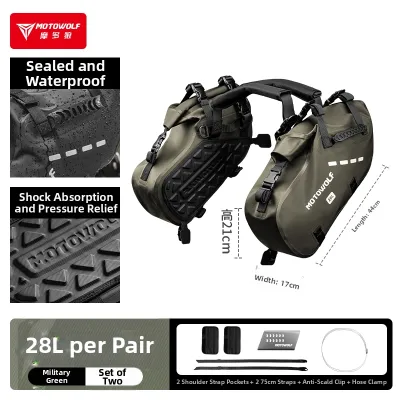
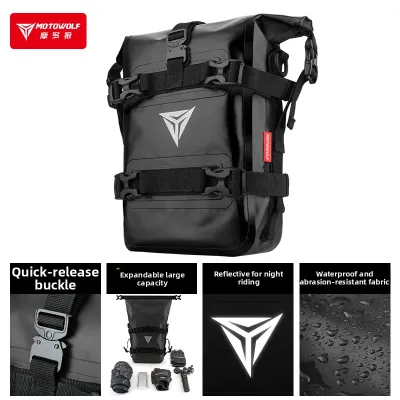
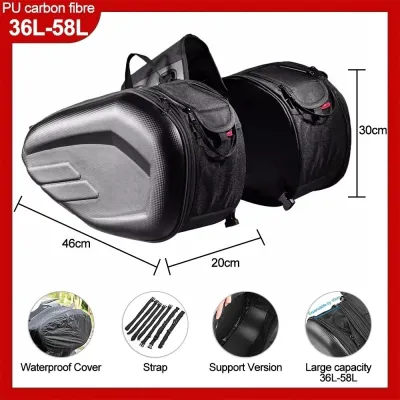
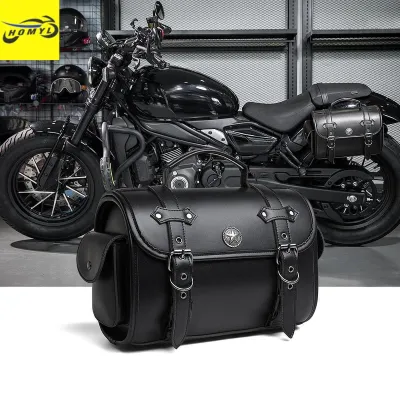
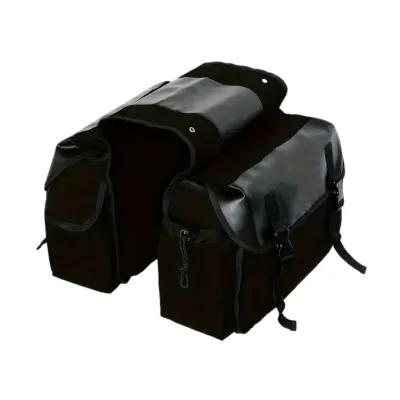
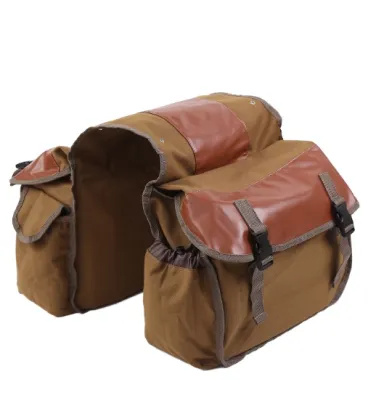
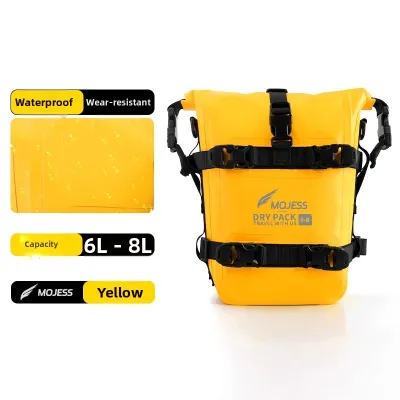
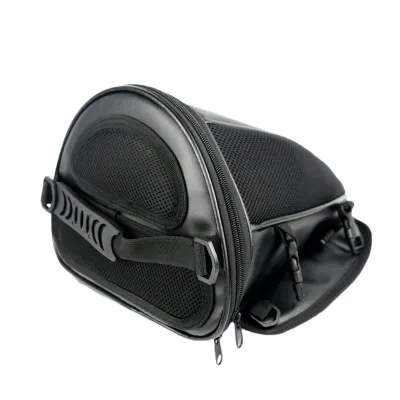
Prices are valid at publication and may change. Please refer to the product page for the latest price.
In contrast, hard saddle bags are constructed from rigid materials such as molded plastic, fiberglass, or aluminum. These cases offer superior structural protection for fragile items and are highly resistant to impact and forced entry, often featuring integrated key-lock systems. While hard luggage provides excellent security when leaving your bike parked in public spaces, it adds permanent width and weight to your motorcycle. This rigid structure requires a robust mounting system and can affect how easily you navigate through narrow traffic lanes.
The way these bags attach to your motorcycle also varies between universal throw-over designs and frame-mounted systems. Throw-over saddle bags feature a wide connecting yoke that drapes over or under your passenger seat, allowing the bags to hang on either side of the rear fender. While highly adaptable and easy to transfer between different motorcycles, throw-over bags can shift during transit if they are not anchored properly. Frame-mounted systems, on the other hand, rely on dedicated metal racks bolted directly to the motorcycle’s frame. These racks provide a stable, rigid platform that prevents the bags from sagging inward or swinging during high-speed rides, though they require model-specific hardware that matches your bike’s exact make and year.
Before purchasing any saddle bag system, it is essential to check the manufacturer’s specifications for required mounting hardware. Some soft bags can be used safely without racks on specific cruiser models with wide rear fenders, while sportier commuters and adventure bikes almost always require support brackets to keep the bags clear of the rear wheel. Always verify whether the mounting kit is included with the bags or if you must purchase a compatible aftermarket rack separately.
Key Features to Evaluate Before Buying
When comparing different saddle bags, capacity and external dimensions are the first specifications to analyze. Measured in liters, the total capacity should align with your typical cargo needs. For daily commuting, a combined capacity of 20 to 30 liters is generally sufficient to store a set of rain gear, basic tools, and a small laptop or change of clothes. For multi-day touring across provinces, you may want to look at larger setups offering 40 liters or more. However, you must cross-reference these external dimensions with your motorcycle’s rear geometry to ensure the bags do not block your turn signals or extend too far past your handlebars.

Weatherproofing is another critical factor to evaluate, especially given the intense tropical storms and high humidity experienced in the Philippines. Do not assume a bag is waterproof simply because of its material; instead, read the manufacturer’s product tags and specifications carefully. Many textile bags are labeled as water-resistant, meaning they can withstand a light drizzle but will eventually saturate during a heavy downpour. These bags typically require external, high-visibility rain covers to keep your contents dry. For absolute protection against wet weather, look for fully waterproof bags made from heavy-duty TPU or PVC tarpaulin with welded seams and roll-top closures, which prevent water from penetrating even during prolonged rides in torrential rain.
The closure mechanisms of the saddle bags play a vital role in both convenience and security. Heavy-duty zippers should ideally feature polyurethane coatings or storm flaps to prevent water and road grime from entering the main compartments. Buckles should be made of high-impact plastic or corrosion-resistant metals that can withstand constant exposure to moisture and UV rays. If you frequently leave your motorcycle unattended, prioritize bags with lockable zipper pulls or integrated locking mechanisms, or verify if the design allows you to secure the closures with aftermarket padlocks.
Internal organization is a final feature that can greatly improve usability. Some saddle bags consist of a single large cavity, which is excellent for bulky items but makes finding smaller tools difficult. Other designs incorporate internal mesh pockets, key clips, and external quick-access compartments. If you choose a simple, single-compartment waterproof bag, consider using lightweight dry bags or packing cubes internally to organize your gear and add an extra layer of protection against moisture.
Matching the Saddle Bag to Your Motorcycle and Riding Style
Before finalizing your purchase, you must evaluate how a saddle bag will interact with your motorcycle’s physical layout, starting with exhaust pipe clearance. High-mount exhaust pipes, common on scramblers, dual-sports, and sporty commuter bikes, radiate intense heat during operation. You must measure the physical distance between the top of your exhaust pipe and the lowest point of the saddle bag when fully loaded. Most manufacturers recommend maintaining a specific safety clearance to prevent the bag’s material from scorching, melting, or catching fire. If your motorcycle’s layout results in tight clearance, you will need to install a dedicated exhaust heat shield or a rigid support rack to maintain a safe boundary.
You must also consult your motorcycle’s owner’s manual to verify the maximum allowable rear payload limit. Overloading your saddle bags can drastically alter the motorcycle’s center of gravity, which negatively impacts handling, braking distance, and rear suspension performance. When packing, always distribute weight evenly between the left and right bags to maintain lateral balance. Placing heavier items at the bottom of the bags helps keep the center of gravity low, preserving your bike’s stability when cornering or maneuvering at low speeds.
Your primary riding style should also dictate the type of saddle bag you choose. If your daily routine involves navigating dense city traffic, a slim, aerodynamic profile is essential. Compact, semi-rigid bags or narrow soft cases allow you to maintain your bike’s agility and make lane filtering safer and more manageable. Conversely, if your passion lies in long-distance touring or adventure riding, prioritizing rugged, high-capacity, and fully waterproof bags is the wiser choice, as these systems are built to endure hours of continuous vibration, dust, and unpredictable weather.
Installation, Safety, and Maintenance Checks
Proper installation is paramount to rider safety, making a thorough pre-ride inspection essential. Once your saddle bags are mounted, check the physical clearance between the bags and all moving parts of the motorcycle, including the rear wheel, swingarm, chain or belt drive, and suspension components. Sit on the motorcycle and compress the rear suspension fully to ensure that no part of the luggage rubs against the tire or interferes with the suspension’s travel. Any contact while riding can damage your gear, ruin the bags, or cause a dangerous loss of control.
Always secure all straps, buckles, and mounting brackets strictly according to the manufacturer’s included instructions. Loose, dangling straps are a severe safety hazard on a motorcycle; they can easily become entangled in the spinning rear wheel or drive chain, leading to sudden wheel lockup. Use the provided strap keepers, elastic bands, or heavy-duty zip ties to secure any excess strap length so they do not flap in the wind or migrate toward moving parts during your journey. If you are installing complex mounting racks that require bolting into the motorcycle’s frame, consider seeking qualified professional installation to ensure all fasteners are torqued to the original-vehicle specifications.
Maintaining your saddle bags is crucial for extending their lifespan, especially in a warm, humid tropical climate. High humidity and road moisture can quickly lead to the growth of mold and mildew, particularly on leather or heavy textile fabrics. Clean your bags regularly using only mild soap, water, and a soft brush, adhering strictly to the care labels authorized by the manufacturer. Avoid using harsh chemical solvents, high-pressure washers, or abrasive scrubbers, as these can strip away waterproof coatings and damage synthetic seals.
After cleaning, allow the bags to dry completely in a well-ventilated, shaded area before storing them or packing them for your next trip. For leather saddle bags, applying a manufacturer-approved leather conditioner periodically is highly recommended to prevent the material from drying out, cracking, or fading under intense sun exposure. When the bags are not in use for extended periods, store them in a cool, dry place away from direct sunlight to preserve the integrity of the fabrics, plastics, and mounting straps.
Frequently Asked Questions (FAQ)
Do I Need a Special Mounting Bracket for My Motorcycle?
Whether you require a mounting bracket depends on your saddle bag’s design and your motorcycle’s rear fender configuration. While some universal throw-over soft bags can technically be draped over the passenger seat without brackets, they often sag inward toward the rear wheel when loaded. Installing support brackets is highly recommended to keep the bags stable, vertical, and clear of moving parts. For hard luggage or quick-release systems, model-specific mounting brackets are mandatory to secure the rigid cases safely to your bike’s frame. Always cross-reference the bag’s compatibility list with your motorcycle’s exact model and year before purchasing.
How Do I Prevent Saddle Bags from Melting Near the Exhaust?
To prevent your saddle bags from melting, you must maintain adequate physical clearance from the exhaust pipe. Always measure this distance when the motorcycle is fully loaded, as the weight of your gear and a passenger will compress the rear suspension, bringing the bags closer to the hot exhaust. If the clearance is less than the manufacturer’s recommended safety margin, you should install a metal exhaust guard or a dedicated saddle bag support rack that physically holds the bag away from the pipe. Additionally, applying adhesive heat-reflective shields to the bottom of soft bags can provide an extra layer of protection against radiant heat.
Can I Use Saddle Bags on a Motorcycle With a Sissy Bar?
Yes, you can use saddle bags on a motorcycle equipped with a sissy bar, but it requires careful selection. A sissy bar or passenger backrest can block the wide connecting straps of standard throw-over saddle bags. To resolve this, look for saddle bags designed with adjustable or split center yokes that can fit around the sissy bar mounts. Alternatively, many riders opt for bags that mount directly to the sissy bar itself, or use dedicated side-mounting brackets that bolt to the fender struts independently of the passenger backrest.
Community discussion
Share your experience or ask a question. Comments are reviewed before publication.