
Selecting the right saddlebag for motorcycle use in the Philippines requires balancing storage capacity, mounting security, and weather protection. Because riders navigate a diverse range of environments—from congested urban streets in Metro Manila to winding provincial highways—the ideal luggage setup varies significantly based on daily habits. A well-chosen saddlebag not only expands your carrying capacity but also preserves the balance, aerodynamics, and overall safety of your motorcycle.
Identifying Your Primary Riding Needs
To find the most suitable saddlebag, you must first define your primary riding profile. Each use case demands different structural features, capacities, and mounting configurations to ensure optimal performance on the road.
Daily commuting in dense urban areas requires a setup that prioritizes agility and quick access. City riders frequently filter through tight traffic lanes, meaning bulky or excessively wide bags can restrict movement and increase the risk of clipping side mirrors. For this profile, a compact, low-profile saddlebag is ideal. It should offer enough space for daily essentials such as a laptop, office wear, a compact rain suit, and small personal items. Quick-release mechanisms or simple strap-on designs are highly beneficial, allowing you to detach the bags easily when parking in public spaces. Weather resistance is also a key consideration, as sudden afternoon downpours are common throughout the year.
Products mentioned in this guide
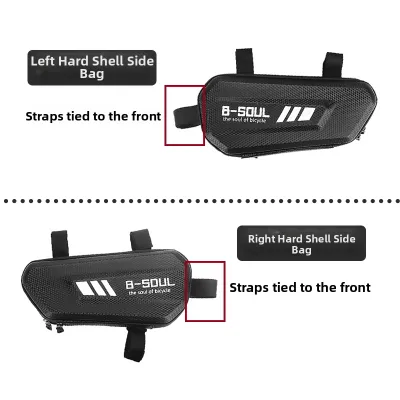
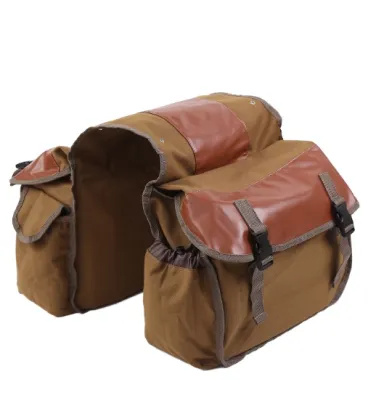
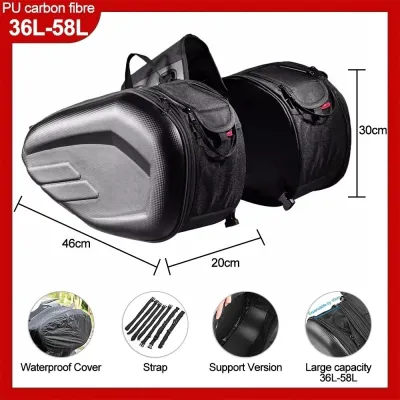
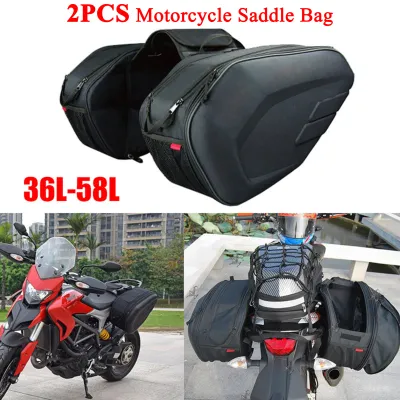
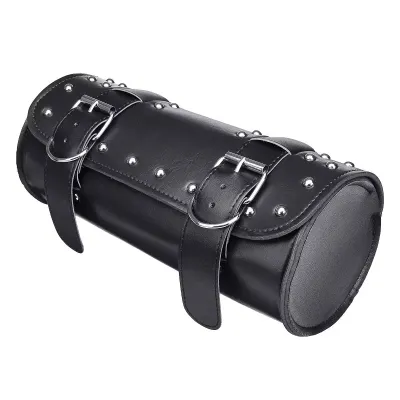
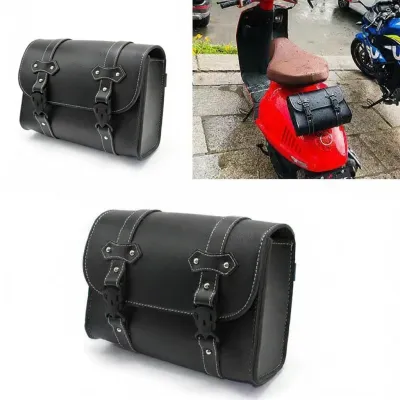
Prices are valid at publication and may change. Please refer to the product page for the latest price.
Weekend touring demands a completely different set of features. When embarking on long-distance rides across provinces, storage capacity and structural stability become the top priorities. Riders need to pack multiple days’ worth of clothing, tools, spare parts, and personal gear. The saddlebags must mount securely to the motorcycle’s frame to withstand high-speed highway travel and bumpy provincial roads. Aerodynamic profiles are crucial here, as poorly designed bags can create drag or cause instability at higher speeds. Additionally, touring bags must offer robust weatherproofing to protect your belongings during hours of continuous exposure to rain and dust.
Commercial delivery work introduces the most demanding conditions for motorcycle luggage. Courier and delivery riders operate their vehicles for consecutive hours daily, carrying diverse and often heavy cargo. For this profile, durability and structural integrity are paramount. The bags must feature reinforced bases and heavy-duty stitching to prevent sagging under heavy loads. High-frequency opening mechanisms, such as heavy-duty zippers or industrial-grade buckles, are necessary to withstand constant use throughout the day. Furthermore, delivery bags require secure, stable mounting systems that prevent shifting during sudden stops and sharp turns, ensuring the rider’s safety and the cargo’s protection.
Essential Specifications and Compatibility Checks
Before purchasing any saddlebag, you must perform several critical physical and functional compatibility checks. Failing to verify these specifications can lead to improper fitment, damage to your motorcycle, or hazardous riding conditions.

First, examine the mounting systems and cross-reference them with your specific motorcycle model, year, and subframe design. Universal strap systems are common, but they still require stable anchor points on the passenger seat, frame rails, or sissy bar. For rigid or semi-rigid setups, you must verify if your motorcycle requires model-specific mounting brackets or side racks. Never assume a bag will fit your bike based solely on a generic category description; always consult the manufacturer’s compatibility charts and installation manuals.
Exhaust clearance is a critical safety factor that riders often overlook. Motorcycle exhaust pipes generate extreme heat during operation, which can easily melt synthetic fabrics, damage leather, or even ignite flammable materials inside the bags. As a general safety boundary, maintain a minimum clearance of at least two to three inches between the bottom of the saddlebag and the top of the exhaust pipe, or follow the specific distance guidelines provided by the bag manufacturer. If your motorcycle has high-mount exhausts, you may need to install specialized heat shields or dedicated luggage racks to keep the bags safely away from the hot metal.
Material selection and weatherproofing must align with the local tropical climate. The Philippines experiences intense heat, high humidity, and severe monsoon seasons, all of which can rapidly degrade low-quality materials. Look for high-denier fabrics, such as 1680D ballistic nylon or heavy-duty polyester, which offer excellent abrasion resistance and UV protection. For hard-shell options, impact-resistant ABS plastic or aluminum provides superior durability. Ensure the bags feature integrated rain covers, waterproof inner liners, or welded seams to keep your gear dry during torrential downpours.
Finally, always check the weight limits of both the saddlebags and your motorcycle. Every motorcycle has a maximum allowable rear load limit specified in the owner’s manual. Exceeding this limit by overloading your saddlebags can strain the rear suspension, compromise braking efficiency, and negatively affect handling. Calculate the combined weight of the saddlebags, mounting hardware, and your intended cargo, ensuring it remains well within the safe operating limits defined by your vehicle’s manufacturer.
Saddlebag Types and Their Ideal Use Cases
Saddlebags generally fall into three primary structural categories: hard, soft, and utility. Understanding the distinct advantages and limitations of each type allows you to match the luggage to your specific riding habits and motorcycle configuration.
Hard Saddlebags for Security and Touring
Hard saddlebags, constructed from rigid materials like ABS plastic, fiberglass, or aluminum, offer the highest level of security and protection. These bags feature built-in locking mechanisms that deter theft, making them excellent for riders who frequently leave their motorcycles parked in public areas. Their rigid structure maintains its shape regardless of the load, protecting fragile items from being crushed and ensuring consistent aerodynamics at highway speeds. Additionally, hard bags typically offer superior weather-tight seals that keep out dust and heavy rain.
However, hard saddlebags have several limitations. They have a fixed carrying capacity, meaning they cannot expand to accommodate awkwardly shaped items. They are also significantly heavier than soft alternatives, which adds to the overall weight of the motorcycle. Installation is generally more complex, requiring model-specific mounting brackets and hardware that must be bolted directly to the bike’s frame. Because of these characteristics, hard saddlebags are best suited for long-distance touring riders and those who prioritize security and weather protection above all else.
Soft Saddlebags for Commuting and Flexibility
Soft saddlebags, made from flexible fabrics like nylon, polyester, or canvas, are highly popular for their versatility and lightweight design. These bags can expand slightly to accommodate irregular cargo, making them highly adaptable for daily errands or spontaneous trips. They are generally easy to install and remove using universal strap systems that drape over or under the passenger seat. This convenience allows riders to quickly detach the bags and carry them when arriving at their destination.
Despite their flexibility, soft saddlebags offer less impact protection for delicate items in the event of a fall. They also rely heavily on external rain covers or waterproof inner dry bags to keep contents dry during heavy rain, as the outer fabric and zippers are rarely fully waterproof on their own. Over time, the mounting straps can experience wear and stretching, requiring regular inspection and adjustment. Soft saddlebags are best suited for daily commuters, weekend riders, and those who prefer a lightweight, removable storage solution.
Utility and Delivery Bags for Commercial Use
Utility and delivery saddlebags are specialized, heavy-duty storage solutions designed specifically for commercial applications. These bags prioritize maximum volume, durability, and ease of access. They often feature reinforced internal panels or external frames to prevent sagging, even when loaded with heavy packages or food containers. Quick-release buckles, wide-mouth openings, and modular compartments allow delivery riders to organize cargo efficiently and access items rapidly throughout their shifts.
The primary trade-off with utility bags is their bulky and utilitarian aesthetic, which may not appeal to casual riders. They often require specialized mounting setups or heavy-duty racks to support the constant weight and prevent the bags from shifting during transit. Because they are designed for maximum capacity, they can significantly widen the motorcycle’s profile, requiring extra caution when navigating narrow streets. These bags are ideal for professional couriers, food delivery riders, and anyone transporting heavy or bulky goods for commercial purposes.
Installation Safety and Operational Boundaries
Proper installation of your motorcycle saddlebags is vital to maintaining vehicle safety and road legality. Incorrectly mounted bags can cause accidents, damage your motorcycle’s components, or obstruct critical safety features.
Before riding, verify that the installed saddlebags do not obstruct your motorcycle’s lighting system. The bags must not block the rear turn signals, tail light, brake light, or the license plate from any viewing angle. If the bags cover these components, you must reposition them, use smaller bags, or install relocation kits for your turn signals. Ensuring your lights remain fully visible is essential for communicating your intentions to other motorists and maintaining road safety.
Adding weight to the rear of your motorcycle alters its center of gravity, which directly impacts suspension performance and handling. A heavy rear load can cause the front wheel to feel light, reducing steering precision and increasing braking distances. It can also reduce cornering clearance, meaning the bags or your footpegs might scrape the ground sooner during sharp turns. Always consult your motorcycle’s owner’s manual to adjust the rear suspension preload to accommodate the extra weight, and practice riding at slow speeds to get accustomed to the altered handling characteristics.
For complex installations, particularly those involving rigid mounting brackets, exhaust modifications, or electrical relocation for turn signals, seek the assistance of a qualified mechanic. Professional installation ensures that all mounting hardware is torqued to the correct specifications and that the structural integrity of your motorcycle is not compromised. Attempting to modify frame components or electrical wiring without proper training can lead to mechanical failure or electrical shorts.
Always halt the installation process and consult the manufacturer or a professional if you encounter any fitting conflicts. If the saddlebags or mounting brackets interfere with the movement of the rear shock absorber, swingarm, or drive chain, do not attempt to ride the motorcycle. There must be sufficient clearance throughout the entire range of the rear suspension’s travel to prevent the bags from contacting moving parts, which could cause sudden wheel lockup or loss of control.
Frequently Asked Questions (FAQ)
Can I use a universal saddlebag on any motorcycle?
While many soft saddlebags are marketed as universal, they cannot be safely installed on every motorcycle without careful verification. Universal bags rely on adjustable straps that drape over the seat, but you must still ensure your bike has adequate mounting points and sufficient clearance from the rear wheel, suspension components, and hot exhaust pipes. Hard saddlebags are rarely universal and almost always require model-specific mounting racks designed for your motorcycle’s exact make, model, and year to ensure a secure and stable fit.
How do I prevent my soft saddlebags from sagging into the rear wheel?
To prevent soft saddlebags from sagging into the rear wheel, ensure the mounting straps are pulled tight and properly tensioned according to the manufacturer’s instructions. Many high-quality soft bags feature built-in internal stiffeners or rigid plastic panels that help maintain their shape even when empty. If your bags continue to sag, or if you carry heavier loads, you should install aftermarket saddlebag support brackets. These metal guards bolt to your motorcycle’s frame and create a physical barrier that keeps the bags safely away from the spinning wheel and suspension.
Are waterproof saddlebags completely submersible?
Most waterproof saddlebags are designed to withstand heavy rain and road spray, but they are not completely submersible unless they carry a specific IP rating certifying submersion capability. Standard water-resistant bags rely on treated fabrics and zippers that can eventually leak under prolonged exposure. Truly waterproof bags typically feature welded seams, roll-top closures, and heavy-duty PVC or TPU materials. For extreme tropical downpours, it is highly recommended to use integrated rain covers or pack your sensitive electronics inside secondary dry bags for absolute protection.
Community discussion
Share your experience or ask a question. Comments are reviewed before publication.