
Choosing between a motorcycle shoe protector and dedicated riding boots depends on how you balance the immediate need for impact protection with the practical demands of your daily destination. A slip-on shoe protector shields your everyday footwear from shift-lever wear and minor scuffs, making it a highly convenient accessory for short, low-speed urban trips. However, it does not add structural safety to a standard shoe. Dedicated riding boots, on the other hand, provide engineered ankle support, impact-absorbing armor, and slide resistance designed to withstand high-speed incidents. For riders navigating the unique challenges of daily commuting and weekend touring, understanding where convenience ends and essential protection begins is key to staying safe on the road.
Evaluating your typical riding environment, speed, and weather conditions will help you determine which gear fits your routine. While a simple strap-on guard keeps your office shoes looking pristine, it cannot prevent a crush injury if a motorcycle falls on your foot. Conversely, heavy-duty boots offer maximum defense but can feel hot and restrictive during a walk through a local office or shopping center. Finding the right balance requires looking closely at how each option performs under different riding scenarios.
Core Differences: Protection Coverage vs Daily Convenience
The fundamental difference between a motorcycle shoe protector and a dedicated riding boot lies in their structural design and primary purpose. A shoe protector is a compact accessory, typically made of rubber, thermoplastic polyurethane (TPU), or reinforced leather, that straps over the toe box of your existing footwear. Its sole function is to act as a sacrificial barrier, preventing the motorcycle’s gear shift peg from scuffing, staining, or wearing down the upper material of your everyday shoes. It offers no structural reinforcement, leaving your feet entirely dependent on the safety features of whatever shoes you happen to be wearing underneath.
Products mentioned in this guide
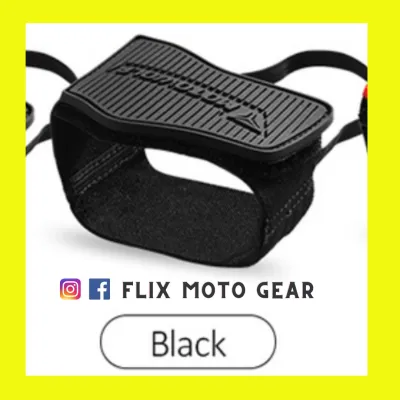
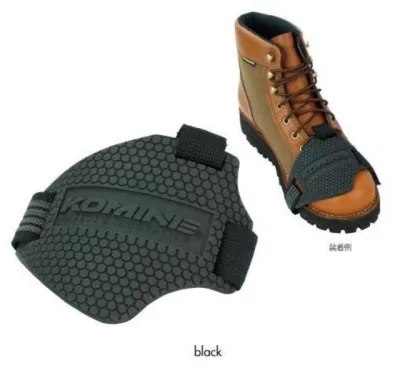
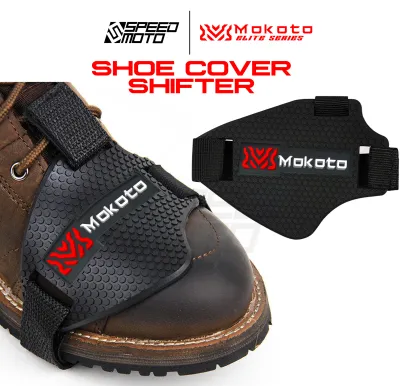
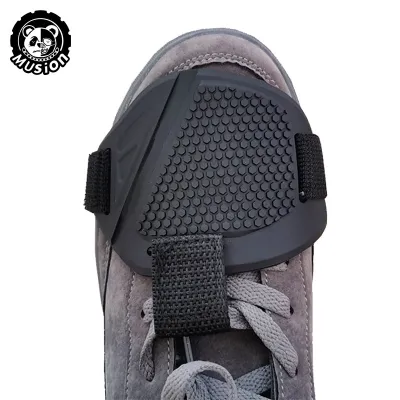
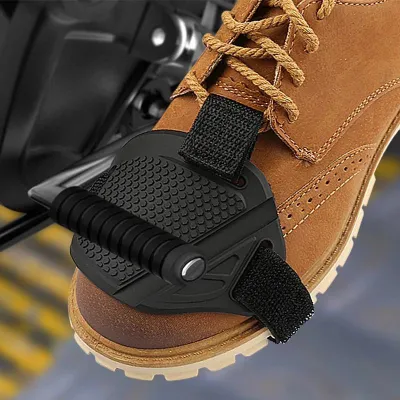
Prices are valid at publication and may change. Please refer to the product page for the latest price.
In contrast, dedicated riding boots are engineered from the ground up as safety equipment. They provide comprehensive coverage that extends well above the ankle, often reaching up to the mid-calf or shin. These boots incorporate rigid internal components, such as reinforced heel cups, protective toe boxes, ankle discs, and steel or composite shanks embedded within the sole. This structural design is specifically built to absorb impact forces, resist abrasion during a slide, and prevent the foot from twisting or crushing under the weight of a fallen motorcycle.
Convenience is the primary reason many riders opt for a simple shoe protector. Because it is small and lightweight, you can easily slip it off upon reaching your destination, toss it into an under-seat compartment or backpack, and walk into your workplace wearing standard, professional footwear. This eliminates the need to carry a spare pair of shoes or spend the workday in stiff, heavy riding gear. For professionals adhering to strict office dress codes, a protector allows them to maintain their corporate appearance without sacrificing their favorite leather shoes to the wear and tear of a daily ride.
However, this convenience comes with a significant compromise in safety. Standard office shoes, sneakers, or canvas slip-ons offer virtually no protection against road rash, impact, or joint hyperextension. While a shoe protector solves the cosmetic problem of shift-peg wear, it leaves your ankles and feet highly vulnerable to injury in even a minor low-speed tip-over. Riding boots require you to either wear them throughout the day or carry a change of shoes, but they provide a continuous shield of armor that a simple strap-on accessory can never replicate.
Gear for Daily City Commutes: Balancing Safety and Walkability
Navigating daily urban commutes requires gear that can handle stop-and-go traffic, sudden stops, and the physical demands of walking once you park. In dense city traffic, riders frequently put their feet down at intersections, often stepping onto uneven asphalt, loose gravel, or slick oil patches. Because of this, any footwear you choose must provide reliable traction. If you rely on a shoe protector, the underlying shoe must have a slip-resistant sole with sufficient grip to prevent your foot from sliding out from under you when supporting the bike’s weight.

Extreme heat is another major factor during urban commutes, especially in tropical climates where traffic congestion can leave you idling for extended periods. Sitting in slow-moving traffic exposes your feet and ankles to intense radiant heat from your motorcycle’s engine and exhaust pipes. Standard canvas sneakers or thin synthetic shoes can easily transfer this heat, causing discomfort or even minor burns. Sturdy leather riding boots or heavy-duty work shoes paired with a protector help insulate your feet from this thermal exposure, keeping you more comfortable during long waits at busy intersections.
Low-speed incidents, such as side-swipes or sudden drops in wet weather, are common in crowded city environments. In these situations, the most frequent injuries involve the foot or ankle getting trapped between the falling motorcycle and the hard pavement. A motorcycle shoe protector offers no lateral support or crush resistance to prevent fractures in these scenarios. If you choose to use a protector for your daily commute, it is highly recommended to pair it with a stiff, over-the-ankle leather work boot rather than a soft running shoe or loafer.
Walkability is where the trade-off becomes most apparent. If your daily routine involves walking long distances, climbing stairs, or standing for hours, stiff track-style riding boots can quickly cause foot fatigue and blisters. For urban commuters who prioritize mobility, casual riding shoes or short riding boots designed to look like everyday sneakers offer an excellent middle ground. These hybrid options feature built-in ankle protection and reinforced soles while remaining flexible enough for comfortable walking, reducing the need to rely on a basic shoe protector over non-protective footwear.
Gear for Long-Distance Rides: Support, Weather, and High-Speed Safety
When transitioning from city streets to open highways, the physical demands on your body and gear increase dramatically. Long-distance rides subject your feet to continuous wind pressure, engine vibrations, and unpredictable weather conditions over several hours. At sustained highway speeds, a motorcycle shoe protector is entirely inadequate, as it lacks the structural integrity and weatherproofing required to keep you safe and comfortable on extended journeys.
Ankle support and anti-torsion features are critical for reducing rider fatigue and preventing severe joint injuries during high-speed travel. When riding for hours, a flexible sole allows the foot to flex excessively over the footpegs, leading to painful arch strain and cramping. Dedicated riding boots feature rigid internal shanks that distribute your weight evenly across the peg, providing a stable platform that minimizes muscle fatigue. Furthermore, high-quality boots incorporate anti-torsion systems that restrict lateral twisting, protecting your ankle joints from severe damage during a high-speed fall.
Weather protection is another area where dedicated boots far outperform slip-on protectors. Long-distance touring often means riding through sudden downpours, windstorms, and temperature drops. A shoe protector only covers a small portion of your toe, leaving the rest of your shoe exposed to road spray and rain. Riding boots equipped with integrated waterproof membranes and gusseted closure systems keep your feet completely dry and warm. Dry feet are not just a matter of comfort; cold, wet feet can slow your reaction times and distract you from the road, creating a direct safety hazard.
At highway speeds, the kinetic energy involved in a crash is significantly higher than in urban environments, making slide protection a top priority. If you slide along the pavement at high speed, standard footwear will disintegrate within seconds, leading to severe friction burns and bone damage. Riding boots are constructed from thick, abrasion-resistant full-grain leather or advanced synthetic microfibers, reinforced with double-stitched seams and external sliders. This heavy-duty construction ensures the boot remains intact throughout a slide, absorbing the friction and impact that would otherwise cause catastrophic injuries to your feet.
What to Verify Before Buying: Labels, Materials, and Fit
Before purchasing any footwear or protective accessories, it is essential to look past marketing claims and verify the actual specifications of the product. When shopping for riding boots, always check for official safety certification labels, such as the European EN 13634 standard. This certification indicates that the footwear has undergone rigorous testing for height, abrasion resistance, impact cut resistance, and transverse rigidity. The label will display specific performance levels (usually Level 1 or Level 2), allowing you to verify the exact degree of protection the boot offers.
When evaluating a motorcycle shoe protector, inspect the quality of the materials and the attachment mechanism. Look for protectors made from thick, durable TPU or reinforced rubber that can withstand constant friction against the gear shifter without tearing. Pay close attention to the under-sole strap; it should be made of a heavy-duty, slip-resistant material or a durable elastic band that fits securely in the arch of your shoe. A loose or flimsy strap can easily slip off while riding, creating a dangerous distraction or getting caught in your bike’s moving parts.
Sole construction is a critical safety point for both boots and everyday shoes used with protectors. Test the stiffness of the sole by attempting to twist it and bend it end-to-end. A safe riding sole should resist twisting (transverse rigidity) to protect your foot from being crushed laterally. Additionally, verify that the sole is rated as oil-resistant and features a deep, non-slip tread pattern. This ensures you can maintain a secure footing when stopping on greasy, wet, or oil-slicked road surfaces.
Finally, carefully evaluate the closure systems of any riding footwear you consider. Zippers paired with wide hook-and-loop storm flaps offer a secure fit and excellent weather protection while preventing water from seeping in. If you prefer boots with laces, ensure they feature a dedicated lace-keeper strap or a pocket to tuck the laces away. Loose laces pose a severe safety risk, as they can easily snag on the gear shifter, rear brake pedal, or footpegs, preventing you from putting your foot down safely when coming to a stop.
Final Decision: Matching Gear to Your Riding Routine
To make the right choice, you must honestly assess your daily riding habits, typical speeds, and destination requirements. If your riding consists almost entirely of short, low-speed urban commutes under 50 km/h, and you must walk extensively or maintain a formal dress code at your destination, a high-quality motorcycle shoe protector can be a practical tool. However, this setup is only acceptable if you pair the protector with a sturdy, over-the-ankle leather shoe or work boot that offers at least some basic structural support and slip resistance.
If your routine involves highway travel, weekend touring, high-speed riding, or commuting in unpredictable weather, dedicated riding boots are an absolute necessity. The advanced ankle armor, slide resistance, weatherproofing, and structural support of a proper boot provide a level of safety that no everyday shoe and slip-on protector combination can match. For those who want the best of both worlds, casual riding sneakers with built-in armor offer a highly effective compromise for daily city use.
Before relying on any slip-on protector, take a close look at your current everyday footwear collection. If your daily shoes consist of thin canvas sneakers, soft running shoes, or loafers, they do not provide a safe foundation for riding, even with a protector attached. In this case, investing in a dedicated pair of casual riding boots or protective riding shoes is the safest and most responsible decision you can make to protect your feet on every ride.
Frequently Asked Questions (FAQ)
Can I use a motorcycle shoe protector for highway touring?
Using a motorcycle shoe protector for highway touring is highly discouraged due to the lack of structural safety and weather protection at high speeds. A shoe protector is designed solely to prevent cosmetic wear on your footwear from the gear shifter; it offers no ankle stabilization, impact armor, or slide resistance. At highway speeds, a fall involves high-impact forces and prolonged slides that will easily tear through standard everyday shoes, leading to severe injuries. Additionally, highway riding exposes you to wind, rain, and debris over long distances, and a simple protector cannot keep your feet dry or warm. For any ride involving highway speeds or extended travel, you should always wear dedicated riding boots with certified ankle, heel, and sole protection.
Do riding boots require a break-in period for daily commuting?
Yes, most dedicated riding boots require a break-in period before they become comfortable enough for daily commuting and walking. Because protective boots are constructed with stiff materials like thick leather, reinforced shanks, and ankle armor, they will initially feel rigid and restrictive. Over the first few weeks of regular use, the leather and internal padding will gradually conform to the shape of your feet and ankles, improving flexibility and comfort. To ease this transition, you can wear your new boots around the house before using them on long rides, and ensure you choose a size that allows comfortable toe movement while keeping your heel securely locked in place. If you want to minimize break-in time, look for boots made from advanced synthetic microfibers or casual riding sneakers, which tend to be more flexible out of the box.
Community discussion
Share your experience or ask a question. Comments are reviewed before publication.