
Motorcycle ignition systems rely on a precise partnership between the ignition coil and the spark plug to keep your engine running smoothly. To maintain optimal performance and prevent sudden engine misfires, spark plugs generally require replacement every 8,000 to 12,000 kilometers, while ignition coils typically last between 40,000 to 80,000 kilometers. Knowing when to replace these parts depends heavily on your specific motorcycle model, riding habits, and environmental conditions.
Expected Lifespan and Replacement Intervals for Ignition Parts
Spark plugs are classic consumables designed to wear down gradually over time. Standard copper-core spark plugs are the most affordable but have the shortest lifespan, often requiring replacement every 3,000 to 8,000 kilometers. Platinum spark plugs offer improved durability, typically lasting between 10,000 to 15,000 kilometers. Iridium spark plugs, featuring an extremely hard precious metal tip, deliver the longest service life, frequently reaching 15,000 to 30,000 kilometers before needing a replacement.
In contrast, ignition coils are solid-state electrical components designed for longevity. Their primary function is to transform the low voltage from your motorcycle’s battery or stator (typically 12 volts) into the tens of thousands of volts required to jump the spark plug gap. Because they have no moving parts, ignition coils do not wear out on a predictable schedule like spark plugs. Instead, they are replaced based on actual physical condition, electrical resistance measurements, or when they fail completely.
Products mentioned in this guide
Prices are valid at publication and may change. Please refer to the product page for the latest price.
Always consult your motorcycle’s owner’s manual for the manufacturer’s recommended service intervals. A small-displacement commuter scooter used daily in heavy traffic operates under vastly different thermal loads than a large-displacement multi-cylinder touring motorcycle. Consequently, their maintenance schedules will differ significantly.
When replacing these components, choosing original equipment manufacturer (OEM) specifications is highly recommended. OEM-spec parts ensure the correct voltage output, physical fitment, and electrical resistance values that match your motorcycle’s stator, CDI, or ECU. Installing mismatched parts can lead to weak spark, poor fuel economy, or even permanent electrical damage to your bike’s sensitive control modules.
Warning Signs of Failing Spark Plugs and Ignition Coils
Identifying issues early prevents minor ignition hiccups from turning into major mechanical failures. Both spark plugs and ignition coils exhibit distinct warning signs that every rider should learn to recognize.

Recognizing Worn Spark Plugs
As a spark plug nears the end of its useful life, its physical degradation manifests in noticeable riding symptoms. You might experience hard starting, especially during cold mornings, as the weakened spark struggles to ignite the fuel-air mixture. Other common signs include a rough or unstable idle, hesitation when you twist the throttle, and a sudden drop in fuel efficiency as unburned fuel escapes through the exhaust.
A physical inspection provides definitive proof of a spark plug’s condition. After removing the plug, examine the firing tip. Healthy plugs display a light grayish-tan or brown color. Conversely, heavy black dry soot indicates carbon fouling, often caused by an overly rich fuel mixture or frequent short trips. Wet black residue points to oil fouling, suggesting that engine oil is leaking past your piston rings or valve guide seals. Additionally, look for a rounded center electrode or an abnormally wide gap, both of which force the ignition system to work harder to produce a spark.
Before attempting any inspection or disassembly, safety must be your top priority. Always allow the engine to cool down completely before removing the spark plug. Aluminum cylinder heads expand significantly when hot. Attempting to unscrew a tight spark plug from a hot engine can easily strip the delicate threads in the cylinder head, resulting in an expensive trip to a professional machine shop for thread repair.
Identifying a Failing Ignition Coil
While spark plug wear is gradual, ignition coil degradation can be more erratic and difficult to diagnose. A failing ignition coil often manifests as an engine misfire under heavy load or at high engine speeds (RPMs). You might experience a sudden, momentary loss of power while climbing a steep incline or carrying a heavy load, accompanied by exhaust backfiring or a flashing check engine light on modern fuel-injected motorcycles.
This behavior occurs because of the physical demands placed on the ignition system. A weak or deteriorating coil may still generate enough electrical energy to jump the spark plug gap when the engine is idling or running under light loads. However, when you open the throttle, the pressure inside the combustion chamber rises sharply. This increased density of the air-fuel mixture acts as an electrical insulator, requiring significantly higher voltage to create a spark. If the coil’s internal insulation has degraded, the high voltage will short-circuit inside the coil housing rather than reaching the spark plug.
Ignoring these signs can lead to severe mechanical consequences. Persistent engine misfires allow unburned fuel to travel down the exhaust tract. This raw fuel can quickly overheat and destroy your motorcycle’s catalytic converter, leading to costly exhaust system repairs. Because working on ignition coils involves handling high-voltage components, always refer to your original-vehicle service manual and seek a qualified motorcycle mechanic if you lack the proper diagnostic tools or experience.
Environmental and Riding Factors That Reduce Lifespan
The environment in which you ride plays a massive role in how long your ignition components last. In the tropical climate of the Philippines, high humidity and torrential monsoon rains present constant challenges. Moisture can easily seep into spark plug caps, coil boots, and exposed wiring harnesses. This water ingress creates an alternative electrical path, causing the high-voltage current to arc to the engine frame rather than reaching the spark plug tip. Over time, constant exposure to moisture also accelerates the corrosion of metal terminals, increasing electrical resistance.
Riding conditions also dictate wear rates. Commuting through dense, stop-and-go urban traffic forces your engine to idle for long periods with minimal cooling airflow. This intense heat degrades the delicate copper windings and epoxy insulation inside the ignition coil. Furthermore, frequent short trips where the engine never reaches its optimal operating temperature prevent the spark plug from performing its natural self-cleaning process, leading to rapid carbon fouling. If you frequently ride on dusty, unpaved roads, fine airborne particles can bypass a worn air filter, entering the combustion chamber and accelerating electrode erosion.
Fuel and oil quality are equally influential. Utilizing lower-octane fuel than recommended by your manufacturer can lead to engine knocking and incomplete combustion, leaving heavy carbon deposits on the plug tip. Similarly, minor internal engine issues, such as worn valve stem seals, allow lubricating oil to enter the combustion chamber, rapidly fouling the spark plug and putting additional electrical stress on the ignition coil.
Safe Maintenance Practices to Extend Ignition System Life
Implementing safe, proactive maintenance practices can significantly extend the lifespan of your ignition system. Start by conducting regular visual inspections of your spark plug wires, ignition coil boots, and electrical connectors. Look for signs of cracking, brittleness, or green-and-white corrosion on the metal terminals, especially after the rainy season or after riding through flooded streets. If you detect corrosion, use only label-authorized electrical contact cleaners to safely clean the terminals.
When it is time to inspect or replace a spark plug, keeping the surrounding area clean is critical. Debris, sand, and small pebbles frequently collect in the recessed spark plug well on the cylinder head. Before loosening the plug, use compressed air or a soft-bristled brush to thoroughly clean out the well. Skipping this step allows trapped debris to fall directly into the open cylinder head once the plug is removed, which can cause severe scratching on the cylinder walls and piston rings during the next engine start.
Water management is another crucial factor. When washing your motorcycle, avoid spraying high-pressure water directly at the ignition coil, spark plug cap, or main wiring harness. High-pressure water can easily bypass the protective rubber seals, trapping moisture inside the electrical connections and causing immediate misfires or short circuits. Instead, gently wipe down these areas with a damp cloth.
Finally, maintain a healthy electrical foundation. Your motorcycle’s ignition coil relies on a stable input voltage from the battery and charging system (the stator and regulator-rectifier). If your battery is weak or your regulator-rectifier is failing, voltage spikes or drops can severely stress the coil’s internal circuitry. Regularly test your battery’s voltage and ensure your charging system operates within the manufacturer’s specified limits.
Choosing Compatible Replacement Parts for Your Motorcycle
When your ignition components reach the end of their lifespan, selecting the correct replacement parts is vital for safety and performance. You must match the exact part numbers, connector configurations, primary and secondary electrical resistance values, and physical mounting dimensions to your specific motorcycle make, model, and production year. Never assume a component is compatible simply because it is marketed for a similar engine displacement.
Replacement spark plugs are generally very affordable, ranging from ₱150 to ₱800 depending on whether you choose standard copper or high-end iridium, while ignition coils can range from ₱500 to over ₱3,000 depending on whether they are OEM or premium aftermarket options.
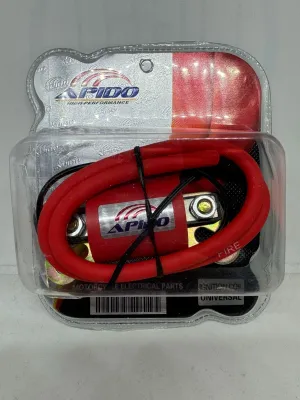
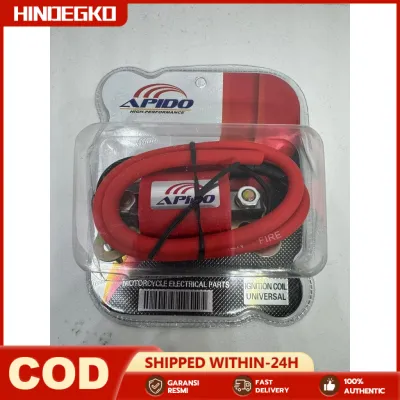
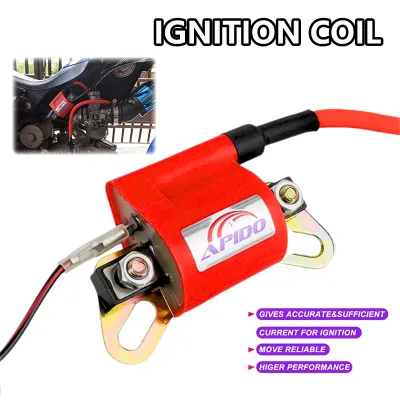
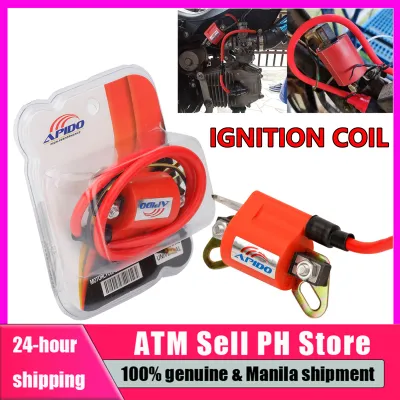
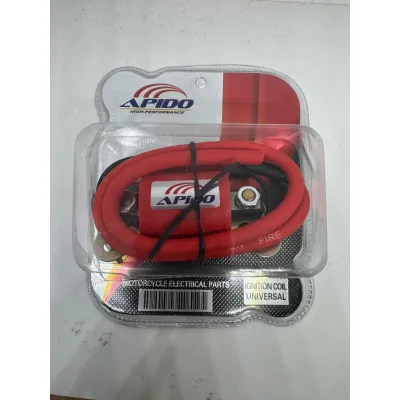
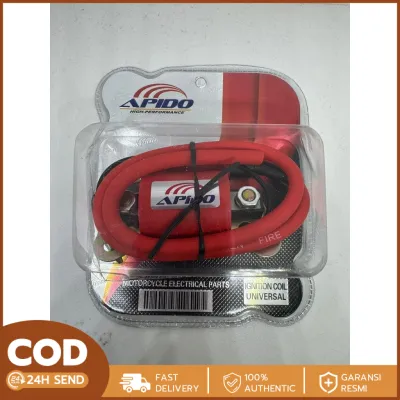
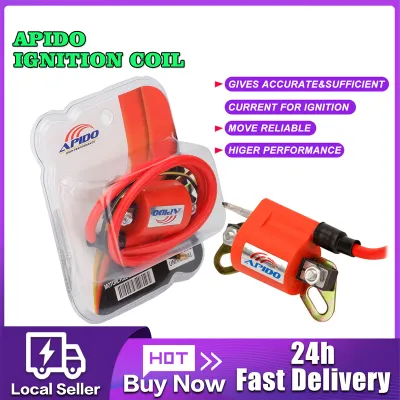
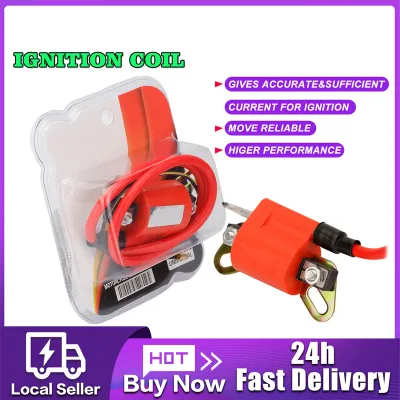
As you shop, you will encounter both OEM parts and aftermarket upgrades. If you are searching for a highly regarded aftermarket option, such as an “apido ignition coil original” specification, you must verify the product’s exact compatibility list. Ensure that the physical interface, mounting tab orientation, and wire length match your motorcycle’s original setup perfectly rather than relying solely on the brand name or general product category.
Assuming universal fitment is a dangerous mistake. For instance, ignition coils designed for older carbureted motorcycles operate on different electrical principles than those designed for modern, fuel-injected (FI) systems. Using a coil with the wrong primary resistance can draw excessive current from your motorcycle’s ECU, potentially frying the expensive control module and leaving you with a non-running bike. Always double-check compatibility with your specific model year and fuel system type before finalizing your purchase.
Frequently Asked Questions (FAQ)
Is it safe to ride a motorcycle with a failing ignition coil?
Riding a motorcycle with a failing ignition coil is highly unsafe and mechanically risky. A weak or failing coil causes unpredictable engine stalling, which can leave you stranded or put you in extreme danger when navigating fast-moving highway traffic or busy intersections. Additionally, the sudden loss of engine power compromises your ability to accelerate away from hazards, while erratic power delivery can upset your motorcycle’s handling and stability. From a mechanical standpoint, persistent misfires allow unburned fuel to wash away the protective oil film on your cylinder walls, leading to rapid piston and cylinder wear. This unburned fuel also travels down your exhaust system, where it can overheat and permanently melt your catalytic converter, turning a simple electrical fix into an incredibly expensive engine and exhaust rebuild.
Should I replace the ignition coil and spark plug at the same time?
While it is not strictly mandatory to replace both components simultaneously, doing so is highly recommended under specific circumstances. Spark plugs are inexpensive consumables that must be replaced regularly according to your mileage schedule. Ignition coils, however, are durable parts that are typically only replaced when they fail or show signs of electrical degradation. That said, if a failing ignition coil has caused chronic engine misfires, the corresponding spark plug has likely suffered from severe carbon or fuel fouling due to incomplete combustion. Installing a brand-new ignition coil while leaving a fouled or worn spark plug in place will force the new coil to work harder, potentially shortening its lifespan or masking the original issue. For the best performance and easiest troubleshooting, always inspect the spark plug when replacing a coil, and install a fresh, correctly gapped plug to ensure your new ignition coil operates under optimal conditions.
Community discussion
Share your experience or ask a question. Comments are reviewed before publication.