
Finding the perfect istiker for motor is more than just a quick cosmetic upgrade; it is a balancing act between personal expression, vehicle geometry, and environmental durability. In the Philippines, where motorcycles face intense tropical sunlight, sudden torrential downpours, and dusty road conditions, choosing the right decal style and material is essential to ensure your design remains vibrant and intact. Whether you ride a high-performance sportbike, a classic cruiser, or a nimble daily scooter, the right decals can accentuate your bike’s natural lines while offering a layer of protection for your paintwork.
To achieve a professional look, you must consider how different sticker materials interact with your motorcycle’s specific panel shapes and how they perform under daily riding conditions. A poorly chosen decal can quickly peel, fade, or even violate local road safety guidelines. By understanding the characteristics of various vinyl types and matching them to your motorcycle’s category, you can transform your ride into a personalized machine that stands out on the road while maintaining its long-term value.
How to Choose the Right Motorcycle Sticker Style
Selecting the ideal decal style requires a careful evaluation of your motorcycle’s physical layout and how you intend to use the vehicle. Visual balance is the foundation of any successful design. When planning your layout, look closely at the flow of your bike’s fairings, fuel tank, and frame geometry. Large, aggressive graphics can overwhelm a compact underbone, while tiny, intricate decals often get lost on the expansive panels of a touring bike. The goal is to complement the existing body lines, using the natural curves and creases of the plastics to guide the placement of the stickers.
Products mentioned in this guide
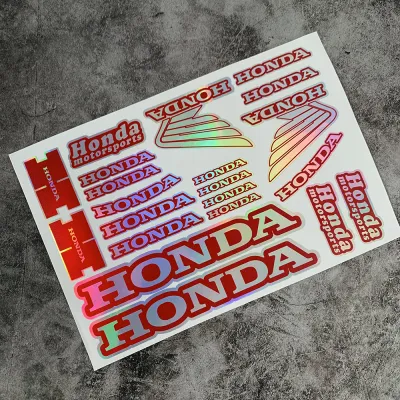

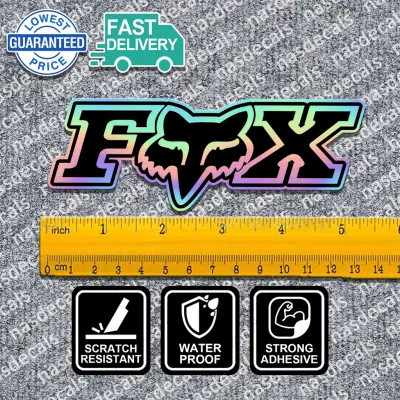

Prices are valid at publication and may change. Please refer to the product page for the latest price.
The choice of material is equally critical to the longevity of your decals. Standard calendared vinyl is a thicker, more rigid material that is highly cost-effective for flat surfaces, but it tends to shrink and pull away from deep recesses over time when exposed to extreme heat. In contrast, premium cast vinyl is manufactured as a thin, highly conformable film that stretches easily over complex, multi-dimensional curves without retaining internal stress. For riders who frequently travel at night or navigate poorly lit provincial roads, reflective vinyl options containing embedded glass beads or microprisms offer an excellent way to combine custom styling with enhanced side-profile visibility.
Your motorcycle’s primary use should also dictate your sticker theme. A daily city commuter needs durable, low-maintenance decals that can withstand frequent washing, tight parking spaces, and exposure to road grime. Long-distance touring bikes benefit from weather-resistant, functional graphics that incorporate reflective elements for safety during night rides. For track-day enthusiasts, high-visibility geometric patterns and sponsor-style decals not only mimic professional racing aesthetics but also help identify the bike quickly on the circuit. Aligning the sticker’s material and design with your typical riding environment ensures that your investment remains visually appealing and structurally sound for years.
Popular Sticker Designs for Different Motorcycle Types
Different motorcycle categories possess distinct design languages, meaning a sticker style that looks exceptional on one machine might look out of place on another. The physical geometry of your bike—whether it features sharp, angular fairings or smooth, rounded metal surfaces—dictates how a decal flows across the bodywork. Understanding these structural differences allows you to select designs that harmonize with your bike’s inherent character rather than fighting against it.

Sportbikes and Performance Motorcycles
Sportbikes are defined by their aggressive, aerodynamic fairings and forward-leaning stance. To complement these sharp angles, look for racing-inspired graphics, bold geometric patterns, and classic speed blocks. Sponsor-style replica decals are highly popular in this category, allowing riders to recreate the look of professional racing teams. When applying these designs, focus on the front fender, the sides of the main fairings, the tank shrouds, and the sharp tail section to emphasize the motorcycle’s natural sense of speed and forward motion.
Because sportbikes are designed for high-speed performance, the physical demands on the decals are exceptionally high. Wind resistance can easily catch loose edges, leading to rapid peeling and tearing. It is crucial to select high-tack adhesives specifically formulated for automotive plastics and to ensure that all edges are sealed flat against the surface. Before applying any decals, consult your vehicle’s documentation to identify any aerodynamic vents or cooling ducts; stickers must never block these openings or interfere with the movement of the steering damper, suspension components, or brake lines.
Cruisers and Touring Bikes
Cruisers and touring motorcycles feature larger, more relaxed frames with expansive painted surfaces, such as teardrop fuel tanks, wide side covers, and spacious saddlebag lids. These bikes call for classic, vintage, or custom designs that respect their heritage. Pinstriping, retro brand logos, subtle tribal motifs, and metallic flake effects work beautifully on these models, adding depth to the paint without cluttering the clean, sweeping lines of the bodywork. Symmetrical placement is key here, particularly on the fuel tank, where the design should frame the filler cap and flow naturally toward the seat.
When customizing a cruiser, you must also consider how the decals will interact with existing chrome accents, leather accessories, and high-heat zones. Avoid placing vinyl stickers near the exhaust pipes, engine cylinder heads, or any other components that reach high operating temperatures, as the heat will quickly melt the adhesive and ruin the vinyl. Additionally, ensure that the sticker designs do not clash with the texture of leather tank pouches or saddlebags, aiming instead for a cohesive color palette that ties the metal, leather, and chrome elements together seamlessly.
Scooters and Underbone Commuters
Scooters and underbone commuters are the workhorses of daily transportation, offering flat side panels, wide front aprons, and highly accessible bodywork. This makes them the perfect canvas for fun, expressive, and highly personalized sticker styles. Popular choices for these versatile machines include minimalist typography, custom name decals, and vibrant pop-culture or anime-inspired graphics. The large, relatively flat surfaces of the front apron and side fairings allow for cohesive, wrap-around designs that can completely transform the look of the bike.
While personal expression is highly encouraged, it is important to balance your creative choices with the practical realities of daily commuting. If you use your scooter for professional purposes, such as commuting to a corporate office or operating within a ride-hailing network, a highly cluttered or overly aggressive design might not project the desired image. Opting for clean, curated sticker arrangements or subtle geometric accents can provide a personalized touch while maintaining a professional, clean aesthetic that is easy to clean and maintain in busy urban environments.
Functional and Safety-Focused Decal Options
While aesthetics are a major driving force behind motorcycle customization, stickers can also serve highly practical and safety-oriented purposes. Reflective decals and rim tapes are among the most effective functional upgrades you can make. These specialized stickers are coated with retroreflective materials that bounce light directly back to its source, significantly increasing your motorcycle’s lateral visibility to other motorists during night rides or heavy downpours. Applying reflective rim tape to the outer edges of your wheels or placing subtle reflective strips on your top box and side panniers can prevent side-impact collisions on unlit provincial roads.
Another highly practical option is paint protection film (PPF) or heavy-duty, thick vinyl decals. These clear or textured films are designed to absorb impacts from road debris, gravel, and insects, shielding your bike’s vulnerable front fairings and lower fork legs from unsightly chips and scratches. Applying a dedicated tank pad—a thick, high-friction sticker placed on the rear of the fuel tank—prevents your belt buckle, jacket zippers, or riding pants from scratching the clear coat during active riding.
However, when applying any functional or decorative decals, you must adhere to strict safety boundaries. Never place stickers over headlights, taillights, turn signals, factory-installed safety reflectors, or license plates, as doing so directly compromises your safety and violates road safety laws. Ensure that no decals obstruct your view of the instrument cluster or interfere with moving mechanical parts, such as the throttle assembly, brake levers, suspension travel, or drive chain guards. Always refer to your motorcycle’s owner’s manual to ensure that your sticker placement does not block essential sensors, ventilation ports, or maintenance access panels.
What to Check Before Buying and Applying Motorcycle Stickers
Before purchasing any istiker for motor, it is vital to verify the material specifications to ensure they can withstand the harsh Philippine climate. Look for products that explicitly state high UV resistance, waterproofing, and a wide temperature tolerance. Cheap, unlaminated stickers will quickly fade under the intense sun, turn brittle, and crack after a few heavy rainstorms. Investing in high-quality vinyl with a protective laminate layer ensures that the colors remain vibrant and the adhesive stays secure despite constant exposure to heat and moisture.
Proper surface preparation is the single most important factor in determining how long your stickers will last. Begin by thoroughly washing the application area with a wax-free motorcycle shampoo to remove dirt and road grime. Once dry, degrease the surface using a mild isopropyl alcohol solution, checking first on an inconspicuous area to ensure it does not damage your specific paint or clear coat. Never apply stickers over freshly painted panels; the paint or clear coat must be fully cured—often requiring several weeks—to prevent outgassing, which creates unsightly bubbles under the vinyl.
You must also remain fully compliant with local traffic regulations enforced by the Land Transportation Office (LTO). In the Philippines, major changes to a vehicle’s color must be reported and registered to update your Certificate of Registration (CR). If your decals cover more than a certain percentage of the bike’s original color (typically around 30% to 40%, though exact enforcement can vary), it may be classified as a change of color, leading to fines or registration issues during your annual renewal. Ensure your stickers do not mimic official law enforcement markings, emergency vehicle graphics, or obstruct any official identification numbers, including the chassis number or license plate.
Finally, recognize your limits when it comes to application. While simple decals, rim tapes, and small tank pads are excellent DIY projects, complex body shapes, deep recesses, and full-body wraps require specialized tools and techniques. If your design involves stretching vinyl over sharp, multi-angled fairings, it is highly recommended to stop and consult a professional wrap installer. Professional installers use heat guns, specialized squeegees, and edge-sealing primers to ensure a flawless, bubble-free finish that will not lift or peel prematurely, saving you time and preventing damage to your bike’s original paintwork.
Frequently Asked Questions (FAQ)
Can I put stickers on my motorcycle helmet?
Applying aftermarket stickers to a motorcycle helmet requires extreme caution. Many helmet shells are constructed from polycarbonate or ABS plastics, which can be chemically degraded by the strong solvents and adhesives used in standard vinyl stickers. This chemical reaction can weaken the shell’s structural integrity, compromising its ability to protect your head during an impact. Before applying any decals, consult your helmet manufacturer’s warranty and care instructions. If you wish to customize your helmet, look for certified helmet-safe decals that use mild, non-solvent adhesives, or choose a helmet that comes with high-quality factory-applied graphics under a protective clear coat.
How do I remove old motorcycle stickers without damaging the paint?
Removing old, peeling, or faded stickers requires a patient, step-by-step approach to avoid scratching your motorcycle’s paint or cracking plastic fairings. Start by applying gentle, controlled heat using a household hairdryer to soften the underlying adhesive; avoid using high-temperature heat guns, which can easily blister the clear coat or warp plastic panels. Once the adhesive is warm, slowly peel the sticker back at a sharp angle. To clean up any remaining sticky residue, use a mild, paint-safe adhesive remover or a small amount of eucalyptus oil on a clean microfiber cloth. Never use sharp metal scrapers, abrasive scouring pads, or harsh industrial solvents like acetone, as these will cause permanent scratches and chemical damage to your bike’s finish.
Will motorcycle stickers fade or peel in the sun?
Yes, constant exposure to intense sunlight and UV radiation will eventually cause low-quality stickers to fade, discolor, and peel at the edges. Cheaply printed vinyl stickers lack UV protection and typically degrade within a few months of outdoor parking. To prevent this, always choose premium cast vinyl decals that feature a dedicated UV-protective laminate layer. You can further extend the lifespan of your stickers by applying a high-quality ceramic coating or a UV-protectant wax over the decals during your regular maintenance routine. Additionally, parking your motorcycle in shaded areas, using covered parking structures, or investing in a high-quality, breathable motorcycle cover will significantly reduce sun damage and keep your decals looking new.
Community discussion
Share your experience or ask a question. Comments are reviewed before publication.