
Evaluating whether the Motowolf Raincoat Waterproof V4 is sufficient for daily commuting in the Philippines requires looking past the brand name and analyzing its physical construction. The heavy downpours of the local monsoon season, combined with high winds and highway speeds, demand a level of protection that standard light-duty rainwear simply cannot provide. To determine if this specific rain suit will keep you dry, you must evaluate its material integrity, seam construction, and overall fit before trusting it on the road.
While the Motowolf V4 is widely visible on local roads, its performance in a tropical monsoon is not absolute. A light drizzle during a short city run is vastly different from a 45-minute highway commute along EDSA or C5 during a severe tropical depression. At highway speeds, wind pressure forces water through weak points in any garment. A successful commute depends on verifying specific build features rather than relying solely on the product’s marketing labels.
To help you make an informed decision, this guide breaks down the essential criteria for evaluating the Motowolf V4. By understanding how to inspect its waterproof barriers, safety features, and daily usability, you can ensure your gear is truly ready for the wettest months of the year.
Products mentioned in this guide
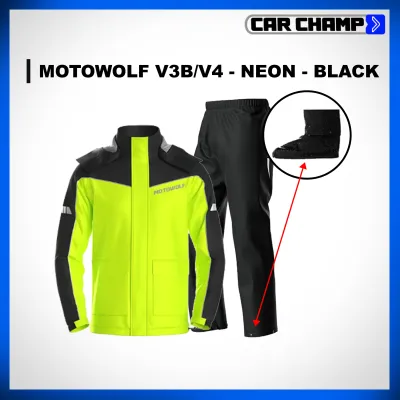
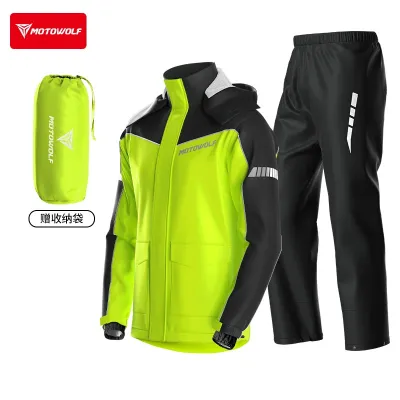
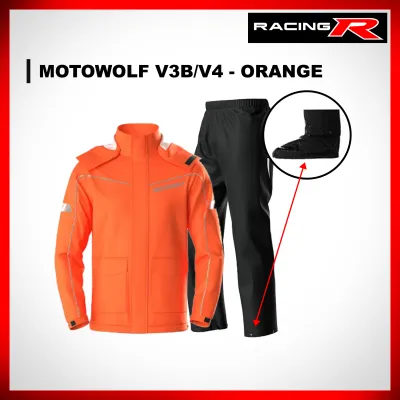
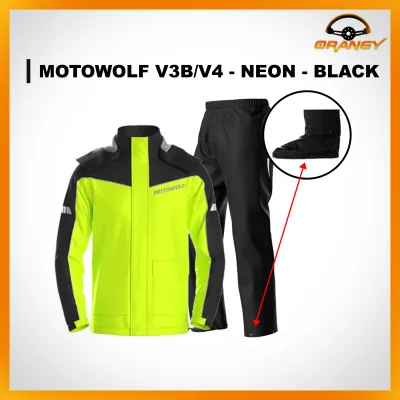
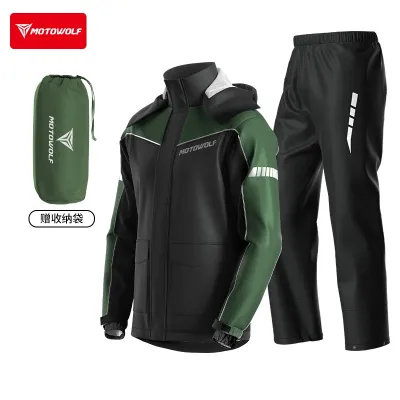
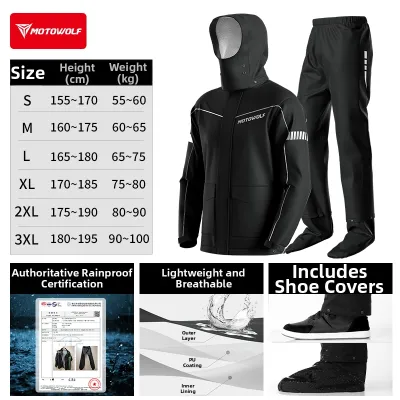
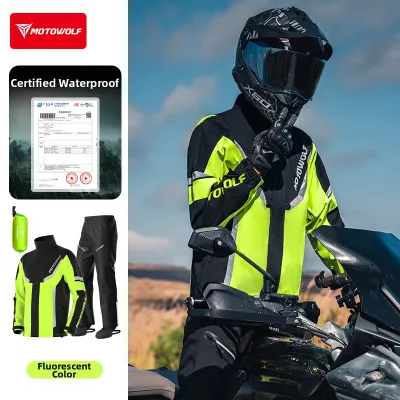
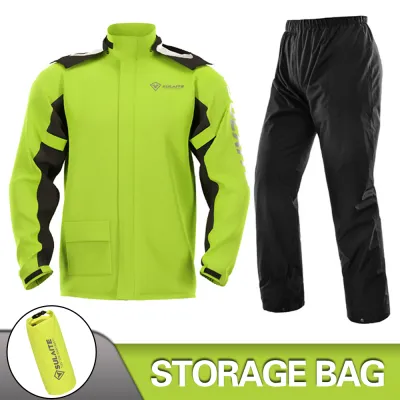
Prices are valid at publication and may change. Please refer to the product page for the latest price.
How to Verify the V4’s Waterproof Build and Seams
Before riding out into a storm, check the manufacturer’s care label, product tags, or official documentation for the hydrostatic head rating, which is measured in millimeters (mmH2O). This metric indicates how much water pressure a fabric can withstand before moisture begins to penetrate. For light showers or short trips, a rating of 5,000 mmH2O might suffice, but for heavy, wind-driven monsoon rain at motorcycle speeds, look for a rating of 10,000 mmH2O or higher.
Next, physically inspect the interior of the V4 for critical leak points. Even the most waterproof fabric will fail if the seams are left bare. Turn the jacket and pants inside out to verify that every seam—particularly around high-stress areas like the shoulders, underarms, and crotch—is sealed with waterproof tape or heat-welded.
Pay close attention to the crotch seam of the pants, as this area is highly vulnerable. Water pools on your motorcycle seat during a ride, creating a constant pressure point that can force moisture through weak seams. If the seam tape is peeling, lifting, or missing in this area, water will quickly seep through to your clothes.
Examine the closures and entry points of the rain suit. The main zipper of the jacket should be covered by a double storm flap secured with hook-and-loop fasteners or snap buttons to block wind-driven rain. Additionally, check the cuffs and ankles for adjustable closures, such as elastic bands or adjustable straps, which prevent water from wicking up your sleeves or pants legs from the motorcycle’s footpegs and controls.
Understand the difference between water-resistant and fully waterproof materials. Water-resistant fabrics are treated with a light coating that sheds light rain but will saturate under pressure, whereas fully waterproof gear uses a non-porous membrane or heavy polyurethane coating. Always verify the integrity of this barrier before relying on it in a severe tropical storm.
Visibility and Safety Features for Low-Light Riding
Monsoon riding in the Philippines presents hazards beyond getting wet. Heavy downpours dramatically reduce visibility for all road users, making it crucial that your gear helps you stand out in low-light conditions. Evaluate the placement, size, and quality of the reflective elements on the V4.

Look for wide, high-visibility reflective strips across the back, chest, and sleeves. These elements should catch the headlights of trailing and oncoming vehicles, ensuring you remain visible even through a thick sheet of rain or spray from larger vehicles. Reflective details on the lower legs are also highly beneficial, as they move with your pedaling or foot placement, drawing more attention from other drivers.
Aerodynamics and fit play a major role in your safety during high-wind conditions. Loose-fitting rain capes or oversized ponchos can flap violently in strong monsoon winds, which can distract you, catch on your motorcycle’s handlebars, or block your side mirrors. A fitted jacket-and-pants setup like the V4 offers significantly better wind resistance and control.
By hugging your body closer, a two-piece suit reduces drag and prevents the fabric from ballooning. This allows you to maintain stable handling when hit by sudden crosswinds on elevated highways or open roads. Ensure the suit has adjustable waist straps to customize the fit and minimize excess fabric flap.
If the V4 features an integrated or detachable hood, check its compatibility with your helmet. Wearing a hood under your helmet can restrict head movement and limit your peripheral vision, which is a major safety risk in dense, chaotic traffic. Many riders prefer to roll up and secure the hood inside the collar, relying on the helmet’s neck roll and a tight collar seal to keep water out.
Daily Commuting: Fit, Ventilation, and Storage
Daily commuting requires gear that is practical and easy to use during sudden weather transitions. When a sudden downpour hits, you need to pull over safely and put on your rain gear quickly before you get soaked. Assess how easily the V4 slips over your regular work, school, or riding clothes.
Look for features like wide leg openings with zippers or wide hook-and-loop adjustments. These allow you to pull the pants on over your shoes or riding boots without struggling on the roadside. A smooth inner lining also prevents the rain suit from sticking to your clothes as you put it on.
In the hot and humid climate of the Philippines, ventilation is just as important as waterproofing. A completely sealed plastic suit will trap body heat, leading to intense interior condensation and sweat buildup. This can leave you just as wet from the inside as you would have been from the rain.
Check the V4 for active ventilation features, such as mesh-lined back vents or underarm zippered openings. These designs allow hot air to escape while preventing rain from entering, keeping you reasonably cool and dry during slow-moving, stop-and-go traffic in urban areas. Without adequate ventilation, a raincoat can quickly become uncomfortable during warm afternoon downpours.
Storage practicality is another key factor for daily commuters. Consider how compactly the rain suit folds down and its overall weight. A good commuter raincoat should fit easily into a dedicated storage bag that can be tucked under your motorcycle’s seat, inside a top box, or in a backpack without taking up excessive space.
Maintaining Waterproofing in a Humid Tropical Climate
The high humidity of a tropical climate can accelerate the degradation of waterproof coatings and seam tapes if the gear is not maintained properly. Proper care ensures your investment continues to protect you season after season. After riding in the rain, never fold your wet raincoat and stuff it back into its storage bag or a dark top box.
Trapping moisture in a sealed environment creates an ideal breeding ground for mold, mildew, and foul odors that are difficult to remove. Instead, hang the raincoat to air-dry completely in a shaded, well-ventilated indoor area. Avoid exposing the gear to direct sunlight for extended periods, as ultraviolet (UV) rays can degrade the waterproof polyurethane coating and dry out the seam-sealing tape, causing it to peel and leak.
When it comes to cleaning, avoid harsh laundry detergents, bleach, or fabric softeners, which can strip away the outer water-repellent finish. Wash the raincoat by hand using cold water and a mild, neutral soap, or follow the manufacturer’s care label instructions precisely if machine washing is permitted. Rinse the garment thoroughly to ensure no soap residue remains, as this can attract dirt and compromise the waterproof barrier.
Over time, you may notice the outer fabric of the raincoat begins to “wet out,” meaning it absorbs water and feels heavy instead of letting water bead up and roll off. This occurs when the factory-applied Durable Water Repellent (DWR) coating wears off due to friction, dirt, and washing. If the manufacturer’s instructions allow, you can restore this water-beading performance by applying a specialized spray-on DWR treatment designed for technical outerwear.
Always test any care product, cleaner, or DWR treatment on a small, inconspicuous area first to ensure it does not discolor or damage the fabric. If the care instructions on your specific V4 raincoat conflict with general maintenance advice, always defer to the manufacturer’s official guidelines to protect your warranty and ensure the longevity of the garment.
Frequently Asked Questions (FAQ)
How to Test if the Raincoat is Still Waterproof
To verify your raincoat’s integrity before the heavy rains start, perform a visual inspection of the interior. Look closely for any signs of cracking, lifting, or peeling along the taped seams and inner lining. Next, place a dry paper towel inside the sleeve or leg of the suit, zip it up, and gently spray the exterior with a garden hose or showerhead for a few minutes. Check the paper towel afterward; if it remains completely dry, your raincoat’s waterproof barrier is still intact.
Sizing for Layering Over Riding Gear
When choosing a size for the Motowolf V4, you must account for the protective gear you wear underneath. If you wear a padded riding jacket, elbow guards, or a backpack, buying your exact clothing size may result in a tight, restrictive fit that limits your mobility and puts excess stress on the seams. Consult the manufacturer’s sizing chart and consider sizing up by one or two sizes. This ensures you can move freely, check your blind spots comfortably, and maintain a proper riding posture without the fabric pulling tight across your shoulders and back.
Community discussion
Share your experience or ask a question. Comments are reviewed before publication.