
Quick Answer: Choosing Between Motul, Shell, and Castrol 5W-30
To choose the best 5W-30 fully synthetic engine oil among Motul, Shell, and Castrol, align the oil’s specific engineering strengths with your daily driving conditions, vehicle type, and performance demands. No single “best” brand exists for every car; each manufacturer formulates its lubricants to address distinct operational challenges.
- Choose Motul 5W-30 if you drive a high-performance, turbocharged, or modified vehicle, frequently operate at high RPMs, or prioritize maximum oil film strength and thermal stability under extreme mechanical stress.
- Choose Shell 5W-30 if your daily routine involves heavy stop-and-go city traffic, and your primary goal is to maintain engine cleanliness, prevent sludge buildup, and optimize fuel efficiency through pure base oils.
- Choose Castrol 5W-30 if you want robust protection against wear during cold starts, short commutes, and typical daily driving, where constant engine start-stops place high physical stress on metal components.
Always check your vehicle’s owner’s manual before making a purchase. The manufacturer’s manual is the ultimate authority on the required viscosity, API (American Petroleum Institute) standards, and OEM-specific certifications.
Why 5W-30 Fully Synthetic? Viscosity and Engine Requirements
Understanding “5W-30” is crucial before comparing brands. In the Society of Automotive Engineers (SAE) viscosity rating system, “5W” designates flow characteristics at low temperatures, with “W” standing for winter. A lower number before “W” means the oil remains more fluid in cold conditions, allowing it to pump quickly to critical parts during startup. While freezing temperatures are rare in tropical climates like the Philippines, cold-start protection remains vital. A “cold start” occurs whenever an engine has sat idle long enough to cool to ambient temperature. During these initial operating seconds, the oil must flow rapidly from the oil pan to the cylinder head to prevent dry metal-to-metal contact.
Products mentioned in this guide
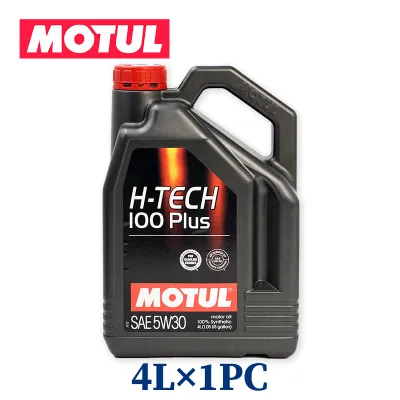
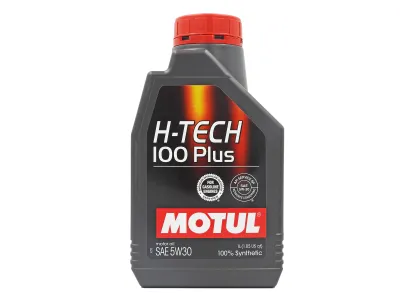
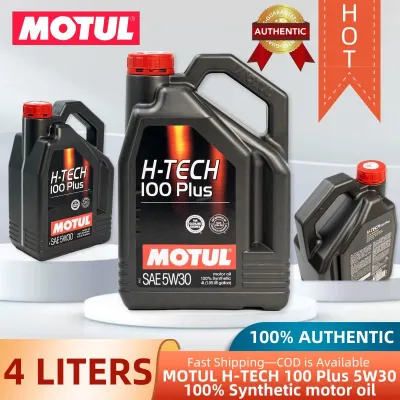
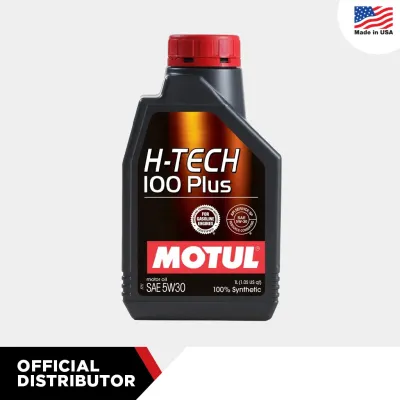
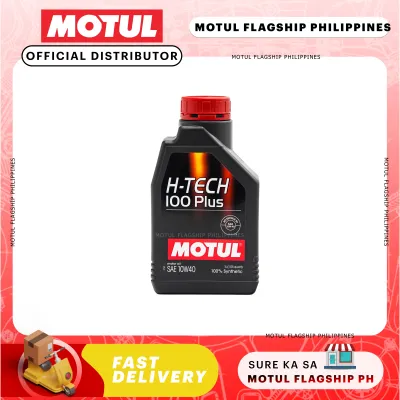
Prices are valid at publication and may change. Please refer to the product page for the latest price.

The “30” represents kinematic viscosity at 100°C, the typical operating temperature of a warmed engine. This number indicates how thick the oil remains under operational heat. In tropical regions, where ambient temperatures regularly exceed 35°C and heavy traffic keeps engines running hot, maintaining a stable protective barrier is essential. A 5W-30 oil strikes a versatile balance, offering thin enough flow for quick lubrication at startup and sufficient body to protect bearings, pistons, and valve trains under sustained thermal loads.
Fully synthetic oils offer substantial advantages over conventional or semi-synthetic alternatives. Engineered from highly refined base stocks, they possess uniform molecular structures that provide superior thermal stability, resisting breakdown or oxidation under high operating temperatures. This ensures consistent flow rates and reduces harmful deposits. While 5W-30 is widely specified for modern naturally aspirated and turbocharged passenger cars, SUVs, and light commercial vehicles, you must verify your vehicle’s exact requirements. Using an incorrect viscosity or an oil lacking required manufacturer approvals can lead to accelerated wear, increased fuel consumption, or a voided warranty.
Brand Profiles: Core Technologies and Market Positioning
Each of these three lubricant giants approaches engine protection from a distinct engineering philosophy. By understanding their core technologies, you can better match their products to your vehicle’s specific operational environment.
Motul: Ester Technology and High-Stress Protection
Motul has established a strong reputation worldwide, particularly among automotive enthusiasts and motorsport teams, due to its pioneering work with synthetic lubricants. The brand is closely associated with ester technology, which utilizes organic compounds synthesized from plant-derived fatty acids or other renewable sources. In premium formulations like the Motul 300V series and select products within the 8100 series, these esters are blended with high-quality synthetic base stocks to enhance performance under severe loads.
The primary technical advantage of ester molecules is their natural polarity. Because they carry a slight electrical charge, ester molecules are chemically attracted to metal surfaces inside the engine. This attraction causes them to form a continuous, resilient magnetic-like film over moving parts. Even when the engine is turned off and the bulk of the oil drains back into the oil pan, this microscopic ester layer remains bonded to the cylinders, camshafts, and bearings. When you start the vehicle, this pre-existing film provides immediate protection before the oil pump can fully pressurize the system. Furthermore, ester-based oils exhibit exceptional thermal stability and resistance to shear, meaning they maintain their intended viscosity even under the extreme heat and mechanical stress of high-RPM driving or heavy towing. However, because Motul offers various product tiers, you must inspect the specific product bottle to verify the exact base oil chemistry and certifications, as formulations vary between entry-level synthetics and high-performance racing lines.
Shell: Gas-to-Liquid Base Oils and Active Cleansing
Shell approaches synthetic lubrication by focusing on base oil purity and advanced detergent technology. The cornerstone of Shell’s premium synthetic line, such as Shell Helix Ultra, is its proprietary Gas-to-Liquid (GTL) technology, often marketed as PurePlus Technology. Unlike traditional synthetic base oils derived from refining crude oil, GTL base oils are synthesized from natural gas. This chemical conversion process allows Shell to construct the base oil molecules from scratch, resulting in a highly pure, clear base stock that is virtually free of the nitrogen, sulfur, and aromatic impurities commonly found in crude-derived oils.
This extreme purity yields several practical benefits for daily drivers. GTL-based oils exhibit lower volatility, which reduces oil consumption through evaporation—a common issue in hot, humid climates. They also flow more easily at low temperatures and resist oxidation at high temperatures, helping to maintain fuel economy over the lifespan of the oil. To complement this pure base, Shell integrates active cleansing technology designed to target engine deposits. The additive package keeps soot, carbon, and other combustion byproducts suspended in the oil, preventing them from coalescing into harmful sludge on critical components like the oil control rings and valve train. This focus on engine hygiene makes Shell particularly well-suited for vehicles operating in dense urban areas where prolonged idling and stop-and-go traffic accelerate deposit formation. Always verify the specific additive packages and industry specifications printed on the product label to ensure compliance with your car’s requirements.
Castrol: Anti-Wear Additives and Daily Commute Focus
Castrol designs its lubricants with a strong emphasis on protecting engines from the physical wear of everyday driving. The brand’s product lines, including Castrol EDGE and Castrol Magnatec, feature specialized additive technologies tailored to different driving scenarios. For daily commuters navigating heavy traffic, Castrol Magnatec is engineered with “intelligent molecules” that are designed to cling to critical engine parts like a magnet, providing an extra layer of active protection from the moment you turn the key.
For modern, highly stressed engines, Castrol EDGE utilizes physical-property-altering additives, such as those marketed with titanium-based compounds, to temporarily alter the oil’s behavior under extreme pressure. When physical forces inside the engine threaten to push the oil film aside—such as between the cam lobes and lifters—the additives are designed to strengthen the oil film, reducing metal-to-metal contact and minimizing friction. This dual focus on startup protection and high-pressure film strength makes Castrol a highly reliable choice for standard passenger cars, family SUVs, and vehicles subjected to frequent short trips where the engine rarely reaches its optimal operating temperature. Because Castrol offers distinct sub-brands with varying focus areas, you should carefully match the specific sub-brand’s properties to your vehicle’s typical driving cycle and manufacturer recommendations.
Head-to-Head Comparison: Protection, Cleanliness, and Value
Evaluating these brands requires comparing how they perform across the key areas that determine long-term engine health, maintenance costs, and overall vehicle reliability.
Engine Protection and Thermal Stability
When comparing engine protection, the physical demands placed on the oil dictate which brand has the advantage. Motul’s emphasis on high-temperature film strength and shear resistance makes it highly effective at preventing oil breakdown under sustained high-load, high-temperature conditions. If you frequently drive on mountainous roads, carry heavy cargo, or operate a turbocharged engine that generates intense localized heat around the turbo bearings, the robust thermal stability of Motul’s premium synthetic lines offers a strong margin of safety.
In contrast, Castrol focuses heavily on preventing boundary lubrication wear—the wear that occurs when the oil film is extremely thin, such as during cold starts or sudden acceleration. Its molecular bonding technology is optimized to protect metal surfaces when physical pressure is at its highest. Shell addresses protection primarily through friction reduction and base oil purity, ensuring that the oil flows smoothly and carries heat away from critical areas efficiently.
Ultimately, real-world thermal performance and wear protection are governed by the specific industry standards and manufacturer approvals printed on the bottle, rather than brand marketing. For example, if you operate a vehicle in hot tropical climates or carry heavy loads, look for an oil that carries certifications specifying high-temperature high-shear (HTHS) stability, such as ACEA A3/B4 or specific OEM specifications from manufacturers like BMW, Mercedes-Benz, or Volkswagen. Always check the product label to confirm these ratings before purchase.
Sludge Prevention and Engine Cleanliness
Engine cleanliness is a vital factor in maintaining performance and fuel efficiency over time. When fuel burns, it creates combustion byproducts like soot, acid, and unburnt hydrocarbons. If the engine oil cannot manage these contaminants, they settle on metal surfaces, forming a sticky black sludge that can restrict oil passages, stick piston rings, and cause catastrophic engine failure.
Shell’s GTL-based formulations are highly regarded for their inherent resistance to oxidation and thermal breakdown, which naturally reduces the formation of precursor compounds that lead to sludge. Combined with their active cleansing additives, Shell oils excel at keeping internal components clean over extended periods. However, both Motul and Castrol also formulate their fully synthetic oils with robust detergent and dispersant packages designed to meet or exceed modern API SP and ACEA standards. These additives chemically neutralize acidic combustion byproducts and keep solid contaminants suspended in the fluid so they can be trapped by the oil filter.
If you drive an older vehicle or one with a history of deferred maintenance, you might consider “high mileage” or specialized cleaning variants designed to gently dissolve existing deposits and condition aging rubber seals. However, a critical safety warning applies: if an engine has been severely neglected and contains heavy, consolidated sludge deposits, using a highly detergent synthetic oil without a professional inspection can be dangerous. The rapid dislodging of large sludge pieces can clog the oil pickup screen in the oil pan, starving the engine of oil and causing immediate mechanical failure. In such cases, consult a qualified automotive technician before switching to a premium synthetic oil.
Drain Intervals and Long-Term Value
While fully synthetic oils are physically capable of resisting degradation longer than conventional oils, you must not determine your oil change intervals solely based on the oil brand’s marketing claims. The actual drain interval must strictly follow your vehicle manufacturer’s recommended service schedule. Most manufacturers specify two distinct maintenance schedules: “normal” and “severe” driving conditions.
In regions like the Philippines, typical driving conditions—characterized by high ambient humidity, intense summer heat, prolonged idling in heavy metropolitan traffic, and dusty road surfaces—almost always fall under the “severe” service category. Under severe operating conditions, motor oil accumulates contaminants, moisture, and fuel dilution much faster, requiring more frequent oil changes (often every 5,000 to 7,500 kilometers, or every six months, depending on the manufacturer’s manual) regardless of whether you use Motul, Shell, or Castrol.
When evaluating value, look beyond the upfront cost per liter and consider the total cost of ownership over the vehicle’s lifespan. A slightly more expensive oil that offers superior thermal stability or better wear protection can prevent costly engine repairs, maintain optimal fuel economy, and extend the engine’s operational life. Compare the cost per kilometer of operation and prioritize the oil that best matches your vehicle’s specific operating environment and manufacturer approvals.
How to Verify Compatibility and Make Your Final Decision
To ensure the oil you choose is safe, compatible, and authentic, follow this systematic four-step verification process before performing your next oil change.
- Step 1: Consult the Vehicle Owner's Manual. Your owner's manual is the definitive guide for your engine's lubrication needs. Look up the required viscosity grade (e.g., 5W-30) and, more importantly, the mandatory performance standards. These standards may include international classifications such as API (e.g., API SP, API SN Plus), ILSAC (e.g., GF-6A), or ACEA (e.g., C3, A5/B5). Many European and modern turbocharged vehicles also require specific manufacturer approvals, such as Dexos 1 Gen 3, BMW Longlife-01, or VW 502 00/505 00. Always check the applied product's label and the treated item's manufacturer instructions. If instructions conflict, the item is unidentified, or the use is not covered, stop and consult the manufacturer or a qualified professional.
- Step 2: Carefully Inspect the Product Label. Do not assume that every 5W-30 fully synthetic oil from a given brand is identical. Each brand produces multiple product lines with different additive packages designed for specific engine types (such as gasoline direct injection, diesel passenger cars, or vehicles with particulate filters). Turn the bottle over and read the back label carefully. Verify that the exact API, ACEA, or OEM approvals required by your owner's manual are printed on the bottle. If the label does not explicitly list your vehicle's required certification, do not use it.
- Step 3: Purchase Only from Authorized Sources. The automotive aftermarket faces a persistent challenge with counterfeit engine oils, which are often packaged in realistic-looking bottles but filled with cheap, low-quality base oils that lack protective additives. Using counterfeit oil can lead to rapid engine wear, severe sludge buildup, or sudden engine seizure. To protect your vehicle, purchase your oil exclusively from authorized dealers, official brand flagship stores on reputable ecommerce platforms, or established, reputable service centers. Avoid buying from unverified online sellers or shops offering prices that seem unrealistically low.
- Step 4: Pair Premium Oil with a High-Quality Filter. The effectiveness of even the highest-quality fully synthetic oil is severely compromised if paired with a cheap or clogged oil filter. The oil filter is responsible for capturing metal shavings, carbon deposits, and dirt suspended in the oil. A low-quality filter may have poor filtration efficiency, allowing contaminants to recirculate through the engine, or its bypass valve may fail, leading to oil starvation or unfiltered oil flow. Always pair your premium 5W-30 synthetic oil with an OEM or high-quality aftermarket oil filter, and replace it at every oil change.
Frequently Asked Questions (FAQ)
Can I mix Motul, Shell, and Castrol 5W-30 oils if I need to top up?
In emergency situations where your oil level is dangerously low, mixing different brands of 5W-30 fully synthetic oil is acceptable to prevent engine damage from oil starvation. Fully synthetic oils of the same viscosity are generally miscible. However, this should only be a temporary solution. Each brand uses a unique, proprietary blend of chemical additives, detergents, and anti-wear agents. Mixing different brands can cause these additive packages to interact unpredictably, potentially reducing the oil’s overall performance, anti-foaming properties, or wear protection. If you must perform a significant top-up with a different brand, it is highly recommended to schedule a complete oil and filter change as soon as possible to restore uniform lubrication properties.
Will switching from Castrol to Shell or Motul void my car's warranty?
Switching engine oil brands will not void your vehicle’s manufacturer warranty, provided that the new oil meets or exceeds the exact viscosity, API/ACEA classifications, and OEM-specific approvals specified in your owner’s manual. Legally, manufacturers cannot compel you to use a specific brand of oil, but they do require compliance with their technical specifications. To protect yourself in the event of a warranty claim, always keep detailed service records. Retain physical receipts for the oil and filter purchase, document the mileage and date of service, and take a clear photograph of the back label of the oil bottle showing the matching certifications.
How should I store leftover 5W-30 fully synthetic oil?
To preserve the quality of leftover 5W-30 fully synthetic oil, keep the container tightly sealed immediately after use. This prevents exposure to air, which can cause oxidation, and blocks the entry of dust, dirt, and atmospheric moisture. Store the bottle upright in a cool, dry indoor location away from direct sunlight, open flames, and extreme temperature fluctuations. Avoid storing oil in areas prone to dampness, as condensation can form inside the bottle and contaminate the fluid. While unopened fully synthetic oil can have a shelf life of up to five years under ideal conditions, once a bottle has been opened, it should ideally be used within one year to ensure the additives have not settled or degraded.
Community discussion
Share your experience or ask a question. Comments are reviewed before publication.