
Riding mountain bikes in tropical regions requires a delicate balance between impact safety and thermal regulation. To stay protected without succumbing to heat exhaustion, the most effective setup relies on highly ventilated viscoelastic (soft) armor compounds paired with an open-mesh fabric chassis. These modern smart materials remain flexible and breathable during active riding, hardening only upon impact, which avoids the suffocating heat retention of traditional solid plastic shells.
The Tropical Riding Challenge: Heat, Humidity, and Safety
Riding in the intense heat and heavy humidity of tropical environments, such as the lush but demanding trails of the Philippines, introduces unique physiological challenges that directly impact rider safety. When ambient temperatures soar, your body relies heavily on sweat evaporation to cool down. However, high relative humidity severely limits this natural cooling mechanism because the moisture-saturated air cannot readily absorb more sweat from your skin.
Under these conditions, wearing heavy, non-breathable protective gear quickly elevates your core body temperature. Overheating leads to rapid dehydration, muscle fatigue, and a decline in cognitive focus. On technical descents, a split second of heat-induced distraction can lead to a loss of line choice or delayed braking, making your protective gear a potential liability if it impairs your ability to ride safely.
Products mentioned in this guide
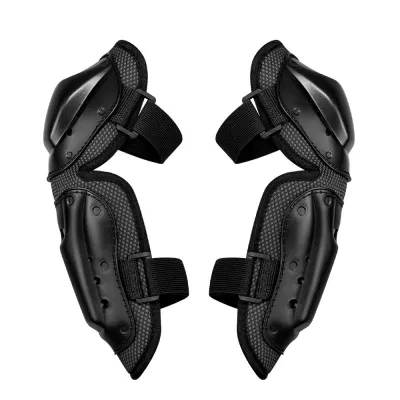
Prices are valid at publication and may change. Please refer to the product page for the latest price.
This creates a critical trade-off for off-road riders: maximizing physical coverage to shield against rocks, roots, and hard-packed dirt often means trapping a thick layer of hot, stagnant air close to the body. Traditional full-coverage body armor acts as an insulator, compounding thermal stress and draining your physical energy long before you reach the bottom of the trail.
To sustain performance and safety over long, humid climbs and intense descents, you must shift your focus from sheer physical bulk to smart, highly ventilated armor designs. The goal is to choose gear that provides targeted impact protection while allowing continuous airflow to facilitate sweat evaporation and heat dissipation.
Evaluating Armor Materials for Hot Weather
Selecting the right impact-absorbing material is the first step in building a tropical-friendly protective setup. Different materials respond uniquely to body heat, ambient temperatures, and airflow, directly influencing how comfortable and protected you remain on the trail.

Viscoelastic and Soft Compounds
Viscoelastic or non-Newtonian materials represent a major advancement in mountain bike safety gear. These smart compounds are soft, flexible, and pliable under normal conditions, but they instantaneously harden upon a sudden impact to absorb and distribute crash forces. Because they conform naturally to the contours of your body, they eliminate the rigid, restrictive feel of older protective gear.
This flexibility is highly beneficial in hot climates. As the material warms up from your body heat and the tropical sun, it becomes even more pliable, moving seamlessly with your torso or limbs. This close, dynamic fit reduces the localized friction and air-blocking stiffness that typically traps heat against your skin.
However, when selecting viscoelastic armor, you must carefully check the manufacturer’s product documentation for specified temperature operating ranges. Extreme ambient heat can sometimes soften certain proprietary compounds beyond their optimal baseline density, which may slightly alter their impact recovery time or initial stiffness. Always verify that the armor is rated for high-temperature performance before hitting the trail.
Furthermore, because these materials are molded rather than stamped, manufacturers can design them with intricate, built-in ventilation channels and large perforations. These geometric cutouts allow fresh air to pass directly through the protective pad itself, ensuring that your skin can breathe even under the primary impact zones. While premium ventilated viscoelastic armor often sits in higher price bands (typically above ₱6,000), entry-level options using standard perforated foam are available in more accessible price bands (around ₱2,500 to ₱4,000).
Traditional Foam and Hard Plastics
Traditional hard-shell body armor relies on rigid plastic panels, often backed by thick layers of closed-cell ethylene-vinyl acetate (EVA) foam. While hard plastics offer exceptional puncture resistance against sharp rocks and branches, they present severe thermal limitations in tropical climates.
Solid plastic sheets and dense, non-perforated foams block airflow entirely. They act as physical barriers that trap sweat and body heat, turning your chest or back protector into a localized heat sink. In high-humidity environments, this trapped moisture has nowhere to go, leaving you drenched, uncomfortable, and prone to severe skin irritation.
If your riding style or local terrain demands the absolute puncture protection of hard-shell armor—such as during high-speed, rocky downhill runs—you must choose gear designed specifically for ventilation. Look for hard armor that features heavily perforated plastic panels and open-cell foam backings.
Alternatively, consider a hybrid approach where hard plastic is restricted to high-impact, localized zones like the shoulders, elbows, or shins. This keeps your chest and back—the primary areas for core thermal regulation—free from solid, air-blocking barriers, relying instead on highly breathable soft inserts.
Chassis and Backing: The Key to Airflow
While the protective insert absorbs the impact, the chassis—the fabric sleeve or vest that holds the pad in place—is what determines how effectively moisture and heat escape from your skin. Even the most ventilated protective pad will fail to keep you cool if it is encased in heavy, non-breathable fabric.
Mesh and Perforated Neoprene
The primary fabric of your armor chassis should prioritize maximum air permeability. Open-hole, abrasion-resistant mesh is the gold standard for tropical riding gear. This lightweight fabric features a wide, open weave that allows wind to blow directly through the garment, accelerating sweat evaporation and keeping your core temperature stable.
In contrast, some armor designs utilize neoprene to provide structural stability, muscle compression, and a secure fit that prevents the pads from shifting during a slide. While neoprene is highly durable, it is inherently insulating and traps moisture.
If you choose armor with neoprene elements, you must verify that the material is heavily perforated. Examine the density and size of the perforations; micro-perforated neoprene is often insufficient in high humidity, whereas larger, visible ventilation holes are necessary to allow adequate airflow and prevent sweat from pooling against your joints.
Moisture-Wicking Liners and Seam Construction
The inner lining of your body armor is the layer in direct contact with your skin or base layer. It is crucial to select gear featuring hydrophobic, moisture-wicking inner linings. These specialized fabrics are engineered to pull moisture away from your skin and transfer it to the outer mesh layers, where it can evaporate quickly in the passing breeze.
Cheap, non-wicking synthetic liners tend to hold onto moisture, causing the fabric to become heavy, soggy, and abrasive. In tropical climates, wet skin softens and becomes highly vulnerable to friction, which can lead to painful raw spots and heat rashes.
To minimize this risk, pay close attention to the seam construction of any armor you consider. Look for flatlock or bonded seams rather than raised, traditional stitched seams. Flatlock seams lie completely flat against the body, significantly reducing the friction and chafing that occur when your skin is wet and softened by prolonged humidity.
Design and Fit Adjustments for Humid Trails
How your body armor is constructed and how it fits your body can make a significant difference in how much heat it retains. Choosing the right cut and adjustment system allows you to customize your protection level based on the daily weather and trail conditions.
Modular armor designs offer a highly adaptable solution for hot-weather riding. Instead of wearing a fully integrated, heavy armor jacket that covers your entire upper body, look for modular systems. These allow you to wear a lightweight, standalone chest protector or separate elbow and knee guards over a highly breathable, moisture-wicking jersey.
This modularity lets you strip away unnecessary layers during long, slow climbs where airflow is minimal and overheating is a constant risk. You can then easily slip your elbow guards or lightweight back protector on before tackling fast, technical descents where the risk of falling is higher.
Achieving a proper, snug fit is also essential for both safety and thermal comfort. Your protective gear must fit tightly enough to prevent the pads from shifting or migrating during a crash, especially when your skin and jersey are soaked with sweat. However, you must avoid overly tight compression garments. Excessively tight gear restricts blood flow, limits your natural range of motion, and compresses the fabric’s air channels, trapping heat directly against your body.
Always verify the specific sizing charts, mounting systems, and certification standards (such as EN 1621-1 or EN 1621-2) from the manufacturer’s official documentation before purchase, rather than relying solely on generic size labels. Look for armor that features adjustable, highly breathable strap closures. Straps made from perforated elastic or lightweight webbing allow you to fine-tune the fit without adding unnecessary layers of thick fabric. Ensure these closures do not dig into sensitive areas, such as the back of the knees or the inside of the elbows, where they can block ventilation and cause severe chafing.
Cleaning and Maintenance in High Humidity
Tropical riding conditions expose your gear to a constant barrage of heavy sweat, sunscreen, trail dust, and mud. Proper maintenance is critical to prevent the buildup of odor-causing bacteria, mold, and premature material degradation.
After every ride, make it a habit to rinse or wash your body armor promptly. Always check the applied cleaning product’s label and the body armor manufacturer’s care instructions before washing. If instructions conflict, stop and consult the manufacturer. Some viscoelastic inserts must be removed from the fabric chassis before cleaning, while others are fully washable. Use a mild, non-biological detergent and cool water to gently remove acidic sweat, body oils, and sunscreen, which can break down elastic fibers and synthetic fabrics over time.
Once cleaned, air-dry your gear in a well-ventilated, shaded area. While it may be tempting to hang your wet gear in the direct tropical sun to speed up drying, UV radiation can rapidly degrade UV-sensitive polymers, weaken mesh fabrics, and ruin the elasticity of your adjustment straps. Never use a mechanical dryer unless the manufacturer’s instructions explicitly permit it, as high heat can permanently warp viscoelastic pads and melt bonded seams.
Finally, avoid storing damp or even slightly moist gear in enclosed spaces like gear bags, plastic bins, or dark closets. The high humidity of tropical climates creates an ideal breeding ground for mold, mildew, and bacteria. Hang your completely dry body armor in an open, well-ventilated space to ensure it remains fresh, structurally sound, and ready for your next ride.
Frequently Asked Questions (FAQ)
Can I wear MTB armor directly against the skin in hot weather?
It is generally not recommended to wear body armor directly against your skin in hot and humid weather. Wearing a lightweight, sleeveless, or short-sleeve moisture-wicking base layer underneath your armor is highly beneficial. The base layer acts as a protective barrier, pulling sweat away from your skin and reducing direct friction from the armor’s backing fabric. Direct skin-to-armor contact in humid conditions often traps moisture, leading to severe chafing, hot spots, and painful heat rashes.
Does heavy sweating affect the impact performance of soft armor?
While heavy sweating and ambient humidity do not typically alter or neutralize the core impact-absorbing properties of viscoelastic compounds, they can severely affect the surrounding chassis. The accumulated salts, minerals, and acids from your sweat can gradually degrade the fabric sleeves, weaken Velcro closures, and break down the elastic straps that keep the armor positioned correctly. Promptly cleaning your gear after sweaty rides is essential to maintain the structural integrity, fit, and overall safety performance of your body armor.
Community discussion
Share your experience or ask a question. Comments are reviewed before publication.