
Choosing a suitable muffler cover in the Philippines depends entirely on matching the accessory to your specific motorcycle type—whether a scooter, underbone, or big bike—and verifying its material limits against your daily riding conditions. In a tropical climate characterized by intense engine heat, heavy stop-and-go traffic, and seasonal monsoon rains, a muffler cover is not just a cosmetic addition. It serves as a vital thermal barrier that prevents contact burns, protects sensitive plastic bodywork, and shields luggage from exhaust heat. To find the right cover, you must evaluate the exhaust routing of your specific model, verify the material’s temperature rating, and ensure proper clearance from moving parts.
Why Your Motorcycle Type Dictates Your Muffler Cover Choice
The physical layout of your motorcycle determines how heat is distributed and where a muffler cover is most needed. On a typical step-through scooter, the exhaust pipe and muffler canister are mounted low on the right side, directly adjacent to where a passenger’s leg rests or where you might stand during a stop. In contrast, underbone motorcycles feature exposed side-mounted pipes that run close to the rider’s foot controls, while adventure tourers and dual-sport bikes often route their exhausts high up near the rear subframe, close to soft luggage or passenger grab rails.
Riding posture also plays a massive role in how close your body gets to these hot metal surfaces. Commuters on scooters or underbones ride in an upright, relaxed position, but frequent stops in congested urban traffic force them to plant their feet on the ground, bringing their calves close to the hot exhaust. Sport riders and big bike enthusiasts, who lean forward or shift their weight through corners, require covers that do not interfere with active body positioning or boot grip.
Products mentioned in this guide
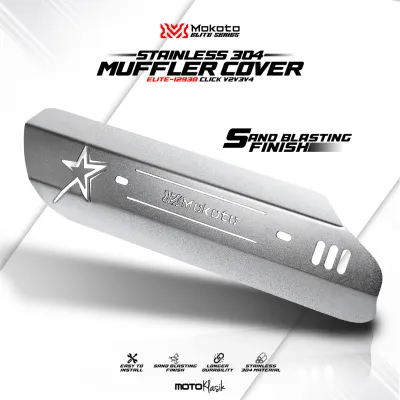
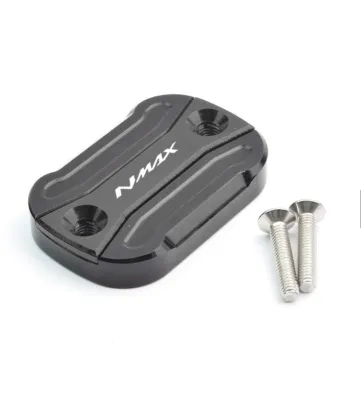
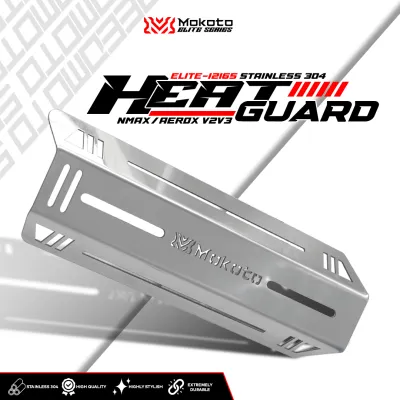
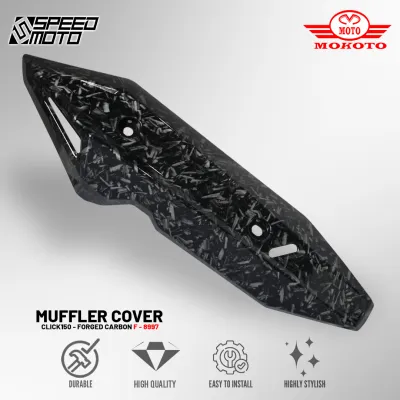
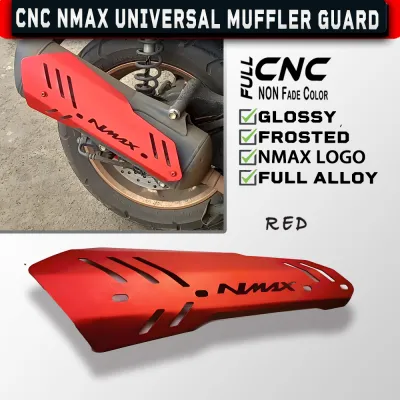
![NSA UNIVERSAL EXHAUST COVER VEXOR SERIES - MUFFLER HEAT SHIELD [VARIO/NMAX/AEROX/PCX]](https://img.lazcdn.com/g/p/9c9c9d978853e28f73cc74fa0676a16e.png_400x400q80.png_.webp)
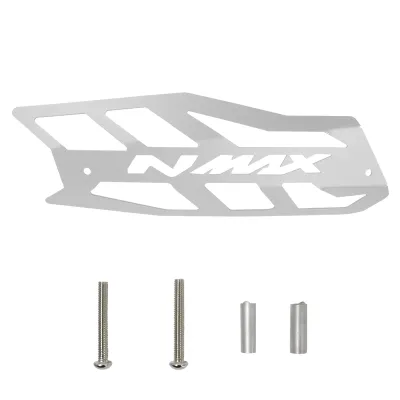
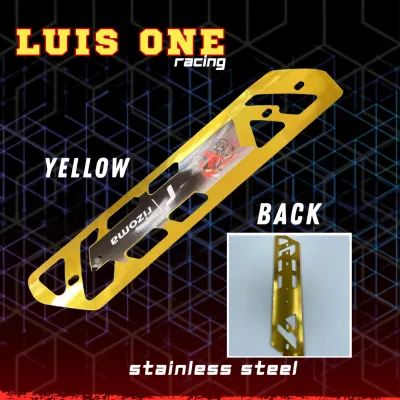
Prices are valid at publication and may change. Please refer to the product page for the latest price.
Beyond protecting human skin, a high-quality muffler cover acts as a shield for the motorcycle itself. Modern motorcycles rely heavily on plastic fairings, side panels, and rear fenders that can easily warp, discolor, or melt when subjected to sustained radiant heat from an unshielded exhaust. If you plan to mount soft saddlebags or tail bags for long-distance touring across the provinces, a robust cover is essential to prevent your gear from coming into direct contact with a scorching muffler canister.
Evaluating Materials and Build Quality
When browsing online marketplaces or local motorcycle accessory shops, you will encounter muffler covers made from a wide variety of materials, each offering different levels of thermal protection and durability. Stamped stainless steel and aluminum alloys are highly popular for their structural rigidity and excellent heat dissipation properties. These metals can withstand extreme temperatures without degrading, making them ideal for high-heat zones, though they can still become hot to the touch if they lack a proper air gap or non-conductive mounting spacers.

Synthetic composites and high-temperature plastics, often finished with a carbon-fiber-look pattern, offer a lightweight and highly customizable alternative. However, you must carefully check the manufacturer’s specifications or product labels to verify their maximum temperature ratings. Lower-grade plastics designed purely for cosmetic trim can soften, warp, or emit toxic fumes when exposed to the intense heat of a hard-working exhaust pipe, especially during long midday rides under the tropical sun.
The longevity of your muffler cover depends heavily on the quality of its mounting hardware. High-quality covers utilize heat-resistant rubber grommets, stainless steel brackets, and specialized vibration-damping fasteners to isolate the cover from the exhaust pipe’s intense vibrations. Before purchasing, inspect the included hardware to ensure it does not rely on basic zinc-plated bolts that are prone to rapid rusting when exposed to road grime, heavy rain, and humid coastal air.
Matching Muffler Covers to Specific Motorcycle Categories
Selecting the right muffler cover requires aligning the accessory’s physical dimensions, mounting points, and thermal properties with the unique geometry of your specific motorcycle category. A cover that works perfectly on a lightweight commuter scooter will not survive the heat or fit the mounting brackets of a high-displacement adventure bike.
Scooters and Daily Commuters
For scooters and daily commuters, prioritizing full-coverage heat shields is a practical way to ensure safety during daily travel. Because these bikes are the workhorses of daily city commuting, they spend significant time idling in heavy traffic, allowing heat to build up rapidly around the low-slung exhaust. A full-coverage cover ensures that neither the rider nor a pillion passenger will accidentally touch the hot metal canister when mounting, dismounting, or waiting at a traffic light.
When selecting a cover for your scooter, you must carefully check the clearance between the cover and the rear suspension components. As the rear swingarm and shock absorber compress over uneven roads and potholes, the muffler cover must not rub against the shock spring or impede suspension travel. Additionally, ensure the cover does not block access to the center stand mechanism, as a poorly designed cover can prevent the stand from retracting fully or cause annoying metal-on-metal rattling.
Another practical consideration is routine maintenance access. A well-designed scooter muffler cover should leave enough open space around the rear wheel to allow you to check and adjust tire pressure easily. If the cover completely shrouds the wheel area, you may find it frustrating to attach a standard air compressor chuck to the valve stem during your weekly maintenance checks.
Underbone and Semi-Automatic Bikes
Underbone and semi-automatic motorcycles require a careful balance between lightweight, aerodynamic styling and robust thermal protection. Because these bikes feature highly exposed exhaust pipes that run directly alongside the rider’s right foot, the muffler cover must provide a reliable barrier without adding unnecessary bulk to the bike’s slim profile. Look for sleek, contoured shields that hug the pipe closely while maintaining a safe air gap to dissipate heat.
It is critical to verify that the muffler cover does not interfere with the physical operation of your bike’s mechanical linkages. Ensure there is ample clearance for the rear brake pedal to depress fully without striking the cover, as any obstruction here poses a severe safety hazard. If your underbone model is equipped with a manual kickstarter, check that the kickstart lever can swing through its entire arc of motion without hitting or scraping against the newly installed shield.
Exposed exhaust systems on underbone bikes are subjected to intense, high-frequency engine vibrations, especially at higher rev ranges. To prevent the cover from rattling loose or cracking around its mounting holes, prioritize covers that feature reinforced mounting tabs and vibration-resistant rubber dampers. Regularly checking these mounting points will ensure the cover remains securely attached even when riding over rough, unpaved provincial roads.
Big Bikes, Cruisers, and Adventure Tourers
High-displacement motorcycles generate immense amounts of radiant heat, requiring multi-layer or heavily vented heat shields to manage the thermal output effectively. These larger engines burn more fuel and run hotter than small-displacement commuters, meaning a simple plastic or thin single-sheet metal cover can quickly fail. Look for heavy-duty aluminum or carbon fiber covers that incorporate built-in standoffs to create a substantial insulating air gap between the exhaust pipe and the outer shield.
If you use your big bike for touring or adventure riding, you must verify that the muffler cover is fully compatible with your luggage systems and passenger footpegs. High-slung exhausts on adventure bikes can easily melt soft saddlebags or damage hard panniers if the heat shield does not redirect radiant heat away from these accessories. Ensure the cover does not block the folding mechanism of the passenger footpegs or force the passenger’s boots into an awkward position close to the hot pipe.
Before purchasing, always review the manufacturer’s guidelines regarding compatibility with aftermarket exhaust systems. Many premium muffler covers are designed specifically to fit original equipment manufacturer (OEM) exhausts and may not align with the mounting brackets or canister diameters of popular slip-on mufflers or full-system aftermarket upgrades. Verifying these specifications beforehand prevents costly compatibility errors and ensures a secure, professional-looking installation.
Fitment, Clearance, and Safety Checks Before Buying
To avoid the frustration of buying an incompatible accessory, you should perform a series of precise measurements on your motorcycle before making a purchase. If a model-specific muffler cover is not available for your bike, you can often use a universal cover, but this requires measuring the exact outer diameter of your exhaust canister, the total length of the area you wish to cover, and the angle of any bends in the pipe. Use a flexible measuring tape to capture these dimensions accurately, ensuring you account for any welded brackets or oxygen sensors along the pipe.
Once you have the dimensions, verify that the proposed cover will maintain a safe operational clearance from all moving parts on the motorcycle. There must be adequate space between the cover and the rear tire, swingarm, and drive chain or belt. A cover that sits too close to the tire can rub during cornering or suspension compression, leading to rapid tire wear or a sudden loss of control, while contact with the drive chain can cause mechanical failure.
Finally, consult your motorcycle’s owner’s manual and local transport regulations before modifying any part of your exhaust system. While a simple external heat shield is generally legal and does not alter emissions, some regions have strict guidelines regarding modifications to the overall width or profile of the vehicle. Ensuring your new cover complies with these local road safety standards will save you from unnecessary fines and hassle during routine vehicle registration renewals.
Installation and Maintenance Considerations
Before attempting to install, adjust, or even measure a muffler cover, you must allow the motorcycle’s exhaust system to cool down completely to ambient temperature. Exhaust pipes can reach temperatures exceeding several hundred degrees Celsius during operation, and touching them can cause immediate, severe burns. Park the bike in a well-ventilated, shaded area and wait at least an hour, verifying that the metal is cool to the touch before beginning any work.
When mounting the cover, refer to the manufacturer’s recommended torque specifications for all brackets and fasteners. Over-tightening bolts on an exhaust pipe can easily strip the threads, crack the delicate mounting tabs on the cover, or even distort the exhaust pipe itself. Conversely, under-tightening will allow engine vibrations to back the bolts out over time, causing the cover to fall off while riding, which poses a hazard to you and other motorists.
Establish a regular inspection routine to monitor the condition of your muffler cover over time. During your weekly bike wash, check for any signs of loose hardware, hairline cracks in the material, unusual heat discoloration, or localized melting. If you notice any of these warning signs, stop using the motorcycle immediately and consult a qualified mechanic to inspect the exhaust system, as excessive heat buildup or loose components can lead to structural failure or safety hazards on the road.
Frequently Asked Questions (FAQ)
Can I install a universal muffler cover on any motorcycle?
While universal muffler covers are designed to fit a wide range of exhaust pipes, they are not a guaranteed fit for every motorcycle. Installing a universal cover typically requires precise measurement of your exhaust canister’s diameter and often involves fabricating, bending, or adapting the included mounting brackets to align with your bike’s existing frame points. You must never force a universal cover into place if doing so compromises your ground clearance, restricts suspension travel, or puts undue stress on the structural welds of your exhaust pipe.
Will a muffler cover affect my engine's performance or exhaust flow?
A properly designed external muffler cover or heat shield will have absolutely no effect on your engine’s performance, fuel mapping, or exhaust gas flow. Because these covers mount entirely on the outside of the exhaust pipe or canister, they do not restrict the internal passage of exhaust gases. However, you should avoid poorly designed, unvented covers that wrap too tightly around the pipe without an air gap, as they can trap excessive heat and potentially accelerate the thermal degradation of the exhaust metal over time.
How do I clean a discolored or stained muffler cover?
To clean road grime, mud, or water spots from your muffler cover, consult the manufacturer’s instructions for approved cleaning agents. Avoid using harsh abrasive pads, steel wool, or strong chemical solvents on painted, powder-coated, or composite plastic surfaces, as these can permanently scratch or strip the protective finish. If you notice deep, dark discoloration that cannot be washed away, it may indicate structural heat damage or material degradation from an overheating engine, in which case you should have the bike inspected by a professional mechanic.
Community discussion
Share your experience or ask a question. Comments are reviewed before publication.