
When a musty, damp smell blasts out of your car’s air conditioning vents, the choice between using an AC cleaner and replacing the cabin air filter depends entirely on where the odor-causing moisture and debris are trapped. If the smell is a dry, dusty odor that persists constantly, a clogged cabin air filter is usually the culprit and must be replaced. If the odor is a sour, mildew-like stench that peaks when you first turn on the aircon, mold is likely growing on your evaporator core, requiring a targeted chemical cleaner.
In tropical climates like the Philippines, high humidity and heavy rainfall create the perfect breeding ground for organic growth inside automotive HVAC systems. Understanding how to diagnose these symptoms saves you from wasting money on temporary fixes that fail to address the root cause.
Quick Diagnosis: Cleaner vs. Filter Replacement
To determine the most effective course of action, start by observing exactly when and how the musty smell occurs. A simple diagnostic routine can point you toward either a straightforward filter swap or a deeper chemical cleaning treatment.
Products mentioned in this guide
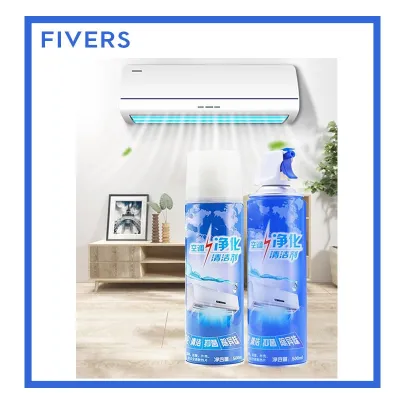
Prices are valid at publication and may change. Please refer to the product page for the latest price.
Symptom Checklist
- Startup Odor Blast: If a sharp, sour, or damp smell hits your face during the first few minutes of turning on the aircon and then gradually fades, the issue is almost certainly mold or mildew on the evaporator core.
- Continuous Dusty Smell: If the odor is a stale, earthy, or dusty smell that remains constant throughout your entire drive, the cabin air filter has likely absorbed moisture and trapped organic debris.
- Reduced Airflow: If the musty smell is accompanied by weak airflow from the vents even at high fan speeds, the cabin filter is likely physically clogged with dust, leaves, or soot.
Visual Cues Checking the physical condition of your cabin air filter provides immediate answers. A filter covered in dark gray dust, black mold spots, or damp organic debris cannot be cleaned and must be replaced. Conversely, if the filter looks clean and dry but the aircon still emits a sour odor, the contamination lies deeper within the evaporator unit.
Decision Matrix
- Scenario A: Clean filter + sour startup smell = Use an AC cleaner.
- Scenario B: Dirty, damp filter + continuous dusty smell = Replace the cabin filter.
- Scenario C: Dirty filter + sour startup smell = Perform both treatments.
Identifying the Root Cause of the Musty Odor
Pinpointing the exact source of the smell requires a brief, safe inspection of your vehicle’s cabin air filter housing. This process helps you confirm whether a simple part replacement will solve the problem or if you need to treat the internal ductwork.

To locate your cabin air filter, consult your vehicle’s owner’s manual, as the mounting position varies significantly between models. In most modern passenger cars, the filter housing is located directly behind the glove box, accessible by releasing the glove box stop tabs. In other vehicles, it may be positioned under the dashboard on the passenger side or beneath the plastic cowl at the base of the windshield.
Once you access the housing and slide out the filter tray, perform a visual inspection under bright light. Look for heavy gray soiling, moisture damage, insect remains, or trapped leaves. If the filter material feels damp or exhibits a dark, patchy discoloration, it has reached the end of its service life and is actively harboring odor-causing microbes.
If the filter appears clean, dry, and free of debris, the musty smell originates from the evaporator core or the surrounding ductwork. The evaporator core is constantly exposed to condensation during aircon operation, making it highly susceptible to mildew growth when moisture fails to drain properly.
Always prioritize safety during your inspection. If you find that the filter cover is secured by complex brackets, requires specialized tools, or if the plastic clips feel brittle and risk breaking, stop immediately. Forcing these components can damage the HVAC housing, leading to expensive repairs that require professional intervention.
Using an AC Cleaner for Evaporator and Duct Odors
When your inspection reveals a clean cabin filter but a persistent, sour smell from the vents, an automotive AC cleaning treatment is the most effective solution. These products are formulated to target the mold and bacteria that thrive in the dark, damp recesses of your vehicle’s evaporator core.
An AC cleaner is ideal when the odor is biological rather than physical. Products like Seaways aircon cleaner or equivalent specialized automotive foaming sprays are designed to expand inside the HVAC chamber, coating the cooling fins of the evaporator to break down grime and odor-causing deposits. Before purchasing, always verify that the product label explicitly states compatibility with your vehicle’s interior plastics, seals, and evaporator materials.
Application methods vary depending on the product design and your vehicle’s layout. Some treatments are sprayed directly into the exterior fresh air intake vents at the base of the windshield while the blower fan is running. Others utilize a long, flexible applicator tube inserted through the cabin vents or up into the evaporator drain tube from underneath the vehicle. Always follow the manufacturer’s specific instructions regarding application points and avoid injecting excessive liquid into areas that could damage electrical components.
Safety is paramount when using chemical cleaners inside a confined vehicle cabin. Ensure all doors and windows are fully open during the application and drying process to maintain maximum ventilation. Protect your dashboard, seats, and center console from overspray or dripping foam by laying down clean towels. Finally, never spray liquid or foam directly into vents located immediately above or adjacent to the electrical blower motor or sensitive dashboard electronics, as this can cause short circuits.
Replacing the Cabin Air Filter for Trapped Debris
If your inspection reveals a heavily soiled, damp, or clogged cabin air filter, replacing the part is the only reliable way to restore fresh air and protect your health. A degraded filter cannot be effectively cleaned with compressed air or vacuuming, as microscopic mold spores and fine dust remain embedded in the fibers.
You must replace the filter immediately if it shows signs of structural collapse, water damage, or severe organic clogging. A wet filter not only restricts airflow but also acts as a continuous source of mold spores that are blown directly into the passenger cabin whenever the fan is active.
When sourcing a replacement, specification matching is critical. Do not rely solely on generic category terms or visual similarities. You must verify your vehicle’s exact make, model, year, and engine type to select the correct Original Equipment Manufacturer (OEM) or equivalent aftermarket filter. Using a filter with incorrect dimensions will leave gaps, allowing unfiltered air, dust, and allergens to bypass the element and accumulate on your evaporator core.
During installation, pay close attention to the airflow direction arrows printed on the edge of the new filter. These arrows must align with the direction of air movement through the housing, which typically flows from top to bottom or from the outside environment toward the cabin. Ensure the filter sits completely flat in its tray and that the housing cover snaps securely into place to prevent air leaks.
If you encounter missing clips, a cracked housing cover, or if the filter compartment is blocked by structural dashboard components, pause the installation. Attempting to force the assembly can cause permanent damage to the climate control system. In such cases, consult a qualified professional to complete the replacement safely.
When to Combine Both Treatments or Seek Professional Help
In many cases, particularly in highly humid environments, a single treatment may not completely eliminate stubborn odors. Severe or long-neglected AC smells often require a coordinated approach that addresses both the filter and the evaporator.
Combining a fresh cabin air filter with a thorough evaporator cleaning treatment ensures that you eliminate existing mold colonies while preventing new debris from entering the system. If you install a new filter without cleaning a moldy evaporator, the sour smell will persist. Conversely, using an AC cleaner without replacing a filthy filter will quickly recontaminate the system with dust and organic matter.
If a musty or chemical smell remains after you have replaced the filter and applied an AC cleaner, the issue may be more complex. A common culprit is a clogged evaporator drain line, which traps condensation inside the HVAC case and creates a stagnant pool of water. Other potential issues include deep-seated mold in inaccessible ductwork or mechanical leaks in the heater core.
When DIY efforts fail to resolve the odor, or if you suspect a blocked drain line, seek professional intervention. A qualified automotive HVAC technician has the specialized equipment required to perform deep system flushes, clear obstructed drain tubes safely, and diagnose underlying mechanical faults without risking damage to your vehicle’s electrical systems.
Frequently Asked Questions (FAQ)
How often should I replace my cabin air filter to prevent smells?
Most vehicle manufacturers recommend replacing the cabin air filter every 15,000 to 20,000 kilometers, but you should consult your owner’s manual for specific guidelines. In tropical regions with high humidity, heavy dust, or dense urban traffic, filters degrade much faster. If you frequently drive in dusty conditions or stop-and-go traffic, inspect your filter every six months and replace it immediately if you observe heavy gray discoloration or dampness.
Can I just spray perfume or an air freshener to hide the AC smell?
No, spraying perfume or using hanging air fresheners only masks the odor temporarily and does not resolve the underlying biological contamination. Ignoring the root cause allows mold, mildew, and bacteria to continue multiplying inside your HVAC system, which can compromise cabin air quality. Furthermore, mixing strong chemical fragrances with active mold spores can irritate your respiratory system and make the cabin environment highly uncomfortable.
Community discussion
Share your experience or ask a question. Comments are reviewed before publication.