
Performing a standard oil change in the tropical climate of the Philippines requires careful attention to fluid levels and engine protection, but introducing an aftermarket friction modifier like Nanomoly can feel intimidating if you are unsure of the exact mixing ratios or application sequence. High ambient temperatures and congested stop-and-go traffic put extra thermal stress on your engine, making proper lubrication vital for long-term reliability. To correctly apply Nanomoly oil additives, you must drain the old oil, replace the filter, calculate the precise volume of new engine oil to leave room for the additive, pour the base oil followed by the additive, and idle the engine to ensure complete circulation. By following a structured step-by-step process, you can safely introduce this treatment to your engine without risking overfilling or mechanical issues.
What Should You Check Before Adding Nanomoly to Your Engine Oil?
Before adding Nanomoly to your engine oil, you must verify your vehicle’s total oil capacity in the owner’s manual, check the additive label for compatibility with your engine type, and prepare clean, dry tools to prevent contamination. Checking these details beforehand prevents mechanical conflicts and ensures that the additive works harmoniously with your engine’s internal components.
Start by consulting your vehicle owner’s manual to identify the exact oil capacity, including the volume required when replacing the oil filter. The manual will also outline any manufacturer restrictions or specific warnings regarding aftermarket oil additives or friction modifiers. This is a critical step because some modern engines with specialized wet timing belts or complex variable valve timing systems have strict fluid requirements that prohibit the use of external additives.
Products mentioned in this guide

25 Lazada user ratings
Nano anti-wear technology, Genuine product assured, Genuine product assured, Universal compatibility, Universal compatibility, Excellent sel…Read full reviewShow less
Nano anti-wear technology, Genuine product assured, Genuine product assured, Universal compatibility, Universal compatibility, Excellent seller service, Excellent seller service, 2X oil boost effect, Fast shipping service, Good packaging quality, Good packaging quality, mukhang legit nmn
Excellent seller service, Universal compatibility, Universal compatibility, Fast shipping service, Fast shipping service, High performance a…Read full reviewShow less
Excellent seller service, Universal compatibility, Universal compatibility, Fast shipping service, Fast shipping service, High performance additive, High performance additive, Nano anti-wear technology, 2X oil boost effect, Improves engine efficiency, Good packaging quality,
🛠️Durability:100 👌Ease of Use:100 🛡️Safety:100 Excellent seller service, Protects moving parts, Protects moving parts, 2X oil boost effect, Go…Read full reviewShow less
🛠️Durability:100 👌Ease of Use:100 🛡️Safety:100 Excellent seller service, Protects moving parts, Protects moving parts, 2X oil boost effect, Good packaging quality, Improves engine efficiency, Improves engine efficiency, High performance additive, High performance additive,
Genuine product assured, High performance additive, High performance additive, Universal compatibility, Universal compatibility, Excellent s…Read full reviewShow less
Genuine product assured, High performance additive, High performance additive, Universal compatibility, Universal compatibility, Excellent seller service, Excellent seller service, Improves engine efficiency, Improves engine efficiency, Nano anti-wear technology,
🛡️Safety:good cond
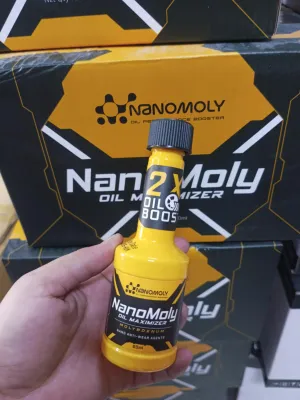
234 Lazada user ratings
ok nman yung items pero di ko pa natry ilagay ireview ko nalang kung may pgbabago sa performance ng motor. thank you seller at delivery ride…Read full reviewShow less
ok nman yung items pero di ko pa natry ilagay ireview ko nalang kung may pgbabago sa performance ng motor. thank you seller at delivery rider. 10⭐️
ok po ang itim donating pero hindi kupa nagamit salamat po ziler at sa rider po
para sa oil ko para quality performance ng motor
salamat seller Rider
sana original
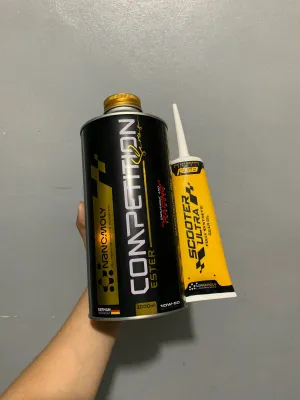
Prices are valid at publication and may change. Please refer to the product page for the latest price.
Next, read the specific Nanomoly product label thoroughly. Pay close attention to the recommended dosage ratio, which is typically expressed as a percentage of the total engine oil volume. For instance, if the label specifies a 5% concentration, you will need to calculate the exact amount of additive required for your engine’s specific capacity. Additionally, verify that the product is formulated for your specific engine type, whether it is a naturally aspirated gasoline engine, a common-rail direct injection (CRDI) diesel engine, or a turbocharged unit.
Finally, gather all the necessary tools and prepare your workspace. You will need a fresh bottle of high-quality base engine oil that meets your manufacturer’s viscosity and API specifications, a matching replacement oil filter, a clean drain pan, a socket wrench for the drain plug, and a clean funnel. In the humid climate of the Philippines, moisture can easily collect on open tools and containers. Ensure that your funnel and measuring cups are completely dry and free of dust, as introducing water or dirt into the crankcase can degrade the oil and cause internal engine wear. A simple, clean plastic funnel costing around ₱100 to ₱200 is a worthwhile investment to prevent messy spills on your hot exhaust manifold.
When Is the Right Time to Pour the Additive During an Oil Change?
The correct time to pour the Nanomoly additive is immediately after you have drained the old oil, installed a new filter, and filled the crankcase with a reduced volume of fresh base oil. Introducing the additive at this specific stage ensures that it mixes thoroughly with clean, fresh oil rather than getting lost in old contaminants or causing an immediate overflow.

Begin the process by draining the old engine oil completely. It is best to perform this when the engine is warm, as warm oil flows more freely and carries away more suspended contaminants. Park the vehicle on level ground, secure it safely with jack stands or ramps, place your drain pan underneath, and remove the drain plug. Allow the oil to drain until it slows to an occasional drip. While the oil is draining, remove the old oil filter and replace it with a new one, making sure to lubricate the rubber gasket of the new filter with a smear of clean engine oil before hand-tightening it into place. Once the draining is complete, reinstall the drain plug with a new crush washer and torque it to the manufacturer’s specification.
Before pouring any new fluids, you must calculate the correct volume of base oil to add. Because you are introducing an additive, you cannot simply pour in the full recommended volume of engine oil, as doing so will overfill the crankcase. Subtract the volume of the Nanomoly additive from your engine’s total oil capacity. For example, if your vehicle’s total capacity is 4.0 liters and you plan to add a 300 mL bottle of Nanomoly, you should only pour 3.7 liters of fresh base oil into the engine.
Once your calculations are complete, pour the calculated amount of fresh base oil into the oil filler neck using your clean funnel. After the base oil is in, take the Nanomoly bottle and shake it vigorously for at least 30 seconds. This shaking is essential because the active solid lubricants, such as molybdenum compounds, can settle at the bottom of the bottle during storage. Pour the shaken additive directly into the oil filler neck. Unless explicitly directed by the product label, do not pre-mix the additive and base oil in an external container, as this increases the risk of introducing airborne dust and moisture into the mixture.
How Do You Ensure Proper Mixing and Circulation After Application?
You ensure proper mixing and circulation by verifying the initial fluid level on the dipstick, idling the engine for several minutes to engage the oil pump, and performing a final leak and level check. This post-application routine guarantees that the additive is evenly distributed throughout the engine’s oil galleries and moving parts without causing over-pressurization.
Immediately after pouring both the base oil and the Nanomoly additive, replace the oil filler cap securely. Pull out the engine dipstick, wipe it clean with a lint-free rag, reinsert it fully, and pull it out again to check the level. At this stage, the oil level should sit safely between the minimum and maximum marks, ideally closer to the maximum line but never exceeding it. This initial check ensures that your math was correct and that the engine is safe to start.
Next, start the engine and let it idle. Do not rev the engine or drive the vehicle immediately. Allow the engine to idle in a well-ventilated area for the duration specified on the Nanomoly product label, which is typically between 5 to 10 minutes. During this idling period, the engine’s oil pump draws the mixture from the oil pan and forces it through the oil filter and into the engine block, cylinder head, and bearings. This continuous circulation allows the microscopic molybdenum particles to coat the metal surfaces, establishing a protective friction-reducing barrier.
While the engine is idling, perform a visual inspection underneath the vehicle. Check around the oil drain plug and the oil filter for any signs of active leaks or weeping. If you notice any fluid escaping, shut off the engine immediately and address the leak. Once the idling period is complete, turn off the ignition and let the vehicle sit on level ground for approximately 10 minutes. This pause allows the warm oil to drain back down into the oil pan. Check the dipstick one final time to confirm that the settled oil level remains within the safe operating range.
What Common Mistakes Should You Avoid When Using Oil Additives?
The most critical mistakes to avoid are overfilling the engine’s crankcase, mixing multiple incompatible additives, and ignoring manufacturer-specific oil specifications. Avoiding these errors protects your engine from severe mechanical stress, oil aeration, and potential warranty voiding.
Overfilling the crankcase is the most common mistake made during additive application. When you fail to subtract the volume of the additive from the total oil capacity, the excess fluid level rises high enough for the spinning crankshaft to contact the oil. This contact whips air into the oil, creating a frothy foam. Foamy oil cannot be pumped effectively, leading to a drop in oil pressure, localized oil starvation, accelerated wear, and potential damage to engine seals.
Another critical error is mixing different aftermarket oil treatments or using additives in engines that explicitly forbid them. Stacking multiple additives—such as mixing a viscosity index improver, an engine flush, and a friction modifier like Nanomoly—can trigger adverse chemical reactions. These reactions can cause the active ingredients to clump together, clog the oil filter, or block narrow oil passages. Always use one additive treatment at a time, and ensure it is fully compatible with the base oil chemistry.
Lastly, never ignore the vehicle manufacturer’s guidelines. If your owner’s manual explicitly states that aftermarket oil additives should not be used, or if doing so will void your vehicle’s warranty, you should follow the manufacturer’s instructions. If you encounter any conflicting information between the Nanomoly application guide and your vehicle’s official service manual, stop the procedure and consult a certified mechanic or contact the manufacturer directly to ensure your engine’s safety and longevity.

Community discussion
Share your experience or ask a question. Comments are reviewed before publication.