
Selecting the correct hydraulic fluid for your vehicle’s braking system is one of the most critical safety decisions a car owner can make. The right national brake fluid for your vehicle depends entirely on the technical specifications defined by your car’s manufacturer, which are typically printed in the owner’s manual or directly on the brake master cylinder reservoir cap. While National offers both DOT3 and DOT4 formulations, these fluids are engineered with distinct chemical properties and thermal limits, meaning they are not universally interchangeable. Guessing which fluid to use or assuming a higher number is always better can compromise your vehicle’s stopping power and endanger lives on the road.
Generally, DOT3 fluid is formulated for standard commuter cars, older vehicle models, and light-duty driving applications. On the other hand, DOT4 fluid contains specialized additives that provide a higher thermal capacity, making it a strict requirement for newer, heavier, or high-performance vehicles that generate substantial braking heat. Because your brakes rely on hydraulic pressure to function, using a fluid with the wrong boiling point or chemical composition can lead to catastrophic brake fade or complete pedal failure. Always verify your vehicle’s exact requirements before purchasing or adding any fluid to your reservoir.
Understanding DOT3 and DOT4 Brake Fluid Specifications
To understand why choosing the correct national brake fluid is so vital, it is necessary to examine what these classifications actually represent. The “DOT” designation stands for the Department of Transportation, which establishes strict safety and performance standards for hydraulic fluids used in motor vehicles. These standards, particularly Federal Motor Vehicle Safety Standard (FMVSS) No. 116, classify brake fluids based on their physical properties, viscosity, and, most importantly, their boiling points under different conditions.
Products mentioned in this guide
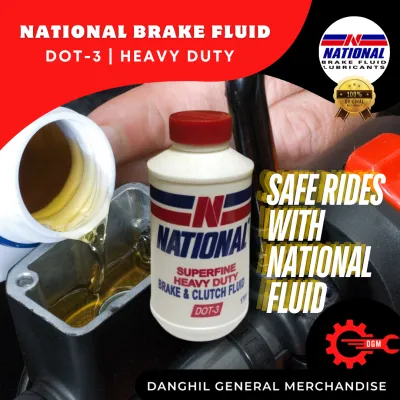
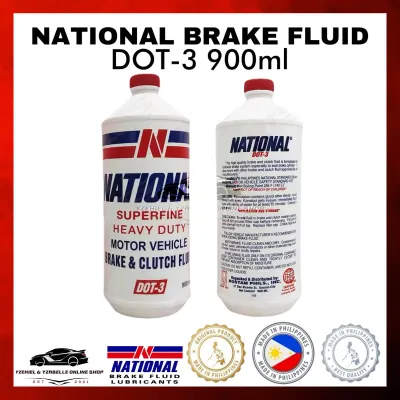
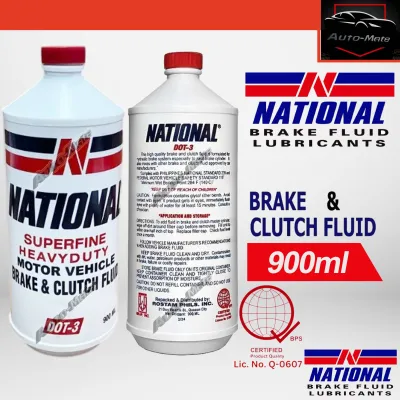
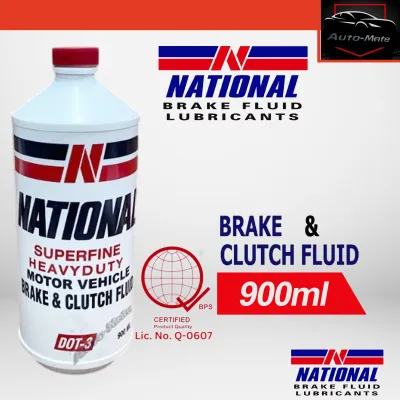
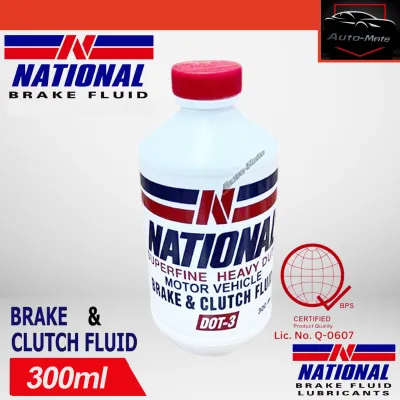
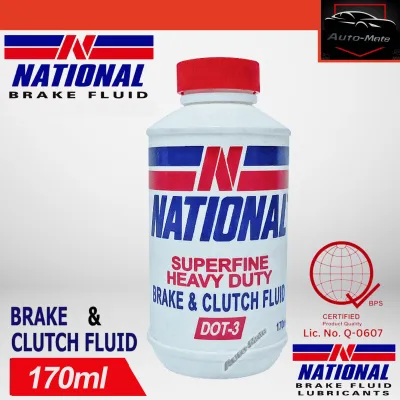
Prices are valid at publication and may change. Please refer to the product page for the latest price.
Both DOT3 and DOT4 brake fluids share a glycol-ether chemical base. This chemical composition is highly effective at transmitting hydraulic force across a wide temperature range while lubricating the moving parts within the master cylinder and wheel calipers. However, glycol-ether fluids are inherently hygroscopic, meaning they naturally and continuously absorb moisture from the surrounding atmosphere. In a tropical country like the Philippines, where relative humidity levels are consistently high throughout the year, this moisture absorption is accelerated. Water vapor slowly permeates the flexible rubber brake hoses, seals, and reservoir caps, mixing directly with the fluid inside the lines.
Because water has a much lower boiling point than brake fluid (only 100°C), any moisture absorbed by the fluid significantly lowers the overall boiling point of the mixture. This degradation is measured using two distinct metrics: the “dry” boiling point and the “wet” boiling point. The dry boiling point refers to the temperature at which fresh, uncontaminated fluid from a newly opened, sealed container will boil. The wet boiling point represents the boiling temperature of the fluid after it has absorbed approximately 3.7% water by volume, which typically occurs after about two years of real-world vehicle operation.
Maintaining a high boiling point is critical because of how a hydraulic braking system operates. When you press the brake pedal, the master cylinder forces fluid through the brake lines, pushing the caliper pistons to clamp the brake pads against the spinning rotors. This friction generates intense heat. If the temperature of the brake calipers exceeds the boiling point of the brake fluid, the water or fluid within the lines will vaporize, turning into gas bubbles. Because gas is highly compressible, pressing the brake pedal will simply compress these bubbles rather than transmitting force to the brake pads. This dangerous phenomenon is known as vapor lock, and it results in a spongy brake pedal or a complete loss of braking ability.
Key Comparison Dimensions for National Brake Fluids
When comparing National DOT3 and DOT4 brake fluids, several key technical and practical dimensions must be evaluated to determine which product aligns with your vehicle’s design and driving conditions.

Boiling Point and Heat Resistance
The primary differentiator between National DOT3 and DOT4 fluids is their thermal performance. Under standard FMVSS 116 guidelines, a standard DOT3 fluid must meet a minimum dry boiling point of 205°C (401°F) and a minimum wet boiling point of 140°C (284°F). In contrast, DOT4 fluid must achieve a minimum dry boiling point of 230°C (446°F) and a minimum wet boiling point of 155°C (311°F). These higher thermal thresholds are achieved by incorporating borate esters into the glycol-ether base of the DOT4 formulation.
This difference in heat resistance has direct implications for real-world driving safety. For instance, if you are driving down steep, winding mountain passes like the Kennon Road or Marcos Highway from Baguio, or descending the sharp inclines of Tagaytay, your brakes are subjected to continuous, heavy friction. This sustained braking generates massive amounts of heat that transfer directly into the brake calipers and fluid. A vehicle equipped with National DOT4 fluid has a significantly higher thermal safety margin, allowing the fluid to withstand these extreme temperatures without boiling. Conversely, using a DOT3 fluid in a vehicle designed for DOT4 under these high-load conditions could quickly lead to fluid boiling, vapor lock, and a sudden, terrifying loss of stopping power. Even in dense, stop-and-go city traffic along EDSA on a blistering hot afternoon, the constant cycling of the brakes can raise system temperatures to levels where a higher boiling point becomes a crucial safety buffer.
Moisture Absorption and Maintenance Intervals
Because both DOT3 and DOT4 fluids are hygroscopic, they require regular replacement to ensure they do not drop below safe operating boiling points. However, their chemical formulations affect how they handle moisture over time. While DOT4 starts with a higher dry boiling point, the presence of borate esters allows it to bind with water more effectively in the early stages of moisture contamination. However, once the fluid reaches its moisture capacity, its boiling point can drop rapidly.
In the high-humidity environment of the Philippines, the rate of moisture ingress is a constant concern. Over a typical two-year period, a vehicle’s brake fluid can easily absorb enough atmospheric moisture to reach the 3.7% threshold used to define the wet boiling point. This means that even if you use a high-performance National DOT4 fluid, you cannot afford to neglect regular maintenance. The fluid must still be flushed and replaced according to the vehicle manufacturer’s recommended intervals. Furthermore, moisture in the brake lines does not just lower the boiling point; it also introduces water into a system constructed of steel, copper, and aluminum. This water promotes internal corrosion, which can pit cylinder walls, ruin delicate rubber seals, and damage expensive ABS modulator valves, leading to costly repairs and compromised safety.
Vehicle Compatibility and System Design
A braking system is designed as a complete, integrated unit, with every seal, hose, piston, and valve engineered to work with a specific fluid viscosity and chemical profile. It is a common misconception among car owners that upgrading to a higher DOT number is always beneficial. In reality, some older vehicles feature natural rubber seals and hoses that were specifically formulated for DOT3 fluids. Introducing a DOT4 fluid, which contains different chemical additives like borate esters, can sometimes cause these older seals to swell, soften, or degrade prematurely, leading to internal leaks and pressure loss.
Additionally, modern braking systems equipped with Anti-lock Braking Systems (ABS), Electronic Stability Program (ESP), or Electronic Stability Control (ESC) rely on highly precise fluid viscosity. These systems use micro-valves to rapidly pulse the brakes—sometimes dozens of times per second—to prevent wheel lockup and maintain steering control during emergency stops. If a vehicle’s ABS unit is calibrated for the specific viscosity profile of a DOT3 fluid, using a thicker or chemically different fluid could theoretically affect the response time of these safety systems. Therefore, compatibility must always be verified through official documentation rather than assuming a higher rating is universally superior.
Can You Mix or Switch Between DOT3 and DOT4?
One of the most frequent questions car owners ask is whether they can mix different ratings of national brake fluid or switch from one to the other. To ensure the safety and reliability of your vehicle’s braking system, it is vital to understand the strict boundaries surrounding fluid compatibility.
First and foremost, mixing different DOT ratings or blending different brands of brake fluid is strongly discouraged. While National DOT3 and DOT4 are both glycol-ether based and will physically mix without immediate chemical separation, doing so alters the chemical balance and unpredictably lowers the boiling point of the overall mixture. If you add DOT3 fluid to a system that requires DOT4, you instantly degrade the fluid’s thermal capacity to the level of the lower-rated fluid, or potentially even lower due to chemical interactions. This means your vehicle will no longer meet the safety margins engineered by the manufacturer, putting you at risk of brake failure under heavy loads or high-temperature driving.
If you find yourself in an absolute emergency where your brake fluid reservoir is dangerously low and only DOT3 is available for a DOT4 system, you may top it up to regain temporary braking function. However, this must be treated as a temporary emergency measure. The vehicle should be driven directly to a professional service center, where the entire braking system must be completely flushed, cleaned, and refilled with fresh, verified DOT4 fluid.
The concept of “upgrading” from DOT3 to DOT4 also requires careful consideration. While putting DOT4 into a system designed for DOT3 is generally chemically compatible because of their shared glycol base, you must verify that your vehicle’s seals and hoses are rated to handle the additives in DOT4. More importantly, you must never perform a partial upgrade by simply pouring DOT4 on top of old DOT3 fluid. To successfully and safely transition a DOT3 system to DOT4 (if approved by the manufacturer), a qualified professional must perform a complete system flush. This process involves purging all old fluid, cleaning the lines, and bleeding the system to ensure no air bubbles or old fluid remnants remain.
Conversely, putting DOT3 fluid into a system designed for DOT4 is highly dangerous and should never be done under normal circumstances. Because DOT4 systems are designed for higher operating temperatures, using a fluid with a lower boiling point like DOT3 can cause the fluid to boil prematurely during routine driving, leading to sudden and complete brake failure. If the current fluid type in your vehicle is unknown, or if you suspect the wrong fluid has been added, do not operate the vehicle. Have it towed to a qualified mechanic to have the system fully inspected and flushed.
How to Choose the Right Brake Fluid for Your Vehicle
To simplify your purchasing decision and ensure your vehicle remains safe on the road, use the following structured decision framework when choosing between National DOT3 and DOT4 brake fluids.
Choose National DOT3 if:
- Manufacturer Specification: Your vehicle's owner's manual or the master cylinder reservoir cap explicitly specifies DOT3 fluid.
- Vehicle Type: You drive an older model car, a standard compact commuter sedan, or a light-duty vehicle designed for everyday transportation.
- Driving Conditions: Your daily driving consists of standard commutes, flat city roads, and moderate highway driving without heavy passenger loads, towing, or steep mountain descents.
- System Design: Your vehicle has a traditional braking system without highly complex, high-pressure modern ABS or stability control modules that mandate alternative fluids.
Choose National DOT4 if:
- Manufacturer Specification: Your vehicle's owner's manual or reservoir cap explicitly mandates the use of DOT4 fluid.
- Vehicle Type: You drive a modern car, a mid-sized to large SUV, a pickup truck, a commercial van, or a high-performance vehicle.
- Driving Conditions: Your driving routine regularly involves carrying heavy cargo, towing trailers, navigating steep mountain roads (such as those in Benguet or Rizal), or dealing with extreme stop-and-go traffic in high-temperature environments.
- Safety Margin: You want an increased thermal safety margin to prevent vapor lock and brake fade under demanding driving conditions, provided your vehicle's manufacturer approves the use of DOT4.
Neither may fit if:
- Low-Viscosity Requirements: Your modern vehicle features advanced ABS, traction control, and stability systems that require a specialized low-viscosity fluid, such as DOT 4 LV (Low Viscosity) or ISO Class 6 fluid, to ensure rapid valve response in all temperatures.
- Silicone-Based Systems: Your vehicle's manual specifies a silicone-based DOT 5 brake fluid. DOT 5 is chemically completely different from glycol-ether based fluids (DOT3 and DOT4). Mixing DOT 5 with DOT3 or DOT4 will cause the fluids to react, forming a thick, jelly-like sludge that will completely clog the brake lines and cause immediate brake failure.
- Mineral Oil Systems: Some specialized or European vehicles utilize mineral-oil-based hydraulic fluids (often labeled as LHM). These are entirely incompatible with any DOT glycol-ether or silicone fluids.
Verify first if:
- You are unsure of the current fluid type in your reservoir.
- The markings on your reservoir cap are faded, damaged, or missing.
- You are considering switching fluid types or upgrading your braking components. Always cross-reference the owner's manual, consult an authorized service center, or speak with a certified automotive technician before making any changes to your braking system.
Safe Handling and Maintenance Tips for Brake Fluid
Maintaining your vehicle’s braking system goes beyond simply choosing the right fluid; it also requires proper handling, regular inspection, and knowing when to seek professional assistance.
To keep your braking system in peak condition, perform regular, low-risk visual inspections. Locate the brake fluid reservoir under your hood—it is typically a semi-transparent plastic container mounted near the firewall on the driver’s side. Visually check the fluid level against the molded MIN and MAX lines on the side of the reservoir. The fluid level should always sit between these two markers. If the fluid is close to or below the MIN line, do not simply top it off; a low fluid level usually indicates either worn brake pads (which draw more fluid into the calipers) or a leak in the hydraulic system. Have the system inspected immediately by a professional.
During your visual check, pay close attention to the color of the fluid. Fresh National brake fluid is clear with a very light amber tint. Over time, as it absorbs moisture, dirt, and undergoes thermal stress, it will darken. If the fluid in your reservoir looks dark brown, cloudy, or contains black particles, it is highly contaminated. This is a clear warning sign that the fluid’s boiling point has degraded significantly, and the system requires a complete professional flush to prevent internal corrosion and vapor lock.
When handling brake fluid, you must observe strict safety boundaries. Brake fluid is highly toxic if swallowed and can cause severe irritation to your skin and eyes. Always wear protective gloves and safety glasses when working near the reservoir. Furthermore, glycol-ether brake fluid is an extremely aggressive solvent. If even a single drop spills onto your vehicle’s painted surfaces or plastic trim, it will chemically attack the finish, stripping the paint down to the bare metal almost instantly. If a spill occurs, immediately blot the area with a clean microfiber towel and wash it thoroughly with plenty of soapy water to neutralize the fluid.
It is also critical to understand that flushing and bleeding a braking system are advanced, high-risk maintenance tasks. Air is highly compressible; if even a tiny bubble of air enters the brake lines during a fluid change, it will compromise hydraulic pressure, resulting in a dangerously soft pedal and greatly increased stopping distances. If you do not possess the specialized tools, such as a vacuum or pressure bleeder, or the technical experience required to bleed brakes safely, always delegate this task to a qualified mechanic.
Finally, always use brake fluid from a freshly opened, factory-sealed container. Because brake fluid is highly hygroscopic, an opened bottle left sitting on a garage shelf will absorb moisture from the air within days, significantly lowering its boiling point before it even enters your car. Buying smaller bottles that can be fully used in a single service is far safer and more cost-effective than storing a large, half-empty container.
Frequently Asked Questions (FAQ)
Is National DOT4 backward compatible with DOT3 systems?
While National DOT4 shares a glycol-ether base with DOT3 and can physically mix with it, backward compatibility is not a universal guarantee for every vehicle. Some older vehicles utilize natural rubber seals, hoses, and internal components that were specifically engineered for the chemical properties of DOT3. The advanced additives and borate esters present in DOT4 can cause these older rubber components to swell, soften, or degrade prematurely, leading to internal leaks and hydraulic pressure loss. Always consult your vehicle’s owner’s manual to verify whether DOT4 is an approved alternative before introducing it into a system originally designed for DOT3.
How often should I change my National brake fluid?
Brake fluid replacement intervals are determined by your vehicle’s manufacturer and can vary significantly, though a common recommendation is every two years or every 20,000 to 40,000 kilometers, whichever comes first. In the tropical climate of the Philippines, the combination of high ambient temperatures and intense relative humidity accelerates the rate of moisture absorption through the rubber hoses and seals. Consequently, it is highly recommended to have your brake fluid’s moisture content tested using a digital brake fluid tester during your regular Preventive Maintenance Service (PMS) to determine if a flush is needed sooner.
Does the color of the brake fluid matter when choosing between DOT3 and DOT4?
No, the color of the fluid does not indicate whether it is DOT3 or DOT4, as both formulations are typically clear to pale yellow when fresh out of a sealed bottle. Instead, color serves as a critical indicator of the fluid’s age, contamination level, and overall health. As brake fluid is exposed to high operating temperatures and absorbs moisture and microscopic debris over time, it undergoes thermal degradation and oxidation, gradually turning dark amber, brown, or even black. A dark or cloudy color indicates that the fluid’s boiling point has dropped to unsafe levels and that a complete system flush is required, regardless of whether your vehicle uses DOT3 or DOT4.
Community discussion
Share your experience or ask a question. Comments are reviewed before publication.