
Selecting the correct brake fluid is one of the most critical decisions you can make for your vehicle’s safety and performance. Because the braking system relies entirely on hydraulic pressure to slow down and stop your car, the fluid running through those lines must perform flawlessly under extreme temperatures and pressures. In the Philippine automotive market, National is a widely recognized brand offering both DOT3 and DOT4 brake fluid variants. Choosing between them is not a matter of finding a universally “better” product, but rather identifying which formulation aligns with your vehicle’s engineering and your daily driving conditions.
The correct choice between National DOT3 and National DOT4 brake fluid depends entirely on your vehicle manufacturer’s specifications. To find this, you must verify the required fluid type on your brake fluid reservoir cap or consult your vehicle owner’s manual. National DOT3 is generally formulated for standard commuting vehicles and older models that operate under typical driving loads. On the other hand, National DOT4 is engineered for modern vehicles with advanced safety systems or those subjected to higher thermal demands.
Using a fluid with a lower DOT rating than what your vehicle requires can severely compromise your braking safety, potentially causing brake fade or complete system failure under heavy load. Always match the exact DOT rating specified by your automaker. If the reservoir cap is illegible, the owner’s manual is missing, or you are unsure of the current fluid type, consult a qualified professional mechanic before adding any fluid to your system.
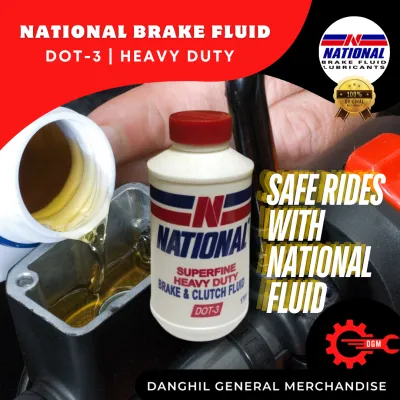
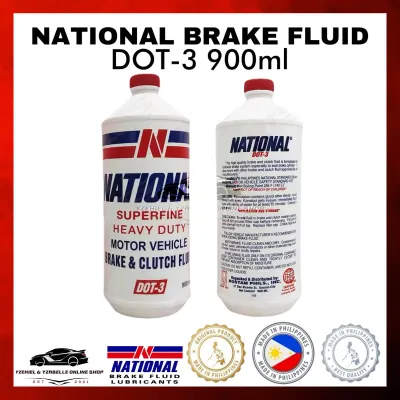
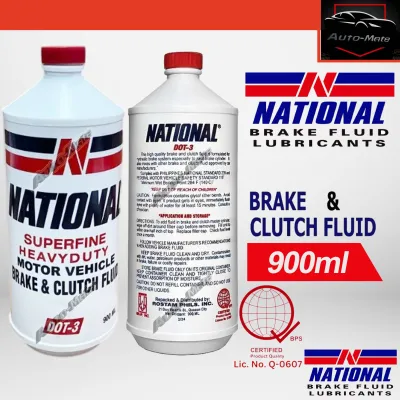
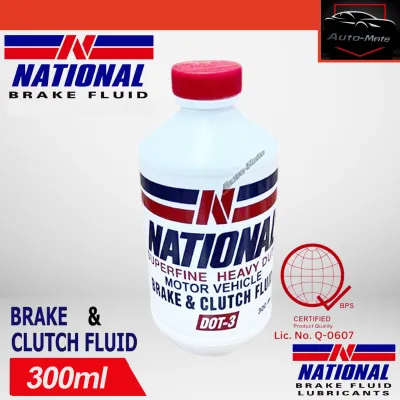
Products mentioned in this guide
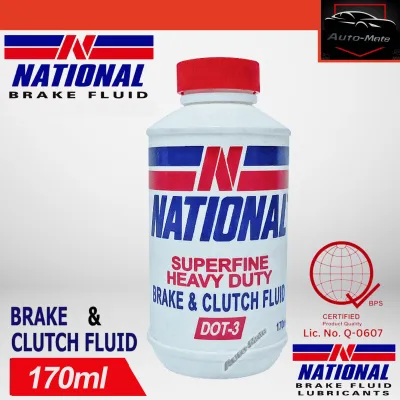
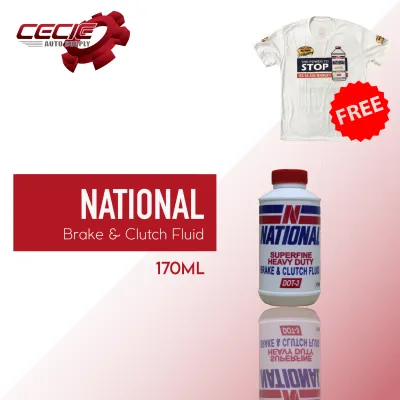
Prices are valid at publication and may change. Please refer to the product page for the latest price.
Core Differences Between DOT3 and DOT4 Brake Fluid Standards
To understand why choosing the correct fluid is so critical, it helps to examine the standards established by the Department of Transportation (DOT). These standards classify brake fluids based on their physical properties, primarily focusing on their boiling points and viscosity. Because braking generates immense friction and heat at the wheels, the fluid must maintain its liquid state to transmit hydraulic force effectively.
Understanding Boiling Points
Brake fluid performance is measured by two primary temperature thresholds: the dry boiling point and the wet boiling point.
- Dry Boiling Point: This represents the temperature at which fresh, uncontaminated brake fluid will boil when first poured from a sealed container.
- Wet Boiling Point: This represents the boiling point of the fluid after it has absorbed a specific percentage of water (typically around 3.7% water content by volume) from the surrounding environment.
According to federal safety standards, DOT3 fluids must have a minimum dry boiling point of 205°C (401°F) and a minimum wet boiling point of 140°C (284°F). DOT4 fluids are held to a higher standard, requiring a minimum dry boiling point of 230°C (446°F) and a minimum wet boiling point of 155°C (311°F). This higher thermal threshold makes DOT4 significantly more resistant to boiling under extreme operating conditions.
Hygroscopic Nature and Tropical Humidity
Both DOT3 and DOT4 fluids are glycol-ether-based, which makes them highly hygroscopic. This means they actively absorb moisture from the atmosphere over time. In a tropical country like the Philippines, where relative humidity levels are consistently high throughout the year, this moisture absorption occurs naturally through microscopic pores in the rubber brake hoses and reservoir seals.
As moisture enters the system, it mixes with the brake fluid and lowers its boiling point. If the fluid’s boiling point drops too close to the temperatures generated during heavy braking, the water within the fluid can boil and turn into steam. Because gas is compressible—unlike liquid—pressing the brake pedal will simply compress the steam bubbles instead of pushing the brake pads against the rotors. This dangerous condition, known as vapor lock, results in a spongy brake pedal and a sudden, severe loss of stopping power.
While both fluids absorb moisture, DOT4 formulations typically absorb moisture at a slightly faster rate due to their specific chemical compositions and additive packages. Consequently, while DOT4 offers a higher safety margin when fresh, it can experience a more rapid decline in its boiling point if it is not inspected and replaced at regular intervals.
Chemical and Viscosity Differences
Although both variants share a glycol-ether base, they utilize distinct chemical additive packages to achieve their respective performance ratings. These additives are designed to prevent corrosion within the steel, brass, and aluminum components of your braking system, while also protecting the internal rubber seals from swelling or shrinking.
Additionally, DOT4 fluids generally have a different viscosity profile than DOT3 fluids, especially at lower temperatures. Modern safety systems, such as Anti-lock Braking Systems (ABS) and Electronic Stability Control (ESC), rely on rapid, micro-second pressure adjustments through incredibly narrow valves. Using a fluid with incorrect viscosity characteristics can delay these automated safety interventions, compromising your vehicle’s stability during emergency maneuvers.
Comparing National DOT3 and DOT4: How to Choose the Right Variant
Selecting the right National brake fluid requires a systematic approach to ensure compatibility with your vehicle’s mechanical design and your typical driving environment.

Step-by-Step: Locating Your Vehicle's Specifications
Before purchasing any fluid, you must identify the exact specification required by your vehicle’s manufacturer.
- Inspect the Reservoir Cap: Open your vehicle's hood and locate the brake master cylinder reservoir, which is typically mounted on the firewall on the driver's side. The required DOT rating is almost always embossed directly onto the plastic cap or printed on a nearby warning label.
- Check the Owner's Manual: If the cap is dirty, worn, or illegible, open your owner's manual and navigate to the "Specifications," "Capacities," or "Maintenance" section. Look for the recommended brake fluid type.
- Consult a Professional: If you do not have access to the manual and the cap is unreadable, do not guess. Visit a certified dealership or a qualified professional mechanic who can look up your vehicle's exact model, year, and engine configuration in an official service database.
Reading National Brake Fluid Packaging
When buying National brake fluid at a local auto supply shop or retail store, always inspect the packaging carefully. National offers distinct containers for their DOT3 and DOT4 variants, clearly labeled on the front of the bottle.
Verify that the bottle is completely sealed with an intact inner foil membrane under the cap. Never purchase or use a bottle of brake fluid that has a broken seal or has been sitting open on a shelf. Because glycol-based fluids absorb moisture so rapidly, an unsealed bottle may already be contaminated with atmospheric water, significantly reducing its boiling point before it even enters your car.
Matching Your Driving Scenarios in the Philippines
Your daily driving habits and geographic location play a major role in determining which fluid is best suited for your vehicle, provided both options are permitted by your manufacturer.
- National DOT3 Scenarios: This fluid is highly suitable for standard daily commuters, older car models, and light passenger vehicles. If your daily route consists of flat, predictable city driving under normal loads, National DOT3 provides reliable hydraulic performance and excellent corrosion protection. It is also highly cost-effective, typically sitting in a lower price band compared to DOT4.
- National DOT4 Scenarios: This fluid is highly recommended for heavier vehicles, such as mid-sized SUVs, pickup trucks, and vans, which generate significantly more kinetic energy and heat when stopping. It is also the ideal choice if you frequently navigate demanding driving environments in the Philippines. For example, driving up and down steep mountain passes like Kenon Road to Baguio, traversing the winding roads of Tagaytay, or enduring prolonged stop-and-go traffic in the sweltering heat of Metro Manila puts immense thermal stress on your brakes. Under these conditions, the superior dry and wet boiling points of National DOT4 provide a crucial safety cushion against brake fade.
Structured Decision Framework
To simplify your choice, follow this clear decision pathway:
- Choose National DOT3 if: Your vehicle's owner's manual or reservoir cap strictly specifies DOT 3, and your driving patterns consist of light, standard commuting.
- Choose National DOT4 if: Your owner's manual or reservoir cap explicitly specifies DOT 4, or if your manufacturer permits upgrading to DOT 4 to handle heavy loads, towing, or high-temperature driving conditions.
- Stop and consult a professional if: Your vehicle's braking system has been modified with aftermarket high-performance components, the original manual is missing, or you cannot verify what type of fluid is currently inside the system.
Safety Boundaries: Mixing, Switching, and Upgrading Fluids
When maintaining your braking system, there are strict safety boundaries regarding how different fluids can be mixed, upgraded, or downgraded. Violating these boundaries can lead to unpredictable braking performance and mechanical damage.
The Risks of Mixing DOT3 and DOT4
Because both National DOT3 and DOT4 are glycol-ether-based, they are chemically compatible and will not react violently or gel when mixed. However, mixing them is highly discouraged for safety reasons.
If you top up a system requiring DOT 4 with DOT 3 fluid, you dilute the mixture and lower the overall boiling point closer to the DOT 3 standard. This compromises the high-temperature safety margin that your vehicle’s engineers originally designed for the system. If your vehicle demands DOT 4, adding DOT 3 can lead to unexpected brake fade under heavy braking conditions.
Upgrading from DOT3 to DOT4
If your vehicle manufacturer allows the use of either fluid, or if you want to upgrade your DOT 3 system to DOT 4 for better thermal resistance, you cannot simply pour DOT 4 on top of the existing fluid.
To perform a proper upgrade, the entire braking system must be completely flushed. This process involves draining all the old DOT 3 fluid, purging the lines, and refilling the system with fresh DOT 4. Additionally, you must exercise caution with older or classic vehicles. Some vintage cars utilize natural rubber seals and hoses engineered specifically for the chemical profile of DOT 3. The different additive packages in DOT 4 can sometimes accelerate the degradation of these older elastomer compounds, leading to leaks. Always check your vehicle manufacturer’s compatibility guidelines before making any changes.
The Dangers of Downgrading
Never downgrade your brake fluid from DOT 4 to DOT 3. If your vehicle’s manufacturer specifies DOT 4, the braking system was designed with the expectation of a higher boiling point. Downgrading the fluid compromises this design parameter, drastically increasing the risk of vapor lock and sudden brake failure during heavy braking or emergency stops.
The Necessity of a Professional System Flush
Performing a complete brake fluid flush or switching between fluid types is a complex task that directly impacts vehicle safety. It requires specialized tools to ensure that all old fluid, moisture, dirt, and trapped air bubbles are completely evacuated from the brake lines, calipers, wheel cylinders, and the intricate valves of the ABS modulator.
Any air left in the system will cause a spongy pedal and severely reduce braking efficiency. For this reason, unless you are an experienced home mechanic with the proper equipment and a vehicle-specific service manual, you should have all brake fluid flushes and replacements performed by a qualified professional technician.
How to Inspect and Maintain Your Braking System Safely
Regular inspection and proactive maintenance are essential to keep your braking system operating safely. Because brake fluid degrades gradually, you may not notice a decline in performance until you are forced to make an emergency stop.
Visual Inspection Steps
Fortunately, you can perform a basic visual inspection of your brake fluid without opening the reservoir, which helps prevent atmospheric moisture from entering the system.
- Check the Fluid Level: Park your vehicle on a flat, level surface and turn off the engine. Locate the translucent plastic brake fluid reservoir. Look at the fluid level relative to the "MIN" (Minimum) and "MAX" (Maximum) markings molded into the side of the plastic container. The fluid level should sit comfortably between these two lines. A low fluid level can indicate worn brake pads or a leak in the hydraulic system.
- Observe the Fluid Color: Look closely at the color of the fluid through the translucent plastic. Fresh National brake fluid is clear with a light amber or pale yellow tint. Over time, as it absorbs moisture and accumulates microscopic debris from wearing seals and metal parts, it will darken. If the fluid appears dark brown, cloudy, murky, or has black floating particles, it is heavily contaminated and requires immediate replacement.
Recommended Maintenance Intervals
As a general industry guideline, brake fluid should be completely replaced every 1 to 2 years, regardless of mileage. However, you should always prioritize the specific maintenance schedule outlined in your vehicle’s owner’s manual.
In humid, tropical environments like the Philippines, the rate of moisture absorption can be accelerated. If you regularly drive in heavy traffic, carry heavy loads, or drive through flooded streets during the monsoon season, it is wise to have your brake fluid tested for moisture content during your regular oil changes or annual safety inspections.
Critical Handling and Safety Warnings
Brake fluid is a harsh chemical compound that requires careful handling. When inspecting or servicing your system, always keep the following safety protocols in mind:
- Protect Automotive Paint: Glycol-based brake fluids act as an extremely effective paint stripper. Even a small drop spilled on your car's bodywork can ruin the clear coat and paint down to the bare metal. If a spill occurs, do not wipe it dry, as this can smear the paint. Instead, immediately flush the area with a large amount of clean water and a mild car wash soap, then dry it thoroughly.
- Personal Safety: Brake fluid is toxic to humans and pets. Always wear protective nitrile gloves and safety glasses when handling it to prevent skin contact and eye irritation. Wash your hands thoroughly after handling the fluid, and store any leftover bottles tightly capped and completely out of reach of children and animals.
- Follow Instructions: Always read and follow the instructions printed on the National brake fluid container label, as well as the specific maintenance guidelines provided by your vehicle's manufacturer. If there is any conflict between product labels, vehicle manuals, or if you are unsure of the correct procedure, stop immediately and consult a qualified professional automotive technician.
Community discussion
Share your experience or ask a question. Comments are reviewed before publication.