
Selecting the right spark plug for your vehicle is a balance of engine compatibility, maintenance preferences, and driving conditions. While many drivers assume that upgrading to a more expensive material automatically improves performance, the reality is that your engine’s ignition system is calibrated for a specific type of plug. Choosing between copper, platinum, and iridium involves understanding how these metals handle electrical current, heat, and wear over time.
In tropical climates like the Philippines, where stop-and-go city traffic and high ambient temperatures place continuous thermal stress on the engine, making the correct choice is even more critical. A mismatched spark plug can lead to rough idling, poor fuel economy, or premature ignition coil failure. By aligning your choice with your vehicle manufacturer’s specifications and your personal maintenance habits, you can ensure reliable ignition and optimal engine efficiency.
Core Decision Criteria and Initial Assessment
Before comparing the physical properties of copper, platinum, and iridium, your first step must always be to consult your vehicle owner’s manual or original equipment manufacturer (OEM) specifications. The manufacturer defines the precise heat range, thread size, thread reach, and electrode gap required for your specific engine block. Deviating from these baseline dimensions can cause severe mechanical damage, such as a piston striking a plug that is too long, or electrical issues if the heat range is incorrect.
Products mentioned in this guide
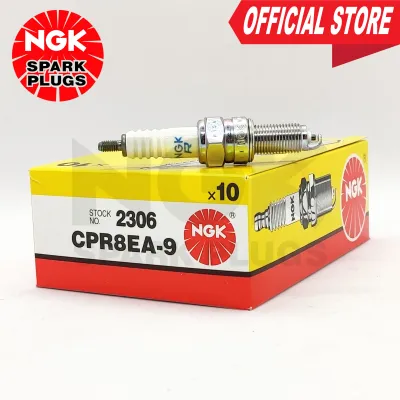
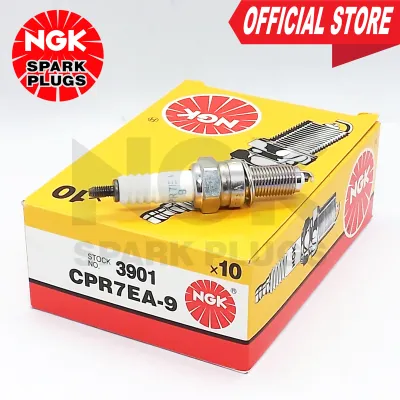
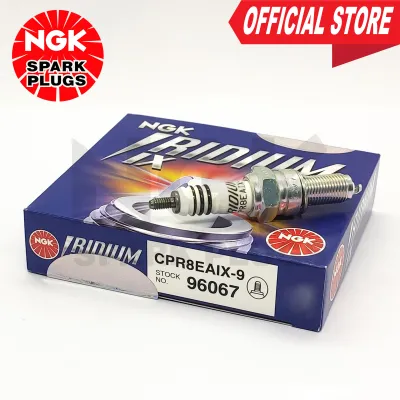
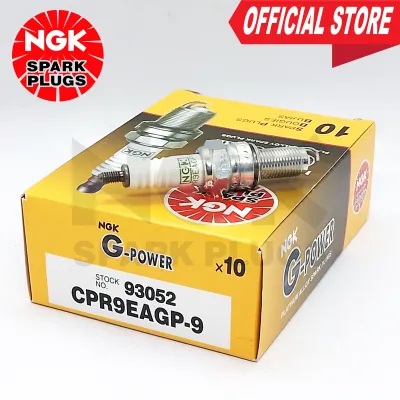
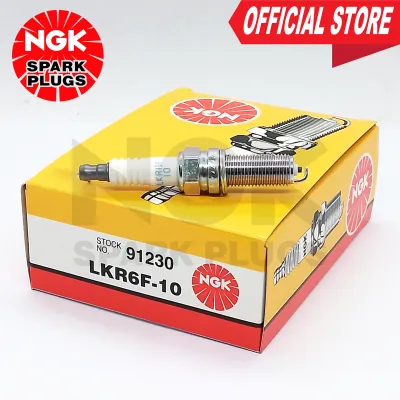
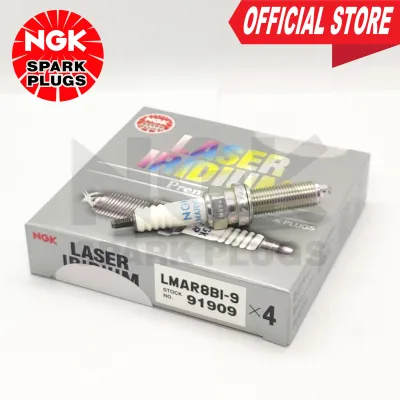
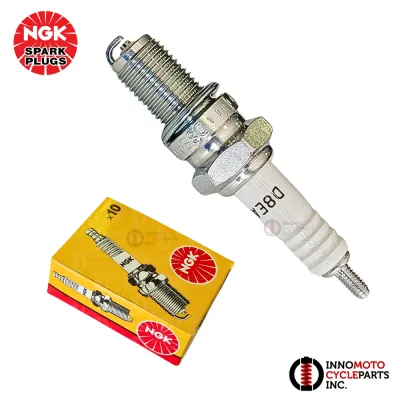
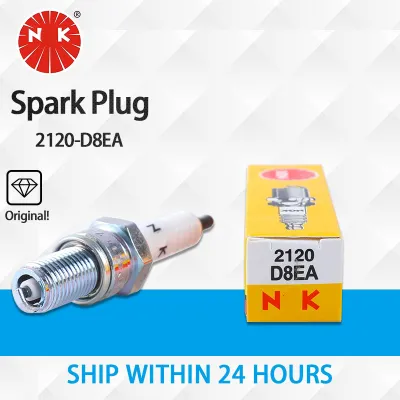
Prices are valid at publication and may change. Please refer to the product page for the latest price.
As a general rule, the most reliable approach is to stick to the OEM-recommended material to preserve your vehicle’s baseline reliability and any active powertrain warranties. If your car came from the factory with iridium plugs, downgrading to copper or platinum can degrade performance and strain your ignition coils. Conversely, if your vehicle originally used copper plugs, upgrading to platinum or iridium is often possible and can significantly extend your service intervals, provided the ignition system is compatible.
The primary trade-off when selecting a spark plug material is balancing the upfront cost against the long-term labor and frequency of future replacements. While premium materials like iridium carry a higher initial price tag in Philippine pesos (₱), they drastically reduce how often you need to open the engine bay. For vehicles where the spark plugs are difficult to access, paying more upfront for a long-lasting material is highly economical compared to paying repeated labor fees for frequent replacements.
NGK Copper Spark Plugs: Conductivity and Maintenance Cycles
Copper spark plugs, which actually feature a copper core encased in a nickel-alloy outer electrode, are highly valued for their exceptional thermal and electrical conductivity. Copper is an outstanding conductor of electricity, allowing the plug to transfer electrical energy efficiently to create a strong, reliable spark. Additionally, its superior thermal conductivity helps rapidly dissipate heat away from the combustion chamber, making it a preferred choice for older engines, classic cars, and certain high-compression or turbocharged applications.

However, the primary limitation of copper plugs lies in the physical properties of the nickel alloy used for the electrodes. Nickel is a relatively soft metal compared to platinum or iridium, meaning it wears down much faster under the intense heat and electrical sparking inside the cylinder. As the electrode slowly erodes, the gap between the center and ground electrodes widens, requiring higher voltage from the ignition system to jump the gap, which eventually leads to misfires.
Consequently, copper plugs require much shorter service intervals and more frequent maintenance inspections. They are ideal for automotive enthusiasts who enjoy performing their own routine maintenance, drivers of older vehicles with low-voltage ignition systems, or budget-conscious owners who do not mind replacing their plugs regularly. If your daily route involves short trips and light driving, and you prefer to inspect your engine bay frequently, copper remains a highly functional and cost-effective option.
NGK Platinum Spark Plugs: Durability for Daily Driving
Platinum spark plugs represent a significant step up in durability, designed to address the rapid wear associated with standard nickel-alloy electrodes. In a single platinum spark plug, a small platinum disc is welded to the tip of the center electrode. Because platinum is substantially harder than nickel alloy and has a higher melting point, it resists electrical wear and chemical erosion much more effectively, allowing the plug to maintain its original gap for a longer duration.
These plugs are particularly well-suited for standard daily drivers and vehicles equipped with distributor-less ignition systems (DIS). In waste-spark ignition systems, where one coil fires two spark plugs simultaneously, the electrical demand on the electrodes is doubled. Platinum’s resistance to wear ensures that the plug gap remains stable under these demanding conditions, preventing the ignition coils from overworking and failing prematurely.
The primary appeal of platinum plugs is the balance they strike between cost and convenience. While they carry a moderate price premium over copper, they offer a substantial reduction in maintenance frequency. For the average commuter navigating daily traffic, upgrading to platinum means fewer trips to the workshop and more consistent engine performance over an extended period, making the slightly higher upfront cost a highly practical investment.
NGK Iridium Spark Plugs: Premium Lifespan and Ignition Stability
Iridium spark plugs sit at the top of the performance and longevity hierarchy, utilizing one of the hardest and most heat-resistant metals on Earth. Iridium has an extremely high melting point, allowing manufacturers to design plugs with an ultra-fine wire center electrode, often measuring just 0.6mm or less in diameter. This fine-wire design concentrates the electrical charge, requiring significantly less voltage to jump the gap and create a spark compared to thicker copper or platinum electrodes.
This reduced voltage requirement translates directly into outstanding ignition stability, smoother idling, and more efficient combustion, especially in modern high-efficiency engines. Furthermore, the extreme hardness of iridium means these plugs experience virtually zero electrode wear over long periods. This makes them incredibly practical for modern vehicles where accessing the spark plugs requires removing the intake manifold, windshield cowl, or other complex engine components, saving vehicle owners significant labor costs.
However, before purchasing iridium plugs, it is essential to verify compatibility with your vehicle’s specific ignition system. While modern coil-on-plug systems are designed to work seamlessly with the low-voltage requirements of iridium, installing them in older ignition systems with weak coils or outdated wiring may not yield any noticeable performance benefits. Always ensure that the replacement plug matches the exact specifications required to prevent electrical mismatch or ignition coil strain.
Material Comparison Matrix and Selection Framework
To help you make an informed purchasing decision, the following matrix compares the key characteristics of each spark plug material type. Note that exact mileage intervals are omitted, as service life depends heavily on your specific vehicle model, driving habits, and environmental conditions; always refer to your owner’s manual for exact replacement schedules.
| Feature / Material | Copper (Nickel Alloy) | Platinum | Iridium |
|---|---|---|---|
| Material Hardness | Low (Softest) | Medium | High (Hardest) |
| Electrical Conductivity | Excellent | Good | Very Good |
| Melting Point | Lowest | High | Highest |
| Relative Service Life | Standard | Extended | Premium |
| Ideal Engine Type | Older engines, classic cars | Standard daily drivers | Modern, high-efficiency engines |
When deciding which spark plug to purchase, apply this straightforward selection framework:
- Choose Copper if your vehicle manual explicitly mandates it, you drive an older vehicle with a low-voltage ignition system, or you prefer a low upfront cost and do not mind performing frequent DIY replacements.
- Choose Platinum if you drive a standard daily commuter, want a balanced cost-to-life ratio, and wish to reduce the frequency of spark plug replacements without paying the premium price of iridium.
- Choose Iridium if you drive a modern vehicle with a coil-on-plug ignition system, your spark plugs are difficult to access, or you want the maximum possible service interval and ignition stability.
- Verify first if your vehicle is still under a manufacturer warranty, as using a non-approved spark plug material or heat range can void your coverage. Always cross-reference the aftermarket part number with your OEM specifications before finalizing your purchase.
Installation Precautions and Maintenance Boundaries
Installing new spark plugs requires precision and care to avoid costly engine damage. Even if you purchase premium pre-gapped plugs, you must always verify the electrode gap using a spark plug gap tool before installation. Plugs can easily be bumped or dropped during transit, shifting the ground electrode and altering the gap. Adjusting the gap on platinum or iridium plugs requires extreme care; never apply pressure directly to the delicate center electrode tip, as the precious metal coating can easily chip or fracture.
When installing the plugs into the cylinder head, always use a calibrated torque wrench to tighten them to the manufacturer’s exact torque specifications. Under-tightening can allow hot combustion gases to leak past the threads, leading to a loss of compression and potential plug blowout. Over-tightening, on the other hand, can easily strip the delicate threads in modern aluminum cylinder heads or distort the spark plug shell, causing internal electrical damage.
Finally, recognize the boundaries of DIY maintenance and know when to stop. If you encounter a seized spark plug that resists turning, do not force it, as you risk snapping the plug off inside the cylinder head. If you experience cross-threading, where the plug does not thread in smoothly by hand, stop immediately to avoid damaging the cylinder head threads. If your vehicle continues to suffer from persistent misfires, rough idling, or a check engine light after installing new plugs, halt further work and consult a qualified professional mechanic to diagnose potential ignition coil, wiring, or fuel system issues.
Frequently Asked Questions (FAQ)
Can I upgrade from copper to iridium spark plugs in an older vehicle?
Upgrading to iridium spark plugs in an older vehicle is generally safe, but it may not provide a noticeable boost in engine power or fuel efficiency if the combustion chamber and ignition system were not designed for it. While the iridium plug will offer a much longer service life, older ignition coils and aging spark plug wires might struggle to deliver consistent voltage, or they may not benefit from the fine-wire design. Before upgrading, inspect the condition of your entire ignition system and ensure the heat range of the new iridium plug matches your original copper specifications.
How do I know if my current spark plugs need replacement?
Common drivability symptoms of worn spark plugs include a rough or vibrating idle, sluggish acceleration, difficulty starting the engine, and a sudden drop in fuel economy. Visually inspecting the plugs after removal can also reveal their condition; look for rounded or heavily eroded electrodes, excessive black carbon buildup, or oil fouling on the ceramic insulator. If you observe wet oil or heavy deposits, it may indicate underlying engine issues such as worn piston rings or valve guide seals, which should be addressed alongside replacing the plugs.
Community discussion
Share your experience or ask a question. Comments are reviewed before publication.