
Quick Answer: OEM vs. Aftermarket for the Ford Ranger
Choosing the right air filter for your Ford Ranger depends on your driving environment, warranty status, and performance priorities. If you want guaranteed physical fitment, strict factory-tested filtration, and complete peace of mind regarding your vehicle’s warranty, original equipment manufacturer (OEM) filters are your best option. On the other hand, aftermarket filters are ideal if you are looking for a cost-effective standard replacement or specialized high-flow performance, and they are widely available at local auto supply shops across the Philippines. Before making a decision, verify your typical driving conditions; severe-duty usage like off-roading or heavy towing requires prioritizing filtration efficiency over minor airflow gains to protect your engine from premature wear.
Why the Right Air Filter Matters for Your Ford Ranger
Your Ford Ranger relies on a constant supply of clean air to maintain optimal combustion and performance. The engine air filter serves as the primary line of defense, trapping fine dust, road debris, and moisture before they can enter the combustion chamber. In highly humid and dusty environments, a compromised or low-quality filter can allow abrasive particles to bypass the intake system, leading to accelerated wear on cylinder walls, pistons, and piston rings.

Finding the correct balance between filtration efficiency and airflow restriction is critical for turbocharged engines. The Ford Ranger line, particularly models equipped with Single-Turbo or Bi-Turbo diesel engines, demands high volumes of clean air to feed the turbocharger efficiently. A restrictive or clogged filter forces the turbocharger to work harder, which can increase operating temperatures and reduce overall fuel economy.
Products mentioned in this guide
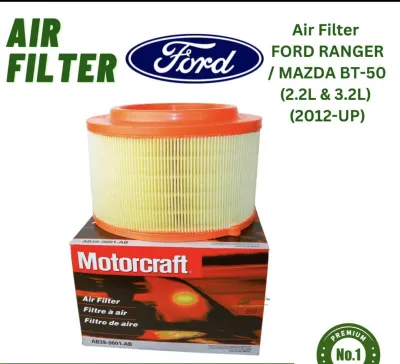
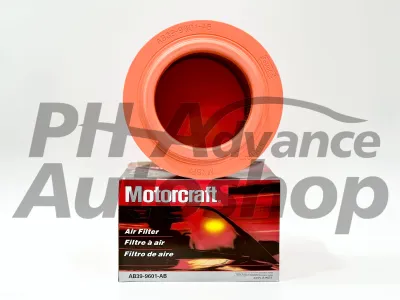
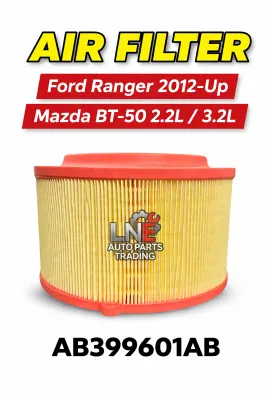
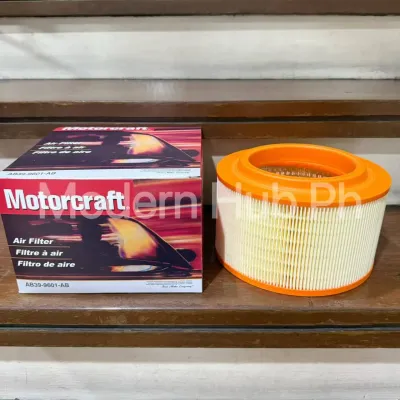
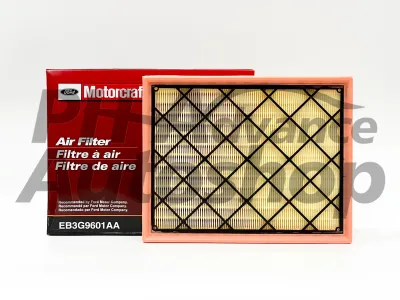
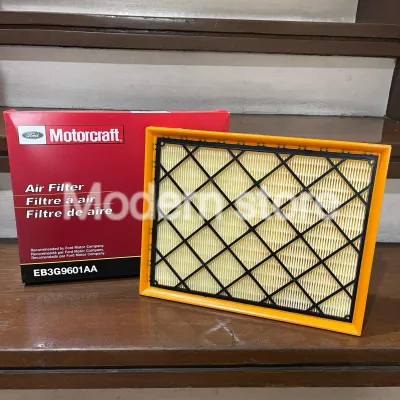
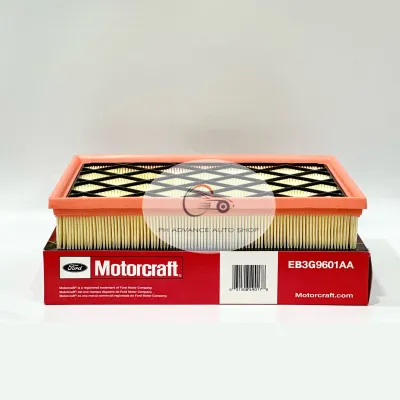
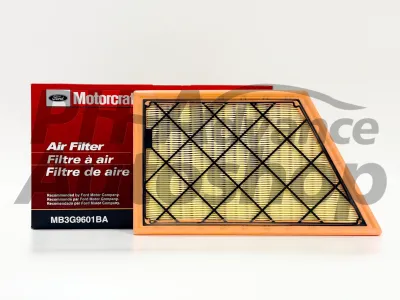
Prices are valid at publication and may change. Please refer to the product page for the latest price.
Furthermore, you must ensure that any replacement filter matches your exact Ranger generation, engine displacement, and model year. Intake designs and airbox dimensions vary significantly between the older 2.2L and 3.2L Duratorq engines and the newer 2.0L EcoBlue or 3.0L V6 powerplants. Installing an ill-fitting filter can leave gaps in the airbox, rendering the filtration media useless and risking catastrophic engine damage.
OEM Air Filters: Reliability and Factory Standards
OEM air filters are engineered by the vehicle manufacturer specifically for the intake geometry and performance parameters of your Ford Ranger. These filters utilize high-grade paper media designed to meet strict factory filtration standards, ensuring that even microscopic particulates are captured before they reach the intake manifold. When you purchase an OEM filter, you are paying for a guaranteed physical fit that seals perfectly within the factory airbox without any modifications.
In the Philippines, OEM parts are primarily sourced through authorized Ford dealerships and certified parts distributors. While these original components generally command a premium price in ₱ at local dealerships, they offer consistent quality control. It is highly recommended to verify current pricing and stock availability with your local dealership’s parts department, as costs can fluctuate based on your specific engine model and regional logistics.
Maintaining your vehicle’s warranty is another crucial factor to consider, especially for newer Ranger models still covered by the manufacturer’s terms. Using genuine OEM filters during your scheduled periodic maintenance service (PMS) ensures that your service history remains spotless. In the event of an engine-related warranty claim, having documented proof of OEM parts usage eliminates any potential disputes regarding component compatibility or filtration failure.
Aftermarket Air Filters: Types, Benefits, and Risks
The aftermarket segment offers a diverse array of choices, ranging from budget-friendly paper replacements to premium high-performance filters. Standard aftermarket paper filters are designed to mimic the specifications of OEM units at a more accessible price point. These are widely distributed across independent auto parts stores in the Philippines, making them a convenient option when dealership parts are out of stock or difficult to access.
For enthusiasts seeking specific performance characteristics, high-flow and reusable aftermarket filters are popular alternatives. These filters often utilize oiled cotton gauze or dry synthetic media designed to reduce intake restriction and potentially improve throttle response. However, this increased airflow sometimes comes at the cost of lower filtration efficiency for ultra-fine dust particles. If you frequently drive in dusty environments, you must carefully weigh the minor performance gains against the risk of allowing fine particulates to pass through the media.
One of the most significant risks in the aftermarket landscape is the prevalence of low-quality knockoffs and unbranded filters. Poorly manufactured filters often suffer from inconsistent dimensions, weak polyurethane seals, and fragile media that can collapse under high boost pressure. A faulty seal allows unfiltered air to bypass the filter entirely, while loose fibers or excess oil from poorly prepared reusable filters can contaminate the mass airflow (MAF) sensor, leading to rough idling, poor fuel economy, and check engine lights.
Head-to-Head Comparison: OEM vs. Aftermarket
To make an informed decision, you must compare these two categories across several key dimensions, including filtration capability, long-term cost, and convenience. OEM filters prioritize maximum engine protection and perfect sealing, making them the safest choice for daily driving and warranty preservation. Aftermarket filters offer greater flexibility, allowing you to choose between low-cost standard replacements or specialized high-flow designs tailored to specific driving goals.
The upfront cost of aftermarket paper filters is generally lower, but premium reusable filters require a higher initial investment offset by their washable nature. However, reusable options demand regular, meticulous maintenance using specialized cleaning kits, whereas OEM and standard aftermarket filters are simply discarded and replaced. Availability also differs; OEM parts require a trip to the dealership or a specialized importer, while aftermarket options are readily available at almost any local automotive shop.
| Comparison Dimension | OEM Air Filters | Aftermarket Air Filters |
|---|---|---|
| Filtration Efficiency | High (Factory-tested to strict standards) | Varies (Check label for specific micron ratings) |
| Airflow Potential | Optimized for stock engine parameters | Can be higher in specialized performance designs |
| Physical Fitment | Guaranteed perfect seal | Varies (Verify dimensions and mounting position) |
| Upfront Cost | Premium pricing | Budget-friendly to premium (Verify spec) |
| Maintenance | Disposable (Replace at scheduled intervals) | Disposable or washable (Check manufacturer instructions) |
| Warranty Impact | Fully compliant with factory warranty | May require verification if a failure is linked to the part |
Matching the Filter to Your Driving Conditions in the Philippines
Your local driving environment should play a major role in determining which air filter is best for your Ford Ranger. If your daily commute consists primarily of stop-and-go city driving in major metropolitan areas, your main challenges are airborne soot, exhaust fumes, and road grime. In these conditions, either an OEM filter or a high-quality standard aftermarket paper filter will perform exceptionally well, keeping your intake clean over standard service intervals.
Conversely, if you frequently travel through provincial areas, unpaved roads, or off-road trails, your Ranger will be exposed to high concentrations of fine dust and volcanic ash. Under these severe conditions, filtration efficiency must be your absolute priority. An OEM filter or a heavy-duty aftermarket option with multi-layered media is highly recommended to prevent fine dust from entering the engine. You should also consult your owner’s manual to follow the severe-duty maintenance schedule, which typically requires more frequent inspections and shorter replacement intervals.
For owners who use their Ranger for heavy towing, hauling agricultural loads, or navigating steep mountain passes, maintaining optimal combustion efficiency is vital. A clean, high-quality filter ensures that the engine receives the precise volume of oxygen required to burn fuel efficiently under heavy loads. Regardless of the filter type you choose, always verify that the replacement part is rated for your vehicle’s specific towing and load-carrying capacities.
Inspection, Replacement, and Safety Boundaries
Regularly inspecting your Ford Ranger’s air filter is a simple yet effective way to monitor engine health. To perform a visual inspection, locate the airbox in the engine bay, which is typically secured by metal clips or screws. Carefully release the fasteners, lift the cover, and remove the filter element. Hold the filter up to a bright light source; if light cannot pass through the pleats, or if you observe heavy dirt buildup, oil saturation, or physical tearing, the filter must be replaced immediately.
Before attempting a do-it-yourself replacement, you must understand the safety boundaries and original-vehicle instructions. Ensure the engine is completely turned off and cool to the touch before opening the intake system. When installing the new filter, verify that the rubber gasket seats perfectly in the airbox groove to prevent unfiltered air bypass. Never use compressed air to blow out a standard paper filter, as this can create microscopic tears in the media, destroying its filtration capability.
There are certain stop conditions where you should halt DIY work and consult a qualified professional. If you notice a cracked airbox housing, damaged intake tubing, loose sensors, or signs of oil pooling inside the intake tract, do not attempt to drive the vehicle. These issues require professional diagnostic tools and repair to prevent severe engine damage or mass airflow sensor contamination.
Frequently Asked Questions (FAQ)
Can I clean and reuse my Ford Ranger's standard paper air filter?
No, standard paper air filters are designed for single-use only and cannot be washed or cleaned. Attempting to blow them out with high-pressure compressed air can tear the delicate paper fibers, creating invisible holes that allow dirt to pass directly into your engine. Only filters explicitly labeled as reusable or washable by the manufacturer should be cleaned, and they must only be serviced using the approved cleaning solutions and oils specified in their instructions.
Will using an aftermarket air filter void my Ford warranty?
Using a high-quality aftermarket air filter does not automatically void your vehicle’s warranty. However, if an aftermarket filter is poorly designed, fits incorrectly, or fails and directly causes damage to your engine or sensors, the manufacturer may deny warranty coverage for that specific repair. To protect your warranty, ensure any aftermarket filter you use meets or exceeds OEM specifications, and keep detailed receipts of all maintenance work.
How often should I replace the engine air filter in dusty conditions?
If you frequently drive in dusty, unpaved, or off-road environments, you should not rely on standard mileage intervals. Instead, inspect the filter visually every 5,000 kilometers or after any major off-road trip. Refer to the severe-duty maintenance schedule in your Ford Ranger owner’s manual, which often recommends replacing the air filter twice as frequently as the standard highway driving interval to ensure continuous engine protection.
Community discussion
Share your experience or ask a question. Comments are reviewed before publication.