
Squeezing the brake lever of your Honda Beat should always result in a predictable, confidence-inspiring halt, whether you are filtering through dense city traffic or navigating a sudden tropical downpour. Choosing between Original Equipment Manufacturer (OEM) brake pads and aftermarket alternatives comes down to balancing guaranteed factory compatibility against the specialized material options and varying price points of third-party brands. For most daily commuters, OEM pads provide the most reliable, hassle-free performance, while high-quality aftermarket pads offer a viable alternative for riders willing to carefully verify specifications and fitment.
Understanding OEM and Aftermarket Brake Pads
OEM brake pads are the exact components installed on your Honda Beat at the factory. These genuine parts are commissioned by Honda and manufactured to meet strict engineering tolerances, ensuring they match the weight, speed capabilities, and hydraulic pressure of your scooter’s braking system. Because they are designed as a direct replacement, they eliminate any guesswork regarding fitment, material hardness, or operating temperature ranges.
Aftermarket brake pads are produced by third-party manufacturers independent of Honda. This category is incredibly diverse, spanning from globally recognized braking specialists to unbranded, low-cost generic options. Reputable aftermarket brands often design pads that target specific performance characteristics, such as enhanced heat resistance or reduced dust. Conversely, unbranded generic pads are typically designed for broad compatibility and low production costs, which can result in inconsistent quality control and unpredictable performance.
Products mentioned in this guide
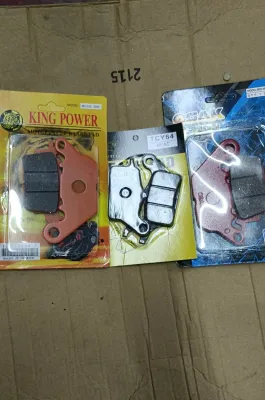
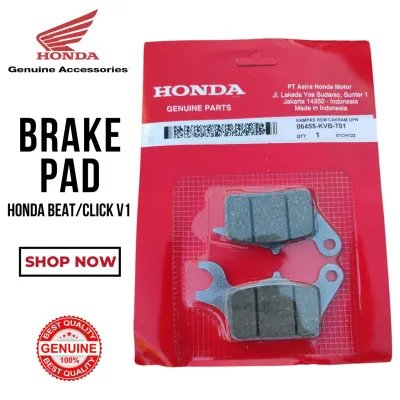
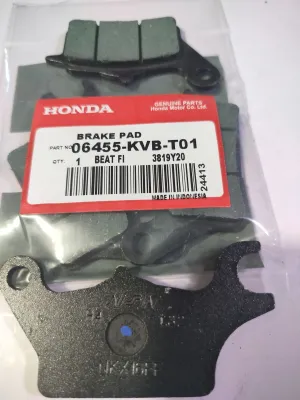
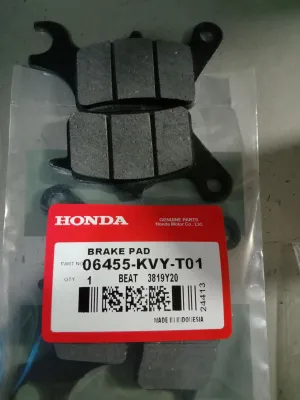
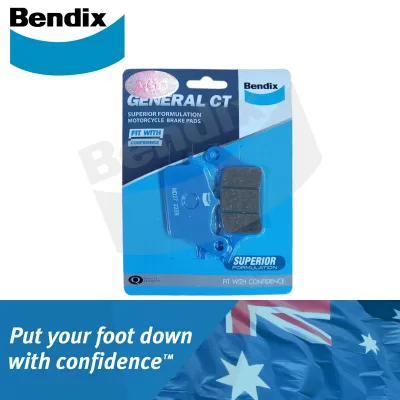
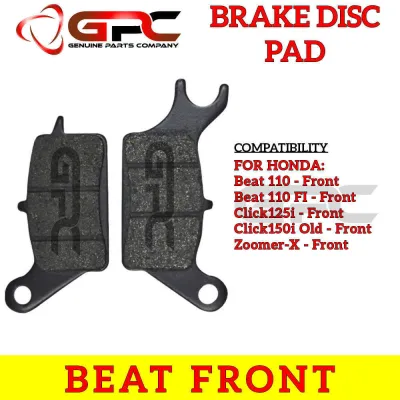
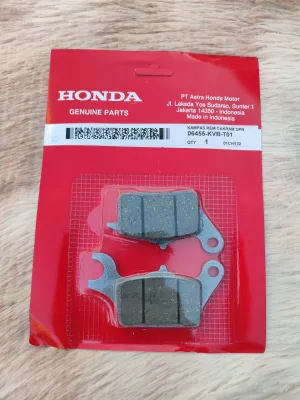
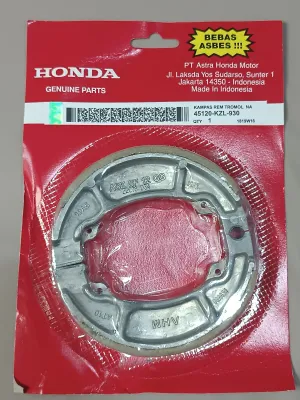
Prices are valid at publication and may change. Please refer to the product page for the latest price.
The primary difference between these two paths lies in the manufacturing philosophy and quality assurance. OEM production involves rigorous testing under various simulated road conditions to guarantee consistent density, backing plate strength, and friction material bonding. Reputable aftermarket manufacturers also employ strict quality controls, but the market is flooded with cheap, unbranded alternatives that may bypass these essential safety checks, potentially leading to premature wear or structural failure.
Key Comparison Dimensions for Your Scooter
Safety and braking feel are the most critical factors when evaluating brake pads for a lightweight scooter like the Honda Beat. In highly congested urban environments, you need a brake lever that feels progressive and predictable. OEM pads are formulated to deliver a smooth, gradual bite that prevents the front wheel from locking up unexpectedly, which is especially important on wet, slippery asphalt during the monsoon season. Aftermarket pads can vary wildly in their initial bite; some performance-oriented compounds grab the rotor aggressively, which might feel reassuring to experienced riders but can easily cause skidding on slick surfaces if you are not careful.

Material composition directly dictates how a brake pad behaves under different riding conditions. Most OEM pads for small-displacement scooters utilize organic or low-metallic compounds, which are soft, quiet, and highly effective at lower operating temperatures. Aftermarket options open up choices like semi-metallic or ceramic compounds. Semi-metallic pads contain metallic fibers that improve heat dissipation during prolonged braking, such as descending steep hills, but they require higher operating temperatures to work efficiently. Ceramic pads offer excellent thermal stability and minimal dust, but they are generally more expensive and may feel less responsive during short, cold-start trips.
Durability and rotor wear represent a crucial trade-off when moving away from factory specifications. The Honda Beat’s front brake disc is engineered to pair with the specific hardness of OEM friction material. If you install aftermarket pads with an excessively hard compound, such as certain heavy semi-metallic variations, the pads will outlast the rotor. Over time, this harder material will score, thin, or warp the brake disc, forcing you to replace the entire rotor much sooner than expected. OEM pads are designed to wear down sacrificially, preserving the life of the more expensive brake disc.
Noise and dust accumulation can quickly turn a daily commute into an annoying chore. High humidity and frequent rain can cause brake pads to squeal when moisture and debris get trapped between the pad and the rotor. OEM pads typically feature built-in chamfers and expansion slots designed to channel away water and reduce harmonic vibrations. Many budget aftermarket pads omit these design details to cut costs, resulting in persistent squealing. Low-quality friction materials also produce heavy, sticky brake dust that accumulates on your wheels and caliper components, requiring frequent cleaning to prevent corrosion.
Cost and Long-Term Value Assessment
When shopping for replacement parts in the Philippines, budget is always a practical consideration. OEM brake pads carry a brand premium, reflecting the extensive testing and guaranteed fitment provided by Honda. A set of genuine front brake pads at an authorized dealership typically ranges from ₱300 to ₱600. Aftermarket prices, on the other hand, are highly variable. You can find cheap, unbranded generic pads on online marketplaces for as low as ₱100, while premium aftermarket pads from established performance brands can cost ₱800 or more.
While the upfront savings of a cheap aftermarket pad can be tempting, the long-term value is rarely as favorable as it seems. Low-cost generic pads often use inferior friction compounds that wear down rapidly under the heat of daily stop-and-go traffic. If you have to replace a cheap set of pads twice as often as a single set of OEM pads, any initial savings are quickly wiped out by the recurring cost of parts and labor.
The hidden costs of using substandard brake components can also be severe. A pad that is too hard can ruin your brake rotor, which costs significantly more to replace than a set of premium pads. More importantly, compromised braking performance increases your stopping distance, elevating the risk of a costly collision. Investing in high-quality OEM or reputable aftermarket pads is a preventive measure that protects both your wallet and your physical safety on the road.
Verifying Compatibility and Avoiding Counterfeits
The Honda Beat has gone through multiple design iterations over the years, including carburetor, fuel-injected (FI), eSP, and newer generations. Because caliper designs and mounting points can change between model years, you must verify the exact compatibility of any brake pad before purchasing. Consult your owner’s manual or look for the specific OEM part number stamped on your existing pads or listed in official parts catalogs. When buying aftermarket pads, never rely on generic “one-size-fits-all” descriptions; cross-reference the manufacturer’s application guide to ensure the pad shape matches your specific model year.
Counterfeit parts are a widespread issue, particularly on major e-commerce platforms and informal roadside shops. Genuine Honda parts are packaged in high-quality materials featuring crisp, clear printing, accurate branding, and often a secure, light-reflective hologram sticker. Inspect the physical pads closely before installation. Genuine pads will have clean, evenly applied paint or plating on the backing plate, clearly stamped batch codes, and a uniform friction material free of large cracks, crumbling edges, or loose metallic chunks.
When browsing online marketplaces, watch out for common red flags that indicate counterfeit or unsafe products. Suspiciously low prices—such as “genuine” pads sold for a fraction of the authorized dealer price—are almost always a sign of a counterfeit. Be wary of listings with vague fitment descriptions, misspelled brand names, or sellers who cannot provide clear photos of the packaging and the back of the pads. If a deal seems too good to be true, it is safer to purchase directly from an authorized Honda dealer or a certified distributor of reputable aftermarket brands.
Installation Safety and Professional Boundaries
Your scooter’s braking system is its most critical safety feature, leaving absolutely no room for error during maintenance. Before attempting to replace your brake pads, consult the Honda Beat owner’s manual or official service guide to understand the specific steps, required tools, and safety precautions. Pay close attention to the specified torque values for the caliper mounting bolts and pad pin bolts. You must also check the brake fluid reservoir cap to confirm the correct fluid type, which is typically DOT 3 or DOT 4, and ensure you only use fluid from a freshly opened, sealed container.
While changing brake pads is a common maintenance task, certain scenarios require the expertise of a qualified motorcycle mechanic. If you notice that the caliper pistons are stuck, the rubber dust seals are torn, or brake fluid is leaking around the caliper, the entire assembly requires a professional rebuild. Similarly, if your brake rotor is deeply grooved, unevenly worn, or warped, it must be measured with a micrometer and either resurfaced or replaced by a professional to ensure the new pads make proper contact.
Once new brake pads are installed, you must perform a mandatory bedding-in, or burnishing, process before riding in regular traffic. This process involves making 15 to 20 controlled, gentle stops from a moderate speed of about 30 km/h down to a slow crawl, allowing the brakes to cool slightly between each stop. Never slam on the brakes or bring the scooter to a complete, hard stop during this process. Bedding-in aligns the microscopic surface of the pad with the rotor and transfers a thin, even layer of friction material to the disc, preventing brake glazing and ensuring optimal stopping power.
Decision Framework: Choosing the Right Brake Pads
To make the right choice for your Honda Beat, evaluate your riding habits, budget, and mechanical confidence against these clear guidelines.
Choose OEM if you prioritize absolute peace of mind, guaranteed factory fitment, and consistent, predictable braking performance in all weather conditions. It is the ideal choice for daily commuters who want a straightforward, reliable replacement without the need to research material compounds or worry about counterfeit products.
Choose aftermarket if you are sourcing from a highly reputable, established braking brand and want to customize your scooter’s braking characteristics, such as upgrading to ceramic pads for better heat management. This path is suitable if you are willing to spend the extra time verifying exact model compatibility and purchasing from certified distributors to avoid dangerous counterfeits.
Verify first if you suspect any underlying issues with your braking system. If your brake lever feels spongy, the scooter pulls to one side when braking, or you hear grinding noises, simply installing new pads will not solve the problem. Inspect the condition of your brake fluid, caliper seals, and rotor thickness before spending money on new pads, as a compromised hydraulic system or a warped disc will ruin new components rapidly.
Frequently Asked Questions (FAQ)
How often should I replace the brake pads on my Honda Beat?
There is no fixed mileage interval for replacing brake pads, as wear rates depend heavily on your riding style, passenger load, and the terrain you navigate. To determine if your pads need replacement, perform a visual inspection by looking through the wear inspection window on the brake caliper. Genuine Honda pads feature a wear indicator groove cut into the friction material; if the pad has worn down to the bottom of this groove, it is time for a replacement. Additionally, if you hear a high-pitched scraping or squealing sound when applying the brakes, the metal wear indicators are contacting the rotor, signaling that you must replace the pads immediately to prevent damaging the disc.
Can I mix OEM front and aftermarket rear brake pads?
Yes, you can safely run OEM brake pads on the front wheel and aftermarket pads on the rear wheel, as the front and rear braking systems on the Honda Beat operate completely independently. Most Honda Beat models utilize a hydraulic disc brake in the front and a mechanical drum brake in the rear. Because these systems use entirely different mechanisms and friction materials, mixing brands across the front and rear axles will not compromise your safety, provided both sets of brakes are high-quality and correctly installed. Focus on ensuring that each individual braking system has adequate, reliable stopping power rather than trying to match brands across different axles.
Community discussion
Share your experience or ask a question. Comments are reviewed before publication.