
Choosing the right brake pads for your Yamaha Mio Sporty is one of the most critical maintenance decisions you will make. As a lightweight, highly agile automatic scooter, the Mio Sporty relies heavily on its front disc brake system to handle up to 70% of its stopping power. Whether you are navigating the congested, stop-and-go traffic of metropolitan highways or riding through sudden tropical downpours, your front brake pads are your primary line of defense. The debate between installing Yamaha Original Equipment Manufacturer (OEM) brake pads and opting for aftermarket alternatives often leaves riders balancing safety, performance, and cost.
To satisfy your immediate search, the direct answer depends on your riding conditions and budget. Yamaha Genuine Parts (OEM) are the default, highly recommended choice for the vast majority of riders. They offer guaranteed safety, factory-matched performance, predictable wear, and zero compatibility guesswork. However, reputable, established aftermarket brands can serve as excellent, budget-friendly alternatives if you purchase them from authorized dealers and verify their exact specifications. Conversely, you must strictly avoid unbranded, ultra-cheap brake pads commonly found on online marketplaces, as these pose severe safety risks, perform poorly in wet weather, and can rapidly destroy your brake rotor.
Choose OEM pads if you prioritize absolute peace of mind, consistent wet-weather braking, and long-term rotor protection. Opt for reputable aftermarket brands only if you are on a strict budget, are willing to verify the manufacturer’s material specifications, and can guarantee the parts are authentic. Understanding the technical and practical differences between these options will help you make a safe, cost-effective decision for your daily commute.
Products mentioned in this guide
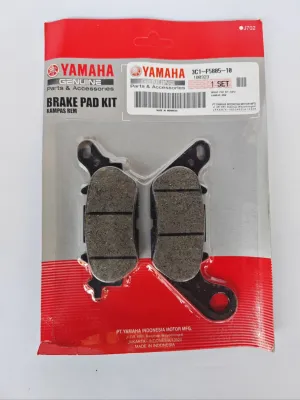
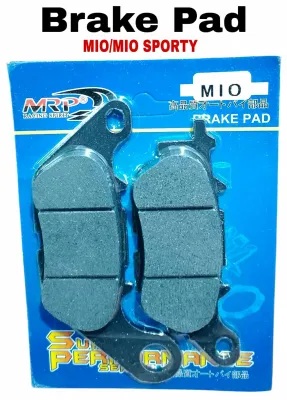
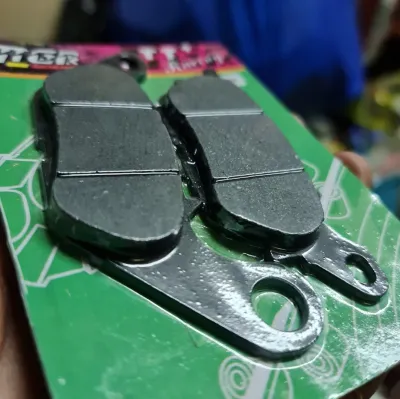
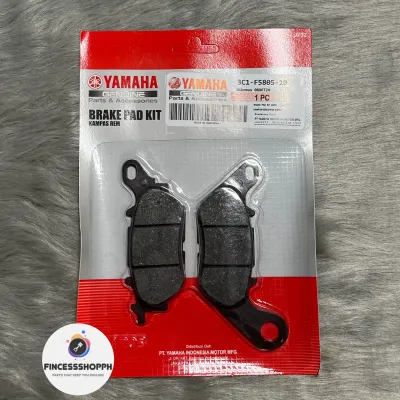
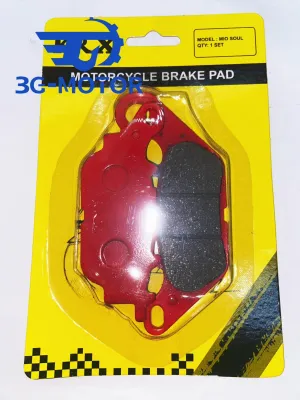
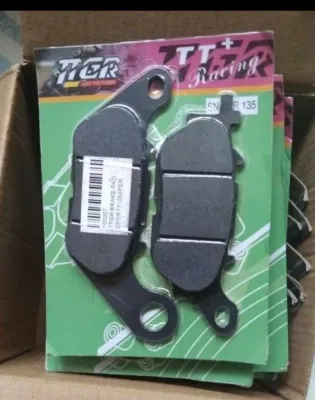
Prices are valid at publication and may change. Please refer to the product page for the latest price.
Understanding OEM and Aftermarket Brake Pads
To make an informed decision, it is essential to understand what these two categories actually represent. Yamaha Genuine Parts, commonly referred to as OEM pads, are the exact components installed on the Mio Sporty when it rolls off the factory assembly line. These pads are engineered by Yamaha’s technical partners to match the precise weight, top speed, caliper design, and rotor metallurgy of the Mio Sporty. They undergo rigorous testing to ensure they perform consistently across a wide temperature range and maintain their structural integrity under extreme stress.
Aftermarket brake pads, on the other hand, encompass any brake pads produced by third-party manufacturers. This category is incredibly broad and cannot be treated as a single tier of quality. It ranges from premium, globally recognized braking specialists to obscure, unbranded factories producing generic parts. Reputable aftermarket brands invest heavily in research and development, utilizing advanced friction formulations and high-quality backing plates. These companies design pads that either replicate OEM specifications or cater to specific riding styles, such as high-performance or heavy-duty applications.
The critical distinction lies in the massive quality gap between established aftermarket brands and unbranded, generic alternatives. While a reputable aftermarket manufacturer uses certified binding resins and high-grade friction materials, unbranded manufacturers often cut corners by using cheap fillers, inconsistent metal compounds, and substandard bonding agents. This can lead to catastrophic failures, such as the friction material completely delaminating—separating from the metal backing plate—during emergency braking. Therefore, when considering aftermarket options, you must look beyond the price tag and focus entirely on the brand’s reputation and manufacturing standards.
Key Factors When Selecting a Brake Pad for Mio Sporty
Evaluating brake pads requires looking at how they perform in real-world scenarios. For a Mio Sporty rider, this means analyzing how the pads handle heat, moisture, friction, and wear during daily commutes.

Braking Performance and Safety
The primary function of any brake pad is to convert kinetic energy into thermal energy through friction. Yamaha OEM brake pads are formulated with a progressive, predictable initial bite. This means that when you squeeze the brake lever, the stopping force builds smoothly and intuitively. For a lightweight scooter like the Mio Sporty, a progressive bite is a crucial safety feature; an overly aggressive initial bite can easily lock up the front wheel, leading to a dangerous skid, particularly on slippery, oil-slicked asphalt or wet roads.
Under wet-weather conditions, which are common during the tropical monsoon season, water acts as a lubricant between the brake pad and the rotor, temporarily reducing friction. OEM pads feature specific water evacuation grooves and material compositions designed to sweep away water quickly, maintaining stable braking performance. While reputable aftermarket pads often perform similarly, low-quality, unbranded alternatives frequently suffer from poor wet-weather grip. These substandard pads can absorb moisture or fail to clear the water film, resulting in a terrifying delay in braking response when you need it most.
Another critical performance factor is brake fade, which occurs when continuous, heavy braking generates intense heat that the friction material cannot handle. In stop-and-go city traffic or when descending steep roads with a passenger, cheap aftermarket pads can experience severe brake fade. As the bonding resins in low-grade pads overheat, they release gases that form a thin, lubricating layer between the pad and the rotor, causing the brake lever to feel spongy and drastically increasing your stopping distance. To ensure your safety, always rely on manufacturer labels and verified specifications rather than unproven marketing claims of “racing-grade” performance.
Lifespan and Rotor Wear
Brake pads and brake rotors work as a matched wear pair. The hardness of the brake pad’s friction material must be carefully calibrated to the hardness of the steel rotor. Yamaha OEM brake pads use a balanced semi-metallic or organic compound designed to wear down gradually while preserving the flat, smooth surface of the factory rotor. This engineering balance ensures that while you will need to replace your brake pads periodically, your expensive brake rotor remains undamaged and lasts through multiple pad replacements.
In contrast, many cheap, unbranded aftermarket pads prioritize extreme pad longevity at the expense of your rotor. To claim that their pads “last forever,” these manufacturers use highly abrasive, hard metallic fibers. While the pad itself may show minimal wear over thousands of kilometers, it acts like sandpaper against your Mio Sporty’s rotor. This abrasive action causes deep grooves, scoring, uneven wear, and premature thinning of the disc. Replacing a warped or heavily scored rotor is significantly more expensive and labor-intensive than buying high-quality brake pads.
Conversely, some ultra-cheap aftermarket pads are made of overly soft, poorly bonded organic materials. These pads wear down incredibly fast, producing excessive black brake dust that coats your front wheel and caliper. This rapid wear means you will have to replace your pads much more frequently, wiping out any initial cost savings. To avoid these issues, regularly check your pads for physical wear indicators and rely on trusted manufacturers who specify their material hardness and compatibility.
Cost and Long-Term Value
When comparing costs, it is vital to look beyond the initial purchase price and calculate the total cost of ownership over several years. Yamaha OEM brake pads are moderately priced. While they cost more than generic aftermarket options, they represent excellent long-term value. By providing predictable lifespans, maintaining consistent performance, and protecting your brake rotor from premature wear, OEM pads keep your overall maintenance expenses low and predictable.
Aftermarket options occupy a wide pricing spectrum. Reputable, branded aftermarket pads are often priced slightly lower than or comparable to OEM pads. These can offer good value if you want to save a small amount of money without sacrificing safety. However, the market is also flooded with ultra-cheap, unbranded options. While these pads may seem highly attractive to budget-conscious riders, they carry significant hidden costs.
The financial consequences of using substandard pads can be severe. If a cheap pad ruins your brake rotor, you will be forced to pay for a new rotor, a new set of quality pads, and additional mechanic labor fees. More importantly, the safety risks associated with poor braking performance, brake fade, or sudden pad failure can lead to accidents, resulting in costly scooter repairs and medical expenses. To find the best balance of value and safety, check current pricing at authorized local dealers or reputable, verified online flagship stores rather than purchasing from unverified, suspiciously cheap listings.
Decision Framework: When to Choose OEM vs. Aftermarket
To help you make the right choice for your specific situation, use this structured decision framework based on your riding habits, budget, and safety priorities.
Choose Yamaha OEM Brake Pads if:
- You prioritize safety and peace of mind: You want guaranteed braking performance, predictable stopping distances, and zero risk of material delamination under emergency situations.
- You ride in challenging environments: Your daily commute involves heavy stop-and-go city traffic, frequent riding in heavy rain, or navigating flooded streets where wet-weather performance is critical.
- You want a hassle-free, drop-in replacement: You prefer a direct fit with zero compatibility worries, preserving your Mio Sporty's original factory braking feel and ensuring full compliance with any manufacturer warranties.
- You want to protect your rotor: You want to ensure your brake disc wears evenly and lasts as long as possible, avoiding the high cost of premature rotor replacement.
Choose Reputable Aftermarket Brake Pads if:
- You are on a strict budget but refuse to compromise on safety: You need to save money but are committed to buying exclusively from established, certified braking manufacturers with clear quality standards.
- You purchase from authorized sellers: You have access to official distributors or verified flagship stores where you can guarantee the authenticity of the aftermarket parts.
- You have verified compatibility: You have carefully cross-referenced the manufacturer's catalog to ensure the specific pad model is designed exactly for your Mio Sporty's model year and caliper setup.
Strictly Avoid Unbranded or Ultra-Cheap Aftermarket Brake Pads if:
- You value your life and safety: You understand that saving a small amount of money is not worth the high risk of brake failure, severe brake fade, or extended stopping distances.
- You want to avoid mechanical damage: You want to protect your front brake rotor from severe scoring, grooving, or warping caused by abrasive, low-grade friction materials.
- You cannot verify the origin: The product lacks clear branding, manufacturer contact information, material specifications, or safety certifications.
Ultimately, your scooter’s braking system is not an area where cutting corners yields any real financial benefit. Investing in high-quality, verified brake pads is a direct investment in your personal safety on the road.
Safety Boundaries and Installation Best Practices
Because the braking system is a critical safety component, any maintenance, inspection, or replacement must be handled with extreme care and precision. Before attempting to replace your brake pads, always check your Yamaha Mio Sporty owner’s manual or official service manual. These documents contain vital specifications, including the correct caliper mounting bolt torque, slide pin torque, and the minimum allowable pad thickness.
If you do not possess the proper tools—such as a calibrated torque wrench, a caliper piston rewind tool (or a suitable C-clamp), and high-quality brake cleaner—or if you lack mechanical experience, do not attempt a DIY installation. Instead, take your scooter to an authorized Yamaha service center or a trusted, qualified local mechanic. Professional installation ensures that every component is torqued correctly, the caliper is aligned, and the system is fully operational before you ride.
Crucial Safety Instructions:
- Check the labels first: Always check the applied product's label and the treated item's manufacturer instructions before starting the installation. If the instructions on your aftermarket brake pad package conflict with the Yamaha service manual, stop immediately and consult a professional.
- Never mix pad types: Always replace brake pads as a complete set. Never mix different brands, material compounds, or worn and new pads within the same caliper, as this will cause highly uneven braking forces and potential caliper binding.
- Perform a brake fluid check: When you compress the caliper piston to fit new, thicker brake pads, the brake fluid level in your master cylinder reservoir will rise. Ensure the fluid does not overflow, as brake fluid is highly corrosive and can permanently damage your Mio Sporty's paint and plastic fairings.
- Clean the caliper thoroughly: Before installing new pads, use an authorized brake cleaner to remove built-up brake dust, road grime, and dirt from the caliper bracket, slide pins, and piston. Failing to clean these parts can cause the caliper to stick, leading to dragging brakes, rapid pad wear, and excessive heat buildup.
- Bed-in your new pads: New brake pads require a proper break-in (bedding) procedure to perform effectively. Avoid sudden, hard braking for the first 50 to 100 kilometers. Instead, perform a series of gentle, controlled stops from moderate speeds on a safe, quiet road. This process transfers a thin, even layer of friction material from the pad to the rotor, preventing glazing and ensuring optimal stopping power.
Frequently Asked Questions (FAQ)
Can I use brake pads from other Mio models on my Sporty?
No, you should never assume that brake pads are universally compatible across different Yamaha Mio models. While the Mio family shares many design philosophies, the specific caliper shapes, backing plate dimensions, pad thicknesses, and mounting pin configurations can vary significantly between models such as the Mio Sporty, Mio Soul, Mio i 125, Mio Gravis, and Mio Aerox.
Using a brake pad that is not designed specifically for the Mio Sporty can prevent the pad from fitting into the caliper, or worse, cause the pad to bind, slide out of alignment, or fail to apply even pressure to the rotor. Always cross-reference the exact part number in the official Yamaha parts catalog or verify the physical dimensions against your old pads before purchasing any replacement.
How do I know when my Mio Sporty brake pads need replacing?
You can determine when your Mio Sporty brake pads need replacement by performing regular visual, auditory, and tactile checks. Visually inspect the thickness of the friction material by looking through the inspection window in the front brake caliper. If the friction material has worn down to 1.5 millimeters or is flush with the wear indicator groove, the pads must be replaced immediately.
Auditorily, listen for a high-pitched metallic squealing or scraping noise when you apply the front brake. This sound is often caused by the pad’s built-in metal wear indicator making contact with the rotor, warning you that the friction material is nearly depleted. Tactilely, if your brake lever feels unusually spongy, requires you to pull it all the way to the handlebar to achieve stopping power, or if you notice a sudden drop in braking performance, inspect your pads and brake fluid immediately. Do not rely on fixed mileage intervals, as pad wear is highly dynamic and depends on your riding habits, passenger load, and local traffic conditions.
Community discussion
Share your experience or ask a question. Comments are reviewed before publication.